The concept of a "smart home" used to feel like an expensive luxury reserved for tech enthusiasts with deep pockets. However, as we move through 2025, the landscape has shifted. Budget smart home gadgets in 2025 are no longer about showing off technology—they are about improving daily efficiency, lowering energy costs, and solving real household problems.
High-quality automation and lifestyle-enhancing tools are now widely available as affordable smart home devices, making smart living realistic for renters, young professionals, and first-time homeowners.
Whether you are a renter looking to optimize a small space or a first-time homeowner trying to lower your utility bills, the right tech can pay for itself in months.
In this guide, we’re cutting through the noise to highlight the top five cheap home automation gadgets that offer the best return on investment this year. No fluff—just practical tools to make your daily life smoother.
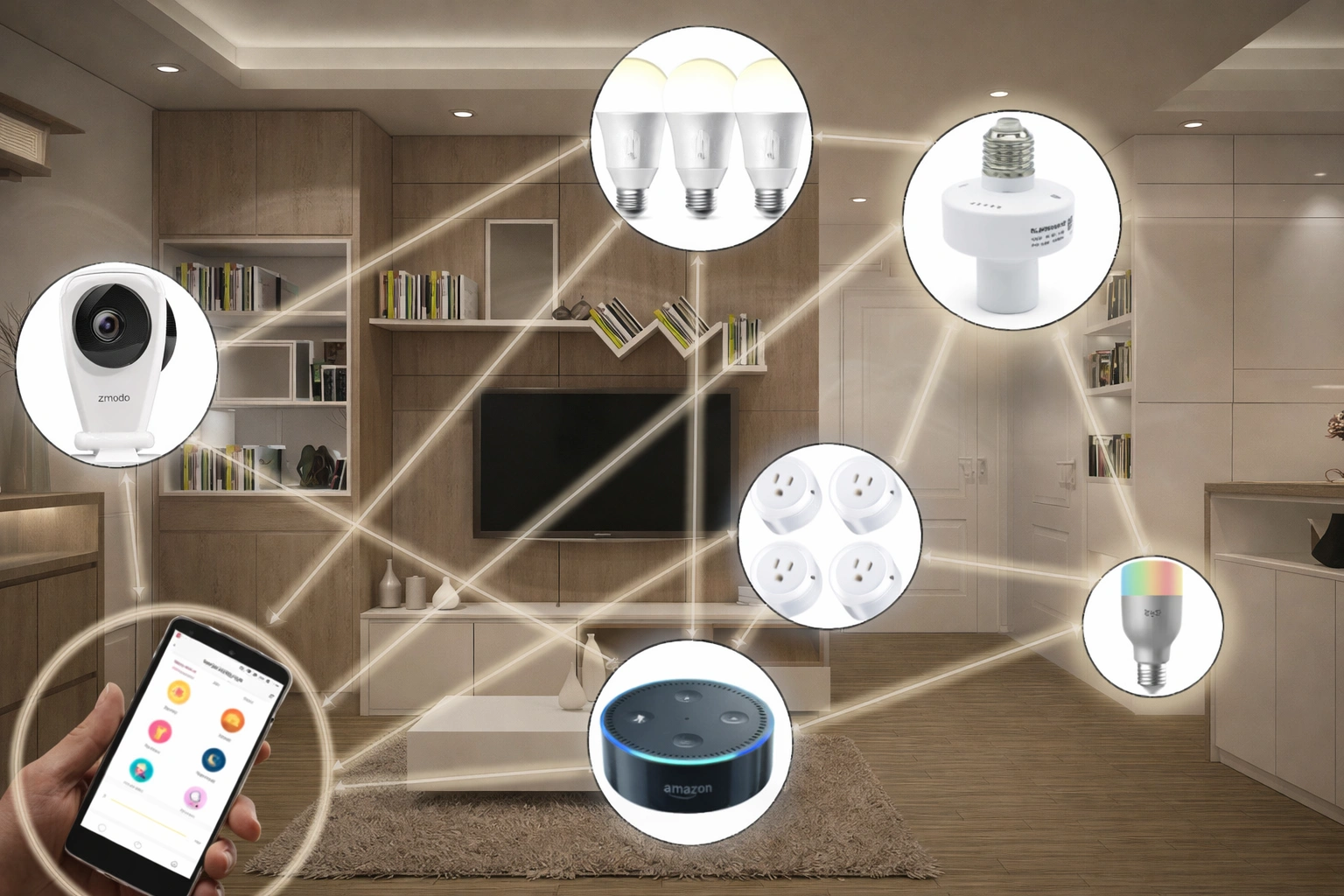
1. Smart Wi-Fi Plugs with Energy Monitoring
If you could only buy one gadget on this list, make it a smart plug. These tiny devices act as an intermediary between your wall outlet and your appliances, instantly turning "dumb" electronics into connected ones.
Why it’s a 2025 Essential
Modern smart plugs in 2025 have moved beyond simple on/off timers. The best budget models now include real-time energy monitoring. This allows you to see exactly how much electricity your space heater, coffee maker, or older refrigerator is pulling.
Real-World Use Case
Have you ever left the house and worried you forgot to turn off the curling iron or the desk lamp? With a smart plug, you can check the app on your phone and kill the power remotely. You can also set a schedule so your living room lights turn on automatically at sunset, adding security when you're away.
- Approximate Budget: $10 – $20 per plug
- Key Benefit: Eliminates phantom energy drain and adds peace of mind
2. High-Efficiency LED Smart Bulbs
Lighting accounts for a significant portion of a home's energy bill. Swapping out old incandescent or even standard LED bulbs for smart versions is one of the fastest ways to customize your environment while saving money.
Why it's a 2025 Essential
Unlike the expensive starter kits of the past, today’s budget bulbs connect directly to Wi-Fi or Bluetooth without needing a hub. They offer adjustable brightness and color temperature—from crisp daylight for work hours to warm tones for evenings.
Real-World Use Case
A “Sunrise” routine gradually brightens your bedroom lights before your alarm goes off. It’s a more natural way to wake up, especially during darker months, and helps improve mood and focus.
- Approximate Budget: $8 – $15 per bulb
- Key Benefit: Long-term electricity savings and healthier lighting habits
3. Compact AI-Powered Security Cameras

Home security no longer requires expensive installations or long-term subscriptions. Budget cameras now deliver smart monitoring at a fraction of the traditional cost.
Why it’s a 2025 Essential
Many affordable models now use on-device AI to distinguish between people, pets, and random motion. This reduces false alerts and ensures notifications actually matter.
Real-World Use Case
Pet owners can check in during the day and use two-way audio to interact remotely. Renters benefit from flexible, non-invasive security that doesn’t require drilling or permanent changes.
- Approximate Budget: $25 – $45
- Key Benefit: Smart security without ongoing monitoring fees
4. Rechargeable Motion-Sensor Under-Cabinet Lighting
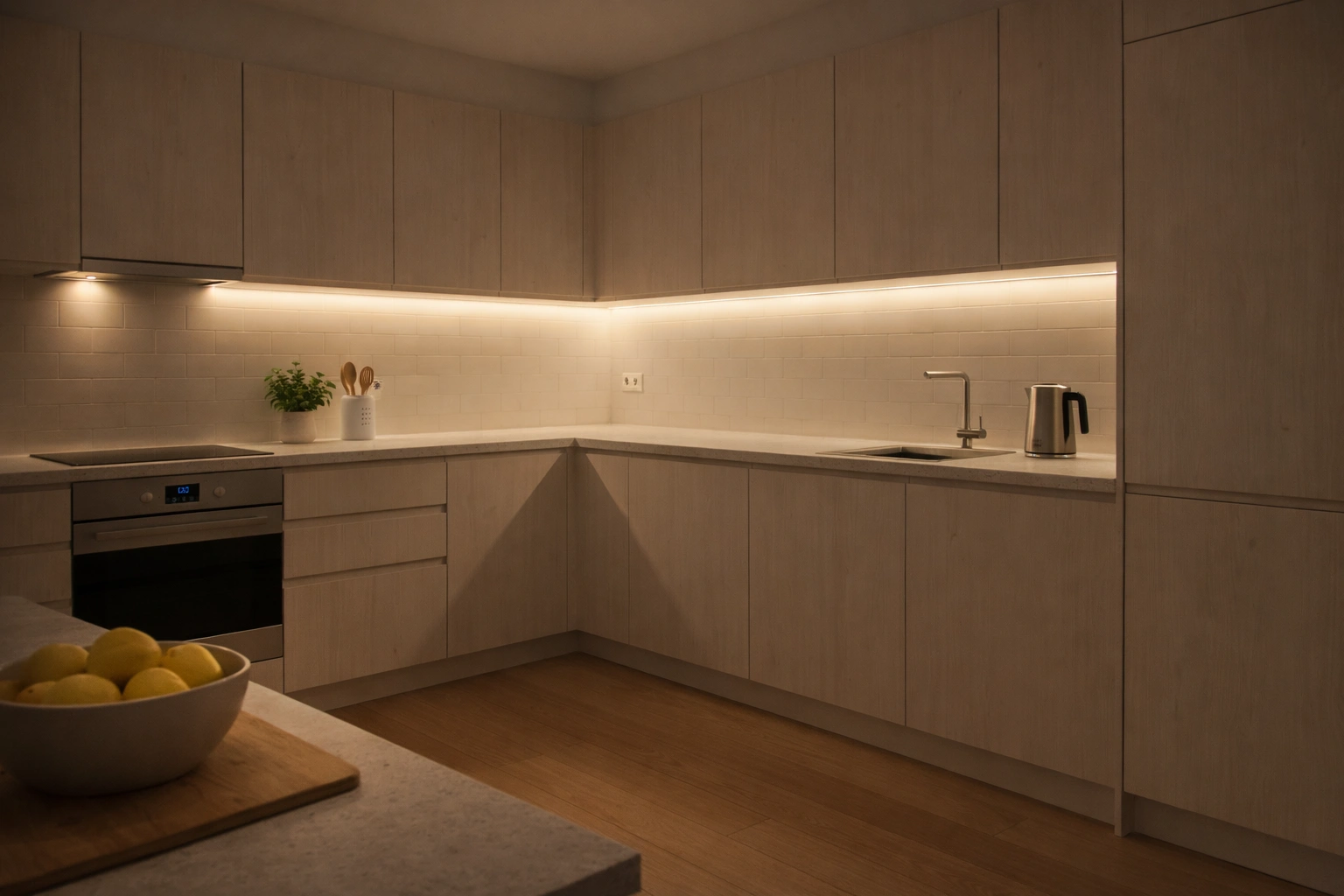
Closets, cabinets, and hallways often lack proper lighting. Instead of rewiring your home, rechargeable LED motion lights offer an instant solution.
Why it’s a 2025 Essential
Battery life has improved significantly. A single USB-C charge can last months in auto mode, with motion sensors activating light only when needed.
Real-World Use Case
Late-night kitchen trips become safer and more comfortable without turning on harsh overhead lights. These lights also work well in closets where visibility is limited.
- Approximate Budget: $15 – $30 for a two-pack
- Key Benefit: Adds comfort, safety, and a premium feel instantly
5. Universal Smart IR Blaster
A Smart IR Blaster replaces multiple remote controls and connects older electronics to your smart home ecosystem.
Why it’s a 2025 Essential
This gadget bridges the gap between modern smart systems and older devices like traditional TVs or air conditioners.
Real-World Use Case
You can turn on your AC before arriving home, cooling the space only when needed instead of running it all day—saving energy and money.
- Approximate Budget: $15 – $25
- Key Benefit: Centralized control and smarter climate management
Who Should Skip These Gadgets?
While these budget smart home gadgets for 2025 work for most users, they may not be ideal if:
- You already live in a fully automated smart apartment
- You don’t use stable Wi-Fi or prefer fully offline devices
Being selective ensures smart tech remains practical, not clutter.
How Much Can You Actually Save?
While none of these gadgets promise overnight miracles, their value shows up steadily over time. Combining smart Wi-Fi plugs with energy-efficient LED bulbs can realistically reduce monthly electricity usage by around 10–15%, especially in small apartments or homes with older appliances. Motion-sensor lighting cuts unnecessary night-time power use in kitchens and hallways, while smart IR blasters help optimize AC usage in warmer climates by cooling rooms only when needed. The result is quieter, gradual savings that add up without changing your daily habits.
Final Thoughts: Building Your Smart Home Wisely
The key to smart living in 2025 isn't buying every gadget on the shelf—it’s choosing tools that remove friction from everyday life.
By starting with these affordable smart home devices, you can reduce energy waste, improve security, and save time without overspending. These cheap home automation gadgets prove that smart living doesn’t have to be expensive—it just has to be intentional.
Pro Tip: When buying budget tech, look for Matter compatibility. This ensures your devices work smoothly across Apple, Google, and Amazon ecosystems, protecting your investment long-term.
Frequently Asked Questions
1. Are budget smart home gadgets reliable in 2025?
Yes. Devices with regular app updates and no forced subscriptions are generally reliable, even at budget prices.
2. Do smart home gadgets increase electricity usage?
No. Most consume very little power and often help reduce overall energy use.
3. Are these gadgets renter-friendly?
Yes. All listed gadgets are non-permanent and can be removed easily.
4. Do I need a smart home hub?
No. Most budget devices work directly with Wi-Fi or Bluetooth.
5. What should I check before buying?
Look for no subscription fees, app support, and future compatibility like Matter.
6. Will they work without internet?
Basic functions work locally, but remote control needs internet.