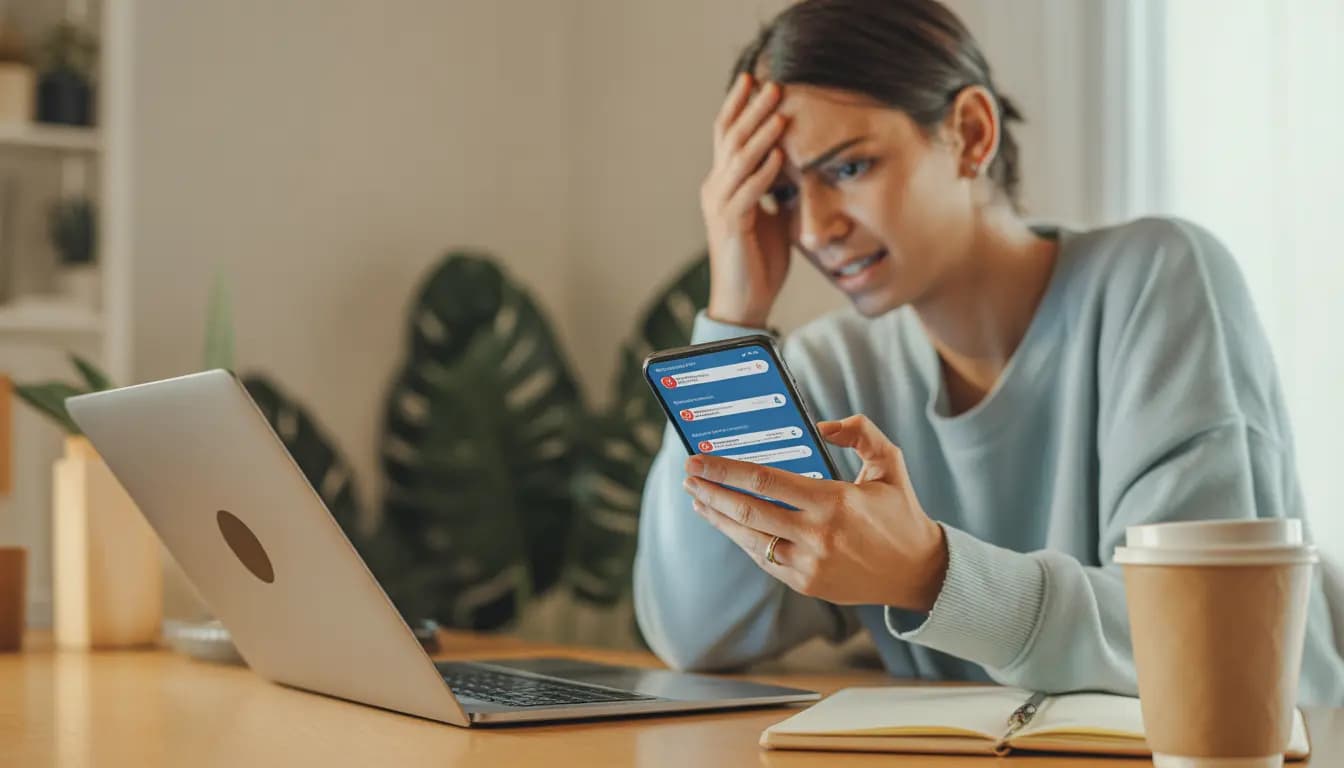
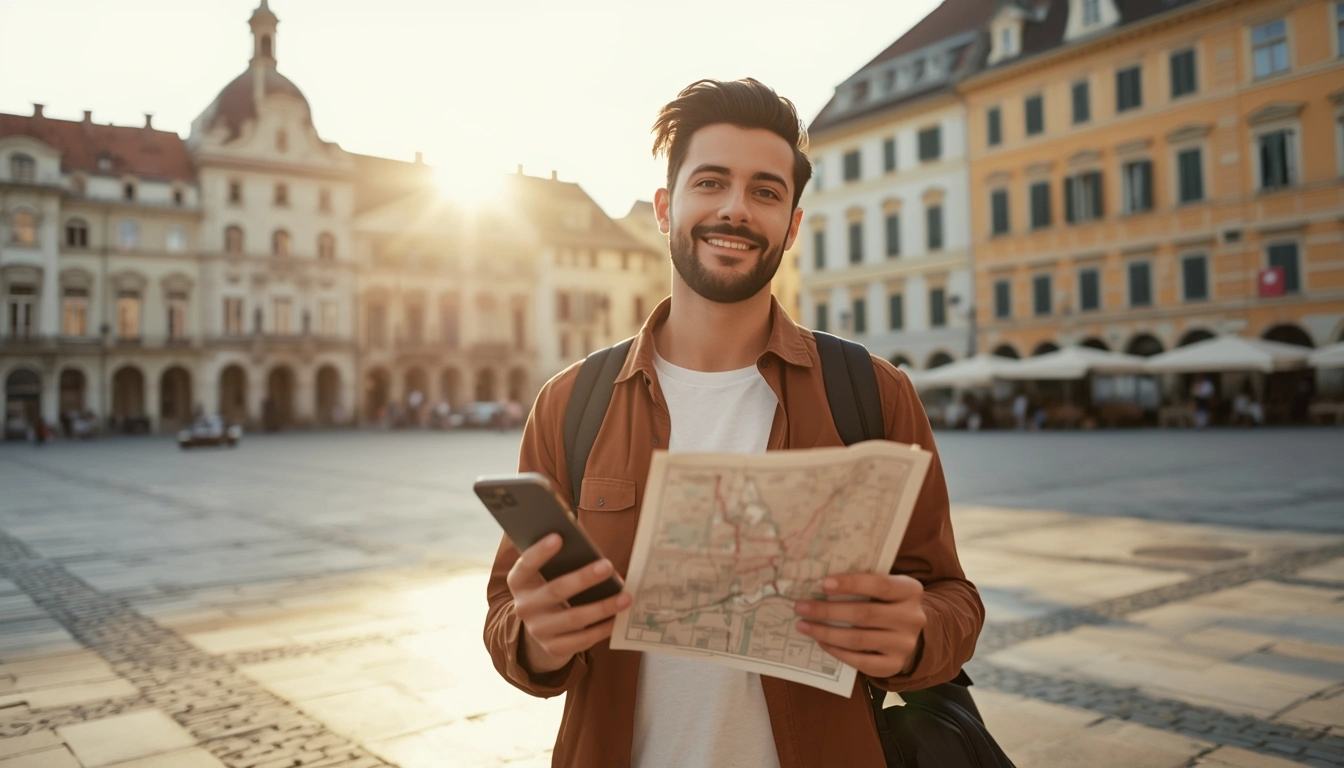
You’ve just landed in a dream city maybe Prague, Lisbon, or Rome. Your itinerary is full of promise, but after one expensive dinner and a couple of airport coffees, your “leisure budget” already feels thinner than expected. Do you wander the streets alone with a confusing map, or pay $50 for a generic bus tour you’ll barely remember?
There’s a third option that both seasoned travelers and budget-conscious explorers quietly rely on: the “Free Tour” economy. It’s a growing global system where cultural depth isn’t tied to an upfront price tag, and meaningful experiences are accessible regardless of how much you spend.
This guide breaks down how free walking tours really work, how the pay-what-you-want model benefits both travelers and guides, and how these tours can become a foundation for a more intentional, less stressful way of traveling—one where smart spending tools, discounts, and deals support your lifestyle rather than control it.
Decoding the “Free” Business Model: How It Really Works
At first glance, free walking tours sound too good to be true. A knowledgeable local guide, a curated route, and no ticket price? The reality is more nuanced—and more ethical—than many people expect.
The Pay-What-You-Feel Philosophy
Free walking tours operate on a simple idea: guides earn based on how much value you feel you received. Instead of being paid a fixed hourly wage, guides rely on tips at the end of the tour.
This changes the dynamic entirely. When income depends on satisfaction, guides are often more engaging, more honest, and more invested in storytelling. You’re not just another ticket number—you’re the reason they get paid.
The Platform Side of “Free”
Most free walking tours are listed on large booking platforms. While you don’t pay upfront, guides often pay a small booking fee per attendee to these platforms. That’s why showing up (or canceling if you can’t) matters—it directly affects a guide’s income.
The “Taster” Effect
For many guides, free tours are an introduction. They showcase their personality and expertise, then offer optional paid experiences later, such as food tours or niche history walks. You’re never obligated—but it’s a low-risk way to discover something you might genuinely want to invest in.
Lifestyle takeaway: Approach free walking tours as a value-first experience, not a “cheap” one. Conscious consumption means paying fairly for what actually enriched your day.
The Tipping Guide: Etiquette for the Conscious Traveler
One of the biggest questions people ask is: How much do you tip for a free walking tour? The answer depends on where you are, how long the tour was, and—most importantly—what it was worth to you.
General Tipping Benchmarks (2025)
In Western Europe and the USA, travelers typically tip around €10–€20 ($12–$22) per person for a free walking tour, depending on the length and quality of the experience. In Eastern Europe and Latin America, a more common range is €5–€10 ($6–$11), reflecting local costs of living. In Southeast Asia, tips are usually lower—around $5–$8 equivalent—though tipping customs can vary widely by country. These amounts aren’t strict rules, but practical reference points meant to reduce uncertainty and help you tip comfortably and confidently.
The Small-Change Strategy
Always carry small bills. It avoids awkward moments and lets you tip exactly what feels right. It’s a small habit that reduces friction and stress—something intentional travelers value.
Non-Monetary Support Still Counts
A thoughtful 5-star review on Google or TripAdvisor can significantly impact a guide’s future bookings. If your budget is tight, written feedback and recommendations are meaningful forms of support.
Smart savings angle: Many travelers use cashback from flight or hotel bookings to create a “tipping buffer.” That money doesn’t feel like it’s coming from your daily spending—and it keeps generosity comfortable, not stressful.
Free Walking Tours vs. Paid Tours: Finding Your Best Return on Time
Not all tours serve the same purpose. The key is choosing based on energy, interest, and intention, not just price.
Where Free Walking Tours Shine
- Broad overviews of a city’s history
- Social, lively group environments
- Flexibility—you can leave early if it’s not for you
When Paid Tours Make Sense
- Smaller group sizes and deeper discussion
- Specialized topics like street art, food culture, or WWII history
- Slower pacing and more personal interaction
With a free walking tour, your financial risk is low. If the guide’s style doesn’t resonate, you’ve lost nothing but a bit of time. With a paid tour, you’re buying certainty and focus.
Lifestyle lens: Choose free tours when you’re curious and energetic. Choose paid ones when you want depth and calm. Balance is the goal—not constant saving.
The Digital Guide: Best Free Walking Tour Apps in 2025

Technology has made finding quality tours easier than ever—whether you want a live guide or a quiet, self-paced experience.
Popular Live Tour Platforms
- GuruWalk & Freetour.com: Global coverage, real reviews, and local guides.
- Local tourism apps: Often highlight free things to do in major cities.
Self-Guided Options for Solo Travelers
- VoiceMap: GPS-triggered audio tours—perfect for introverts.
- SmartGuide: AI-powered guides in thousands of destinations.
- Google Maps hacks: Save pins, download offline maps, and create your own walking route.
Some apps occasionally offer first-time user discounts or bundled credits for audio guides. These small deals can turn a paid experience into a low-cost luxury without guilt.
The “Guide Hack”: How to Save Even More After the Tour Ends
The most valuable part of a free walking tour often happens after the official goodbye. This is when guides are no longer following a script and are happy to share practical, local knowledge that doesn’t show up in guidebooks. Local guides know where to find genuinely affordable meals, which museums offer free entry days, and which bars have the best happy-hour value without tourist markups. Simply asking a question like, “Where would you eat lunch today?” can lead you to places that feel more authentic—and cost far less—than anything you’d find on your own. In many cases, this single tip can save you more money (and disappointment) than skipping the tour altogether.
Real-World Example
In Barcelona, a guide might point you toward a €12 menu del día that locals love—saving you from a €30 tourist meal on Las Ramblas that offers less flavor and less comfort.
Deal-smart habit: Combine local advice with a quick scan of dining or attraction deals online. When tips and discounts work together, your travel days feel fuller, not tighter.

Conclusion
Mastering the free tour economy isn’t just about spending less—it’s about traveling differently. You move from being a passive consumer of overpriced experiences to an active participant in local culture.
Free walking tours support independent guides, encourage movement and curiosity, and create space in your budget for what truly matters. When paired with mindful tipping and smart deal-hunting, they become part of a lifestyle that values comfort, connection, and calm over constant spending.
With comfortable shoes, a bit of curiosity, and a few euros set aside intentionally, the world’s cities are ready to tell you their stories—no luxury budget required.
FAQ
Is it rude to leave a free walking tour early?
Not if you do so quietly; tipping for the portion you stayed is appreciated.
What if I truly can’t afford to tip?
Leave a detailed review or look for volunteer-based city greeter programs.
Do I need to book free walking tours in advance?
Yes booking is recommended in 2025 due to group size limits and updates.
What should I bring on a walking tour?
Comfortable shoes, water, small cash for tips, and weather protection.