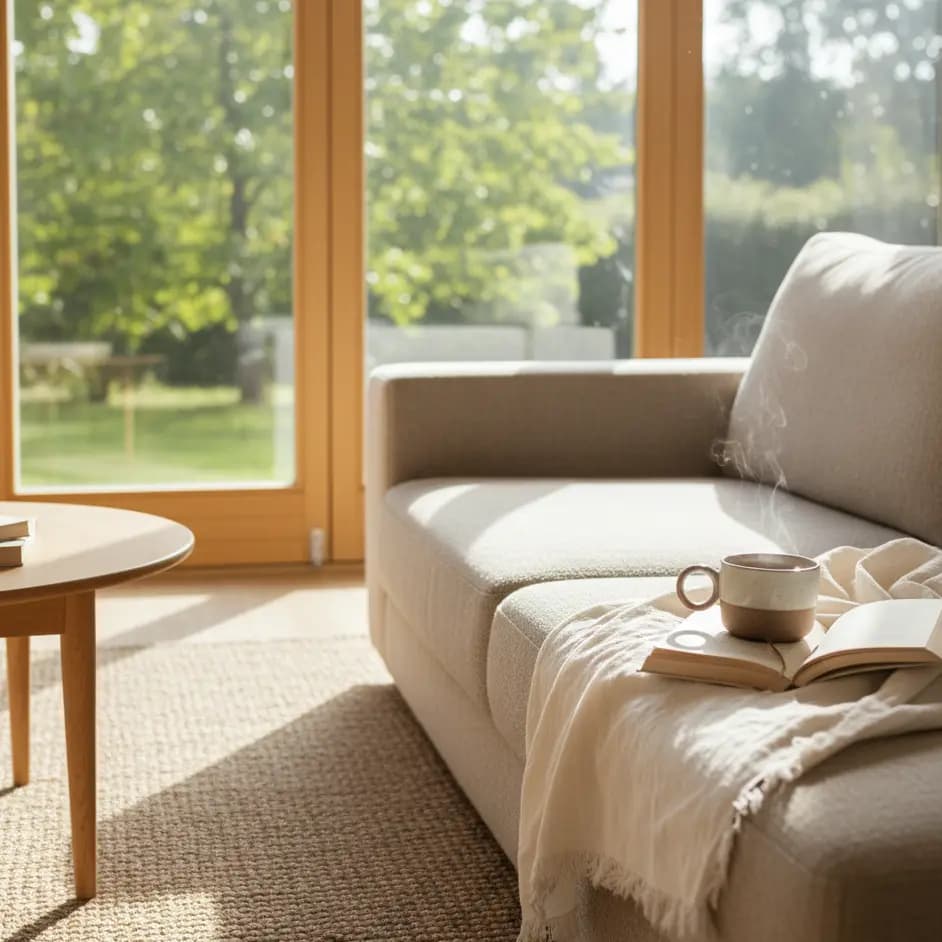
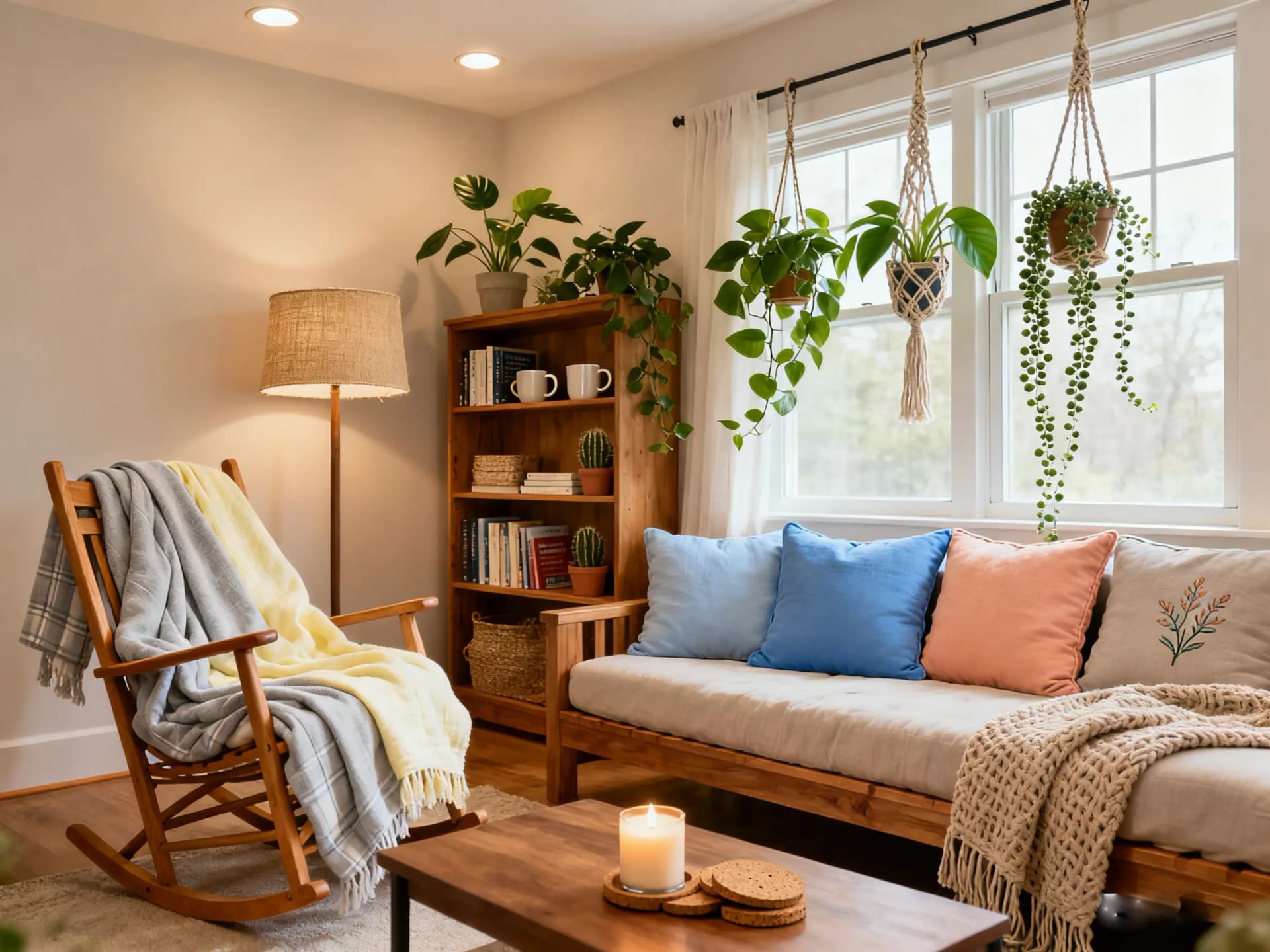
Have you ever felt unusually tired, restless, or uninspired at home—even though nothing is obviously wrong? Your furniture is fine. Your décor hasn’t changed. Yet the space just doesn’t feel comforting anymore. For many people, this quiet discomfort shows up at night as poor sleep or during the day as low energy and constant fatigue.
One overlooked reason is lighting. Not clutter. Not color palettes. Just light.
The good news is that improving how your home feels doesn’t require redecorating, buying new furniture, or spending heavily on upgrades. Small, intentional lighting changes can significantly improve mood, sleep, and daily comfort. Smart bulbs, dimmers, and LED strips make it easier than ever to adjust lighting to match real life—and they’re far more affordable than most people assume, especially when you shop thoughtfully and look out for smart home lighting deals online.
This guide explores how lighting works as a form of mood therapy, how it fits naturally into daily routines, and how to upgrade your space in a budget-conscious, stress-free way.
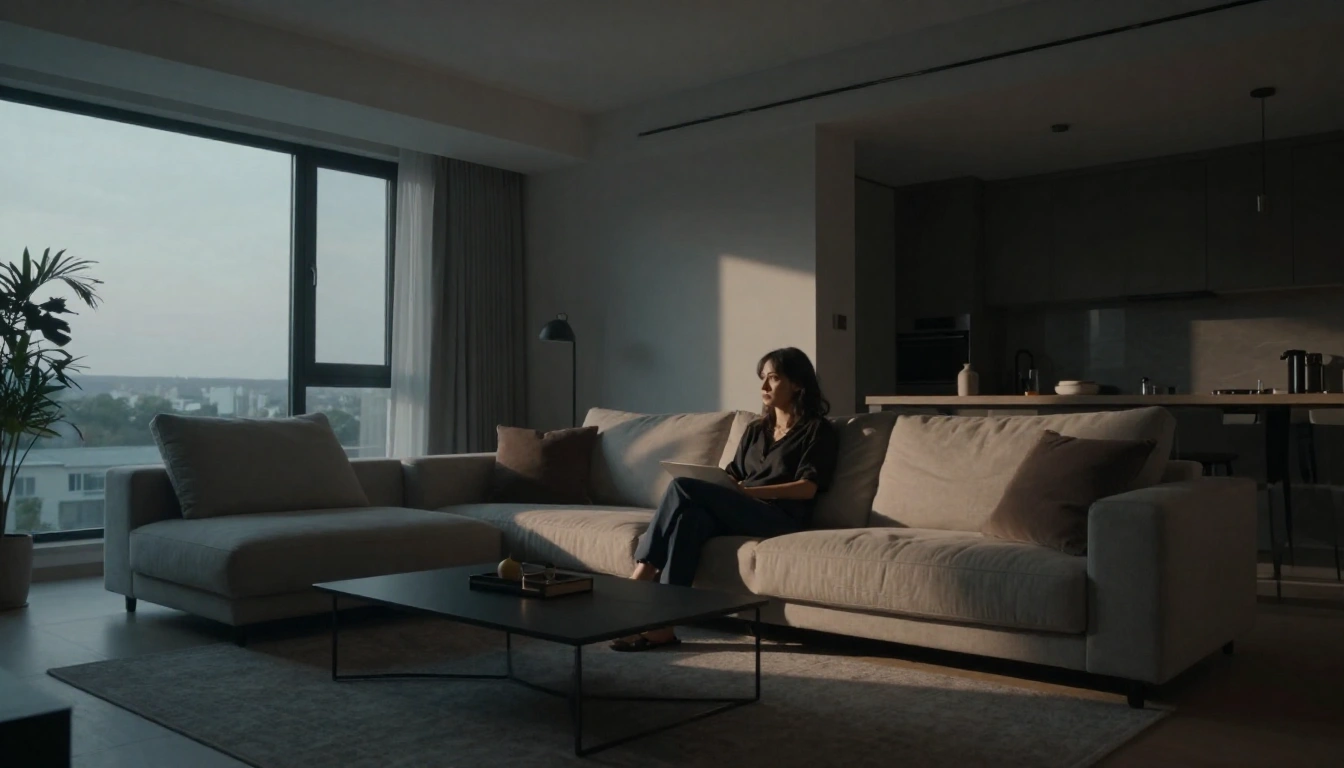
How Lighting Influences Mood, Sleep, and Daily Energy
Light doesn’t just help us see—it affects how we feel. Exposure to certain types of light can make us feel calm, alert, anxious, or exhausted without us realizing why.
Bright, cool lighting tends to stimulate the brain. It’s useful during work hours but overwhelming at night. Soft, warm lighting signals relaxation and safety, helping the body slow down. When lighting doesn’t align with what your body needs at different times of day, problems begin to surface.
Many homes rely heavily on overhead lights that are too bright, too harsh, and used at all hours. This can cause eye strain, headaches, and mental fatigue Zalewski et al., 2019. In the evening, strong lighting—especially cool white or blue-toned light—can disrupt sleep cycles by delaying the body’s natural release of melatonin.
When viewed through a lifestyle lens, lighting becomes part of wellness rather than décor. Adjusting your lighting setup is often cheaper and more effective than buying decorative items that don’t solve the root problem. A few lighting changes can calm a space far more effectively than a full room makeover.
Understanding Circadian Rhythm and Smart Lighting Basics
Your circadian rhythm is your body’s internal clock. It responds primarily to light and darkness, guiding when you feel awake and when you feel sleepy. Ideally, bright light supports alertness during the day, while dim, warm light prepares the body for rest at night.
Traditional lighting doesn’t adapt to this rhythm. One switch controls everything, regardless of the time or activity. Smart lighting changes that by allowing you to adjust brightness and color temperature throughout the day.
In the morning, slightly brighter, neutral-to-cool light helps you wake up naturally. During the afternoon, balanced lighting supports focus without overstimulation. In the evening, warm and dim lighting signals your body to slow down.
Smart bulbs and dimmers make these transitions easy and automatic. Many entry-level options now offer basic scheduling and brightness control at accessible prices. If you keep an eye on online stores during seasonal sales or home refresh periods, you’ll often find discounted smart lighting products that work just as well as premium versions.
Morning vs Evening Lighting:
One of the biggest benefits of smart lighting is how seamlessly it fits into daily routines.
Morning Lighting
In the morning, light should gently energize you. Instead of flipping on a harsh overhead light, softer smart bulbs can gradually brighten your room. This supports focus and motivation without shock to the senses—especially helpful if mornings feel rushed or groggy.
Evening Lighting
In the evening, the goal shifts. Lighting should calm the nervous system. Warm, low-level lighting in the living room or bedroom encourages relaxation and better sleep. This is especially important if you spend evenings on screens, which already expose you to stimulating blue light.
You don’t need to automate your entire home to feel the difference. Starting with one or two key rooms—like the bedroom or living area—is often enough to noticeably improve how your home feels throughout the day.
Smart Bulbs vs Smart Dimmers:
When people think about smart lighting, they often assume it’s complicated or expensive. In reality, there are two simple entry points: smart bulbs and smart dimmers.
Smart Bulbs
Smart bulbs are ideal for lamps and smaller spaces. They allow you to adjust brightness and color temperature directly from an app. They’re especially useful in bedrooms, bedside lamps, and desk lighting. Renters often prefer them because they don’t require permanent installation.
Smart Dimmers
Smart dimmers work well for overhead lighting. One dimmer can control multiple bulbs at once, making it a practical option for living rooms or dining areas. Dimmers are excellent for creating ambiance without replacing every bulb in a fixture.
Your choice depends on your space, budget, and living situation. Many shoppers save money by purchasing multi-bulb packs or waiting for seasonal lighting sales. Older models often offer the same core functionality as newer versions at a lower price, making them a smart value choice.
Using LED Strip Lights for Affordable Mood Transformation
LED strip lights are one of the most budget-friendly ways to transform a space emotionally. They’re inexpensive, flexible, and surprisingly effective.
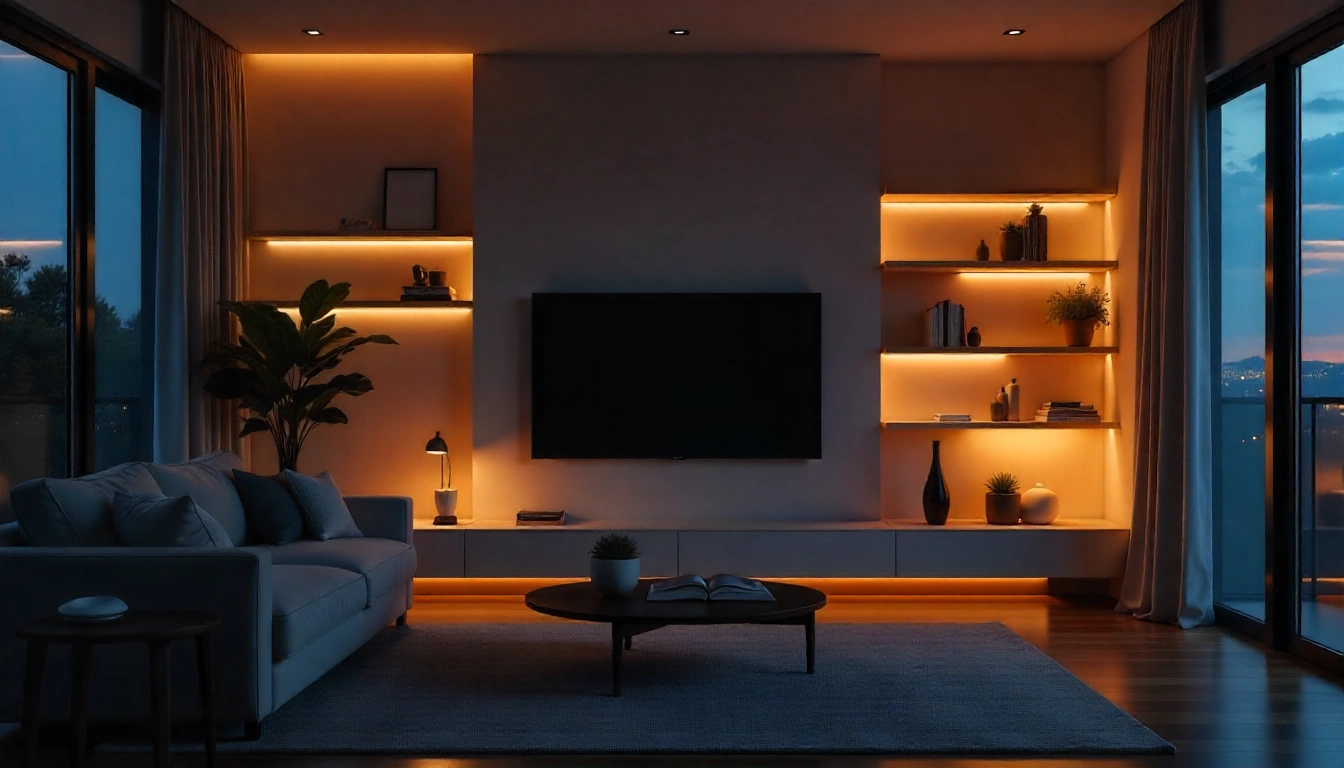
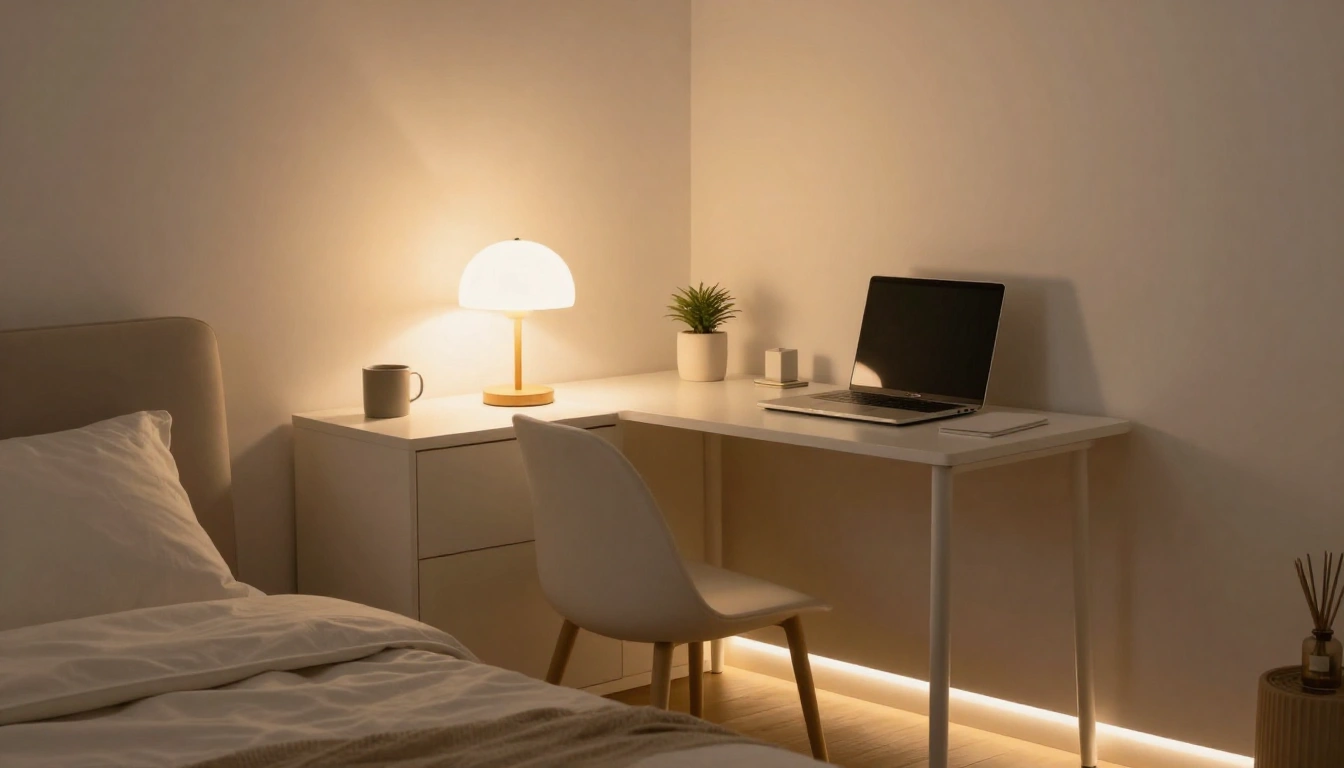
Placed behind a TV, LED strips reduce eye strain and soften harsh contrast. Under a bed, they provide gentle night lighting without waking you fully. On shelves or cabinets, they add depth and warmth without cluttering surfaces.
Because LED strips are lightweight and easy to install, they’re popular with renters and small-space dwellers. They create atmosphere without requiring permanent changes.
From a savings perspective, LED strips are often included in home décor sales or bundled with other lighting products online. Watching for these bundles can make them an easy, low-risk upgrade that delivers immediate results.
Budget-Friendly Smart Lighting Setup:
Improving lighting doesn’t mean doing everything at once. A room-by-room approach keeps costs manageable and ensures upgrades align with real needs.
Bedroom
In the bedroom, focus on sleep. Warm smart bulbs in bedside lamps and soft LED strips under the bed create a calming environment that supports rest.
Living Room
In the living room, flexibility matters. A smart dimmer paired with ambient lighting allows the space to shift from active daytime use to relaxed evenings without effort.
Home Office
For a home office, prioritize eye comfort and focus. Neutral lighting during work hours reduces strain and helps maintain productivity.
Small Apartments
Small apartments benefit from minimal upgrades. One smart bulb and one LED strip can dramatically change how a compact space feels. Comparing prices across platforms and waiting for home refresh sales helps stretch your budget further.
Energy Savings and the Long-Term Cost Benefits of Smart Lighting
Smart lighting doesn’t just improve mood—it reduces waste. LED bulbs consume significantly less energy than traditional bulbs. Dimming lights lowers electricity usage even further. Scheduling ensures lights aren’t left on unnecessarily.
Over time, these small efficiencies add up to noticeable savings on electricity bills. This is where smart lighting quietly pays for itself.
Instead of viewing smart lighting as a splurge, it’s more accurate to see it as a long-term investment in comfort and efficiency. The upfront cost is often offset by reduced energy use, making smart home lighting deals even more valuable than they appear at first glance.
How to Shop Smart for Smart Home Lighting Deals
Finding value isn’t about chasing every discount—it’s about timing and intention.
Smart home lighting deals often appear during seasonal home refresh periods, year-end sales, and holiday promotions. Bundles typically offer better value than single-item purchases. Older models with the same core features are often discounted when new versions launch.
The most important habit is avoiding impulse buying. Start by identifying which room and routine you want to improve. Then look for lighting that supports that goal. Price comparison tools and deal discovery platforms can help you spot genuine value without pressure.
Simple DIY Lighting Habits That Improve Wellbeing
You don’t need new products to improve lighting habits.
Layered lighting—using multiple light sources instead of one overhead fixture—creates comfort and flexibility. Consistently using warm light at night helps the body relax. Automating lighting routines reduces decision fatigue and supports consistency.
These habits also support sustainability. Using less energy and replacing bulbs less often reduces waste, aligning comfort with conscious consumption.
Conclusion:
Lighting shapes how we experience our homes more than we realize. It affects mood, sleep, focus, and emotional comfort every day. The encouraging truth is that improving lighting doesn’t require overspending or constant upgrades.
Smart bulbs, dimmers, and LED strips offer affordable ways to align your space with your lifestyle. When chosen intentionally—and purchased thoughtfully through smart home lighting deals—these tools become quiet supporters of better living.
Start small. Pay attention to how light makes you feel. Let savings work in the background while comfort takes center stage. A calmer, more supportive home is often just one light switch away.
Frequently Asked Questions
Does lighting really affect sleep quality?
Yes, light temperature and timing directly influence sleep cycles.
Are smart bulbs worth it for renters?
Yes, they’re portable and don’t require permanent installation.
What’s the cheapest way to improve home lighting?
LED strips and warm smart bulbs offer high impact at low cost.
Is smart lighting expensive to run?
No, LED smart lighting is typically more energy-efficient than traditional bulbs.
How many smart lights do I need to start?
One or two in key rooms is enough to notice a difference.