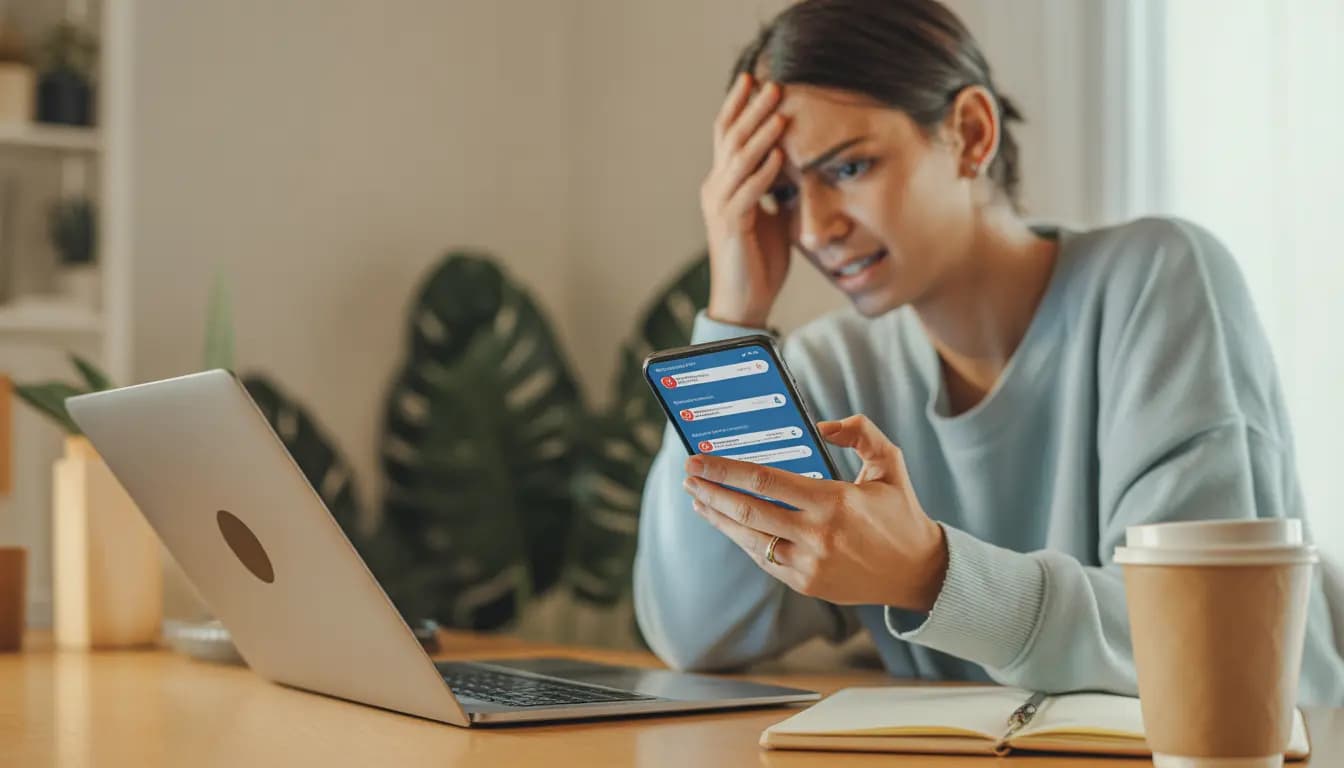
It usually starts at the airport check-in counter. You’re already tired, your bag feels heavier than it did at home, and suddenly you’re told there’s an extra fee—one you didn’t plan for. Surprise baggage charges, awkward repacking on the floor, and the stress of juggling too much stuff have become common travel frustrations, especially as airlines tighten their rules.
But packing light isn’t just a travel “hack” or a minimalist challenge. It’s a financial and lifestyle strategy—one that helps you spend less, move more freely, and travel with confidence instead of anxiety.
The reassuring truth? Traveling comfortably doesn’t require buying more gear or sacrificing ease. With the right approach—and the right personal item travel bag—you can avoid fees, reduce stress, and make more intentional buying decisions that pay off long after the trip ends.
In this guide, you’ll learn how personal item travel bags support fee-free travel, how to pack smarter without feeling restricted, and how thoughtful choices can save you money in the long run—without turning travel into a test of endurance.
Why Packing Light Saves Money Beyond Airline Fees
The cost associated with carrying excess luggage is clearly evident in airline baggage charges. However, there are other costs involved as well. The use of overweight and oversize luggage creates a domino effect, and the consequence is a lot of hidden charges.
When luggage is overstuffed or when there’s oversized luggage, one normally ends up buying duplicate luggage upon arrival because of the difficulty in searching for items in the luggage, or because of the extra cost incurred in having luggage that is difficult to haul along, or because the luggage gets worn out.
There is also a lifestyle cost associated with it. It becomes difficult to move around with heavy bags, and it becomes a stressful task to even travel to your accommodation due to their effects on mobility; such is the impact of heavy bags on one’s lifestyle.
It just makes sense that living with intention related to our belongings means packing lightly. Packing light encourages you to prioritize what you actually need as opposed to what you might need just in case. The end result? Reduced clutter in your life as well as a reduced-stress travel experience.
On saving grounds alone, traveling light means less resort to last-minute solutions such as upgrading your bags or storing them at a fee or making impulse buys from Airport shops. More often than not, saving can be achieved by working on habits that eliminate unnecessary expenditures from the very beginning.

What Counts as a Personal Item Travel Bag
Personal item carry-on bags are, essentially, any bag that can fit below the seat in front of a traveler. Contrary to carry-on bags, which are commonly put in overhead compartments and, in some cases, have certain limitations associated with them, personal items are carried along in a manner that supports a convenient traveling experience.
Although specific dimensions may differ, the typical characteristics of personal luggage include the fact that it is small but agile, soft-sided instead of hard, and easily compressible to fit under a seat.
Often, it’s not the mere size of the luggage that puts the traveler in a bind, but its ability to be somewhat overstuffed or too stiff. Too stiff or box-like, or with hard corners, it very well might squeeze past the maximum allowable limits, causing unexpected charges at the gate. Another problem: not thinking about how it will fit under the seat, even if it appears compact, due to its height and stiffness.
It’s not just about compliance; it’s also about travel predictability. When your carry-on meets criteria, it takes one of the stressors out of travel—the cost factor related to this particular item. In fact, understanding how to pack your bag well takes care of more expense and stress issues than trying to book at the last minute on travel websites and travel upgrades.
Personal Item Travel Bags as a Smart Lifestyle Choice
Among the most valuable paradigm shifts that need to happen is the recognition that personal item travel bags are more about multi-purpose tools that enhance your lifestyle on a daily basis as opposed to using travel bags that are strictly purpose-built travel accessories.
A good bag will flow effortlessly between short jaunts, weekend vacations, commutes, or even activities involving health or chores, such as the gym or doing errands.
Such flexibility promotes mindful consuming. Instead of holding a heap of bags for varied uses, you actually reach for one and help it to multitask. The more you reduce and the longer you keep what you have, the better off you will be.
Regarding savings, this method of using a bag cuts the cost of replacement and also works towards suppressing the effects of impulse purchases. Using the same bag as a travel bag, a fitness bag, and a functional office bag simultaneously goes to the fact that one bag performs the functions of three different bags. Even while making an online purchase, you can wait for the sales, thereby optimizing your bag.

How to Pack a Personal Item Like a Pro
Packing light isn’t about deprivation—it’s about strategy. The most effective approach borrows from capsule wardrobe principles, which focus on flexibility and coordination.
Start with clothing:
- Choose neutral colors that mix and match easily
- Layer instead of packing bulky items
- Prioritize fabrics that work in multiple settings
Multi-use essentials make a huge difference. Clothing that transitions from day to night, toiletries that serve more than one purpose, and accessories that elevate simple outfits all help reduce volume without sacrificing comfort.
Packing techniques matter too. Rolling clothes often saves space and reduces wrinkles, while soft pouches adapt better to tight spaces than rigid organizers. These small choices make it easier for your bag to fit under the seat without resistance.
One underrated benefit of packing this way is reduced decision fatigue. With fewer items, it’s easier to get dressed, stay organized, and enjoy the trip instead of constantly managing your belongings. Financially, fewer items also mean fewer opportunities for impulse buys—especially those “emergency” purchases that aren’t actually necessary.
Best Types of Personal Item Travel Bags for Budget Travelers
There’s no single “best” personal item bag, but certain types tend to work especially well for budget-conscious travelers.
Backpacks are popular for good reason. They offer hands-free convenience, distribute weight evenly, and are easy to navigate through airports or public transport. When choosing one, flexibility and lightweight materials matter more than extra compartments.
Totes offer quick access and can double as everyday bags. They’re especially useful if you want something that transitions easily from travel to daily life. Look for sturdy handles and soft sides that allow the bag to compress when needed.
Duffels are often overlooked but can be excellent personal items. Their flexible shape makes them easier to fit under seats, and they typically hold more than structured bags of the same size.
Across all styles, soft-sided bags usually outperform structured ones when it comes to fee-free travel. Flexibility allows you to adjust your load and avoid rigid dimensions that trigger issues at boarding.
When shopping, focusing on features rather than brand names helps keep costs down. Comparing options across online stores—and checking reviews for real-world use—often reveals affordable choices that perform just as well as higher-priced alternatives.
Features Worth Paying For
A travel bag is not totally made up of features that offer true value for your money. Knowing what is worth paying for can ensure you do not end up paying for unnecessary features.
Weight-reducing materials, strong zips that survive the midpoint of the journey, or straps that are pleasant to carry with are types of traits that often have a positive payoff. Conversely, the following types of characteristics often impact the overall cost of the backpack without providing much of a positive payoff: too many pockets to make organization confusing, a heavy frame that eats into cargo space, or designs that are currently “in” but will soon be “out”.
One way to go about this is to consider a cost-per-use attitude. Sometimes, it is better to pay a higher price if it results in frequent use of a particular bag. However, it is unnecessary to incur additional costs if it is unnecessary for functionality.
Timing is also something that could be in your favor. You could wait for when they are on sale because of the season or when the stores are not so busy, and this will give you a chance to acquire a higher-quality bag.
When Buying a New Personal Item Bag Makes Financial Sense
Sometimes, an investment in travel gear will pay for itself in saved money—but only in a planned way. Perhaps your bag is breaking the bank in ways you’ve never considered if you’re watching repeated baggage fees, experiencing physical limitations of use, or maintaining it.
A new personal item bag could be a great buy, especially if one is a frequent traveler, uses budget airlines, and wants one bag to serve multiple purposes throughout his/her life. Before taking the decision to buy, one should consider the following things in their purchasing checklist: Will I be replacing more than one of my bags with this one? Can I adapt it to suit different purposes? Does this bag suit the way I travel?
But when it comes to actually making a purchase, that’s where savings tools can play their greatest role. Checking for discounts, looking for when prices drop or cash back rewards can help pay for or offset part of it without making discounts your purchasing motive.
Smart Ways to Save on Personal Item Travel Bags
It’s far more important to consider timing and tactics than to see which brands offer the lowest prices on their travel water bottles. Some of the most opportunistic instances for shopping would be at transition seasons when retailers clean house by removing inventory, back to school sales when backpacks and totes can be easily purchased, or holiday sales that stretch far beyond travel accessories.
Shopping habits on the internet also matter greatly. You might compare prices on different platforms, prioritize real comments over brands, and avoid what is labeled as ‘must-have’ travel marketing to ensure your purchases remain down-to-earth and functional.
Some common impulse buys snuck in under the guise of travel necessities. Taking a minute to pause at the register and question whether it supports your habit stops pointless clutter and overspending. By design, sales tools work together to build good behavior in order to encourage good spending.

Conclusion
Packing light isn’t about restriction—it’s about freedom. When you approach travel with intention, personal item travel bags become tools for financial clarity, comfort, and calm rather than sources of stress.
Fee-free travel comes from preparation, not sacrifice. By rethinking what you carry, choosing versatile items, and buying less but better, you create experiences that feel lighter in every sense of the word.
Smart choices—not more spending—lead to better travel. With the right habits, you can move confidently, spend thoughtfully, and enjoy the journey without the weight of unnecessary costs holding you back.
FAQ
What is considered a personal item on most flights?
Generally, a bag that fits under the seat without assistance.
Can a backpack count as a personal item travel bag?
Yes, if it meets size and flexibility expectations.
Is traveling with only a personal item realistic?
With planning and multi-use packing, it often is.
Are personal item travel bags worth buying?
They can be, especially when they replace multiple bags over time.