Between the rising cost of living and the sheer exhaustion of a 9-to-5 schedule,the traditional gym membership is starting to feel more like a burden than a benefit. We’ve all been there: paying $60 a month for a facility we only visit twice, or spending forty minutes in traffic just to find that every squat rack is taken.
The truth is, professional-level fitness doesn’t require a sea of chrome machinery or a high-end club pass. By shifting your mindset from "going to the gym" to "building a routine," you can transform even the smallest corner of your home into a high-performance wellness sanctuary. Here is how to master your home fitness routine using budget home gym gear that delivers results without the financial strain.
Why Home Workouts Can Be More Effective Than the Gym
While gyms offer variety, they also offer distractions. Transitioning to a home fitness routine is often the most intentional choice you can make for your health.
Zero Commute, Maximum Consistency
When your "gym" is ten steps from your bed, the "I don't have time" excuse disappears. You reclaim the 30–60 minutes usually spent driving and parking.
A Judgment-Free Zone
Home provides a private environment where you can focus on form and breath rather than gym crowds or loud music.
Customized Environment
You control the temperature, the music, and the cleanliness.
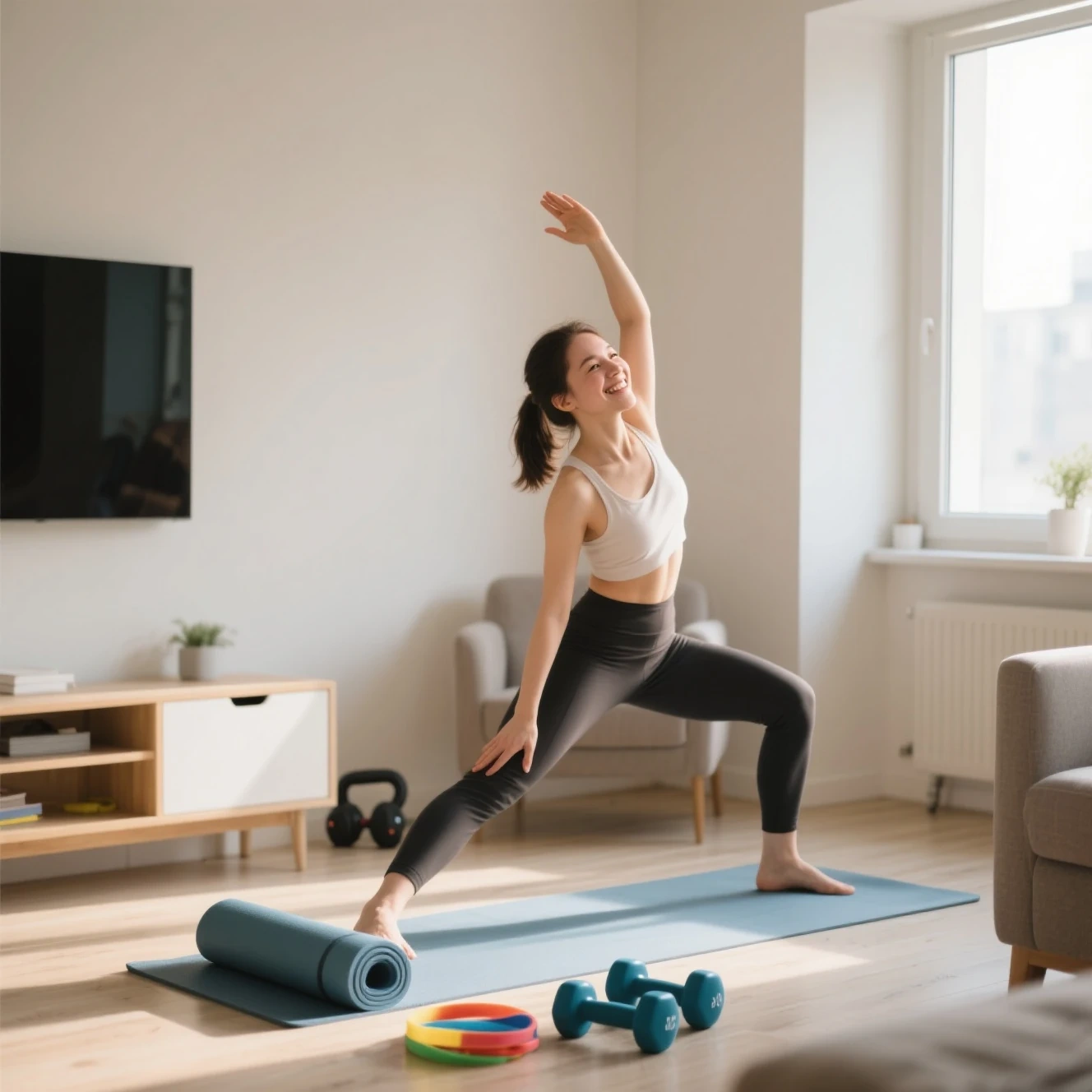
Lifestyle Tip: Create a "designated zone." Even if it’s just unrolling a mat in the living room, having a consistent physical space helps trigger daily exercise habits by signaling to your brain that it’s time to move.
Smart Saver Note: Before buying anything new, look for high-quality mats and basic equipment on major retail sites. Often, "Open Box" items or "Used-Like New" listings offer professional-grade gear for 40% less.
Essential Budget Home Gym Gear for Every Home
Building a home gym shouldn't feel like a major capital expense. The goal is to choose "multi-functional" tools that serve dozens of purposes.
The Foundation
A high-density yoga mat provides the grip and cushioning needed for everything from HIIT to stretching.
Resistance Bands
These are the ultimate "gym killer." They provide constant tension similar to expensive cable machines but can fit in a desk drawer.
Adjustable Dumbbells or Kettlebells
Instead of a full rack, a single pair of adjustable weights covers your needs as you get stronger.
Stability Balls
Excellent for core engagement and doubling as an ergonomic desk chair.
Maintenance Tip: To extend the life of your home gym essentials on a budget, keep latex bands away from direct sunlight (which causes brittleness) and wipe down your mat after every session to prevent material breakdown.
Resistance Band Workouts: Full-Body Fitness on a Budget
If you only buy one thing, make it a set of resistance bands. They are the cornerstone of resistance band workouts at home because they adapt to any fitness level.
Upper Body
Lateral raises and bicep curls are seamless with loop bands.
Lower Body
Place a "glute band" above your knees during squats to activate more muscle fibers.
Core
Anchor a long band to a sturdy door handle for "Paloff presses" to build rock-solid stability.
Deals Integration: Resistance bands are frequently sold in sets with multiple tension levels. Look for seasonal discounts typically around New Year's or early summer where these sets are often bundled with "door anchors" for no extra cost.
How to Start a Home Gym With Under $100
Many people think a home gym is something to set up “someday” when they have extra money. The truth is, you can create a professional-grade setup for under $100 by focusing on versatile, multi-purpose equipment.
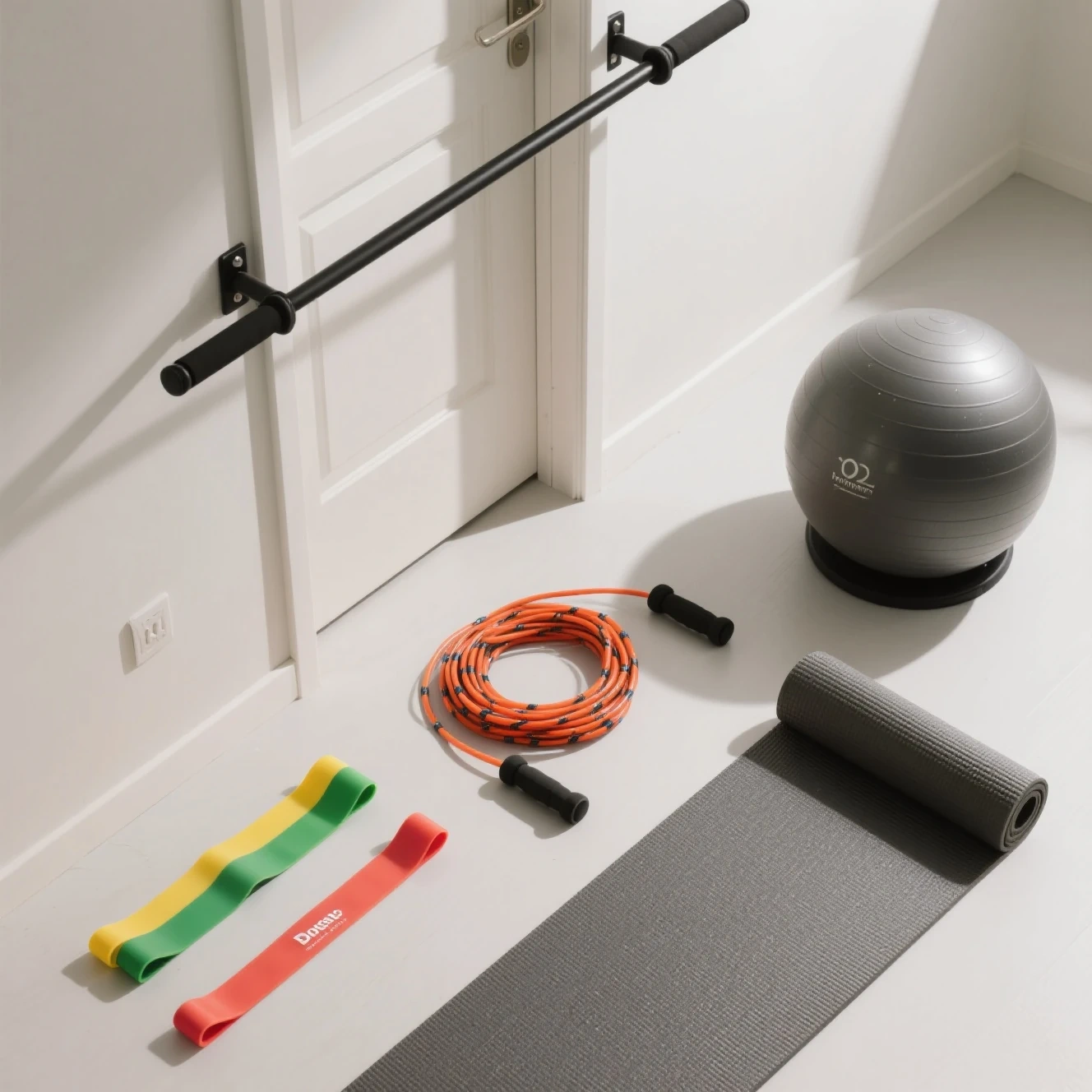
For example, a set of five resistance bands ($20–$30) can cover strength training and toning, while a high-density mat ($15–$25) ensures safety and comfort for floor exercises. A jump rope ($10–$15) adds high-intensity cardio, and a doorway pull-up bar ($25–$30) helps build upper body strength. Altogether, you can have a complete, full-body setup for roughly $70–$100.
To make your budget stretch even further, consider using cashback tools or browser extensions when shopping online. These often uncover hidden promo codes that can knock an extra $10–$15 off your total bringing your home gym cost down to the price of just one month at a traditional gym.
Small Apartment Solutions: Maximizing Limited Space
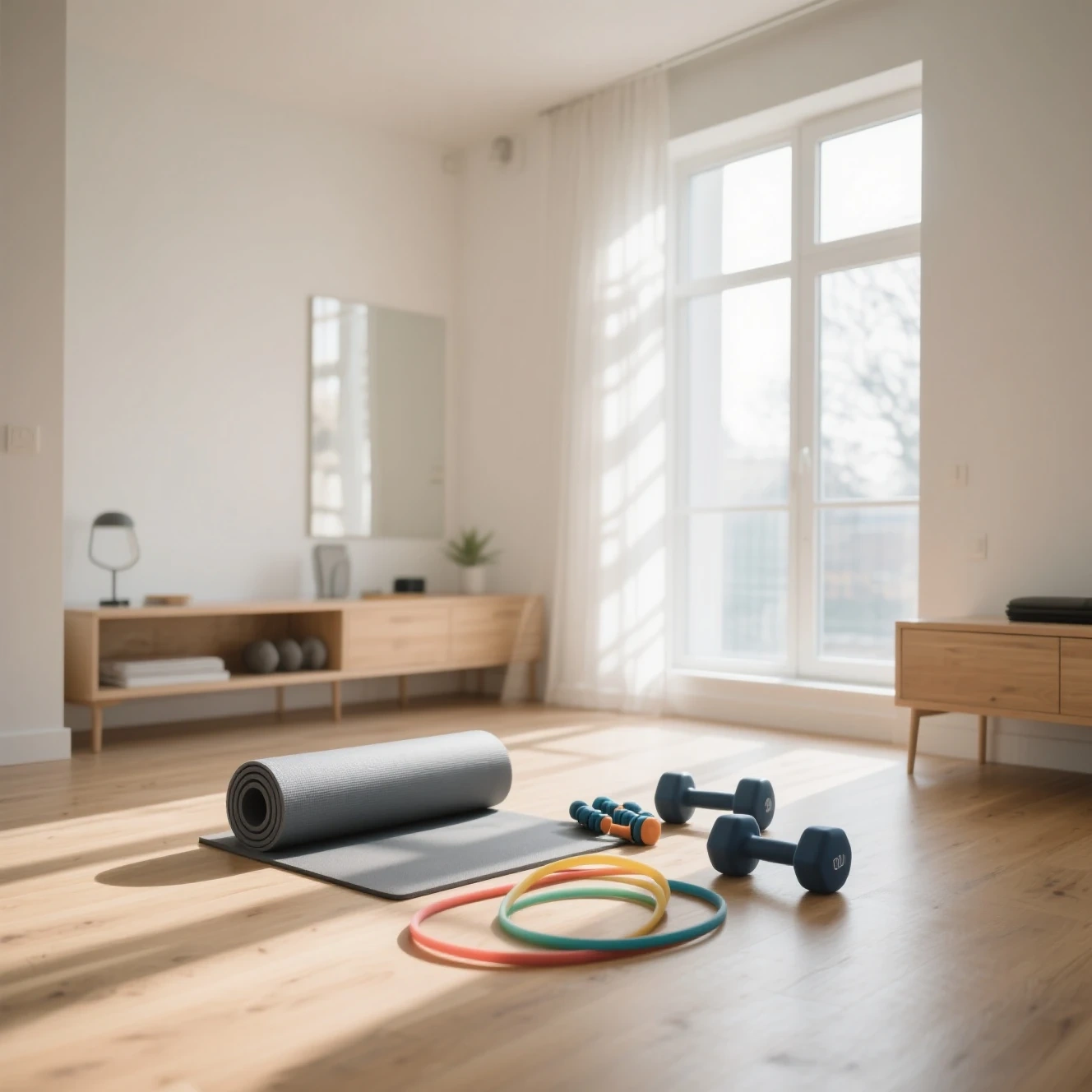
Living in a studio apartment shouldn't stop your progress. The best budget home gym equipment for small apartments is gear that "disappears" when you aren't using it.
Foldable Gear
Look for folding benches or collapsible cardio equipment that slides under a bed.
The "Invisible" Gym
Use your own body weight. Suspension trainers (like TRX alternatives) can be looped over a door and unclipped in seconds.
Vertical Storage
Use wall-mounted hooks to hang your bands and mats, turning your gear into "industrial chic" decor rather than floor clutter.
Building a Daily Home Fitness Routine
Gear is the tool, but the routine is the engine. To make daily exercise habits stick, simplicity is your best friend.
Start Small
Commit to just 15 minutes a day. It is easier to talk yourself into 15 minutes than an hour.
Stack Your Habits
Work out immediately after a specific daily event, like finishing your morning coffee or ending your final work call.
Track Your Wins
Use a simple journal or a free app to log your workouts. Seeing a "streak" of days is a powerful psychological motivator.
Pro-Tip: Many premium fitness apps offer 30-day free trials. Cycle through these to find a style of training you love before committing to a paid subscription.
Maintaining Motivation and Measuring Progress
The biggest challenge of a home fitness routine is the lack of a "coach" looking over your shoulder. You have to become your own advocate.
Virtual Accountability
Join a free online community or find a "workout buddy" to text when you’ve finished your session.
Focus on Performance, Not Just Weight
Celebrate when you can do five more push-ups or hold a plank for 10 seconds longer.
Visual Reminders
Keep your gear in sight. A rolled-up mat in the corner is a gentle nudge to stay consistent.
Conclusion
Professional-level fitness isn't a luxury reserved for those with expensive memberships it is a byproduct of intentional living. By investing in a few pieces of budget home gym gear and focusing on daily exercise habits, you create a sustainable lifestyle that honors both your body and your bank account. Start small, use the tools available to you, and remember that the best workout is the one that actually happens.
FAQ
What is the minimum equipment needed for a home gym?
You can start with nothing but your body weight, but adding a set of resistance bands and a yoga mat provides the most versatility for the lowest cost.
Can I get professional results without a gym membership?
Absolutely. Many professional athletes and trainers use bodyweight and resistance-based training to maintain peak condition; consistency and progressive overload are the real keys to results.
How do I start a home gym on a tight budget?
Prioritize multi-purpose gear, shop during clearance sales, and use digital coupons or cashback tools to lower the upfront cost of your "Starter Kit."
How much space do I need for a home workout?
If you have enough space to lay down a yoga mat, you have enough space for a full-body workout.