Indoor plants are more than decorative elements; they improve air quality, boost mood, reduce stress, and even enhance productivity. The presence of greenery indoors has been linked to improved mental health and increased creativity, making plants a valuable addition to any home or workspace.
However, one of the most common concerns for plant enthusiasts is cost. Many people assume that creating an indoor garden requires expensive plants, pots, or accessories. The good news is that cultivating a lush, healthy indoor garden is entirely possible on a budget. With the right strategies, knowledge of plant care, and creative approaches, anyone can enjoy the benefits of indoor plants without overspending.
In this article, we will explore practical ways to acquire, care for, and display indoor plants affordably. From choosing low-cost plants to using DIY planters and propagation techniques, this guide will help you grow your green space without straining your wallet.
Understanding Budget-Friendly Indoor Gardening
Budget-friendly indoor gardening is not just about spending less; it is about making intentional choices, maximizing resources, and prioritizing sustainable practices. By approaching indoor gardening with a plan, even small spaces and limited finances can yield impressive results.
The key principles include selecting plants that are cost-effective yet thrive indoors with minimal care, repurposing materials for pots, soil, and decor, propagating plants to expand your collection without buying new ones, and maintaining plant health to avoid costly replacements. This approach ensures that your indoor garden remains manageable, enjoyable, and budget-conscious while giving you a sense of accomplishment as your plants flourish.
Choosing Affordable Indoor Plants
The first step in creating an indoor garden on a budget is selecting plants that are both inexpensive and easy to care for. While high-end exotic plants may look appealing, many common indoor plants are visually attractive, low-maintenance, and extremely cost-effective.
Top Budget-Friendly Plant Varieties
Plants like the spider plant are perfect for beginners because they thrive in indirect light and require minimal watering. Moreover, they produce “baby” plants that can be propagated easily, allowing your collection to grow without additional purchases. Snake plants are nearly indestructible, tolerating low light and irregular watering, making them a long-term, low-cost investment.
Pothos plants are versatile and resilient, growing in either water or soil and trailing beautifully from shelves or baskets. Aloe vera, besides being decorative, offers medicinal properties, requires little water, and is widely available at low cost. Peace lilies provide a touch of elegance with their white blooms, thrive in low light, and are affordable options for any indoor setting.
Where to Find Low-Cost Plants
Finding affordable plants can be easier than expected. Local nurseries often offer discounts on smaller or slightly imperfect plants that are still healthy, while supermarkets and hardware stores frequently sell indoor plants at low prices, especially smaller pots.
Online marketplaces, such as local plant groups, Facebook Marketplace, and eBay, offer cuttings or small plants at a fraction of retail costs. Additionally, plant swaps and community groups provide opportunities to trade cuttings with friends or fellow plant enthusiasts, dramatically reducing costs while building a sense of community.
DIY Planters and Affordable Containers
Buying designer pots can quickly inflate the cost of indoor gardening, but there are many creative alternatives. Household items can be repurposed as planters, such as old mugs, jars, teapots, or tin cans, which can be drilled for drainage or layered with pebbles to prevent water accumulation.
Repurposed and Recycled Materials
Recycled materials, including plastic bottles, yogurt cups, or food containers, can be transformed into decorative planters with a little paint or fabric, simultaneously reducing waste and adding personality to your indoor garden. Thrift stores often carry ceramic or clay pots at very low prices, and even slightly chipped or worn pots are perfectly functional.
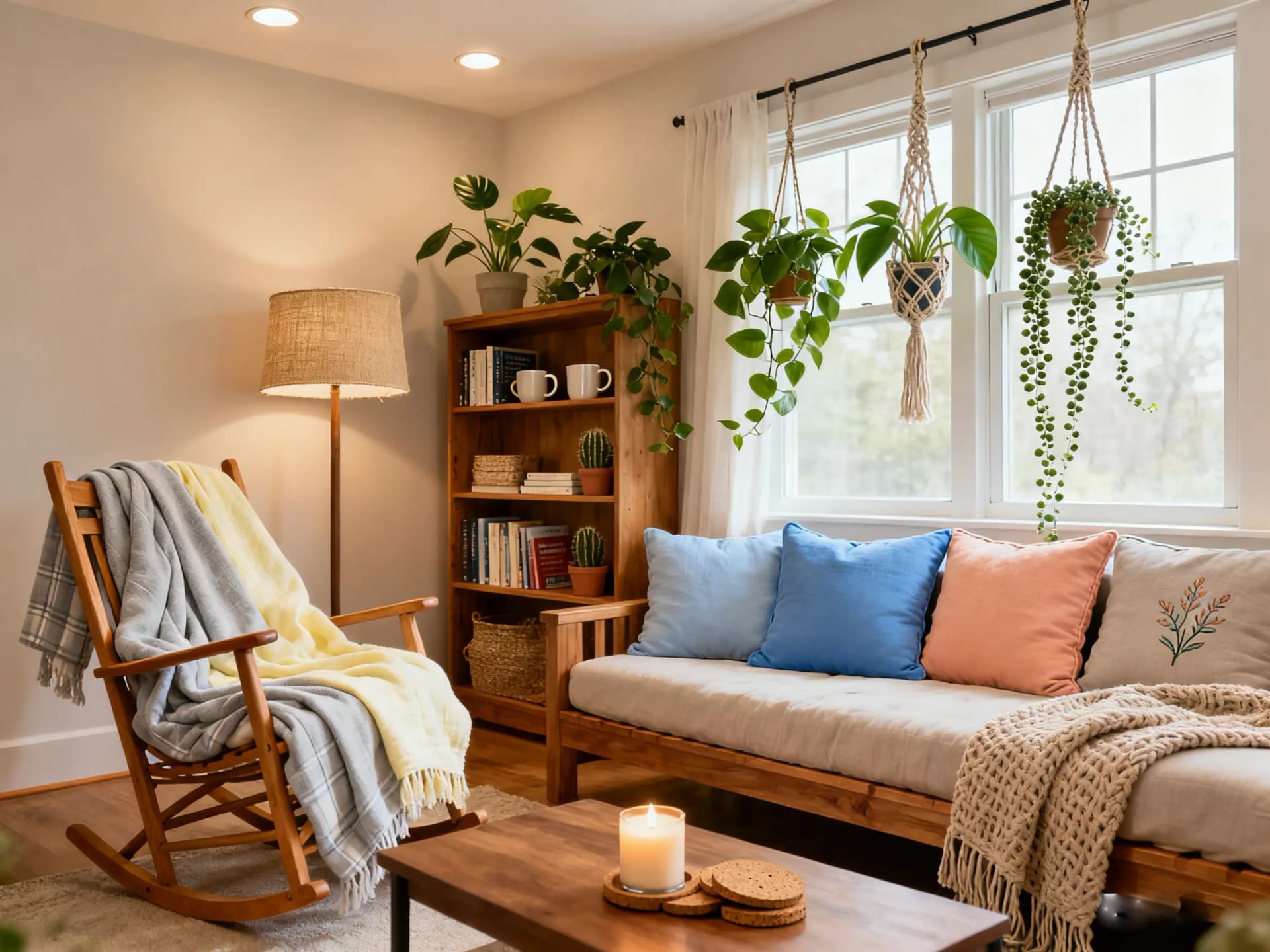
For those with limited floor space, hanging and vertical gardens, using wall-mounted pockets, macramé hangers, or repurposed wooden crates, can create visually striking displays without requiring new containers. These budget-friendly alternatives allow you to personalize your indoor garden while keeping costs minimal.
Propagation: Grow More Plants for Free
Propagation is an essential strategy for budget-conscious gardeners. By creating new plants from cuttings, offsets, or leaves, you can expand your indoor collection without purchasing additional plants.
Common Propagation Techniques
Water propagation is ideal for plants such as pothos, philodendrons, and spider plants. By placing cuttings in water until roots develop and then transferring them to soil, you can multiply your greenery efficiently.
Many plants, including snake plants and peace lilies, can be propagated through division, where the original plant is separated into smaller sections, each growing into a full plant. Certain succulents can grow new plants from individual leaves; placing a leaf on soil and lightly watering it until roots form is all it takes to create another plant. Propagation not only saves money but also fosters a deeper understanding of plant growth and care, while providing opportunities to gift plants to friends and family.
Affordable Soil and Fertilizer Solutions
Quality soil and nutrients are essential for indoor plants, but expensive pre-mixed options are not necessary. Cost-effective soil alternatives can be created by mixing garden soil, compost, and sand or perlite, producing a well-draining potting medium at little to no cost.
DIY Nutrients and Natural Fertilizers
Kitchen scraps such as vegetable peels, coffee grounds, and eggshells can be composted to enrich soil naturally, reducing waste and improving plant nutrition. If outdoor garden soil is safe and uncontaminated, it can be supplemented with organic matter and used indoors.
Fertilizing does not have to be costly either. Homemade options like banana peels, eggshells, and used coffee grounds supply essential nutrients, while diluted store-bought liquid fertilizers can stretch further than applying them at full strength. Investing in slow-release fertilizers, although slightly more expensive upfront, reduces recurring costs as they feed plants over several months, making them a practical solution for long-term indoor gardening.
Maintenance Without Overspending
Proper maintenance is critical to prevent costly mistakes and ensure plants thrive. Overwatering is a common error that can kill plants, so monitoring soil moisture and using small watering containers helps prevent damage.
Maximizing Plant Health
Providing adequate lighting is equally important; placing plants near natural light sources or using affordable grow lights ensures steady growth, while rotating plants occasionally allows them to receive even exposure. Regular cleaning of leaves improves photosynthesis, while frequent inspection for pests prevents infestations that could harm your collection. Pruning and trimming remove dead leaves and stems, promoting healthy growth and maintaining an attractive appearance. By adopting these habits, plants remain healthy for longer periods, reducing the need for costly replacements.
Creative Display Ideas on a Budget
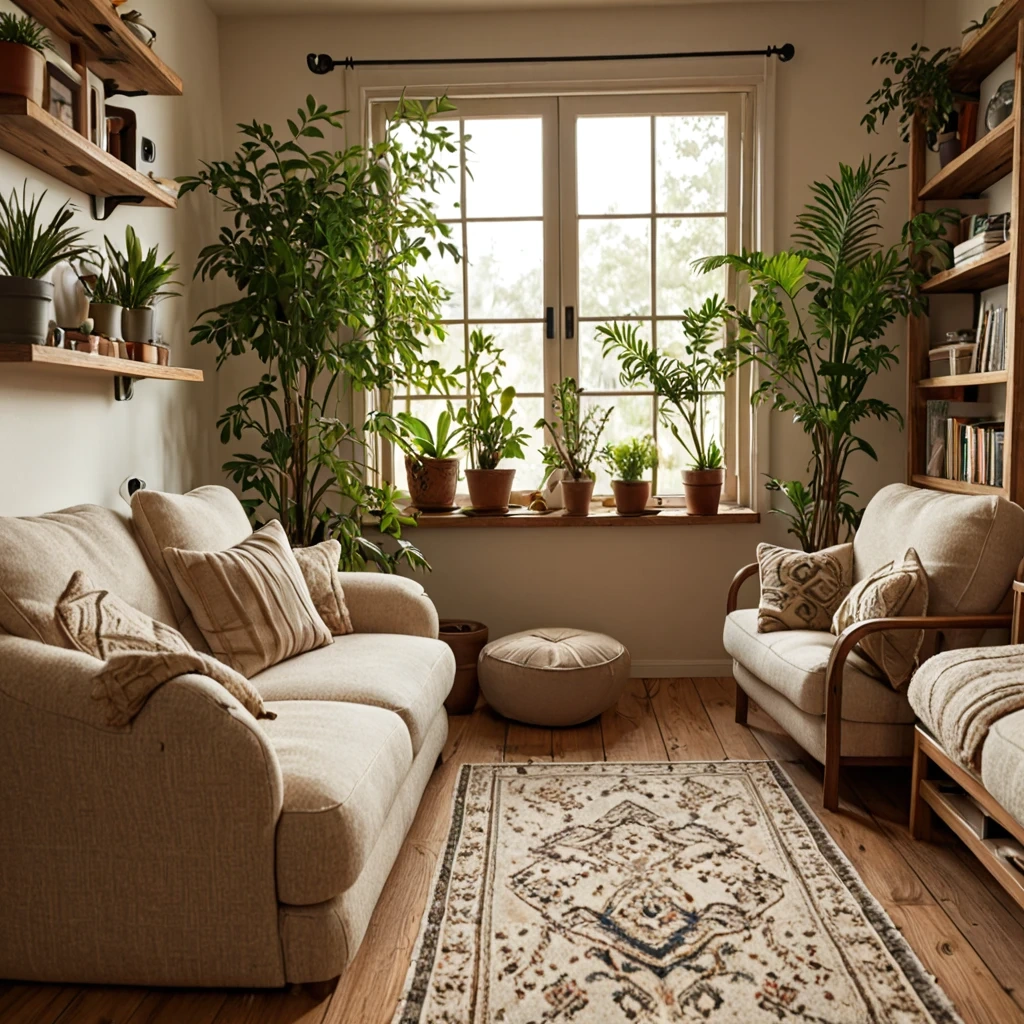
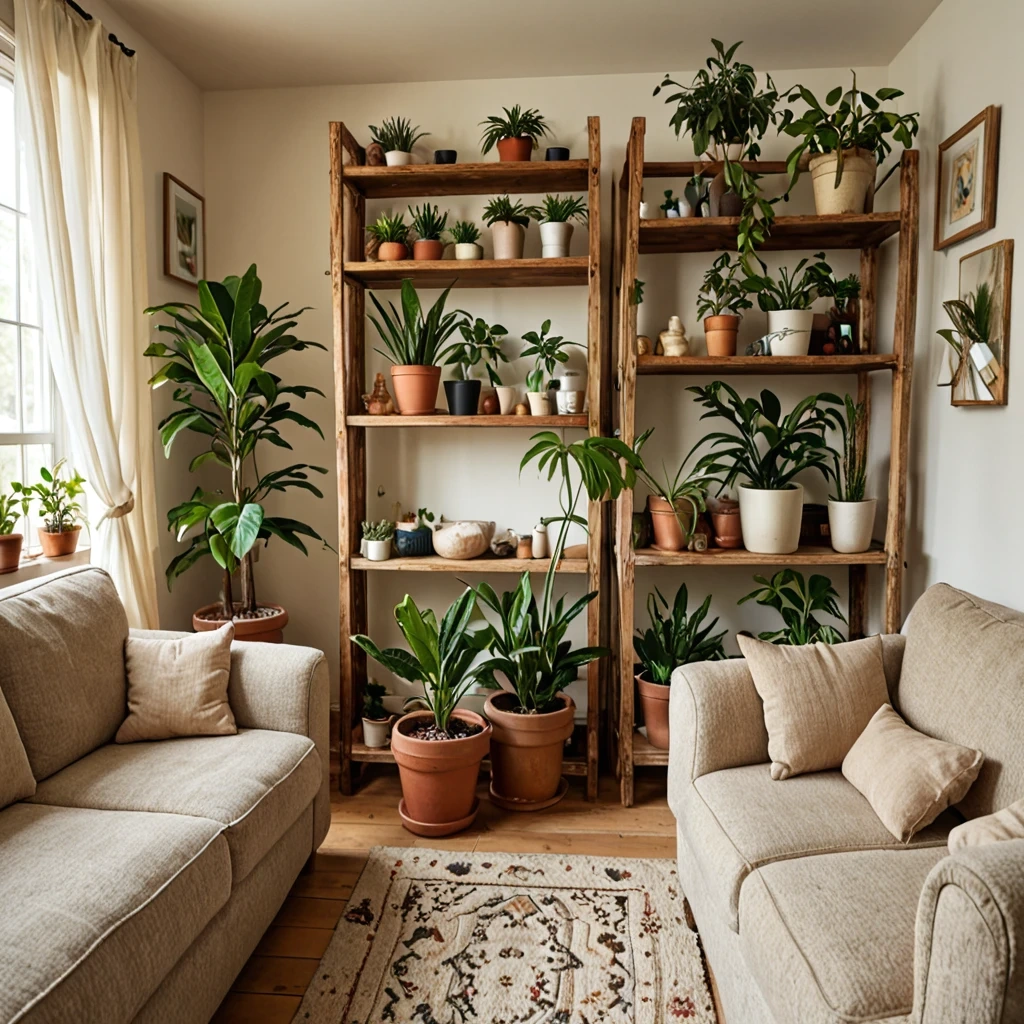
Even on a limited budget, thoughtful presentation can enhance the appeal of indoor plants. Shelving units, whether repurposed bookshelves, floating shelves, or wooden crates, can display multiple plants at varying heights.
Vertical and Grouped Displays
Hanging gardens using macramé holders, rope systems, or wall-mounted pockets not only save floor space but also add visual interest. Grouping smaller plants together on trays or tables creates the appearance of abundance without purchasing large specimens. Utilizing window sills for sun-loving plants provides natural light at no additional cost, while mirrors can help reflect sunlight into darker areas, enhancing plant growth. Budget-friendly display strategies allow even small spaces to feel lush and vibrant without large financial investment.
Benefits and Challenges of Budget Gardening
Why Choose This Approach?
Even when working with limited resources, indoor gardening provides a wide range of benefits. Cost savings are immediately apparent, as repurposing containers and propagating plants reduce the need for frequent purchases. Budget gardening also encourages environmental responsibility through composting and recycling, while creating a calming, green environment that improves mental health, focus, and mood. Furthermore, the skills acquired through propagation, soil preparation, and plant care foster self-sufficiency and personal satisfaction.
Overcoming Common Challenges
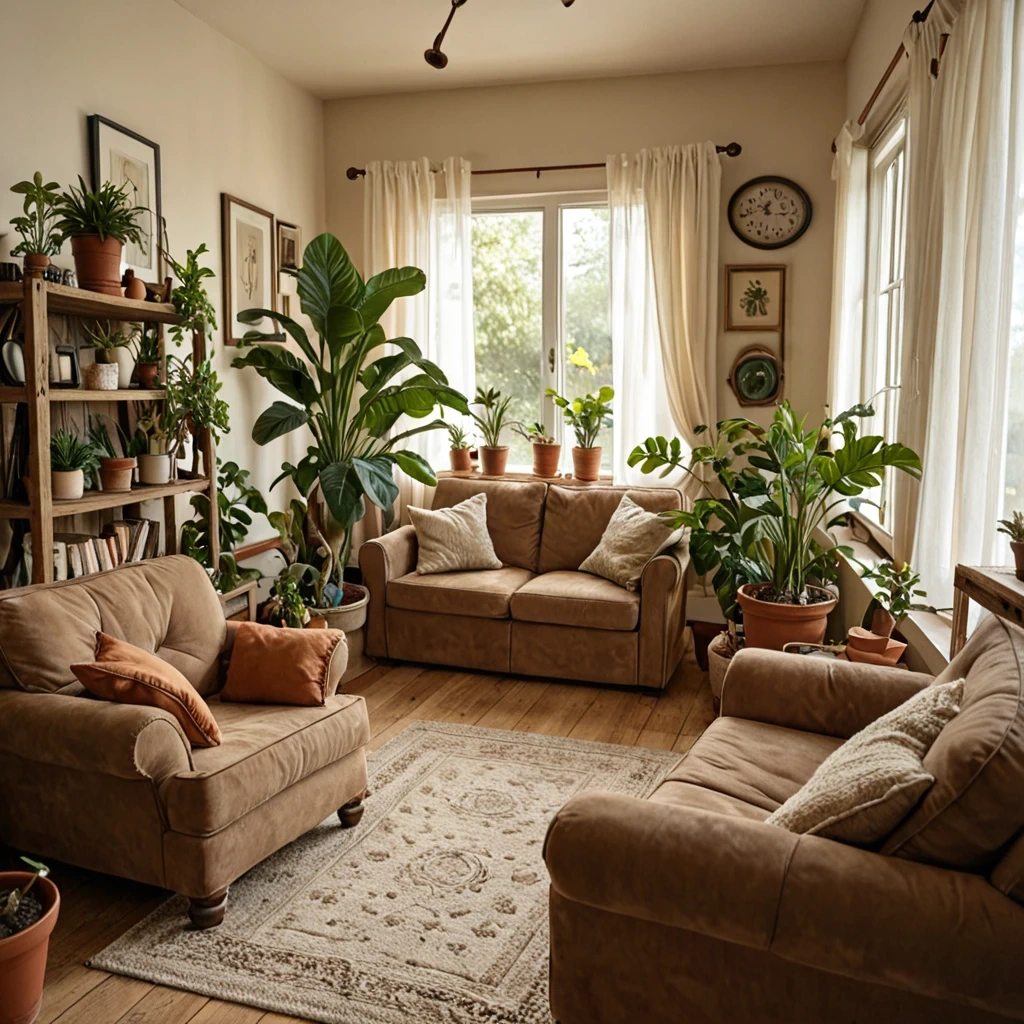
Budget indoor gardening does present some challenges, but they are manageable with foresight. Limited space can be addressed through vertical or hanging gardens, allowing plants to occupy unused wall areas. Low light conditions can be mitigated by selecting shade-tolerant species such as snake plants and pothos, or by using mirrors and inexpensive grow lights to enhance illumination. Financial limitations can be overcome by prioritizing propagation, repurposing materials, and gradually expanding the garden over time instead of buying everything at once.
Frequently Asked Questions
Q1. What are the cheapest indoor plants?
Spider plants, snake plants, pothos, and aloe vera are inexpensive, resilient, and easy to grow, making them ideal choices for budget-friendly indoor gardening.
Q2. Can I propagate plants at home?
Yes. Water propagation, leaf cuttings, and plant division are simple and effective methods for growing new plants from existing ones.
Q3. How can I save money on pots and containers?
You can repurpose jars, cans, mugs, or old containers. Thrift stores also offer a wide range of inexpensive planter options.
Q4. Do indoor plants need special soil?
Not necessarily. Homemade soil mixes using garden soil, compost, and sand or perlite can work well and help reduce costs.
Q5. How often should I water indoor plants?
Watering depends on the plant species, but generally, indoor plants should be watered when the topsoil feels dry to avoid overwatering.
Q6. Can I grow plants without natural sunlight?
Yes. Low-light plants such as snake plants and pothos can thrive indoors, and small, affordable grow lights can support healthy growth.
Conclusion
Indoor gardening does not require a large budget, professional expertise, or expensive equipment. By making intentional choices, repurposing materials, practicing propagation, and maintaining healthy care routines, anyone can cultivate a thriving indoor garden. Budget-friendly indoor gardening allows homeowners to enjoy the beauty of greenery, improve air quality, and enhance mental well-being without overspending. The key is to start small, stay consistent, and allow your garden to grow naturally over time. With patience and creativity, a budget-conscious indoor garden can become a source of joy, learning, and relaxation.