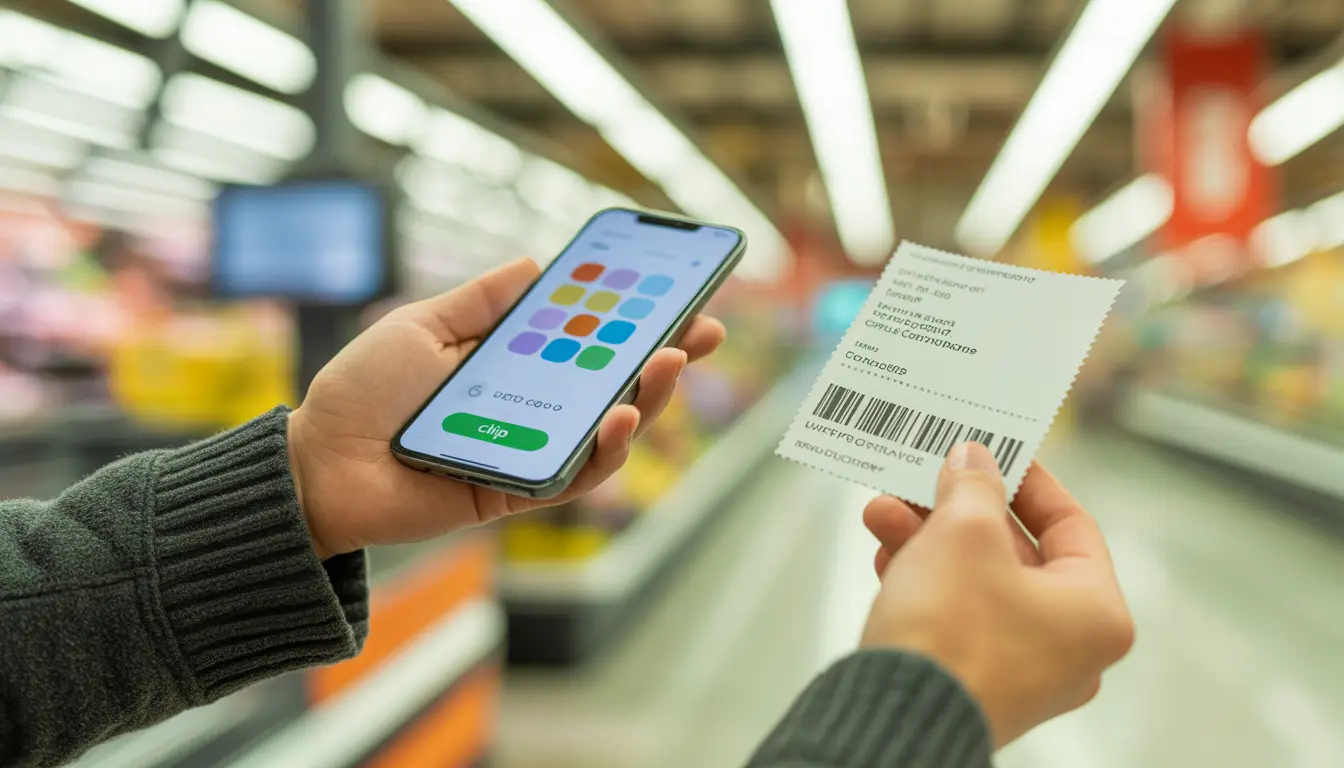
Standing in a checkout line at a busy suburban Target outside Chicago, I can still feel the sweat pricking my neck. I had a phone in one hand and a crumpled paper strip in the other, feeling hopeful until reality hit. The cashier looked at me, I looked at the screen, and the total didn't budge an inch. "That one is a manufacturer coupon, honey," she said kindly. "It won't stack with the store app deal you just scanned."
Feeling like a total amateur in that moment changed how I shop forever. I realized that saving money isn't actually about having a million coupons stashed away in a drawer. It’s really about knowing which types of coupons you have and how they play together when you reach the register. Now, I live a much more comfortable life because I spend less on the boring stuff—like laundry soap and paper towels—and more on things that actually bring me joy.
You don't need to be an "extreme couponer" with a basement full of mustard to do this well. You just need to understand the tools already sitting in your pocket. Whether you're a renter trying to decorate a new space on a budget or a parent trying to keep the fridge full, here is what I've learned about the world of coupons and how to use them effectively.
What Are the Different Types of Coupons?
There are many ways to save, but most discounts fall into a few simple buckets that determine where and how you can use them.
Knowing these types helps you plan your trip so you aren't surprised at the register. It’s about picking the easiest path to a lower bill.
- Digital Coupons: These live on your phone or in your email. No scissors required.
- Printable Coupons: You find these on websites and print them at home.
- Store Coupons: These are specific to one shop, like a "CVS coupon."
- Manufacturer Coupons: These come from the brand that makes the product, like Dove or Tide.
I used to think a coupon was just a coupon. But they actually exist for different reasons. Brands want you to try their new products, while stores want you to walk through their doors instead of the competitor down the street. Understanding this "why" makes you a much smarter shopper.
How Digital Coupons Work in Everyday Shopping
Digital coupons are the ultimate win for busy people who hate clutter. I love them because I never leave them on the kitchen counter by accident. Most of the time, you just "clip" them in a store app or click a link in an email, and they link directly to your phone number.
They are so easy to use because you just scan your app or enter your loyalty number at the desk when you pay. You can find them by checking store apps like Kroger, Walgreens, or Dollar General. The best part is the automatic savings, where the system does all the math for you, which is such a huge stress reliever at the register.
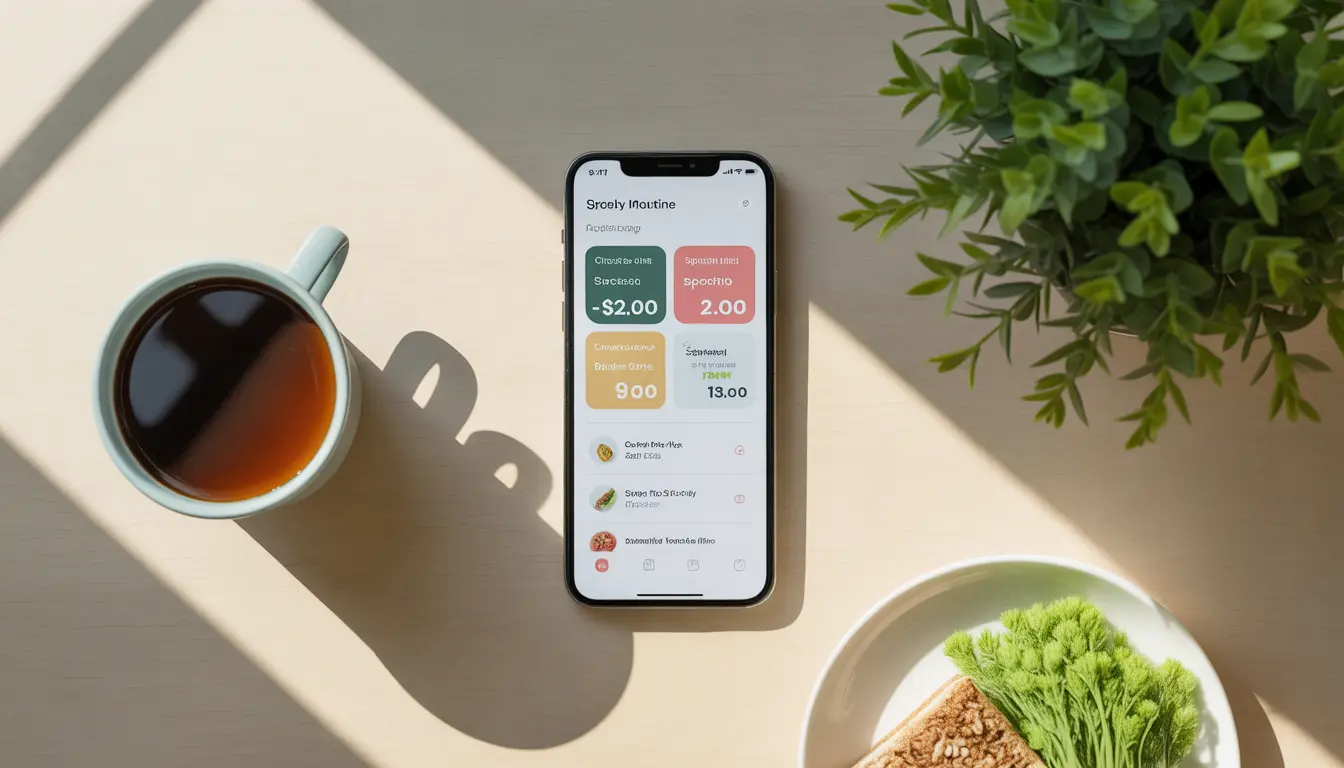
In my experience, digital coupons are great for young professionals or students who live on their phones. I usually spend five minutes on Sunday morning scrolling through my favorite store apps while I wait for my toast. It’s a low-effort habit that saves me at least $10 a week without any real work.
How Printable Coupons Still Fit Into Smart Living
I know what you're thinking—who even owns a printer anymore? But hear me out. Printable coupons are still a powerhouse for grocery shopping. While digital deals are convenient, printables often offer higher values or deals on brands that don't use store apps.
One of the biggest perks is reliability because paper barcodes almost always scan perfectly on the first try. You also get higher limits since you can sometimes print two copies of a coupon, whereas a digital deal is often "one and done."
If you're wondering where to look, sites like Coupons.com or specific brand websites are your best bet. I usually save my printing for the big stuff. If I'm buying bulk household items or expensive wellness products, I check for a printable first. It’s a bit old-school, but it works. Just make sure your ink is dark so the scanner can read it!
Store Coupons vs Manufacturer Coupons
This is the big one. If you master the difference between these two, you'll feel like a professional. A store coupon is a gift from the retailer, while a manufacturer coupon is a discount directly from the company that made the item.
Store coupons often say "Store Coupon" at the top and only work at that specific chain. On the other hand, manufacturer coupons are the most common; they say "Manufacturer Coupon" and can be used anywhere that accepts them.
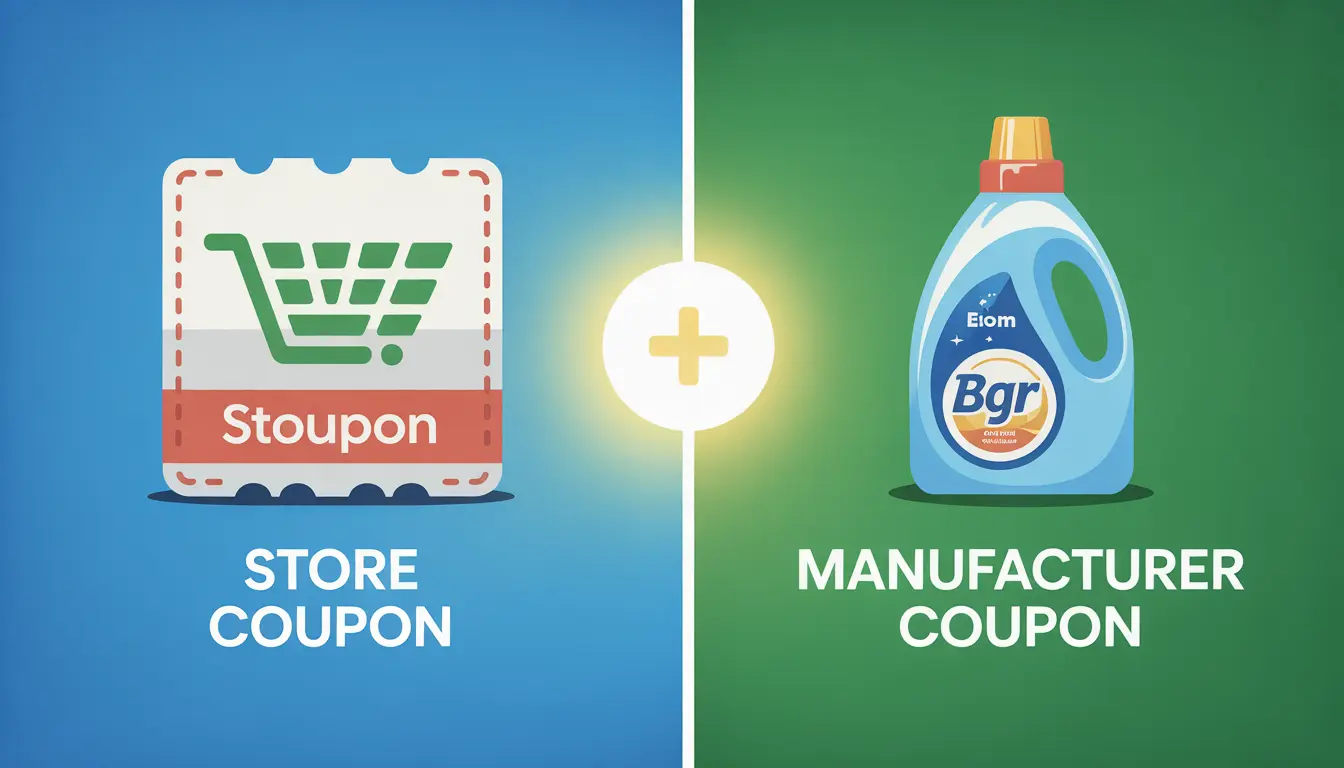
The real difference is that stores use their own coupons to get you to spend more in their aisles, while brands use theirs to keep you loyal to their soap or cereal. I once tried to use a Safeway coupon at a local shop and felt so silly when it didn't work. Now, I always look at the very top of the coupon first. If it has a store logo, it stays at that store. If it doesn't, I can take it almost anywhere.
Why Some Coupons Don’t Work
Nothing kills a good mood like a "beep" at the register and a red light. It’s embarrassing and feels like a waste of time. Most coupon failures happen because of tiny details in the fine print that we skip over when we're in a hurry.
For instance, you might have the wrong size, where the coupon is for a 12-ounce bottle but you grabbed the 10-ounce one. You also have to watch for exclusions since many coupons exclude travel sizes or clearance items. Expiration is another big one, so double-check the date because many digital coupons expire at midnight on a specific day.
There are also stacking rules where some stores won't let you use a digital and a paper coupon on the same item. I’ve learned to be a bit more mindful. I take a quick breath and read the "Requirements" section before I put the item in my cart. It saves me from that awkward moment where I have to tell the cashier, "Oh, never mind, I don't want it then."
Can You Stack Digital and Printable Coupons?
Stacking is the "secret sauce" of saving money. It sounds fancy, but it just means using more than one discount on one item. Generally, you can't use two manufacturer coupons on one item, but you can often use a store deal with a manufacturer deal.
The logic is simple: you combine a store’s weekly sale with a store digital coupon and a manufacturer paper coupon. Different stores have different retailer rules, but places like CVS are famous for this because they let you use their "ExtraBucks" with other coupons.
I also use rebate apps like Ibotta for a "hidden" stack where you get cash back after you buy the item. I recently got a high-end face wash for almost nothing. I waited for it to go on sale, used a store app coupon, and then sent a photo of my receipt to a rebate app. It felt like winning a small game. And because I saved that money, I treated myself to a nice coffee afterward.
When to use digital vs printable coupons
Digital works best when:
- You’re in a hurry
- You shop at the same stores
- You want quick savings
Printable works best when:
- You buy in bulk
- You’re stocking up
- You want bigger discounts
I mix both. That way i save without turning shopping into work.
Coupon Mistakes Beginners Make
When I first started, I made every mistake in the book. I bought things I didn't need just because I had a coupon! Learning to avoid these traps will keep your house clutter-free and your bank account happy.
One major pitfall is buying just for the "deal" because if you don't like the brand, it's a waste of money. Ignoring expiration is another easy mistake; I once had a stack of $5 coupons that I forgot to use, which was $20 down the drain.
You also have to remember to load your digitals because some apps require you to "click" the coupon before you shop, or it won't apply. I now treat couponing like a small hobby, not a job. I only look for coupons on things I already have on my list. If I find a deal on my favorite shampoo? Great. If not? That's okay too. Intentional spending is the goal.
Turning Couponing Into a Lifestyle Savings Habit
At the end of the day, coupons are just a tool to help you live a better life. They shouldn't be a source of stress. I’ve found that the best way to save is to make it part of my weekly wellness routine.
I use meal planning to my advantage by looking at my store’s digital coupons before I decide what to cook for the week. For home budgeting, I set aside the money I save with coupons and put it into a "joy fund" for travel or hobbies.
It also helps with avoiding impulse buys because having a list and matching it with coupons keeps me from buying random stuff. And that's the real secret. It isn't about the pieces of paper or the barcodes. It’s about being intentional with your money. When I shop this way, I feel more in control. I don't feel "cheap"—I feel smart. And that's a much better way to live.
Conclusion
Learning the difference between digital and printable coupons feels a lot like picking up a new language. It can definitely be confusing at first, but once the logic clicks, a whole new world of savings opens up for you. I’ve personally gone from being that stressed-out person holding up the Target line to someone who walks into a store with a clear plan and a total sense of calm.
Digital coupons provide you with ultimate convenience, while printables offer the flexibility you might need for specific brands. It is also helpful to
remember that manufacturer coupons can follow you to almost any store, while store coupons are designed to reward your loyalty to one specific shop. When you combine these different types with just a little bit of planning, you aren't just saving pennies anymore; you're creating a lifestyle where you can actually afford the things that truly matter to you.
So, don't be afraid to just give it a try. You can start small by downloading just one app or clipping your first coupon. See how it feels to watch that total drop at the end of your next grocery trip. Honestly, you’ve got this, and the savings will start to add up before you even realize it.
FAQs
What are the main types of coupons?
The four big ones are digital, printable, store-specific, and manufacturer-issued coupons.
Are digital coupons better than printable ones?
Digital coupons are much more convenient for everyday trips, but printables are often better for bulk buys or high-value brand deals.
Can you use more than one coupon at once?
Yes, but usually only if you are "stacking" a store coupon with a manufacturer coupon; check your store's specific policy first.
Where is the best place to find coupons?
The most reliable places are official store apps, brand websites, and established coupon platforms.