To most of us, coffee is not a beverage, but a ritual to get us through the day. The initial cup of coffee in the morning is typically a symbol of calmness before the storm, a little breath of relief before getting down to business. But this is as well the easiest way of money just evaporating unannounced. A five-dollar latte doesn't seem expensive, even when it is justified but in the long run it is one of the most expensive invisible costs of lifestyle.
Switching to home brewing shouldn't mean sacrificing quality. It’s about redesigning your routine to enjoy the same luxury at a fraction of the cost. Now that home barista machines are affordable and smarter when it comes to purchasing coffee beans and accessories, coffee at home is no longer a subculture, now it makes a realistic lifestyle improvement.
This tutorial makes such a shift deliberately. You will know how to assess the true cost of your coffee habit, purchase value-oriented equipment without fear, find out how to obtain better beans at a lesser price, and make a daily routine that can be decadent but not costly.
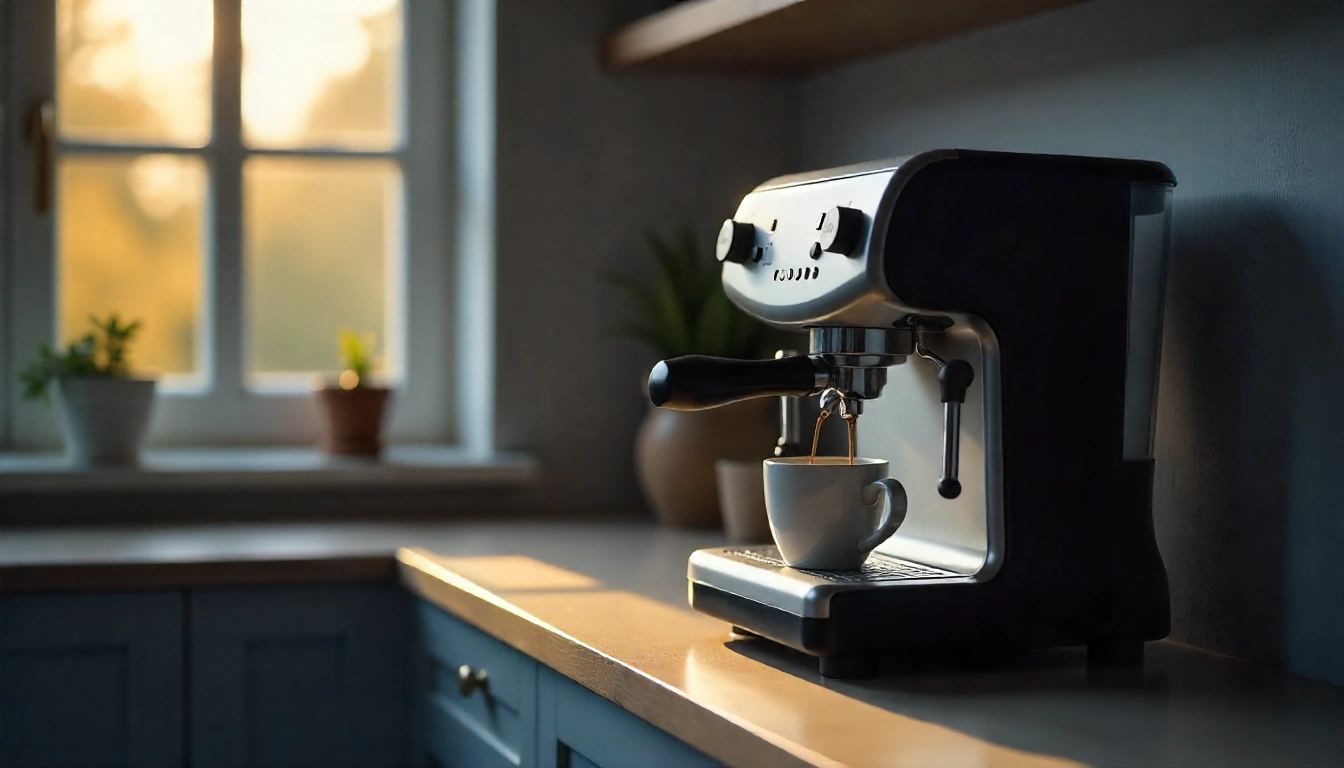
The Home Barista ROI: What Is Your Coffee Break-Even Point?
Most people underestimate their coffee spending because the costs are so fragmented. A single latte might not feel like an extravagance. However, these daily habits quietly add up to thousands of dollars over time.
We shall take real figures. A latte Macchiato at a cost of $5.50 and bought 5 days a week will cost approximately 110/month. And in a year, it is over 1300, and this is not considering weekend coffee, impulse pastries or rising prices. In the house, a similar beverage using quality beans and milk usually would cost between $0.60 and $0.80 per cup when the equipment is installed.
Even a rather full home equipment, such as the espresso machine, grinder, frother, and accessories, generally falls in between 300 and 450 dollars. With a savings rate of between 4–5 per cup, such an investment usually breaks even within three to four months. Things change after that and your daily coffee habit is no longer a cost but a controllable cost.
The time return which seldom gets talked of is also present. Bypassing queues at cafes, or drive-through shortcuts, or delivery time will put little bits of time back into the day. In more than a year that recovered time can be comparable to days of lost personal space which is an underestimated lifestyle change.
It can be useful to imagine that many individuals can redirect a portion of the spending on cafes to an equipment fund or savings fund at the start. Even by using a simple budgeting or savings goal application, the message that daily decisions ensure the comfort in the future can be reinforced.
The Real Meaning of What Affordable Home Barista Equipment Entails
The home barista can be a term that immediately causes one to think of elaborate technology, use of jargon, and steep costs. As a matter of fact, cheap home barista machines are practical, rather than flashy. The aim is uniformity, rather than excellence.
In its most basic form, an user-friendly system is comprised of:
- A brewing system that fits your lifestyle
- A grinder that supplies homogenous grounds
- An easy milk texture (when you like drinks made of milk)
You do not have to purchase everything immediately. Most of them begin with a brewer and beans, and add a grinder or a frother further. This incremental strategy eases the overload and distributed the fixed costs throughout the transition and makes the transition more sustainable.
Durability, the ability to clean, and predictable outcomes need to come first to value-oriented customers rather than advanced features. Gears that fit well in everyday living are much more likely to be used regularly—and it is the regularity that will save money.
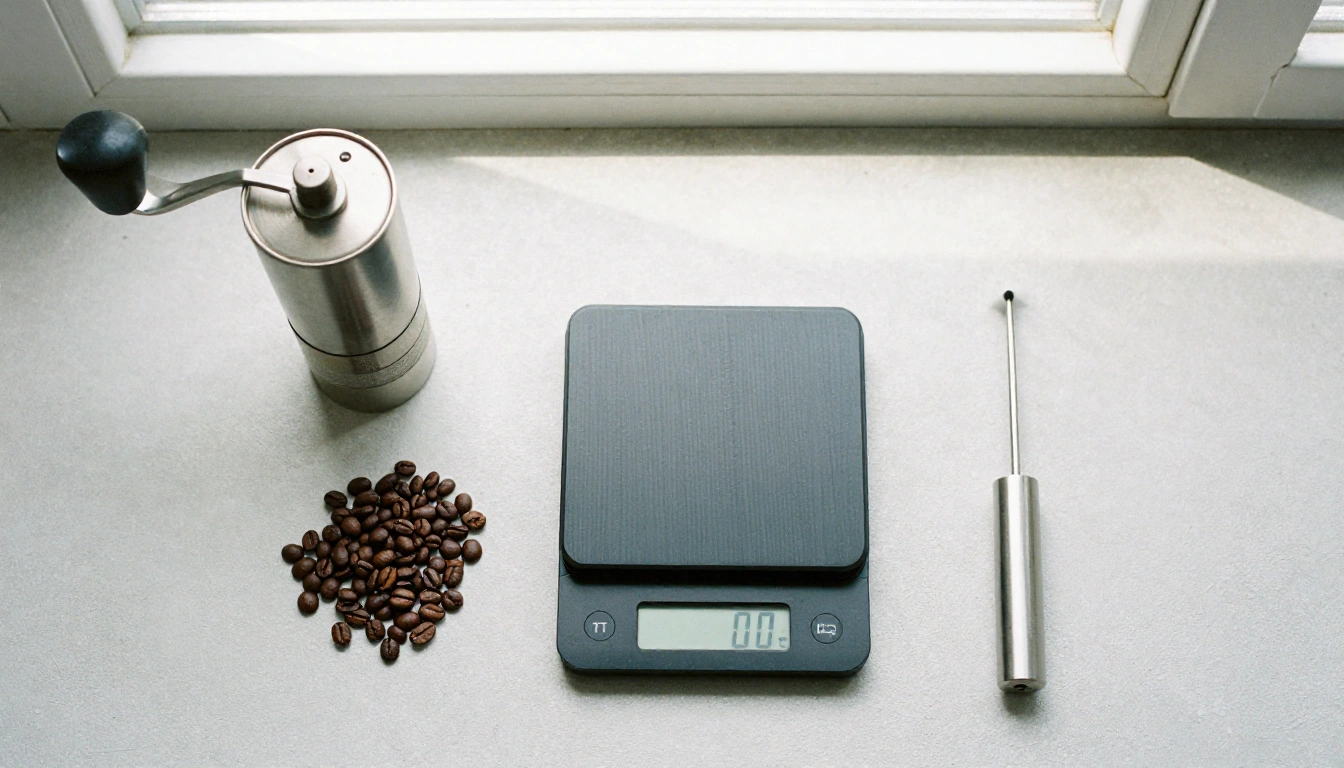
Choosing an Entry-Level Espresso Machine That Offers True Value
Prices of espresso machines range tremendously but a good espresso does not demand expensive machine. Stable pressure, constant temperature, and reliability are the most important. Most of the entry level machines will provide these necessities without any unneeded intricacies.
Small machines are also desirable particularly to renters or small kitchens. They are quick to heat, easy to place on countertops and do not need plumbing adjustments. Manual machines are more attractive to people who have a preference to a ritual, whereas semi-automatic machines are more focused on speed and convenience.
What to Compare Before Buying
It is worth taking time and making comparisons when you are on the shopping floor:
- Heat sources (thermoblock vs. boiler)
- Maintenance requirements
- Access to spare parts
Timing is one of the best methods of saving. The discounts on espresso machines commonly occur when there is a huge retail sale, during clearances at end of a season or as a certified refurbished program. Reused models sold by the authorized dealers often provide almost the same performance at a significantly lower cost, thereby being a great alternative to low-end consumers.
The Unobtrusive Upgrade That Makes a Difference
Granted that there is a single piece of equipment that remains surprising to new home brewers, it is the grinder. The taste of coffee is very sensitive to the consistency of the grind. Inequalities in the ground peel off unequally resulting to bitterness, sourness or poor taste.
The blade grinders may be cheap, but they cut the beans irregularly. Even at the entry level, burr grinders yield uniform particles that enhance extraction massively. To most individuals, it is the grinder rather than the machine that can be upgraded better to enhance the quality of coffee.
Manual Burr Grinders as a Budget Alternative
Manual burr grinders are to be mentioned specially. They are not very easy, but tend to be equal or even better at a cheaper price than entry-level electric grinders. They are also small, silent and not difficult to maintain—features that are easy to fit in joint living quarters.
Some of the strategies that can be employed here in terms of savings involve seeking machine and grinder packages or searching online stores to see whether they have special offers during a specific period of time. Bundled pricing has an effect of lowering overall cost without compelling unwarranted upgrades.
How to Froth Milk at Home on a Small Budget
The lattes and cappuccinos are the ones that make the cafe experience in milk. Luckily, good foam is not achieved with expensive equipment. Even a simple milk frother, be it a handheld one or an electric one, can make a huge difference to home beverages.
The handheld frothers are inexpensive, take less space and are suitable when one wants to have fun. Electric frothing jugs are convenient and reliable in terms of outcomes, especially when a number of beverages is to be made in the morning.
Milk Temperature and Foam Quality
The most important is the temperature control. Frothing of milk is done by heating it in low temperatures before it reaches the boiling point which avoids scalding and forms smoother foam.
Milks made of plants are also capable of performing at home. Oat and soy milk have the highest chance of foaming, and versions purchased in chain stores usually perform equally as well as high-end versions. As accessories, especially to open-box or clearance categories, frothers are often discounted and are therefore one of the simplest upgrades to purchase on sale.
The Bean Economy: How to Drink Better Coffee Without Spending More
Good coffee is based on beans, although many individuals spend too much without even noticing it. It is all about freshness not brand prestige. Newly roasted and well kept beans will almost always perform better than older ones, label notwithstanding.
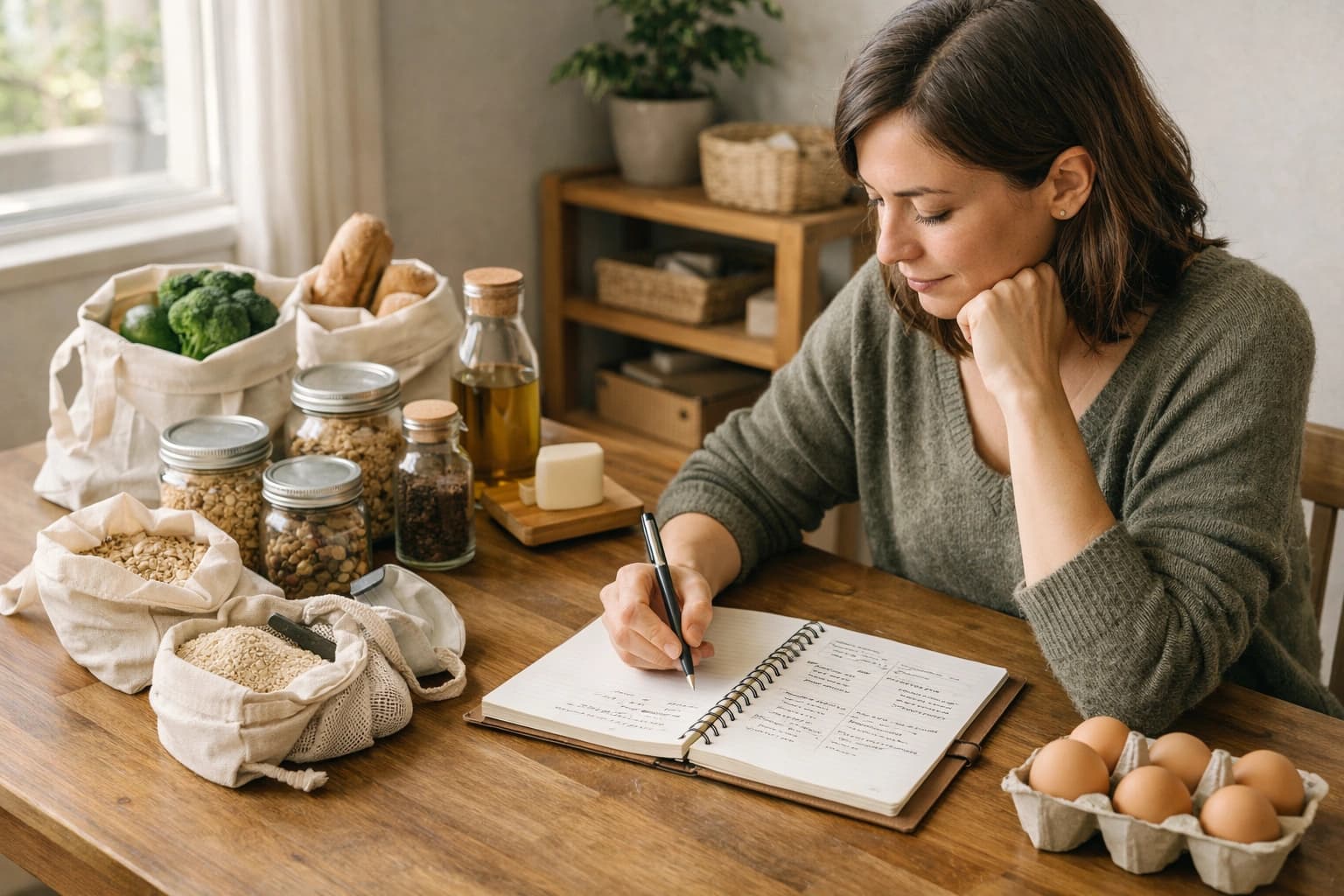
Shopping in bulk on the internet or at the roasters can be more economical than shopping at the grocery stores. Subscriptions are able to save money due to automatic discounts, whereas bulk purchases provide an opportunity to save the price per cup. The secret is to compromise between quantity and freshness.
Proper Storage to Prevent Waste
When purchasing bigger bags, it is necessary to store them properly. Airtight containers control oxidation and are able to maintain flavor longer reducing wastes. With proper calculations, bulk purchases combined with proper storage can effectively reduce the amount of expenses that are spent on coffee monthly without a loss in quality.
Referral credits or loyalty programs provided by subscription services are also taken by some of the shoppers. These tools, used with moderation, will only help in reducing costs without promoting excess usage.
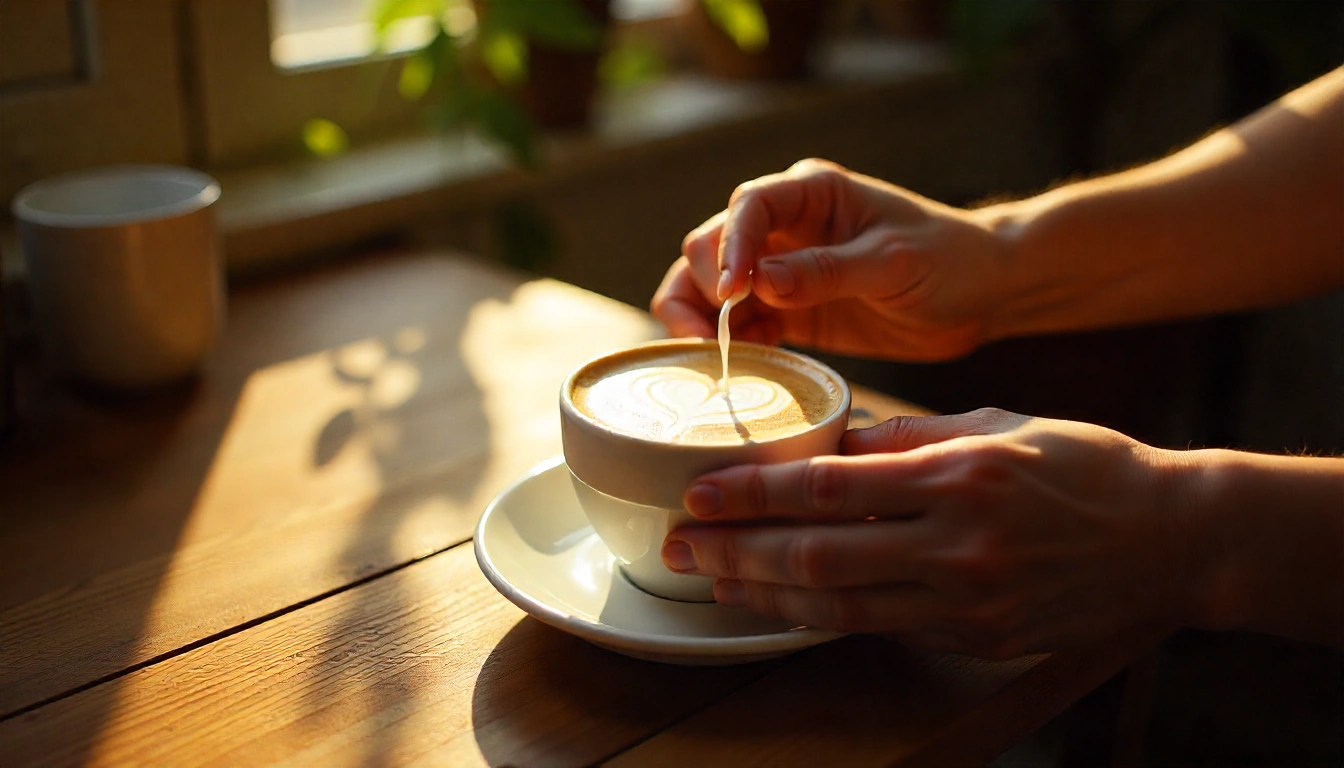
Low-Cost Accessories That Safeguard Your Investment
In addition to machines and grinders, several low-cost tools can be used to achieve a much better result and increase the lifespan of the equipment. A simple electronic meter will guarantee standardized dosing to avoid the wastage of coffee.
Extracting can be transformed by simple distribution tools many of which can be made at home, not requiring extra expenditure.
Maintenance and Longevity
The other area that is generally ignored is maintenance. Frequent cleaning and descaling eliminate accumulation of substances that destroy machines in the long run. Mindful ownership can also be supported by the fact that a minor expenditure on maintenance supplies can be used to avoid costly fixing or unnecessary replacement.
How to Plan a Home Coffee Routine and Make It Stick
The best domestic coffee systems are not the largest and they are the most useful. Something complicated or messy soon becomes boring. Habits are what stick due to their simplicity.
Having tools in an easily accessible place, taking less time and selecting machinery that suits your time is all a part of consistency. The savings is the natural result of making the brewing process at home easier than going to a café.
Home brewing is a relaxing activity, which most individuals discover to be more of a routine than a project with time. Such a feeling of control and comfort is a part of the value, not limited to financial savings.
Beyond Money: How This Habit Change Lowers Stress
Financial stress can be due to recurrent expenses that seem to be inevitable. The redesign of a daily routine such as coffee brings about agency. It is no longer price that you react to—you are choosing where and how your money will help your life.
This change of attitude is usually transferred to other factors. When individuals have realized how a slight alteration in routine yields breathing room, they will be more assured to analyze other costs in the day-to-day lives. It is not the loss, but an adjustment.
Conclusion
A good coffee is not the one that is costly, but rather the one that suits you in terms of taste, rhythm, and finances. Coffee that is as good as the best in the cafe at a price that you can afford to pay, by making a wise selection of home barista gear, by buying beans wisely, and by establishing a routine that fits real life, can be as good as coffee at the cafe.
More to the point, this change illustrates the accumulation of deliberate decisions in everyday lives. The gradual modifications, applied in a regular manner, will result in significant financial freedom without having to do away with comfort or happiness. It is that balance that underlies a healthy, stress-free life.
Frequently Asked Questions
Is it really cheaper to make espresso at home than using pods?
Whole beans typically cost far less per cup than capsules when calculated over a full year.
What is the minimum budget for a starter setup?
Many beginners can start around $250 with careful equipment selection and gradual upgrades.
Can I get coffee shop quality without an espresso machine?
Yes, manual brewing methods can deliver excellent results at a lower upfront cost.
How long does it take to learn milk frothing properly?
Most people achieve consistent results within one to two weeks of daily practice.
Should I buy a machine with a built-in grinder?
They offer convenience, but separate grinders are usually easier to upgrade and maintain long term.