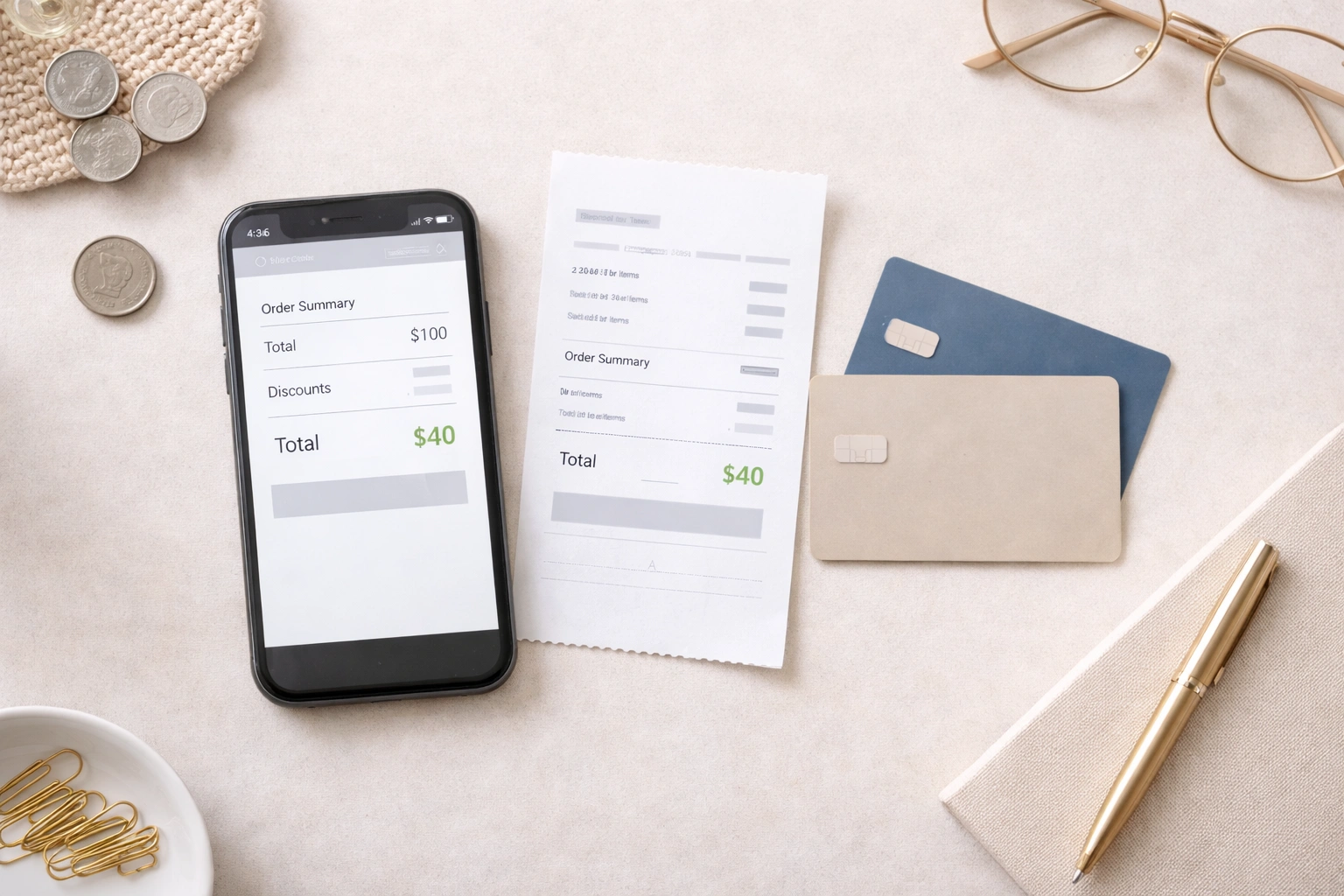
Have you ever watched a shopping total drop from $100 to $40 in just a few seconds? It feels like a magic trick—but it’s actually a simple strategy called coupon stacking.
For many beginners, the idea of “stacking” sounds confusing or even a little risky. People worry about breaking rules, slowing checkout, or using coupons the wrong way. The truth is simpler. When done correctly, coupon stacking is legal, approved, and beginner-safe. It doesn’t require extreme planning or complicated tricks.
This guide explains coupon stacking step by step, in plain language. By the end, you’ll know how it works, how to do it safely, and how to start saving with confidence.

What Is Coupon Stacking? (Simple Explanation)
Coupon stacking means using more than one type of discount on the same purchase when the store allows it. That’s the entire concept.
You’re not manipulating systems or bending rules. You’re combining approved discounts that affect your total in different ways. Retailers intentionally structure promotions this way because layered discounts encourage purchases while still protecting profit margins.
You are not:
- Using fake coupons
- Cheating the system
- Exploiting loopholes
Instead, you are applying legitimate discounts exactly as they were designed to be used.
A very basic example
Imagine purchasing a $40 item. The store has already marked it down as part of a sale. You then apply a store coupon at checkout. After completing the purchase, you receive cashback from a rewards platform.
Each discount applies at a different stage of the transaction. Because they don’t overlap or replace one another, they can work together. The result is a much lower final cost than most shoppers expect.
Coupon stacking works because retailers often design promotions to layer, not cancel each other out.
Why Stores Allow Coupon Stacking
Many beginners assume that stores lose money when customers stack coupons. In reality, the opposite is often true.
Stores allow coupon stacking because it encourages quicker purchasing decisions and repeat visits. Discounts create urgency, loyalty programs increase long-term customer value, and promotions help move inventory that might otherwise sit unsold.
Another important detail is that not every discount is paid for by the store. Cashback offers are frequently funded by third-party partners or marketing budgets rather than retail margins. That’s why cashback often stacks easily with other promotions.
When you follow a store’s stated policy, you are participating in a marketing system the retailer intentionally created. Understanding those rules empowers you to save confidently rather than avoiding discounts altogether.
The Most Common Types of Coupons (Beginner-Friendly)
One of the biggest sources of confusion for beginners is assuming all coupons behave the same way. They don’t.
Each type of coupon applies differently, and knowing the difference is what makes stacking feel simple instead of overwhelming or confusing.
1. Store Coupons
Store coupons are discounts offered directly by the retailer. These are commonly found on the store’s website, mobile app, email newsletters, or printed on receipts after a purchase.
Typical examples include dollar-off offers like “$10 off $50” or percentage discounts such as “15% off one item.” Because these coupons are issued by the store itself, they often work smoothly with other discounts.
Store coupons usually stack well with:
- Sale prices
- Manufacturer coupons (when permitted)
- Cashback offers
For beginners, store coupons are often the easiest and safest place to start.
2. Manufacturer Coupons
Manufacturer coupons come from the brand that makes the product, not from the store selling it. These coupons are commonly digital, printable, or automatically applied at checkout when linked to a loyalty account.
Most retailers allow one manufacturer coupon per item. This is where beginners sometimes make mistakes, not realizing that using more than one manufacturer coupon on the same product is usually restricted.
Following the “one coupon per item” guideline keeps stacking straightforward and prevents checkout issues.
3. Digital Coupons
Digital coupons are activated online or inside store apps. Once activated, they apply automatically at checkout.
These are especially beginner-friendly because:
- There’s less room for error
- Discounts apply instantly
- You don’t need to hand anything to a cashier
Many stores automatically combine digital coupons with sales.
4. Cashback Offers
Cashback works differently from traditional coupons. Instead of reducing your total at checkout, cashback gives you money back after the purchase is completed.
Cashback can come from loyalty programs, cashback platforms, or credit card rewards. Because it’s processed separately from checkout, cashback almost always stacks with other discounts. It doesn’t interfere with store or manufacturer coupons.
For many shoppers, cashback is what turns a “good deal” into a great one.
5. Promo Codes
Promo codes are entered manually during checkout and can behave differently depending on the retailer. Some promo codes replace existing discounts, while others stack without issue.
The safest approach is simple: apply the code and review your total. If other discounts remain active, stacking is allowed. If a discount disappears, the code is likely replacing it rather than stacking.
What Coupon Stacking Is NOT
Misunderstandings around coupon stacking cause many beginners to avoid savings altogether.
Coupon stacking is not about bending rules or pushing boundaries. It does not involve using expired coupons, altering barcodes, ignoring stated policies, or reusing restricted offers.
If a retailer’s system accepts your discounts automatically, stacking is permitted. If something feels unclear or overly complicated, skipping that deal is often the smartest move. Real savings are steady, repeatable, and legitimate.
How Coupon Stacking Works (Step-by-Step)
This is a simple process you can repeat every time you shop.
Step 1: Start With a Sale
A lower base price makes every coupon more effective. Starting with a sale reduces the original cost before any discounts are applied.
Step 2: Apply a Store Coupon
Store coupons usually apply after the sale price. This is where noticeable savings begin to appear.
Step 3: Add a Manufacturer Coupon (If Allowed)
When permitted, apply one manufacturer coupon per item. This adds another layer of savings without conflict.
Step 4: Activate Cashback
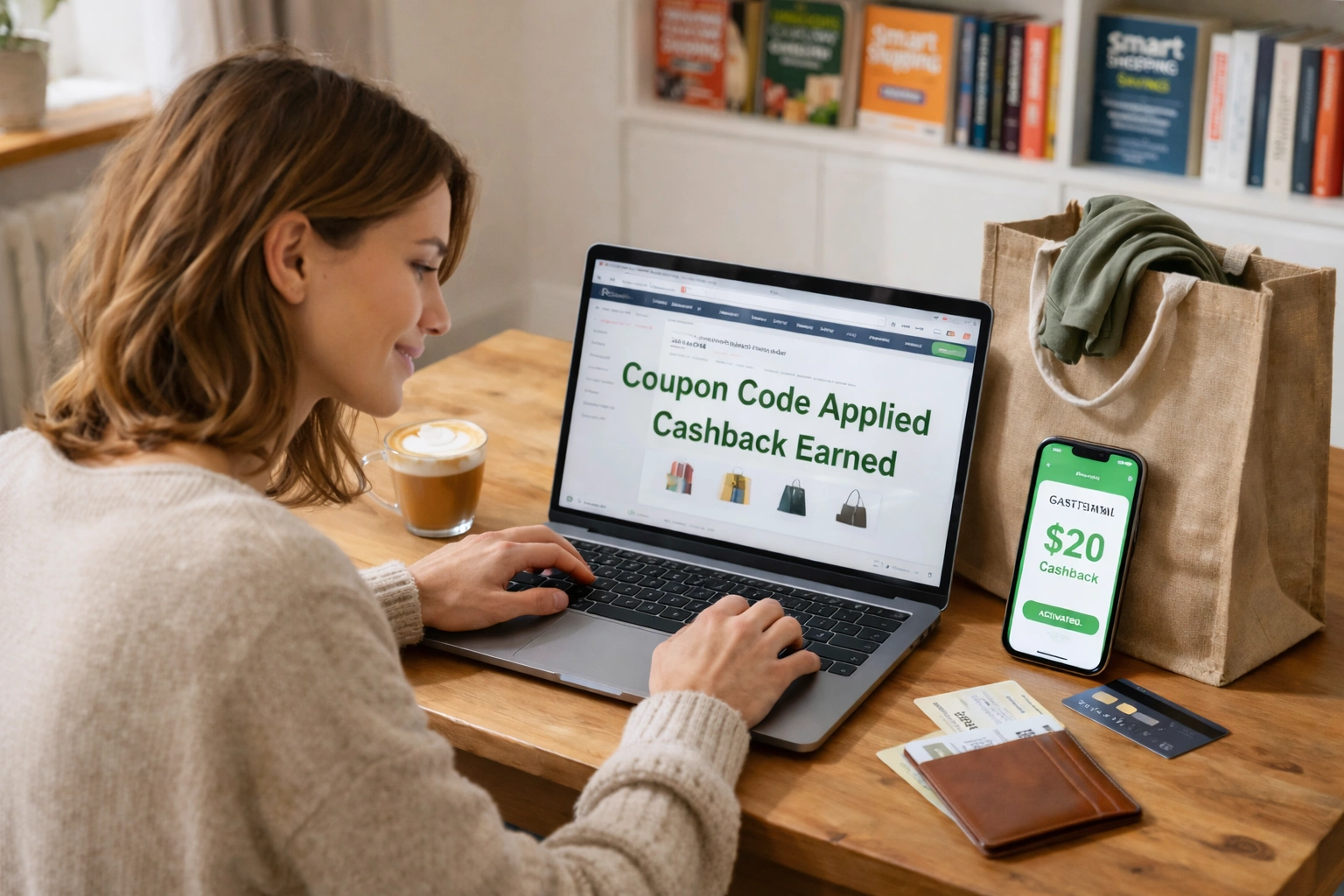
Cashback should be activated before checkout to ensure tracking. Although it doesn’t reduce your total instantly, it lowers your final effective cost.
Step 5: Review Before Paying
Before confirming payment, review the applied discounts. If a coupon disappears, remove the last one added and retry. This habit prevents nearly all beginner mistakes.
A Simple Coupon Stacking Math Example
You buy a $50 item.
You apply:
- A $10 store coupon
- 10% cashback
- A $5 loyalty credit
Here’s how it breaks down:
- $50 − $10 = $40
- 10% cashback = $4 back
- $5 credit applied
Final effective cost: $31
No tricks. Just approved discounts working together.
Online vs In-Store Coupon Stacking
Online Coupon Stacking (Best for Beginners)
Online stacking is often the easiest starting point. Discounts apply automatically, errors are visible instantly, and there’s no pressure from a checkout line.
For beginners, online shopping provides a low-stress environment to learn how stacking works.
In-Store Coupon Stacking
In-store stacking requires more awareness and preparation. Reading store policies, staying organized, and shopping during quieter hours helps the process go smoothly.
With practice, in-store stacking becomes just as comfortable as online stacking.
Common Beginner Mistakes (And How to Avoid Them)
One of the most common mistakes is trying to apply too many discounts at once. Stacking works best when it’s gradual and controlled. Starting with one store coupon, one manufacturer coupon, and one cashback offer is usually enough. Over time, confidence builds naturally.
Ignoring fine print is another frequent issue. Checking expiration dates and exclusions only takes a few seconds but prevents frustration later. Finally, many beginners feel embarrassed using coupons. This feeling is unnecessary. Retailers expect coupon use, and saving money is nothing to apologize for.
Is Coupon Stacking Legal?
Yes—when done correctly.
Coupon stacking is legal because discounts are offered intentionally, systems are designed to allow multiple applications, and store policies clearly explain the limits.
Illegal coupon use involves fake or altered coupons, not legitimate stacking. When you follow the rules, you’re not cheating—you’re shopping smart.
How to Start Coupon Stacking Today
You don’t need experience or complicated systems.
Start like this:
- Choose one store
- Use one store coupon
- Add one cashback offer
- Check out confidently
That’s coupon stacking.
Final Thoughts: Coupon Stacking Is a Skill, Not a Trick
Coupon stacking isn’t about being extreme, clever, or chasing unrealistic deals. It’s about understanding how different discounts are designed to work together—and using them with intention.
Once you learn the basics, shopping stops feeling rushed or uncertain. You no longer wonder whether you missed a better deal or paid more than you should have. Instead, you check out calmly, knowing you used the savings options available to you.
The goal isn’t to stack every possible coupon. The goal is to build a simple habit that reduces your costs consistently, without stress or confusion.
Once coupon stacking becomes a habit, you stop wondering whether you missed a deal—and start checking out knowing you paid the smartest price available.
You don’t need to master everything at once. Start small, follow store rules, and let the savings build naturally over time.
Frequently Asked Questions
What is coupon stacking?
Coupon stacking means using more than one approved discount on the same purchase when a store allows it, such as combining a sale price, a store coupon, and cashback.
Is coupon stacking legal?
Yes. Coupon stacking is legal as long as you follow store policies and use valid, approved discounts.
Is coupon stacking safe for beginners?
Yes. Beginners can stack coupons safely by starting with one store coupon and one cashback offer, especially when shopping online.
Do all stores allow coupon stacking?
No. Coupon rules vary by store. Some allow stacking, while others limit discount combinations. Always check the store policy or test at checkout.
Which coupons usually stack together?
Different types of discounts usually stack, such as sale prices, store coupons, manufacturer coupons (if allowed), and cashback offers.