Furniture has a way of turning into one of the most stressful adult purchases. A couch isn’t just a couch—it’s a commitment. A bed isn’t just a bed—it affects your sleep, your health, and how rested you feel every day. When prices climb quickly into the hundreds or thousands, it’s easy to feel stuck between two bad options: overspend for peace of mind or settle for something cheap and hope it lasts.
The good news? A comfortable, well-furnished home doesn’t come from spending more—it comes from spending intentionally. Budget furniture isn’t about cutting corners or living with constant regret. It’s about making thoughtful choices that fit your space, your lifestyle, and your long-term comfort.
In this guide, we’ll break down what budget furniture really means, where to shop smarter (online, locally, and secondhand), and how to save money without ending up with pieces you’ll want to replace in a year.

What “Budget Furniture” Really Means:
When people hear budget furniture, they often think of the lowest possible price. But truly budget-friendly furniture is about value, not just cost.
A better way to think about furniture purchases is cost per use. A $600 sofa you sit on every day for five years may actually cost less over time than a $250 sofa that sags or breaks after a year. On the other hand, spending top dollar on a piece you barely use doesn’t make sense either.
Where Value Matters Most
Daily-use furniture like sofas, beds, and desk chairs deserve more attention to materials and construction.
Occasional-use furniture like accent chairs, side tables, or decorative shelving can often be more affordable without sacrificing comfort.
Budget furniture works best when you’re strategic. Invest a little more in the pieces that support your daily routine, and look for savings on items that play a smaller role. This is also where timing and discounts can help—shopping seasonal sales or clearance events can make higher-quality furniture much more accessible without stretching your budget.
Common Furniture Shopping Mistakes That Quietly Drain Your Budget
Many furniture regrets don’t come from bad luck—they come from common habits that are easy to overlook.
One of the biggest mistakes is buying based purely on appearance. A sofa might look perfect online, but if it doesn’t fit your space or your lifestyle, it becomes an expensive problem. Ignoring measurements is another budget killer; returning oversized furniture or forcing it into a space often leads to replacement costs later.
Another issue is falling for fast furniture trends. Trendy pieces may feel exciting now, but they often age quickly—both stylistically and structurally. Overbuying is also common, especially when furnishing a new space. Filling every corner immediately can lead to clutter and unnecessary spending.
Smarter Habits That Protect Your Budget
Compare prices across multiple stores before committing.
Take a pause before impulse purchases, especially during big sales.
Check deal sections or seasonal promotions after deciding what you need, not before.
Saving money often starts with slowing down, not rushing toward the lowest price.

Best Places to Find Affordable Furniture
Finding budget furniture is less about one “perfect” store and more about knowing where to look.
Online Furniture Options
Online options offer convenience, variety, and frequent sales. Many online furniture retailers and marketplaces rotate promotions throughout the year, making it easier to find solid pieces at reduced prices if you’re patient.
Local & Secondhand Options
Local options are often overlooked but incredibly valuable.
Outlet stores and warehouse-style shops may carry last season’s models or minor cosmetic imperfections at steep discounts.
Community resale platforms and local marketplaces can be goldmines for gently used furniture, especially in urban areas or near college towns.
Each option has trade-offs. Online shopping makes comparison easy but limits hands-on testing. In-store shopping lets you check comfort and quality but may offer fewer styles.
A balanced approach—researching online, checking local availability, and watching for sales—often leads to the best results. Before checking out, it’s also worth seeing if the retailer is running sitewide discounts, clearance events, or limited-time promotions that can reduce the final cost.
How to Spot Quality in Low-Cost Furniture
Affordable furniture doesn’t have to mean disposable. Knowing what to look for can help you avoid repeat purchases.
Start with materials. Solid wood, metal frames, and sturdy plywood tend to last longer than particleboard or thin plastic. For upholstered furniture, durable fabrics and tight stitching are good signs, even at lower price points.
Construction Details to Watch For
Wobbly legs or uneven joints are red flags.
Lightweight pieces may be harder to stabilize long-term.
Assembly instructions matter—complex builds with poor hardware often loosen over time.
Customer reviews can offer insight into how furniture holds up after months or years of use, not just how it looks on arrival. Clear return policies also indicate confidence in product quality.
In the long run, avoiding frequent replacements saves more money than chasing deep discounts on furniture that won’t last.
New vs Secondhand Furniture: Which Is the Smarter Budget Choice?
Choosing between new and secondhand furniture isn’t just a financial decision—it’s a lifestyle one.
Buying new makes sense for items like mattresses, sofas with heavy use, or furniture with safety considerations. New purchases often come with warranties and easier returns.
Furniture That’s Often Better Secondhand
Solid wood tables and dressers
Bookshelves and storage units
Accent chairs and decor pieces
Mixing new and pre-owned furniture stretches your budget while adding character to your space. It also supports conscious consumption by reducing waste and extending the life of well-made items.
The smartest homes often blend both—prioritizing comfort and hygiene where needed while saving significantly on pieces that don’t require buying new.
When Furniture Prices Are Usually Lowest
Furniture pricing follows predictable patterns. Knowing when to shop can save you more than rushing into a purchase.
Many furniture retailers discount older inventory when new collections arrive. End-of-season sales, holiday periods, and moving seasons often bring price drops, especially for large items.
If your purchase isn’t urgent, planning around these cycles can make a big difference. Setting price alerts, subscribing to store updates, or checking deal platforms before checkout can help you catch reductions without constant browsing.
Timing doesn’t mean waiting forever—it means aligning purchases with natural sales windows whenever possible.
Budget Furniture Solutions for Small Spaces & Rentals
Small spaces and rentals require a different approach to furniture shopping. Oversized or single-purpose furniture quickly becomes a burden.
Multi-functional furniture—like storage ottomans, extendable tables, or modular shelving—helps maximize both space and budget. Lightweight, movable pieces are also ideal for renters who may relocate.
Prioritizing versatility means buying fewer items overall, which naturally reduces spending. It also makes it easier to take advantage of bundle deals or discounts on compact furniture sets designed for apartments.
A well-planned small space often feels more comfortable than a larger one filled with unnecessary furniture.
DIY & Simple Upgrades to Make Budget Furniture Look Better
One of the most effective ways to save money is to upgrade what you already have—or what you can buy affordably.
Easy, Budget-Friendly Upgrades
Swapping hardware on dressers or cabinets
Painting or staining wood surfaces
Using contact paper for shelves or tabletops
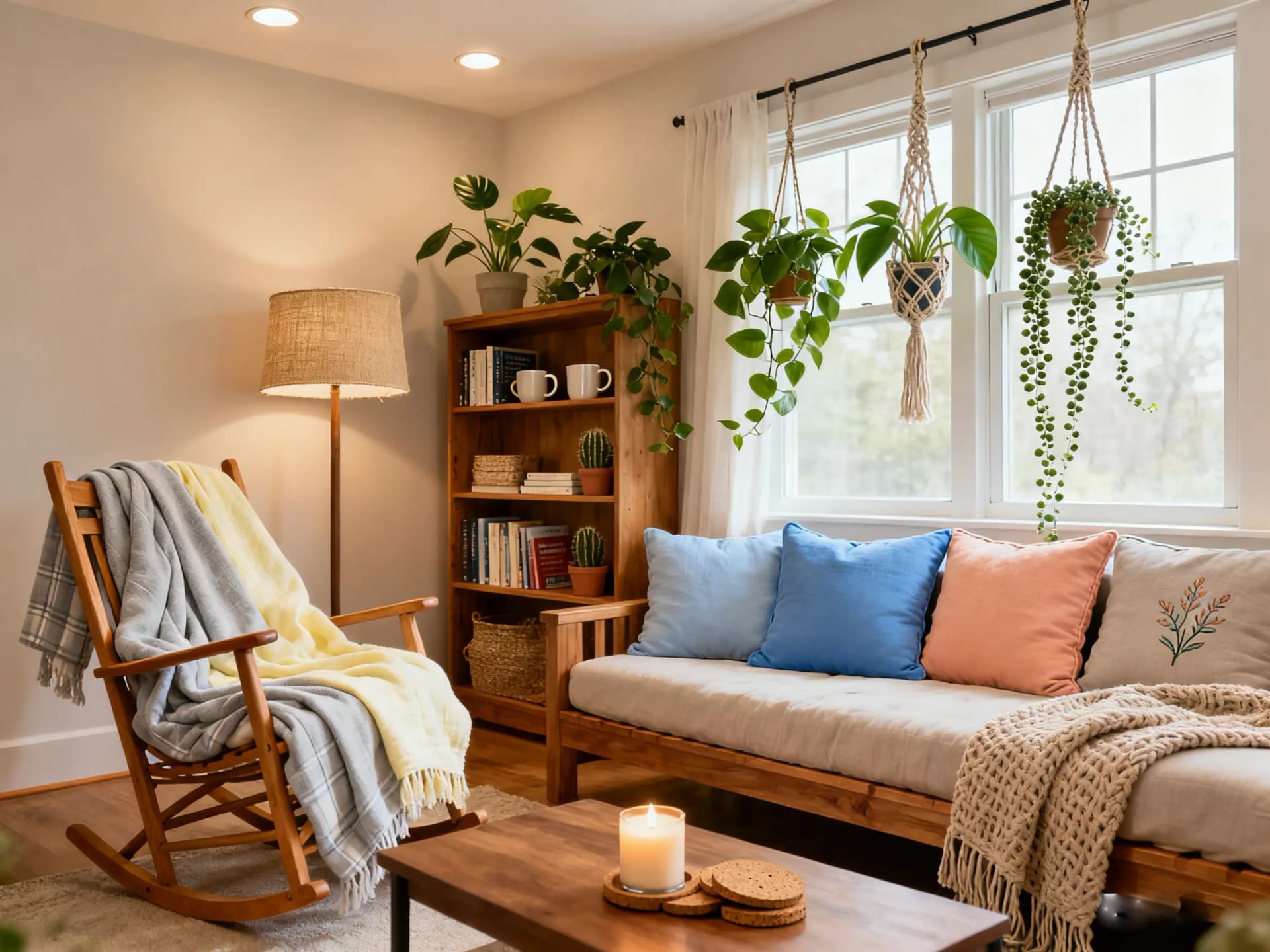
Adding cushions, throws, or slipcovers
Styling matters just as much as furniture quality. Thoughtful lighting, textiles, and arrangement can make inexpensive pieces feel intentional and cohesive.
Refreshing furniture instead of replacing it supports both your budget and a more mindful approach to consumption.
How to Stretch Your Furniture Budget with Smarter Shopping Habits
Ultimately, budget furniture works best when paired with strong shopping habits.
Start by setting a realistic budget that reflects your priorities. Focus on needs before trends, and let your space evolve over time instead of filling it all at once.
Comparing prices across platforms helps prevent overpaying, especially when the same item is listed in multiple places. Before finalizing a purchase, it’s often worth checking for sales, cashback tools, or promo codes that can quietly lower the total cost.
The goal isn’t to chase discounts—it’s to make savings a natural part of the process, supporting smarter decisions rather than driving them.

Conclusion
Furniture shopping on a budget isn’t about sacrifice—it’s about intention. When you focus on value, comfort, and long-term use, you naturally spend less and live better.
Smart choices consistently outperform fast deals. A thoughtful home doesn’t need to be built overnight, and it doesn’t need to be expensive. By mixing patience, planning, and practical savings tools, you can create a space that supports your daily life without financial stress.
Savings should make life easier, not more complicated. When used thoughtfully, they give you room to breathe—and to enjoy your home more fully.
FAQ
Is budget furniture worth buying long-term?
Yes—when chosen based on materials, usage, and overall value rather than price alone.
Where is the best place to buy budget furniture online?
Compare multiple online stores and check for seasonal sales before purchasing.
When is the best time to buy furniture for less?
End-of-season and major sale periods often offer the best prices.
How can I make cheap furniture look more expensive?
Small DIY upgrades and thoughtful styling make a big difference.