It was 2:07 a.m. on a Tuesday.
My phone buzzed. Again.
“90% off. AI-exclusive deal. Ending soon.”
Half asleep, I tapped. The product looked fine. The price looked unreal. I almost hit Buy. Then I checked the price history the next morning. Turns out the “original” price had jumped the day before. The deal wasn’t real. I’d almost paid full price for the illusion of savings.That moment stuck with me.In 2026, we don’t just shop online anymore. Our AI agents shop for us. They track prices. They scan stores. They send alerts while we’re tired, stressed, or bored. And here’s the truth: Living well on a budget now isn’t about chasing coupon codes all night. It’s about auditing the bots that claim to save us money.

In this guide, I’ll share what I’ve learned from using, testing, and sometimes getting burned by AI shopping tools. I’ll show you how to tell a real Savings Agent from a dressed-up Sales Bot, and which tools are actually worth your time, trust, and data this year.
What Is an AI Shopping Assistant—and How Do They Really Work?
AI shopping tools are basically personal assistants that live in your phone or browser. Their job is simple on the surface: help you find better products and better prices without doing all the manual work yourself.
At their core, these assistants are just software. They scan massive amounts of data across the web in seconds. They look at price histories, skim thousands of reviews, and try to predict when a price might drop again. I think of it like having a friend who spends 24 hours a day wandering around stores, never gets tired, and never forgets a price they’ve seen before.
Most AI shopping assistants focus on a few key tasks. They track prices and notify you when an item hits a target you’ve set. They send deal alerts for flash sales that might sell out quickly. They compare the same product across different retailers, like checking if that toaster is cheaper at Amazon, Walmart, or a smaller outlet you’ve never heard of. Some also act as recommendation engines, suggesting products based on what you’ve clicked or bought in the past.
But here’s the catch, and it matters more than most people realize. There’s a big difference between true price intelligence and sponsored suggestions. Some tools are fairly neutral. They’re designed to surface the lowest price, no matter the store. Others are affiliate-driven. That means they might gently push you toward a retailer that pays them a commission, even if a slightly better deal exists elsewhere.
I’ve learned to use these tools as support, not authority. I let the AI do the boring work of watching prices and scanning stores. But before I actually pay, I still do a quick manual check on my favorite coupon or deal sites. That one extra step keeps me in control instead of letting a bot decide how my money gets spent.
Real Savings vs. Fake Deals: Where AI Shopping Tools Go Wrong
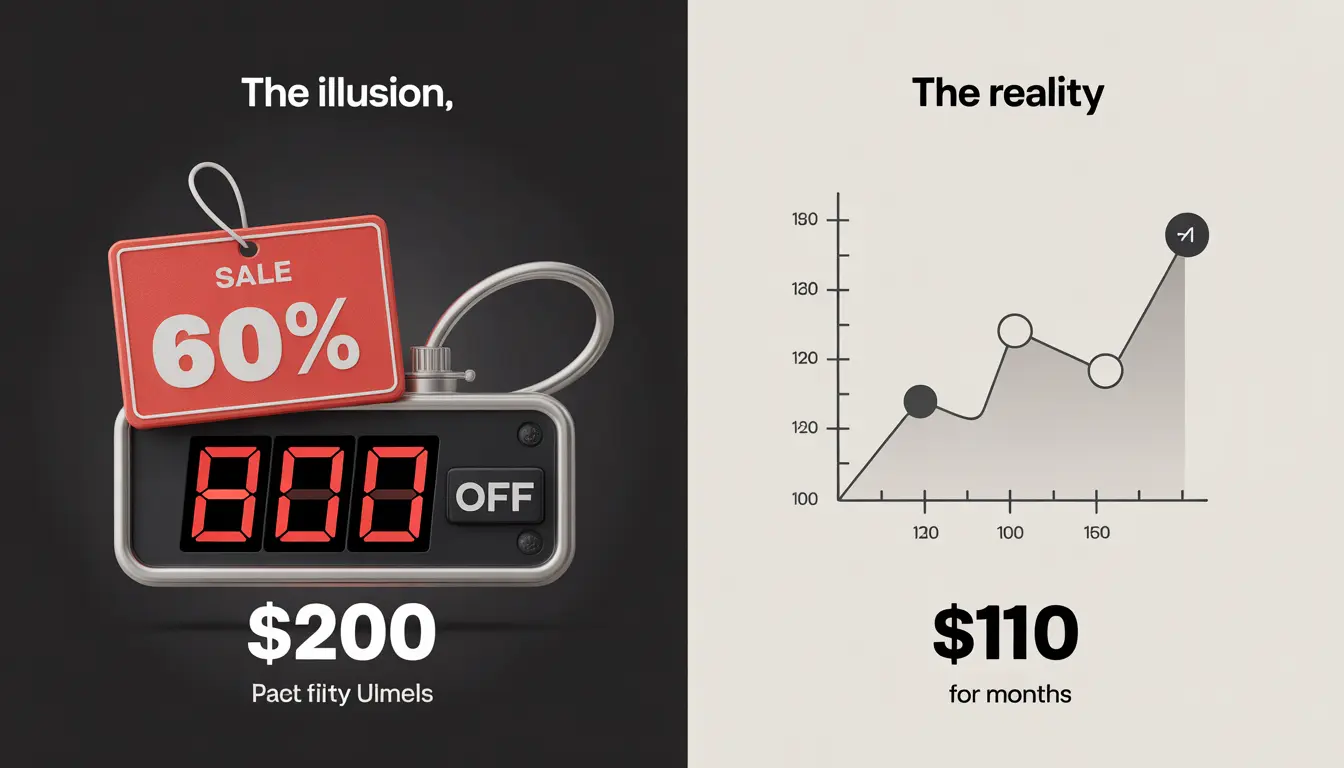
AI can be smart, but it’s not immune to the same tricks that fool humans.The most common one is the inflated original price. A retailer raises the price for a short period, sometimes just a few days. Then they drop it back down and advertise a massive discount. If an AI tool only looks at the last day or two of data, it will flag the deal as amazing, even though you’re basically paying the normal price.
AI tools also mess up because of data lag. Sometimes the bot is pulling an older version of a page. Urgency triggers play a role too. Many algorithms are built to create a sense of “buy now or miss out,” because urgency drives clicks. And if a tool has a close relationship with a specific retailer, it may quietly ignore a better deal somewhere else.
I’ve come to realize that saving money isn’t about finding the lowest number on a screen. It’s about buying less often and buying things that actually last. If a bot talks you into buying something you didn’t need just because it was “on sale,” you didn’t save anything. You just spent money that would’ve stayed in your account otherwise.
Key Features That Separate Helpful Tools from Sales Bots
If you want an AI shopping tool that’s actually on your side, you have to know what to look for.The good ones are calm and transparent. They don’t shout at you. They don’t rush you. Instead of saying, “Great deal, buy now,” they show context. A solid tool might display a six-month price graph so you can see whether today’s price is truly low or just average.
Green flags matter here. I trust tools that compare prices across many retailers, including smaller shops. I like tools that analyze review sentiment and can flag patterns that look fake or bot-generated. And I strongly prefer tools that avoid urgency language altogether. No countdown clocks. No “only two left” warnings.
Red flags are just as obvious once you notice them. If an app sends five notifications a day for items you never searched for, it’s probably a sales bot. If it only recommends one store over and over, that’s bias. I usually pair my AI tools with a cashback app. Even if the price isn’t perfect, at least I know I’m getting something back.
Best AI Shopping Tools to Use in 2026
I group AI shopping tools by use case, not hype.
Price Tracking Tools
Best for planned purchases like electronics or appliances.
They shine when you already know what you want.
Browser Extensions
Good for quick comparisons. Risky for impulse buys.
Some are great. Some are noisy.
Deal Alert Apps
Helpful if alerts are limited. Dangerous if constant.
When I evaluate tools, I look at:
- Accuracy: Does the data match reality?
- Transparency: Do I know how it makes money?
- Ease of use: Does it reduce stress or add to it?
- Bias risk: Does it push one retailer too hard?
No tool is perfect. Context matters. I use AI tools before checking promo codes and sales. That order keeps me grounded.
How to Spot Fake Discounts and Inflated “Was” Prices Online
Even with good tools, you still need a personal nonsense detector.Not long ago, I saw sneakers advertised as 60% off. The “was” price was $200. A quick search showed they’d never sold for more than $110. That discount was pure fiction. This happens constantly, especially during big sales like Black Friday or Prime Day.
There are a few ways I catch this now. I check multiple stores to see if the same “sale” price shows up everywhere. If it does, that’s probably just the new normal price. I look at full price history, not just recent drops. And I ignore countdown timers. Almost all of them reset anyway.
Doing this changed how shopping feels for me. I used to feel anxious about missing deals. Now, if the discount looks fake, I close the tab and move on. It’s calmer. And honestly, it feels healthier.
Using AI Tools Responsibly for Budget-Friendly Shopping
Technology should support your life, not turn you into a hyper-efficient spender. It’s easy to “optimize” your way into debt. If a tool finds ten deals a day, you might buy ten things you never needed. I had to set rules to avoid that trap.
Mine are simple. I follow a 24-hour rule for anything non-essential. I only turn on alerts for items I’ve already decided to buy. And I set a monthly budget for “finds.” When that money is gone, I mute shopping notifications.
I want my spending to support comfort and wellness, not stress. I use AI to monitor prices for planned purchases, like bed sheets or gifts. I don’t use it when I’m bored at night and scrolling for entertainment.
Privacy, Data Tracking, and Sponsored Bias Concerns
Free tools aren’t really free. You usually pay with data.
Most AI shopping assistants track what you view, how long you linger, and what you eventually buy. That intent data is extremely valuable. Some newer tools even collect voice data if you shop using voice commands.

I reduce risk by checking permissions, adjusting privacy settings, and avoiding tools that require linking social media accounts. Whenever possible, I use tools that work without forcing me to sign in.
Being a conscious consumer includes caring about your digital footprint. I’ve shifted toward privacy-first tools. They’re less personalized, but I sleep better knowing my habits aren’t being sold.
When AI Shopping Tools Make Sense—and When They Don’t
AI shines for big, planned purchases.
When I bought a laptop, an AI tool helped me find a refurbished model with a full warranty and saved me almost $300. That’s where data really helps.
But for everyday items, it’s often too much. I don’t need an algorithm to buy shampoo. Sometimes checking a local store circular is faster than optimizing a $5 purchase. Human judgment still wins for simple, frugal living.
How to Combine AI Tools with Coupons, Sales, and Promo Codes
The ultimate way to save money in 2026 is to "stack" your strategies like a pro.
i call this my "Savings Stack." I don't just rely on one bot or one site. I use a specific workflow that ensures I’m getting the absolute lowest price possible. It takes an extra two minutes, but the results are worth it. I feel so much more confident when I finally click that "place order" button.
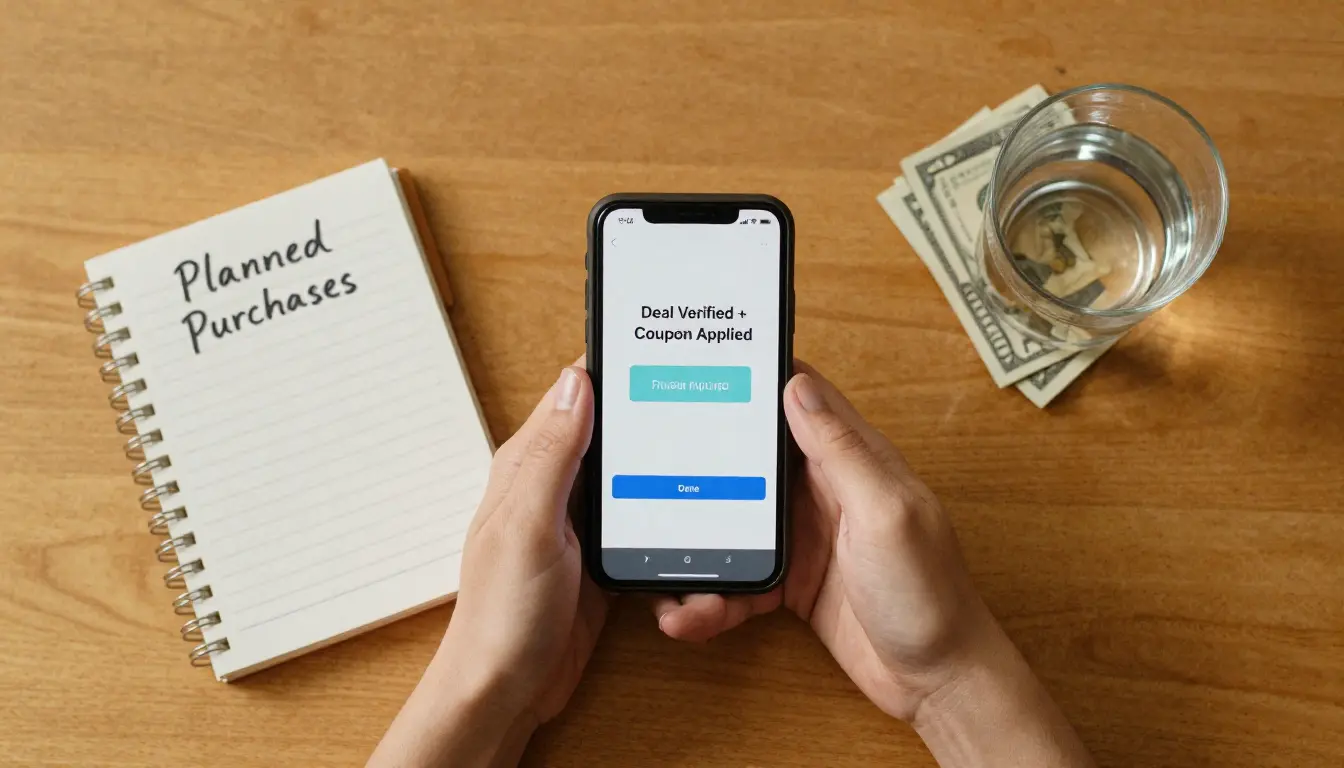
Here is my workflow:
- Plan: I decide exactly what I need and my max budget.
- Track: I set an AI price alert and wait for the "real" drop.
- Verify: I check a deal-tracking site to make sure the discount isn't a fake.
- Apply: I search for a promo code or use a coupon extension at checkout.
this method gives me the best of both worlds. The AI does the watching, and the coupons provide the final price cut. It’s less time spent hunting and more time enjoying the things I buy. Plus, it keeps me from making those 2 AM impulse buys that I’ll regret by morning.
Future of AI Shopping: Smarter Savings or More Spending?
As we look ahead, AI is going to get even more personal, and that’s a double-edged sword. In the next year or two, AI might start predicting what we need before we even know it. It might see that you’re running low on coffee and just order it for you. While that sounds convenient, it also removes our "conscious choice" from the process. It makes it very easy to overspend without even realizing it.
The risk is that we become "passive consumers." We might stop looking at prices altogether because we "trust the bot." But technology should serve our values, not override them. I believe that intentional shopping—taking a moment to think before we buy—will always be the best way to live a good life.
I want to be the pilot of my own life. The AI can be a great navigator, telling me where the traffic is or where the cheapest gas is. But I’m the one with my hands on the wheel. By staying in control of the "Buy" button, I can enjoy a high-quality lifestyle while keeping my savings account healthy and strong.
FAQs
Are AI shopping tools legit?
Most are very helpful, but you have to pick ones that are transparent about how they make money.
Do AI shopping assistants really save money?
They save money if you use them to track things you already planned to buy, rather than letting them suggest new things to spend on.
Are AI shopping tools better than coupon sites?
They aren't "better"—they are different. They work best when you use them together to find a low price and then add a discount on top.
Are AI shopping tools safe to use?
Safety varies. Always check what data they are collecting and use privacy settings to limit what they can see about you.