Think about how many times a day you tap your phone to pay. Coffee on the way to work. Groceries after a long day. A quick ride, a subscription renewal, a convenience-store stop. Money moves out quietly—and most of the time, nothing comes back.
For many people, that’s not overspending. It’s just life.
The good news is that living a budget-friendly, intentional life doesn’t have to feel like a part-time job of clipping coupons and tracking spreadsheets. Thanks to modern payment tools, a form of passive frugality is possible—where savings happen automatically in the background.
Digital wallets that offer cashback are a perfect example. Used thoughtfully, they can turn everyday spending into small, stress-reducing rewards without changing your routine or pushing you to buy more.
This guide breaks down how digital wallet cashback actually works, which wallets stand out going into 2026, and how to stack rewards intelligently—so your money quietly works a little harder for you.
The “Invisible” Discount:
Digital wallets are often thought of as simple storage apps for cards, but they’ve evolved into much more than that. Tools like Apple Pay, Google Wallet, Samsung Pay, and third-party apps such as PayPal, Venmo, or Cash App now act as reward layers on top of your existing spending.
How Digital Wallet Cashback Works
So how does digital wallet cashback work? When you pay through a digital wallet, the transaction can trigger merchant-funded rewards from the store, platform bonuses from the wallet itself, or card-linked rewards that still apply to your debit or credit card. Unlike traditional coupons, these savings are usually automatic once your card is linked—no codes to remember or paper to scan. You simply tap, pay, and the rewards show up later. From a lifestyle perspective, this small shift is powerful, turning everyday purchases into opportunities to optimize how you spend without changing your routine.
The 2026 Leaderboard: Best Digital Wallets for Daily Rewards
Not all digital wallets offer the same cashback experience. Some focus on convenience, others on ecosystem perks, and some on flexible merchant rewards. Here’s how the most common options fit into everyday life.

1.Google Wallet & Google Pay
Google’s ecosystem includes a “Rewards” and offers section that surfaces location-based and online cashback opportunities. It works especially well for Android users who want rewards without managing multiple apps.
2.Apple Pay & Apple Cash
For Apple Card users, Apple Pay offers “Daily Cash,” typically around 2–3% at select merchants. The appeal here is simplicity—cashback arrives quickly and integrates seamlessly with the Apple ecosystem.
3.Samsung Pay
Samsung Rewards focuses more on points earned across the Samsung ecosystem, which can later be redeemed for discounts or gift cards. It’s a quieter approach but useful for loyal users.
4.PayPal & Venmo
These apps have expanded into QR-code payments and in-store rewards at major retailers. They’re especially practical for shared expenses—like splitting dinner with friends—while still earning occasional merchant bonuses.
5.Cash App
Cash App’s “Boosts” allow users to toggle instant discounts before paying. When used intentionally (and not impulsively), this can feel like a modern version of a targeted coupon—without the clutter.
For students and young professionals, these wallets often double as social tools and budgeting aids, which makes cashback feel like a natural side benefit rather than a gimmick.
Routine Rewards: Earning on Groceries, Bills, and Daily Commutes
The real power of digital wallet cashback shows up in the most boring categories—the ones that quietly eat up a big portion of the budget.
Groceries, utilities, subscriptions, and transit don’t feel exciting, but they’re consistent. Linking digital wallets to these expenses can turn them into steady reward generators.
Many people set up:
- Utility or phone bills through wallet-linked payments
- Grocery store payments via tap-to-pay
- Transit fares using contactless wallet systems
Over time, even small percentages add up.
Some wallets also let you categorize spending, making it easier to see where cashback is actually coming from. That visibility helps reinforce mindful habits—especially when paired with store loyalty programs saved directly inside your wallet.
This is where savings feels supportive, not restrictive.
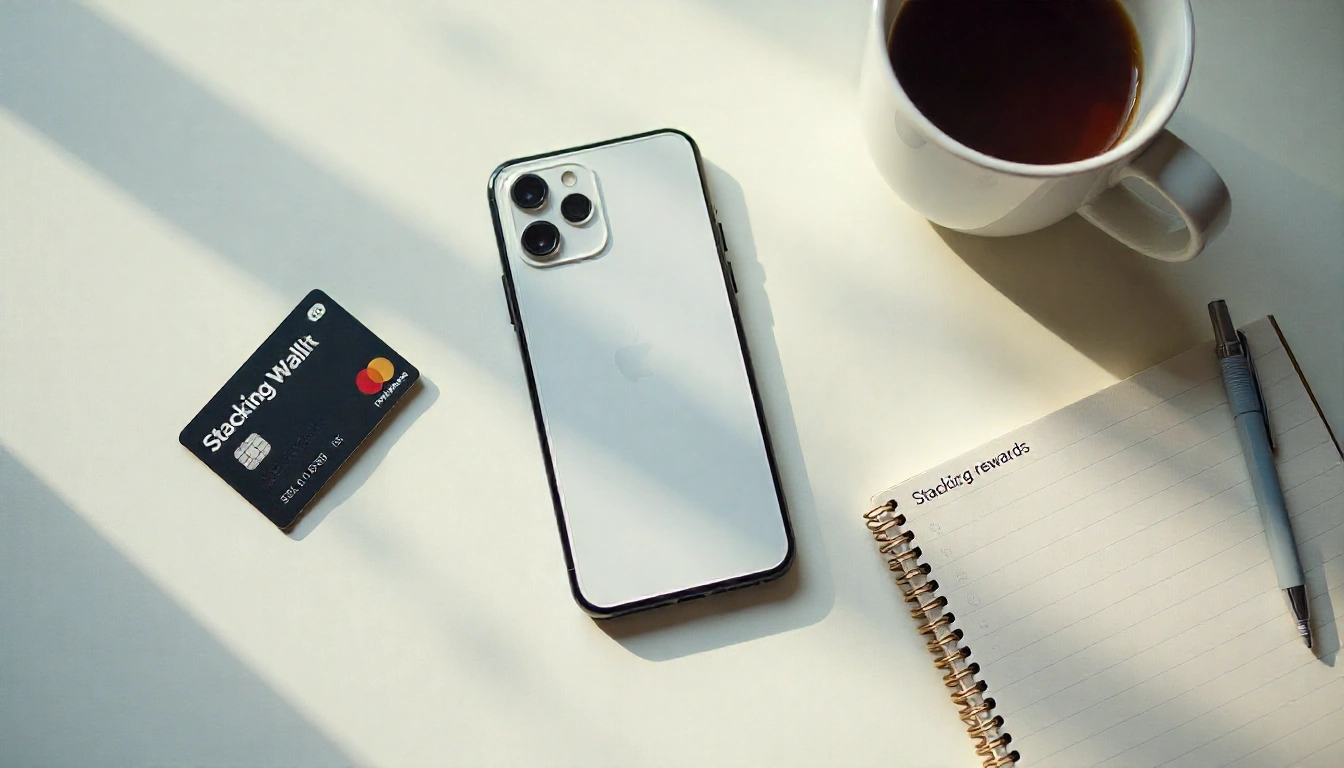
The Stacking Strategy:
One of the most effective—but still intentional—ways to use digital wallet cashback is stacking.
A typical stack looks like this:
- Your card reward (for example, a flat cashback rate)
- The digital wallet bonus (platform or merchant-specific)
- A store discount or promo code applied at checkout
None of these layers require buying something extra. They simply reward a purchase you were already planning to make.
Before checking out online or paying in-store, it can be worth a quick look at shopping sites that aggregate sales, discounts, or promo codes. When paired with a digital wallet, that small step can noticeably reduce the final cost—without turning savings into a chore.
The key is intention. Stacking works best when it supports planned spending, not impulse buying.
Security & Peace of Mind:
Beyond savings, digital wallets offer something many people value just as much: peace of mind.
Most wallets use tokenization, meaning your actual card number is never shared with the merchant. Add biometric authentication like Face ID or fingerprint scanning, and digital payments can be more secure than swiping a physical card.
This matters in everyday situations—like paying at gas station pumps or busy transit hubs, where skimming risks are higher.
For those with tech anxiety, features like remote lock or wipe options add another layer of reassurance. Security may not feel like a “reward,” but it supports a calmer, more confident relationship with money.
The Fine Print: Limits, Expiry, and Common Pitfalls
Digital wallet cashback isn’t perfect, and understanding the fine print is key to using it wisely. Many programs include cashback caps, reward expiration dates, or minimum spend requirements that can limit how much you actually earn. There’s also the risk of overspending—buying something just to get a small reward. A simple monthly reward check-in helps: review what you’ve earned and move it into savings instead of letting it fade back into everyday spending. Used this way, cashback supports discipline rather than undermining it.

Conclusion
Digital wallets aren’t just about speed or convenience. When used intentionally, they act like a modern spare-change jar—quietly collecting value from everyday life.
By choosing one wallet that fits your routine and pairing it with mindful spending habits, you can create a system where savings happen automatically, without stress or deprivation.
You don’t need a complex setup. Start with one app. One habit. Over time, those small percentages can feel like a quiet raise—earned not by spending more, but by spending smarter.
FAQ
Can I use digital wallet cashback if I don’t have a credit card?
Yes—many wallets work with debit cards or peer-to-peer balances and still offer rewards.
Does using a digital wallet affect my credit score?
No—the wallet is just a payment container and doesn’t directly impact credit reporting.
Are there fees for using digital wallet cashback features?
Most major wallets are free, though instant transfers to a bank may carry small fees.
Can I store coupons or loyalty cards in a digital wallet?
Many wallets support digital versions of store loyalty cards and “add to wallet” coupons, reducing the need for paper.