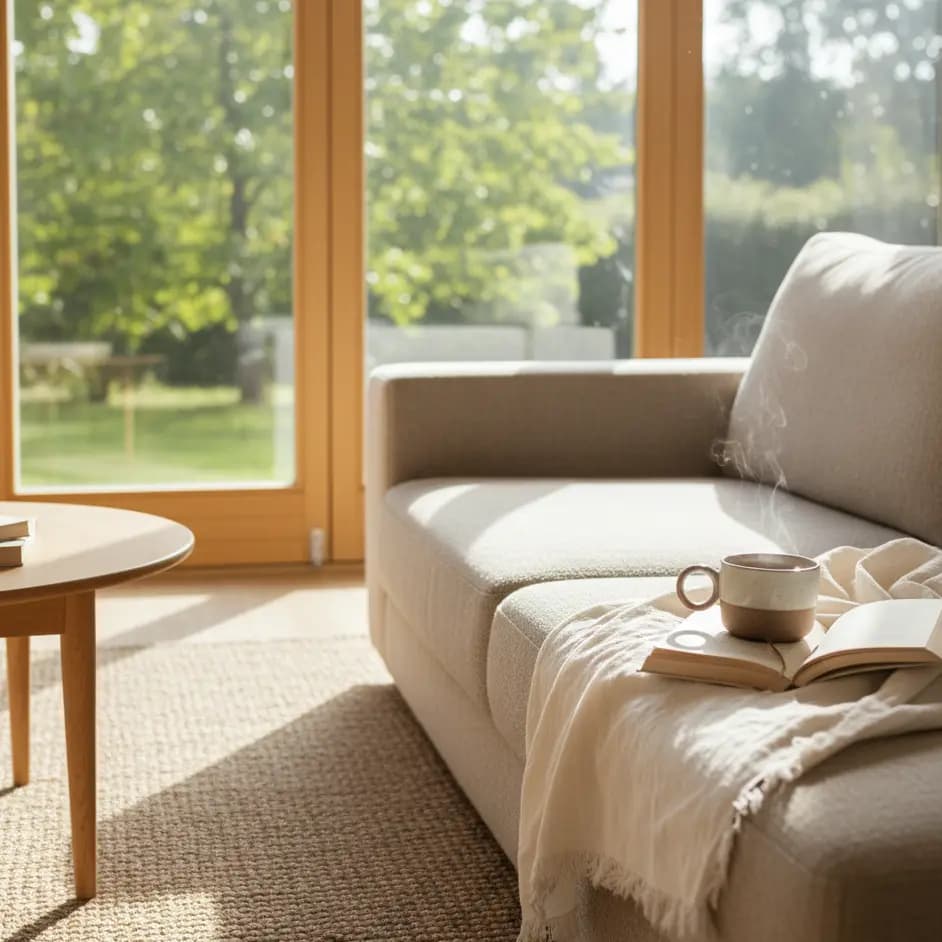
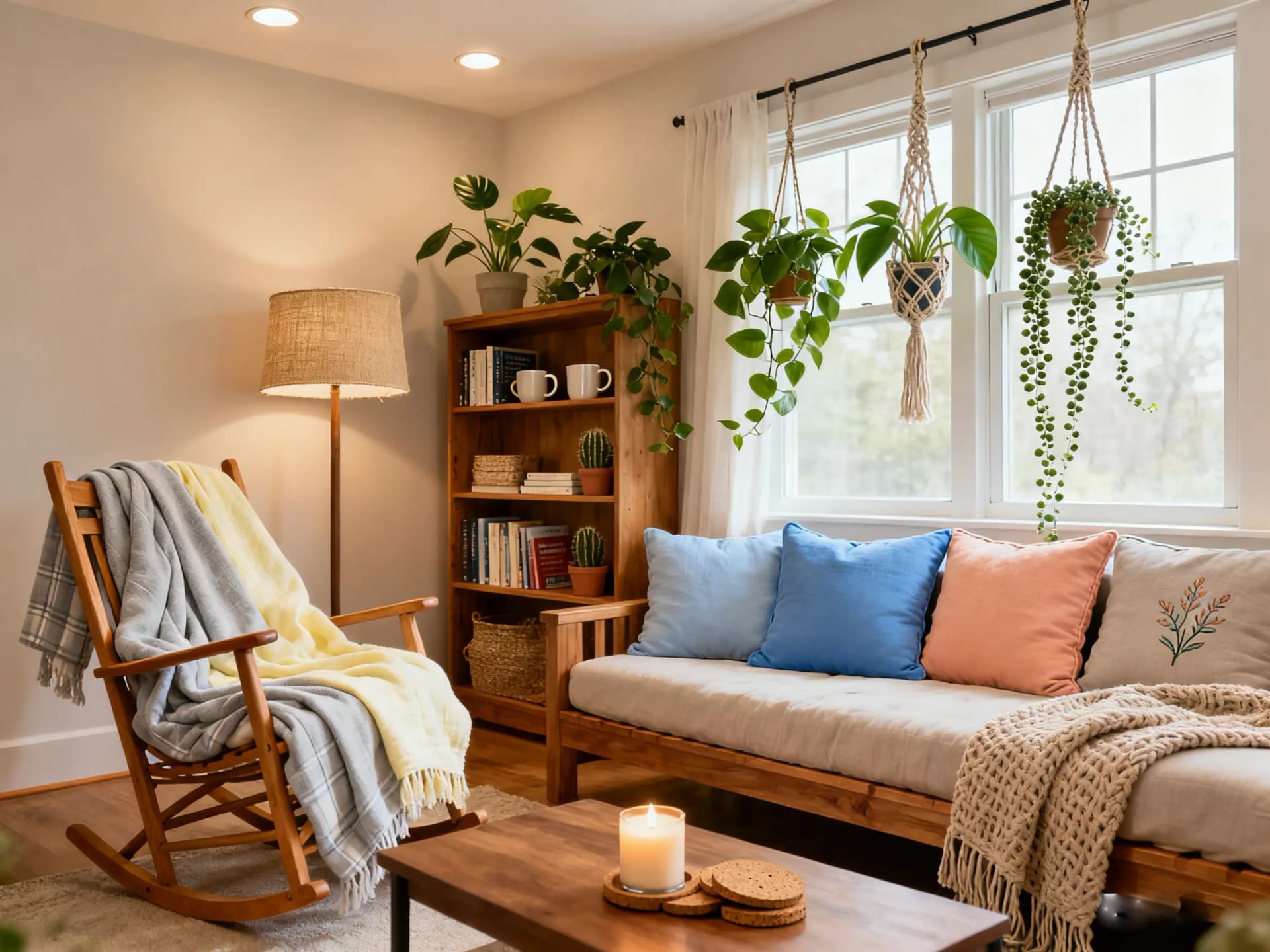
The frustration many people feel at home is something they hardly ever allude to. You sit up to work, read, cook, or study, and even when the lights are on, you are so weary, distracted, or worse still, uncomfortable. The room is technically bright enough, but why does everything still feel out of place?
To most families, it is not a question of productivity, motivation, or even screen time. It’s lighting. To be more precise, it is the supposition according to which a single overhead light is supposed to deal with all the activities, all the moods, and all the times of the day.
The good news is to make your home more comfortable and focused, you do not need to rewire your house, set up new designer lights, or spend more than you intended to spend. Minimal and purposeful adjustments of lighting—and in particular, inexpensive task lighting—can radically transform the way your house feels and works, without giving your budget a strained look.
Here is where micro-zone lighting comes in: an inexpensive, sensible method that goes hand in hand with a life that is more purposeful and economical.
The Reason Why One Overhead Light Is Ineffective for Focus
Overhead lighting is created to be used in order to light an entire room in an even manner, but reality does not work that way. We do not occupy all the areas of a room simultaneously, and our eyes do not enjoy equal illumination on all surfaces.
The ceiling lights tend to produce glare on the screen, produce shadows on the working surface, and make your eyes always readjust. This may cause eye pressure, headaches, and mental exhaustion—particularly when you are working at home, learning at night, or spending many hours on digital gadgets.
The Challenge of Multi-Purpose Spaces
This issue is more evident in contemporary life circumstances. Small apartments, shared houses, or even multi-purpose rooms imply that one space has to be used in a number of ways. One overhead light may be suitable for walking around, but it is hardly very good for concentrated activities such as reading, writing, or cooking.
The first thought that comes to the mind of many people is to either upgrade the fixtures or use recessed lighting, which seems too costly and too hard to begin with. As a matter of fact, substitution of overhead lighting is not always necessary. Focused lighting is typically a lot cheaper, and it provides more comfortable and efficient daily use.
What Is Micro-Zone Lighting? A Smart Strategy
Micro-zone lighting is just what it sounds like: lighting small, narrow areas rather than a room as a whole. The zones are planned around a given activity, rather than the square footage of the space.
Mapping Your Activity Zones
One of the zones is a desk where you work or study. Another is a chair on which you read. The place you cook, the kitchen counter, and the bedside table—they all have their own purpose, and they need to be lit accordingly.
This strategy is particularly effective for renters, those in small spaces, or anyone who does not want to make long-lasting, expensive structural decisions. You are not remaking your house; you are creating a reaction to the way you actually use it.
Promoting Intentional Living
In addition to practicality, micro-zone lighting helps foster a more purposeful lifestyle. With a reason behind every light, there will be less "Visual Clutter" and less temptation to buy excessively. You do not buy a complete matching set; you only buy the lights where they really count. Budgetarily, this translates to less consumption of products and more efficient utilization of the resources at hand.
The Role of Affordable Task Lighting in Increasing Focus
Task lighting is designed to provide light exactly at the point where it is required by your eyes. Task lamps concentrate light on work areas and reading spots as opposed to overhead lighting, which diffuses light throughout the entire room.
Physical and Mental Benefits
This direct light cuts down on glare and shadows, allowing for a clear view without straining to see or hunching over. This may enhance better posture over time, ease eye strain, and make long work sessions less exhausting.
There is also an inconspicuous life advantage. Under good task lighting, one is able to move between activities with ease already in mind. Strong, intense light signals work or study time, while signals of lower intensity—concentrated in a small area—promote relaxation. These visual indicators help in the enhancement of better routines without relying on sheer determination.
Finding Quality on a Budget
Notably, there are many options for cheap task lighting. Numerous budget desk lamps, clip lights, and LED task lights provide excellent performance without being expensive. They are durable when properly selected, and one can save on replacement costs because they can last for years.
Room and Routine: Applying Task Lighting
Various routines require various types of lighting, and not all of them should be costly.
Home Offices and Study Areas
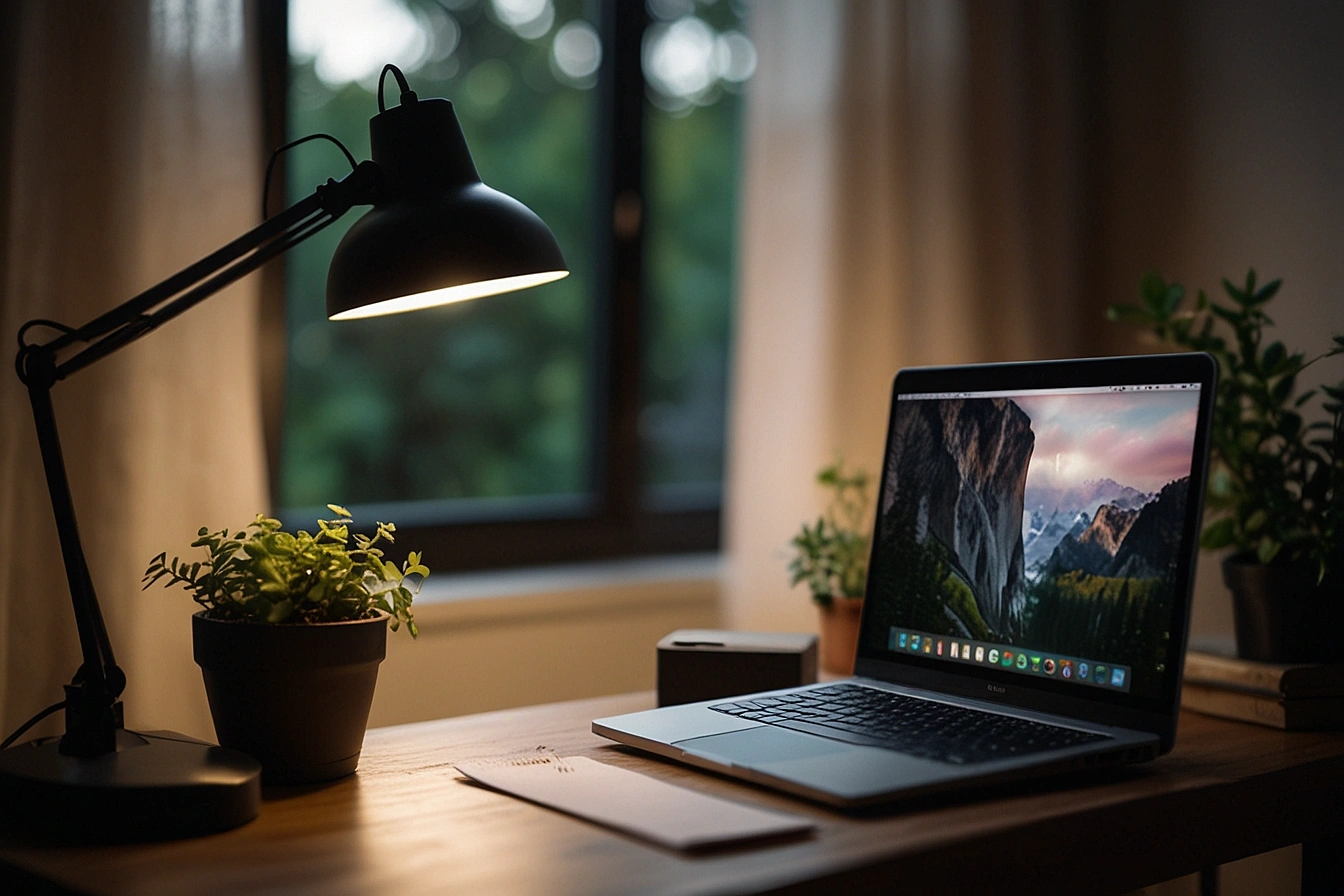
Adjustable desk lamps are a good option here. Find models that have directional arms in order to have control over where the light falls. Clamp or clip-on lamps are a particularly handy solution when you are working with small desks or shared spaces.
Living Rooms and Bedrooms
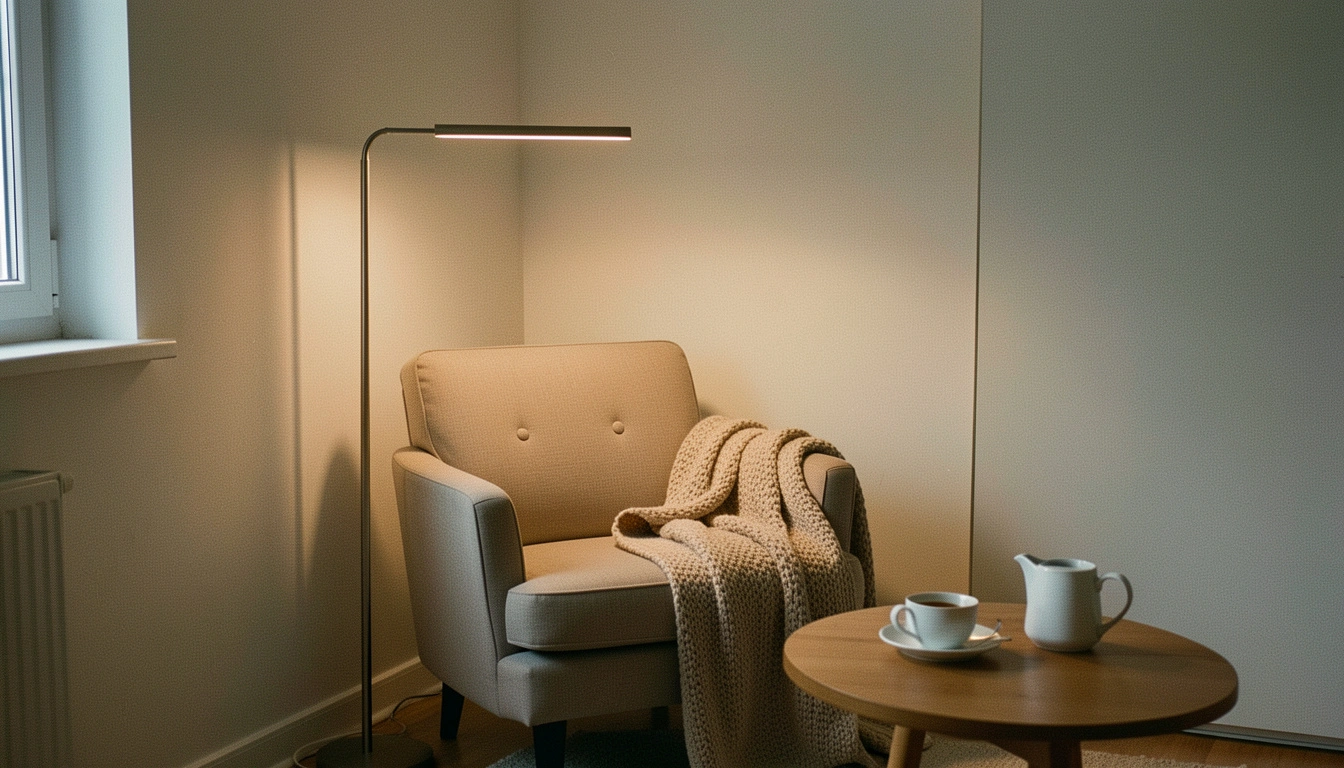
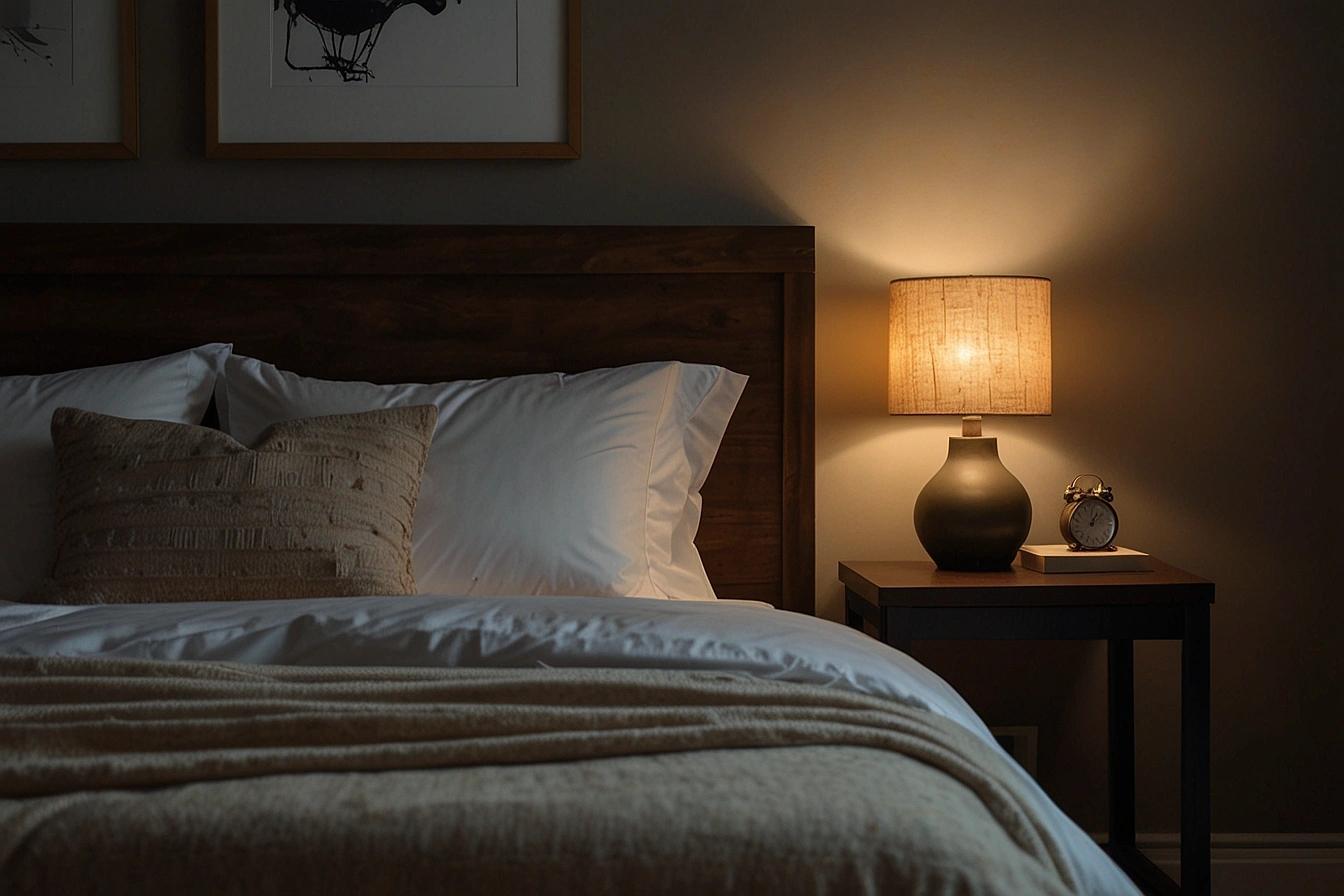
In living rooms, floor or table lamps can mark out reading or rest areas. One floor lamp placed a close distance from a chair is even better than a bright ceiling lamp could ever be. In bedrooms, compact task lighting is best suited for bedside reading. Wall lights or clip-ons allow users to light only a small area, which contributes to improved sleep routines and conserves energy.
Kitchens and Utility Zones
Under-cabinet or puck lights are common in kitchens and help to make food preparation safer and more convenient. A great number of them are plug-in or stick-on and do not require tools or professional installation skills.
Shopping Tip: Keep an eye on online stores that frequently organize seasonal "home refresh" or "back-to-school" sales. Lighting is usually provided at a reduced price during these times.
Lighting for Small Spaces, Renters, and Home Sharing
Flexibility is one of the largest merits of micro-zone lighting. Lightweight, plug-in, and no-drill lamps are versatile and adapt to evolving designs and co-residential conditions.
Visual Zoning Without Clutter
Adequate lighting in smaller areas can physically divide areas without introducing extra furniture. A working place is characterized by a desk lamp, while a relaxation corner is indicated by a floor lamp. This slight zoning contributes to the room feeling more organized and purposeful.
Renter-Friendly Solutions
Lighting solutions do not need any permanent changes, which is a major advantage for renters. Stick-on lights, clamp lamps, and freestanding fixtures cause no damage, and you can take them with you when you move. Furthermore, individualized lighting is beneficial in shared homes; micro-zones enable people to customize their space without interfering with others.
Saving Money in the Long-Run: Eco-Friendly Task Light
LED task lighting especially suits micro-zone systems. LED lights consume much less power than standard bulbs and have a high duration of life, leading to lower energy expenditure and fewer replacements.
Targeted Energy Use
Since task lighting only illuminates the part you are actually using, you are not wasting energy by illuminating parts of the room that are vacant. This accumulates over time, particularly in households where lights are on most of the day.
Intentional Consumption
Intentional consumption also entails picking the appropriate brightness. Adjusting lumens to the task ensures you get enough light without excessive intensity. This makes the process more comfortable and avoids the unnecessary purchase of overpowered bulbs. Many energy-efficient lighting products are common features in online promotions or multi-pack offers, providing long-term savings when bought prudently.
Task Lighting Deals: How to Find the Best Value
Smart shopping does not involve simply getting the lowest price; it involves getting the correct item at the correct price.
Strategic Comparison
Begin by comparing prices across a few online shops, as lighting costs can differ greatly. Desk lamps and LED task lights can be found as part of seasonal sales. Clearance and overstock sections are also worth trying, especially for neutral designs that do not go out of style.
Utilizing Savings Tools
Prior to checking out, look for a promo code or use a cashback application to lower the final price. A planned purchasing checklist allows you to maintain expenditure in accordance with actual needs: specify the purpose, verify size and brightness, and only then consider the price. When a wise choice is backed by savings tools, it eliminates stress rather than stimulating impulse buys.
Conclusion
In case you feel out of shape or unconcentrated under a single overhead light, it is likely not a lack of productivity—it is your surroundings. Micro-zone lighting is a cheap and easy method to match your home with the way you actually live.
With the help of cost-effective task lighting to support your certain routines, you can enhance focus, comfort, and everyday well-being without having to upgrade or buy unnecessary things. Minor modifications done deliberately tend to bring the most significant positive results. Spending wisely is the true key to a better home.
FAQ
Is task lighting superior to overhead lighting?
Yes, in particular for targeted activities which need direct, controlled light.
What lighting is useful at home to aid concentration?
Adjustable task lighting that reduces glare with a narrow, focused light beam.
What should I do to get better lighting without rewiring or remodeling?
Lights may be placed around areas of activity using plug-in lights, clip-on lights, or portable battery-operated lights.
What is the recommended number of lumens when using task lighting?
Around 400–800 lumens for reading or desk work, but not so much as to be glaring or harsh to the eye.