Thinking It still stings when i think about that "Sofa Sticker Shock" back in 2022. i found this forest green velvet couch that was just perfect for my tiny Chicago apartment. But then i saw the $2,400 price tag. i felt sick. That was basically three months of rent for me. i walked out of that store convinced that having a nice home was just a luxury i couldn't afford.
But here is what i learned later: i wasn't broke, i was just early. i went back to that same store six months later and found the exact same sofa in the clearance section for $900. It wasn't a fluke. It was just the retail cycle doing its thing.
.webp)
Most of us shop for furniture when we’re in a panic. We move into a new place, realize we're sleeping on the floor, and rush to the nearest big-box store. And honestly? That is the most expensive way to live. High-quality design isn't just for rich people. It’s a reward for people who know how to wait.
In this guide, i want to share my personal "Big Buy" calendar with you. i’ll show you the best months to shop and how to time your moves so you can save thousands. We’re going to build a home you actually love without wrecking your bank account.
The Retail "New Season" Cycle: Why Furniture Timing is Predictable
Retailers follow a rhythm just like the seasons, and knowing this rhythm is your biggest edge. Shops usually drop new styles twice a year, specifically in February and August. This means that to make room for the fresh arrivals, they have to clear out the "old" stock—even if it has only been on the floor for five months.
During January and July, stores get desperate. They need floor space fast, and that is when i have found my best deals. i once asked a manager at a shop in Denver if i could buy the floor model of a dining table. Since the new shipment was coming the next day, he gave it to me for 60% off just so he didn't have to lug it back to the warehouse.

To really win, you have to plan ahead and use the "Slow Decorating" rule. If you know you need a new bed, start looking in October but don't buy until the January clearance. i always set a reminder on my phone for the last two weeks of January and July. Don't be shy about talking to the staff, either. Just ask, "When is your next floor reset?" Most of the time, they will tell you exactly when the markdowns start so you can be first in line.
The Month-by-Month Savings Roadmap
Timing your buy is about matching your needs to the specific month when those items are historically cheapest.
Q1 (January – March): The Indoor Refresh
January is the gold mine for indoor furniture. This is also the time for "White Sales." If you need new sheets, towels, or a mattress, this is your window. By February, the new styles land, so prices go back up. March is a "shoulder month"—good for negotiating, but fewer big sales.
Q2 (April – June): Office Vibes and Spring Cleaning
April brings tax season. Many people spend their refunds on home upgrades, so look for "Tax Day" promos. May is huge for mattresses because of Memorial Day. June is a great time for office chairs and desks. I found my ergonomic office chair in June for 40% off because stores were gearing up for the "Back to College" rush later in the summer.
Q3 (July – September): The Summer Slump
July is arguably the best month of the year to shop. It’s hot, people are on vacation, and nobody wants to lug a heavy dresser in 90-degree heat. Stores get quiet. This is when you’ll see the deepest discounts. August and September are the times to grab small-space furniture like bookshelves and twin beds.
Q4 (October – December): The Big Finish
October is another quiet month—perfect for haggling. Then comes the Black Friday and Cyber Monday chaos in November. If you love the thrill of a hunt and don't mind crowds, you can score big. December is all about "End of Year" inventory tax breaks. Stores want low inventory on December 31st for tax reasons, so they slash prices one last time.
Tip: If you can wait, the "slump" months (July and October) often have better prices than the "holiday" months because there is less competition.
Category Specifics: Timing Your Room Upgrades
Different rooms have different rules, and matching your room project to the right month is a pro move.
The Living Room (Sofas & Sectionals)
January is the king here. I’ve noticed that living room sets almost always go on sale right after New Year’s Day. People are hosting less and focusing on "New Year, New Me," so sofa sales tend to dip. Retailers react with big discounts.
The Bedroom
May is the month for beds. Specifically, Memorial Day weekend in the US is the "Super Bowl" of mattress sales. I never buy a mattress at full price. If it isn't May, I wait for Labor Day in September. You can easily save $500 to $1,000 just by waiting for these three-day weekends.
The Home Office
August and September are your best bets. With students heading back to school, retailers flood the market with desks and chairs. Even if you aren't a student, you can use those "Student Discount" coupons or shop the general sales that target the academic crowd.
Outdoor & Patio
Do not buy a patio set in May. That is when prices are highest. Instead, wait until the end of August. I bought a high-end teak outdoor set in late September for 70% off. It sat in my garage for the winter, but I saved enough money to pay for a whole year of Netflix.
Holiday Sales vs. The "Summer Slump": Which Wins?
So what’s better—braving Labor Day crowds or shopping during a quiet July afternoon? I’ve tried both, and the experience is very different.
Holiday sales like Presidents Day or Labor Day are appealing because discounts are usually site-wide. You don’t need to search for specific items. The trade-off is demand. Popular furniture sells out fast, delivery timelines stretch, and the rush can turn shopping into a chore.
July shopping feels calmer. During the summer slump, stores are slower and more flexible. Last July, I visited a local furniture store on a weekday and had the place to myself. The salesperson spent real time helping me and even added free delivery. Clearance items were in stock and ready to ship, with no long waits.If crowds and delays stress you out, July is the clear winner. If you want broad discounts and don’t mind the chaos, holiday sales can still work—but they come at a cost.
The Art of the "Deal Stack": My Advanced Saving Strategies
Getting a sale price is good, but "stacking" deals is how you win the game.
Digital Tools and Alerts
I use browser extensions that automatically search for promo codes at checkout. You’d be surprised how many "10% off" codes are floating around that aren't advertised on the front page. I also set price alerts on big items. If a dining table I want drops by $50, I get an email instantly.
The "Abandoned Cart" Hack
This is one of my favorite tricks. I’ll log into a site, put a chair in my cart, and then just... leave. Usually, within 24 to 48 hours, the company will email me a "Did you forget something?" note with a 15% discount code to entice me back. It works about 70% of the time.

Newsletter and Cashback
Before I buy anything, I sign up for the store’s newsletter. Most give you a "Welcome" code for 10% to 15% off. I also use cashback portals. If I’m spending $1,000 on a bed, getting 5% back ($50) is basically a free nice dinner.
- Stack it up: Sale Price + Newsletter Code + Cashback = Maximum Savings.
- Check the Fine Print: Some coupons don't work on clearance items, but it never hurts to try.
- 0% APR Offers: If you have good credit, look for 0% interest for 12 months. Just make sure you pay it off before the interest kicks in!
New, Used, or Custom? Knowing When to Pivot
Sometimes the best deal isn't in a retail store at all.
Custom Furniture
If you want something made specifically for your space, timing matters less for the price and more for the "wait." Custom orders usually take 8 to 16 weeks. If you want a custom sofa for Christmas, you need to order it in August. Custom prices rarely drop, so don't wait for a sale that might never come.
The Marketplace Window
I love Facebook Marketplace and Craigslist for solid wood furniture. The best time to shop here is the last weekend of every month. Why? Because that is when people are moving. They get desperate to get rid of heavy items so they don't have to move them. June and July are peak moving months in the US, making them prime time for used finds.
Sustainability and Quality
I try to follow the "Buy it for Life" (BIFL) rule. It is better to buy a high-quality used oak table than a cheap, brand-new particle board one. Strategic timing lets you afford the better materials. I’d rather have an empty room for two months while I wait for a sale on a quality piece than fill it with junk today.
Strategic Budgeting for the "Big Buy"
Building a home is a marathon, not a sprint. You have to plan your cash flow.
The Sinking Fund
I have a separate savings account just for my home. I put $50 or $100 in it every month. When "Mattress Month" (May) or "Sofa Month" (January) rolls around, I already have the cash ready. This stops me from using credit cards or feeling stressed when a great deal pops up.
Avoiding "Emergency" Buys
I’ve slept on an air mattress for a month before. Was it fun? No. But it saved me from buying a cheap, uncomfortable bed just because I was in a rush. By waiting four weeks, I was able to hit a Labor Day sale and get a high-end mattress that I still love five years later.
Quality Over Quantity
Don't try to furnish a whole house in one weekend. Pick one "hero" piece per year. Maybe this year is the Year of the Great Sofa. Next year is the Year of the Dining Table. By focusing your budget and your timing, you can afford much higher quality than you think.
When Furniture Prices Are Highest
There are moments when the smartest move is not buying at all. Furniture prices are usually highest when new collections roll out. In the U.S., that’s often March, April, September, and October. Stores know shoppers are excited about fresh styles, so discounts are rare and prices stay firm.One of the biggest money mistakes I’ve made is buying furniture right after moving. The urge to make a place feel finished is strong, but that urgency costs money. Retailers sense it. Waiting even sixty days can open the door to real sales and better options.
If saving matters, skip anything labeled “New Arrival.” Those tags almost always mean full price. Patience pays here. If it’s October and you’re eyeing a new couch, waiting until January can easily save a few hundred dollars.In the meantime, use simple stopgaps. A folding table, a borrowed chair, or a low-cost secondhand piece can carry you through until the right sale month arrives.
Buying Furniture When Moving, Renovating, or Downsizing
Moving is stressful, but it’s also one of the best moments to shop with intention. When I moved into my current place, I resisted the urge to buy everything at once. I focused on what mattered most. The bed came first—because sleep isn’t optional. The kitchen table came next. Everything else waited. I didn’t buy a coffee table or a rug for months, and that pause helped me understand how I actually lived in the space before spending more money.
Renovations work the same way. Timing matters. If a contractor wraps up your kitchen in July, you’re in a strong position—summer is a great time to find deals on stools and dining pieces. If the project finishes in April, it often pays to wait. Big holiday sales a few months later can cover those finishing touches for far less.
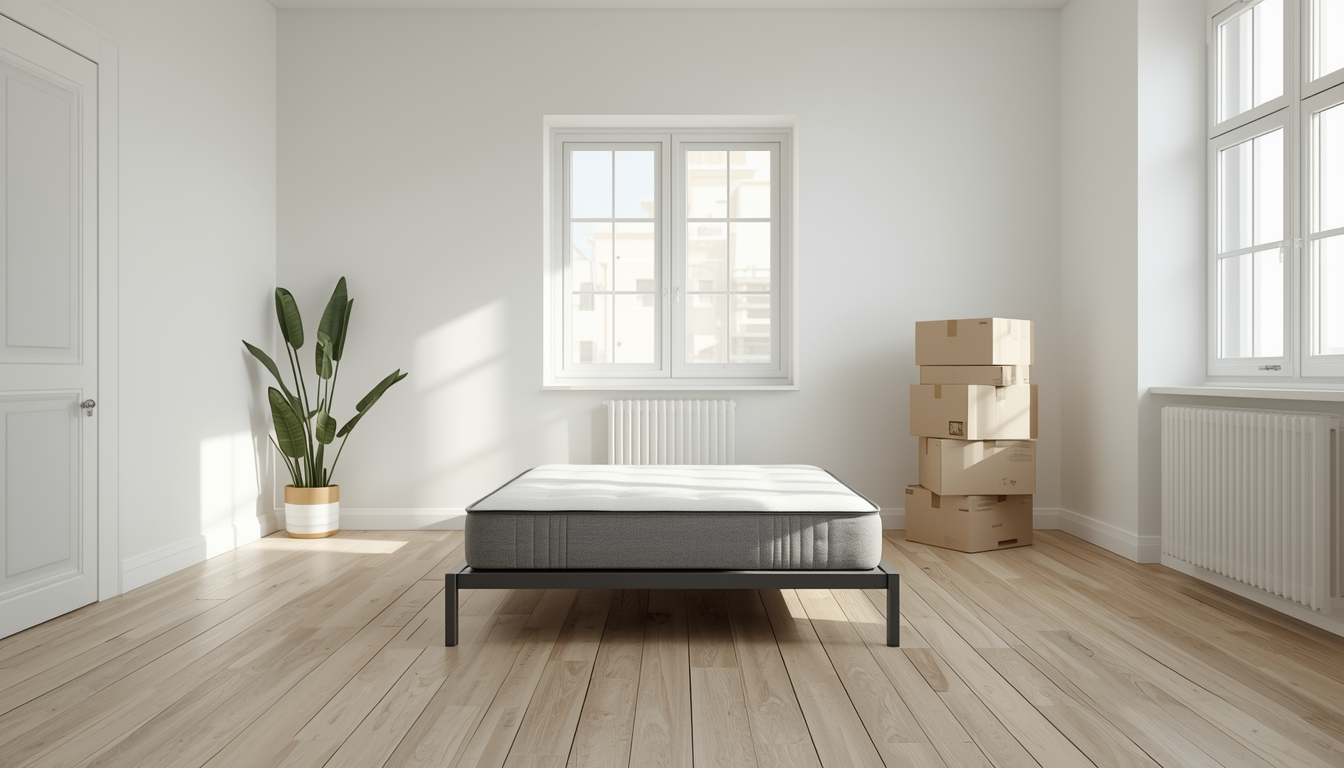
The key is to stagger purchases instead of stacking them. Aim for one major buy per sales cycle. Always compare local stores with online prices too. In many areas, local shops run “moving sales” that quietly beat online deals. And before you buy anything, measure twice. The most expensive furniture mistake is the piece that never makes it through the front door.
Conclusion
At the end of the day, your home should be your sanctuary, not a source of debt. I’ve found that when I wait for the right "Big Buy" window, I appreciate my furniture more. I know I worked for the deal, and I know I didn't overpay.
Remember, a well-furnished home is a marathon. It takes time to find pieces that match your style and your budget. But by following this calendar and using a few smart tools, you can take control of the price tag. You don't have to be rich to have a beautiful home—you just have to be patient.
FAQs
Q: Is it actually cheaper to buy furniture online or in-store?
Online stores often have better promo codes and lower overhead, but in-store shopping allows you to see floor model clearances and negotiate with a manager. If you can, find it in-store to test the comfort, then check for an online coupon before you pay.
Q: How much of a discount should I realistically expect during a peak sale month? You should aim for at least 20% to 30% off. If you are looking at clearance or floor models in January or July, you can often see 50% to 70% off. Never settle for a measly 5% discount during a major holiday.
Q: What if I need furniture immediately but it’s a "high price" month?
Look for "Open-Box" sections on websites like Wayfair or Amazon. These are items that were returned but are in perfect shape. You can also check local thrift stores for a "temporary" piece to use for a few months until the next big sale.
Q: Do custom furniture orders ever go on sale?
The base price of custom furniture rarely drops because it’s made-to-order. However, during big holidays, companies often offer "Free Shipping" or "Free Fabric Upgrades." These perks can save you $200 to $400 on a high-end order.