A simple museum visit used to feel like an easy, enriching way to spend an afternoon. Today, it often comes with sticker shock. Admission prices of $25, $30, or more per person have quietly turned cultural learning into something people postpone, justify, or skip entirely. For families, students, and budget-conscious adults, the cost adds up fast—especially when culture is framed as “extra” rather than part of daily life.
The result is a subtle but real loss. Museums, galleries, science centers, and historic sites are not just entertainment. They are places of learning, inspiration, and mental refreshment. When access becomes too expensive, cultural education drifts out of everyday routines and into the category of occasional splurges.
The good news is that meaningful cultural experiences do not require constant spending. Across cities, there are free museum days, library-based culture passes, and discounted city passes that quietly reduce or eliminate entry fees. They are rarely advertised loudly, but they exist to make culture more accessible.
This guide explains how free museum days work, where hidden culture passes can be found, and how to plan affordable cultural outings as a natural part of everyday life—without pressure, guilt, or overspending.
Why Cultural Education Has Become So Expensive
Museums and cultural institutions operate in a very different financial environment than they did a decade ago. Rising operational costs, high-profile exhibitions, and tourist-driven pricing have pushed admission fees higher year after year. What was once a modest expense is now comparable to a concert ticket or theme park visit.
For families, the burden multiplies quickly. A single outing can cost well over $100 once tickets, transportation, and food are included. Students and young professionals often face a similar barrier, even when they are deeply interested in art, history, or science.
.webp)
The Perception of Culture as Premium Entertainment
Another issue is perception. Cultural learning is increasingly priced like premium entertainment rather than essential education. That pricing sends a subtle message: culture is optional, indulgent, or reserved for special occasions.
This creates a psychological barrier. Even people who value learning may hesitate to spend that much on something they feel they “should” enjoy for free or at low cost. Over time, they disengage—not because of lack of interest, but because of access.
What’s rarely discussed is that many institutions already recognize this problem. They quietly offset high ticket prices through free access programs, community partnerships, and public funding. Knowing where to look is the key.
What Free Museum Days Are and Why They Exist
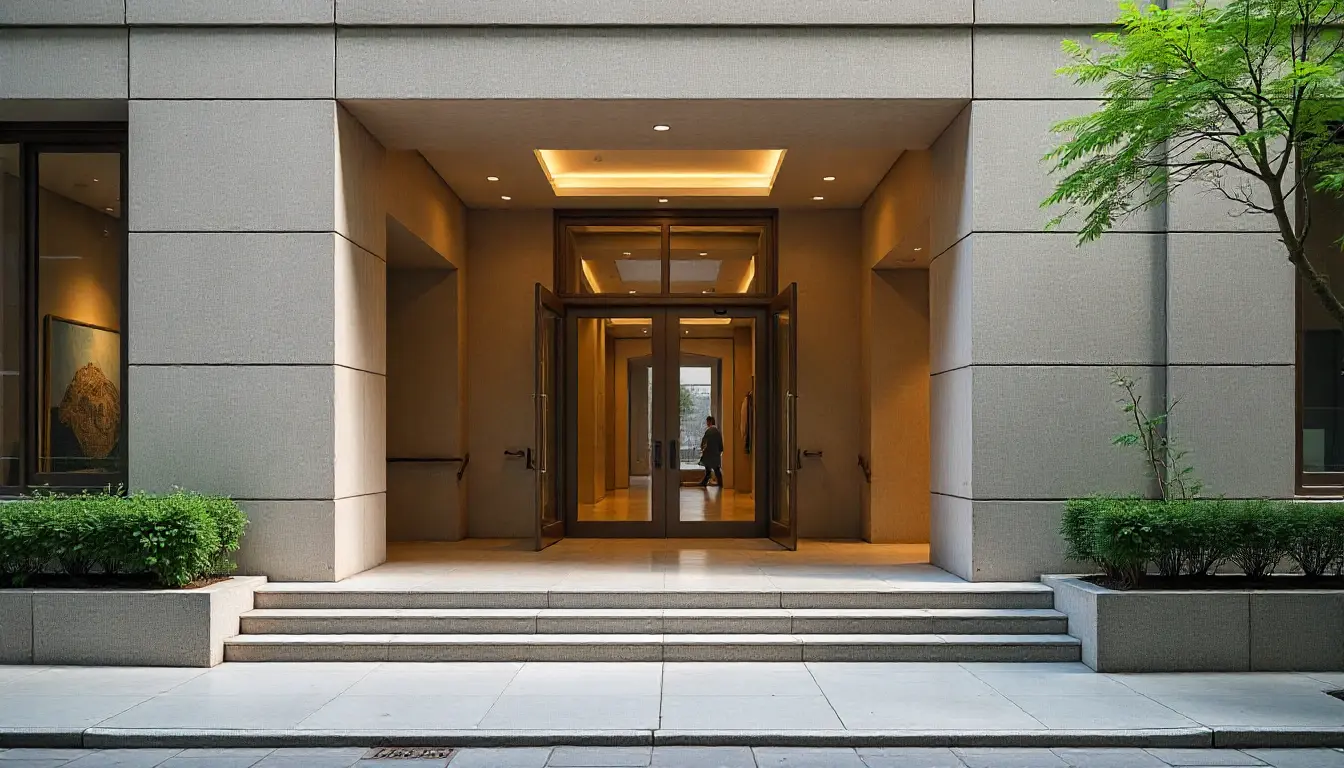
Free museum days are scheduled periods when institutions waive admission fees entirely. These are not promotional gimmicks. They are part of a broader mission to ensure public access to education and culture.
Museums often fund these days through government or municipal grants, corporate or private sponsorships, educational outreach budgets, and community access initiatives. Some free days cover full access to all galleries, while others apply during specific hours or exclude special exhibitions. The structure varies, but the intention is consistent: lowering financial barriers.
Overcoming Misconceptions About Free Days
A common misconception is that free museum days are overcrowded or less enjoyable. While they can be busier, many visitors find that the atmosphere feels more inclusive and community-oriented. For learning-focused visits, free days offer the same educational value as paid ones.
The most important mindset shift is to treat free days as planned routines, not spontaneous backups. When scheduled intentionally, they become reliable opportunities for cultural enrichment.
How to Find Free Museum Days in Your City
Free museum days are often easy to miss because they are not aggressively marketed. Finding them requires a small amount of planning, but the payoff is significant.
Start with museum websites. Most institutions list free admission days on their ticket or visitor information pages. Some publish annual calendars, while others announce dates monthly.
Utilizing Local Resources
City cultural calendars are another strong resource. Municipal websites, local tourism boards, and community newsletters often aggregate free or low-cost cultural events.
Social media can also be helpful. Museums frequently announce free days on their official pages, especially when tied to sponsorships or cultural celebrations.
Strategic Planning for Families and Students
Weekday visits are often less crowded than weekends. For students or flexible schedules, this can make free days even more appealing.
Families can benefit from setting a monthly or quarterly cultural routine—one planned museum visit during a free admission period. Over time, this replaces expensive one-off outings with consistent learning experiences.
Library Culture Passes: The Hidden Gem of Local Access
Public libraries are one of the most powerful—and underused—resources for affordable cultural access. Many libraries partner with museums, zoos, science centers, and historical sites to offer culture passes to cardholders.
These passes typically allow free entry for one household or group. The only requirement is an active library card, which is usually free.
How to Borrow a Pass
Attractions commonly included are art and history museums, children’s museums, science centers, botanical gardens, and cultural landmarks. The borrowing process is similar to reserving a book. Passes are often limited in number, so planning ahead is important.
From a lifestyle perspective, library culture passes turn a basic public service into a powerful education savings tool. They reward planning and curiosity rather than spending. When it comes to value, zero-cost access is the highest return possible. No discount or promotion competes with free entry to a $30–$40 attraction.
Understanding City Passes
City passes are designed for visitors, but they can also benefit locals who want to explore their city intentionally. These passes bundle entry to multiple attractions at a reduced total price.
There are two common formats: time-based passes, valid for a set number of days, and attraction-based passes, allowing access to a specific number of sites.
Best Use Cases for City Passes
City passes work best when several attractions are planned within a short time frame. Buying individual tickets in those situations often costs significantly more.
They are particularly useful for staycations, school breaks, visiting friends or relatives, and intentional weekend exploration. Many city pass platforms quietly run seasonal promotions or reduced pricing during slower tourism periods, which can further improve value.
City Passes vs Single Entry: Which Is Better?
City passes are not automatically a good deal. Their value depends on usage and planning.
A simple comparison helps. Add up the cost of individual tickets for attractions you genuinely want to visit, then compare that total to the city pass price. The difference reveals the break-even point.
Avoiding the "Overbuying" Trap
If you only plan to visit one or two sites, single entry is usually cheaper. If three or more attractions are on your list, a pass often makes sense.
The biggest mistake people make is overbuying experiences to “justify” the pass. This leads to rushed visits and fatigue, which defeats the purpose of cultural enjoyment. Intentional spending means choosing access tools that support your pace, not pressure it.
Using Discount Platforms for Local Tours and Experiences
Guided tours and local experiences often come with premium pricing, especially in tourist areas. However, many local operators offer discounted rates through experience-based shopping platforms.
These discounts commonly apply to walking history tours, neighborhood cultural experiences, and museum-related add-on tours. Off-peak times, such as weekdays or non-tourist seasons, tend to offer the best value.
Enhancing Your Cultural Outing
Discounted experiences can complement free museum visits, creating a fuller cultural day at a lower cost. The key is to view discounts as optional enhancements, not requirements. Checking deal platforms before booking simply ensures you are not paying more than necessary.
Planning Cultural Outings as Part of Everyday Life
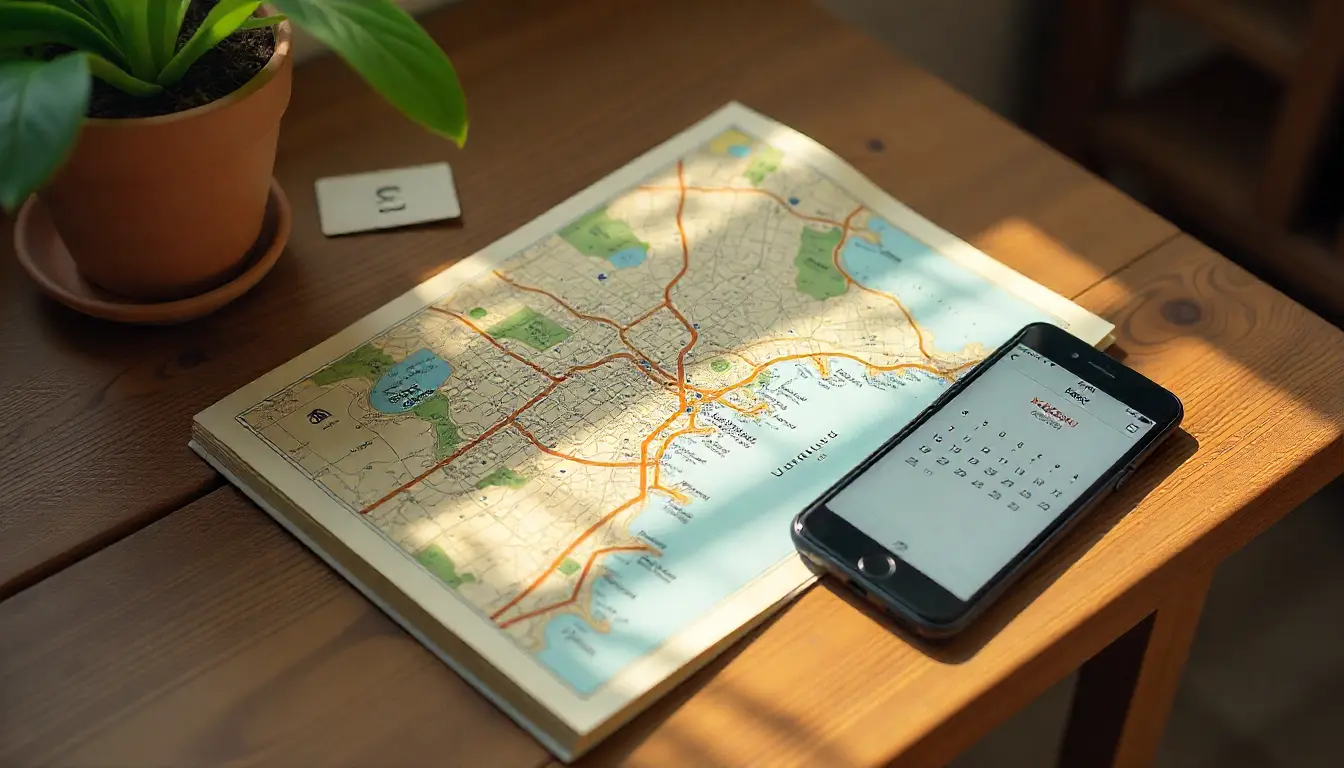
Cultural learning becomes affordable when it is treated as a routine rather than a rare event. Planning is what transforms access tools into lifestyle habits.
A practical approach is to plan one cultural activity per month, mix free museum days with library passes, and add occasional low-cost paid experiences when they feel meaningful.
Shifting Your Financial Mindset
This approach reduces guilt around spending because each outing is intentional and aligned with personal values. Culture becomes self-development, not indulgence. Over time, this mindset shifts how people view leisure spending. Education and enrichment stop competing with budgets—they support them.
Tailored Access for Families, Students, and Solo Adults
Different life stages benefit from culture passes in different ways.
- For families: Child-friendly museums and repeat visits reinforce learning without constant cost. Free days make it easier to leave early or return often without pressure to “get your money’s worth.”
- For students: Students benefit from quiet learning spaces, research opportunities, and inspiration that textbooks alone can’t provide. Culture passes lower the barrier to exploration.
- For solo adults: Solo adults gain access to lifelong learning without enrolling in expensive courses. Museums and cultural institutions become affordable alternatives for mental stimulation and personal growth.
Across all groups, the common thread is access without stress.
Making Conscious Choices Around Paid Cultural Experiences
Paid access is not inherently bad. Some exhibitions and experiences are worth the cost. The goal is discernment.
Before paying full price, ask whether the experience is unique or time-limited, whether it aligns with your interests right now, and whether similar value is available for free or less.
Avoiding Tourist Traps
Avoiding tourist pricing traps often means skipping peak times and comparing bundled options with single tickets. Selective upgrades, combined with free access elsewhere, create balance. Savings tools should support enjoyment, not replace it.
Conclusion
Cultural education has not disappeared—it has simply become harder to see through rising prices. Free museum days, library culture passes, and city access tools quietly keep learning within reach for those willing to plan.
The most important takeaway is awareness. Knowing where access exists saves more than money; it restores culture as part of daily life rather than an occasional indulgence.
Intentional planning replaces impulse spending. Curiosity replaces hesitation. And learning remains affordable without sacrificing comfort or joy. You do not need to overspending to stay engaged, informed, and inspired. Often, access is already available—you just need to look for it.
Frequently Asked Questions
How do free museum days work?
Many museums offer scheduled free access funded by public or private support.
Are city passes worth the money?
They can be valuable when visiting multiple attractions within a short time.
Can families really save money with culture passes?
Yes, especially through libraries, free days, and bundled access.
How can students access museums for free or cheap?
Student programs, library passes, and free admission days are common options.
What’s the cheapest way to visit museums regularly?
Combining free days, library passes, and intentional planning.