It usually happens quietly. You place an order, feel satisfied, and move on—until later you realize someone else paid less for the exact same item. No upgrade, no insider trick. Just a smarter checkout. That moment creates a familiar frustration: the sense that you’re leaving money on the table even though you’re trying to be careful.
This feeling is incredibly common, and it has nothing to do with being careless or bad with money. Most people are busy. They shop with intention, but not with optimization. The good news is that better savings don’t require stricter budgets or cutting out enjoyment. They come from building smarter systems around the purchases you already make.
That’s where coupon stacking comes in. Instead of chasing deals or feeling pressure to buy more, stacking helps you reduce costs automatically. In this coupon stacking guide, you’ll learn what stacking actually means, why so many people miss out on easy savings, and how to turn simple tools into a low-effort lifestyle habit that supports comfort, wellness, and intentional spending.

What Coupon Stacking Really Means
Coupon stacking sounds technical, but the idea is simple. It means using more than one savings method on the same purchase. Rather than choosing between a sale price, a coupon, or cash back, stacking allows these layers to work together.
Many people confuse stacking with extreme couponing. In reality, it has nothing to do with hoarding products or buying things you don’t need. Stacking also doesn’t mean spending hours searching for deals. At its best, it’s a quiet checkout habit that runs in the background while you shop normally.
The key difference between stacking and basic coupon use is intention. Basic coupon use is reactive—you apply a code if you remember. Stacking is proactive—you set up systems that apply savings consistently. You’re not changing what you buy; you’re changing how you pay.
Seen through a lifestyle lens, stacking supports the idea of doing less while gaining more. It’s the same shopping trip, just a smarter finish.
Why Most Shoppers Leave Money on the Table
If saving money were only about effort, more people would do it successfully. In reality, most missed savings come from small oversights that feel insignificant in the moment.
Common reasons include forgetting to test promo codes, skipping cash back activation, or ignoring rewards programs entirely. Each choice feels minor. Together, they create ongoing financial leakage.
There’s also a psychological factor at play. Loss aversion makes people notice large expenses but dismiss small ones. A few dollars saved doesn’t feel meaningful, yet those small savings repeat month after month. Over time, they can cover essentials, reduce stress, or create breathing room in a tight budget.
Another issue is visibility. Many savings exist quietly in the background—through browser tools, apps, or loyalty systems. If you’re not actively looking, you won’t notice what you missed. Stacking simply brings those hidden savings into a repeatable routine.

How Coupon Stacking Works in Real Life
At a high level, stacking follows a predictable flow. You begin with the lowest available price, then layer additional savings on top. The order matters, but the process itself is straightforward.
Most stacking starts with an existing discount or sale. From there, a promo code may reduce the price further. Cash back then applies to the final purchase, and rewards points accumulate for future use. These layers rarely conflict when applied correctly, which is why stacking works so reliably.
The lifestyle benefit here is efficiency. Instead of relying on willpower or memory, stacking relies on systems. Once you understand the flow, you repeat it without thinking. Savings stop feeling like a task and start feeling automatic.
When framed as a routine rather than a project, stacking becomes sustainable—even during busy seasons or stressful months.
Sales, Discounts, and Timing Your Purchases
The foundation of any coupon stacking guide is timing. The starting price matters more than any other layer. A coupon on an overpriced item rarely beats a sale on a well-timed purchase.
Many online stores follow predictable discount cycles. Seasonal transitions, clearance periods, and inventory resets often trigger price drops. Learning these patterns turns waiting into a money-saving skill rather than a restriction.
This approach supports intentional living. Instead of impulse buying, you pause, evaluate, and purchase when value aligns with need. Sales become a baseline, not a victory. When you treat them this way, every additional layer of stacking becomes more powerful.
Checking store pricing patterns before buying is not about obsessing. It’s about awareness. Once you understand how timing works, you spend less mental energy making decisions.
Promo Codes and Digital Coupons
Promo codes remain one of the most familiar savings tools, yet they’re also the most inconsistently used. Many shoppers assume codes won’t apply to sale items or feel discouraged after one failed attempt.
In reality, promo codes are often layered intentionally by retailers. Some apply sitewide, while others target specific categories or order values. The key lifestyle habit here is pausing at checkout rather than rushing through.
This pause doesn’t need to involve searching manually. Automated tools can quietly test available codes while you continue with your routine. When viewed this way, promo codes become a passive checkpoint instead of a scavenger hunt.
Over time, this habit alone can noticeably reduce routine spending without requiring extra planning.
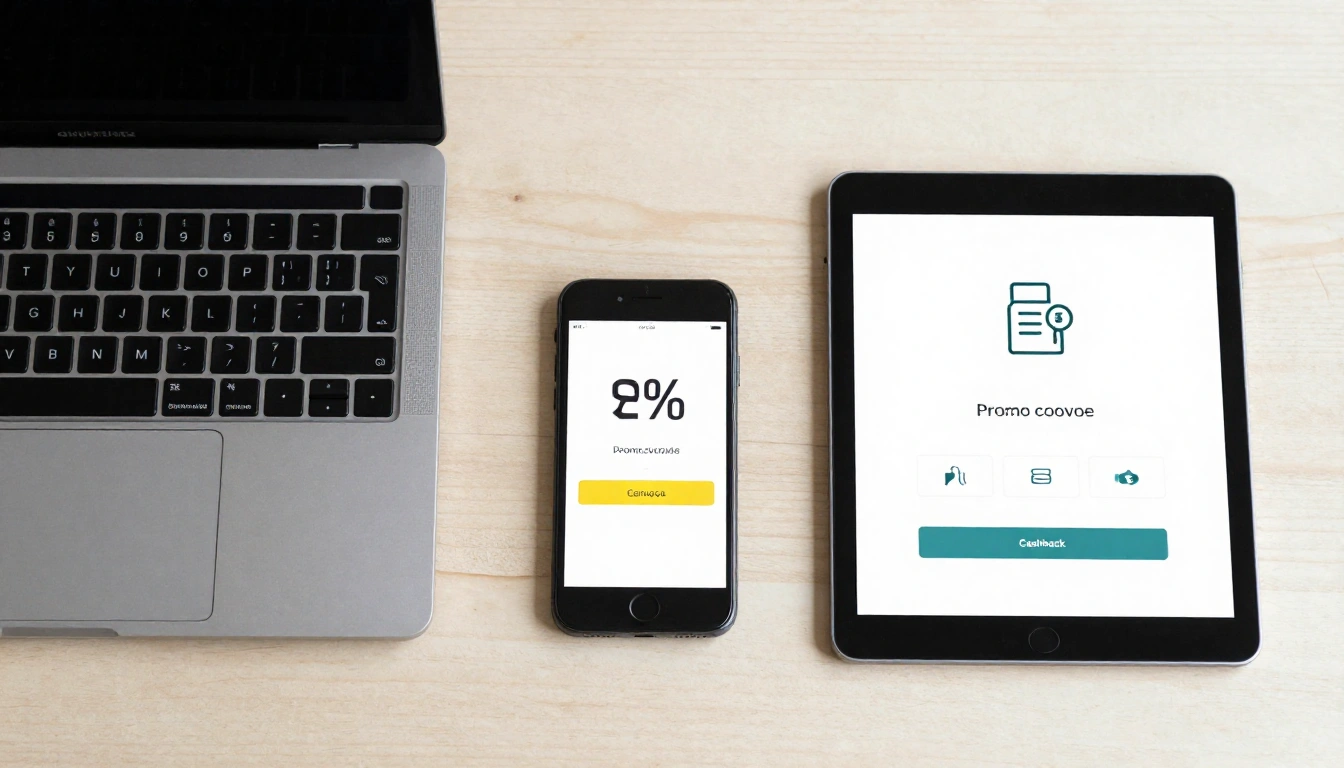
Cash Back as a Passive Savings Tool
Cash back is one of the most overlooked stacking layers because it doesn’t change the price you see at checkout. Instead, it works after the fact, returning a portion of your spending later.
Because it feels invisible, many people forget to activate it. Yet cash back often stacks smoothly with sales and promo codes, making it one of the most efficient tools available.
The lifestyle shift comes from repetition. When you activate cash back as part of your normal shopping routine, it becomes passive income on purchases you were already planning to make. Over time, this can offset groceries, household items, or other recurring expenses.
Cash back apps work best when treated as infrastructure, not incentives. You’re not shopping to earn cash back—you’re earning cash back because you shop.
Rewards Without Overspending
Rewards programs can either support intentional spending or undermine it. The difference lies in motivation. When people chase points, they often overspend. When points simply follow planned purchases, rewards become valuable.
Effective stacking includes rewards as a long-term layer. You earn them quietly and redeem them intentionally. This might mean fewer programs, used consistently, rather than scattered points across dozens of platforms.
From a lifestyle perspective, rewards represent delayed value. They reinforce patience and planning rather than impulse. When combined with sales, promo codes, and cash back, rewards feel like a bonus—not the goal.
Automating the Coupon Stacking Process
Automation is what turns stacking from a habit into a lifestyle system. Browser extensions handle repetitive tasks like testing codes, alerting you to cash back, or flagging price drops.
The biggest benefit here is reduced mental load. Instead of remembering steps, you rely on tools designed to work quietly in the background. This is especially helpful for people managing households, work, or studies alongside tight budgets.
Safety and trust matter, so it’s important to be selective. Using a small number of reputable tools is usually more effective than installing everything available. When chosen carefully, extensions become silent helpers—not shopping triggers.
Common Coupon Stacking Mistakes to Avoid
Even with good intentions, people sometimes undermine their own efforts. Forgetting to activate cash back is common, as is trying to use too many tools at once. Both create friction rather than savings.
Another frequent mistake is buying for rewards instead of need. This shifts stacking from optimization to temptation. Over time, it leads to burnout and frustration.
The most sustainable approach is consistency. Using a simple system repeatedly will outperform complex setups that are hard to maintain. In lifestyle optimization, perfection is less important than reliability.
A Simple Coupon Stacking Checklist for Everyday Shopping
The most effective systems are easy to remember. A short checklist before checkout keeps stacking manageable even on busy days.
First, check whether the item is already discounted. Next, allow any available promo codes to apply. Then, confirm that cash back is active. Finally, ensure the purchase earns rewards where applicable.
This checklist works particularly well for routine purchases, students, and busy households. It reinforces systems rather than deal chasing, keeping spending intentional and calm.
Turning Coupon Stacking Into a Lifestyle Habit
Habits form when actions repeat in stable contexts. Stacking works best when it’s tied to routine behaviors like grocery shopping, replacing household items, or ordering essentials online.
Over time, stacking becomes financial hygiene—something you do automatically, like locking your door or checking your balance. It also becomes digital efficiency, reducing the time you spend thinking about money.
Once set up, savings happen passively. You stop feeling like you’re trying to save and start feeling confident that you’re not overspending.
Conclusion
Coupon stacking isn’t about effort or restriction. It’s about optimization. When systems replace willpower, saving becomes sustainable. Small layers of savings, repeated consistently, matter more than occasional big wins.
Intentional living doesn’t require spending less joyfully. It requires spending with awareness. By stacking coupons, cash back, and rewards thoughtfully, you keep more of what you earn while maintaining comfort and balance.
You don’t need to shop less. You just need to shop smarter—and let your systems do the rest.
FAQ
What is coupon stacking?
Using multiple savings methods on one purchase to reduce total cost.
Does coupon stacking really work?
Yes, especially when used consistently on routine purchases.
Can you use coupons and cashback together?
In many cases, yes—when activated in the right order.
Are browser extensions safe for finding coupons?
Most reputable tools are safe when used selectively.
Is coupon stacking worth it for small purchases?
Small savings repeated often create the biggest long-term impact.