
Almost everyone has experienced it: that quiet moment of surprise at the checkout counter when the grocery total appears on the screen. The cart didn’t seem full—just a few bags of fresh produce, some dairy, a pack of chicken, maybe a loaf of bread—yet the receipt suggests otherwise. Grocery prices have a way of creeping up slowly, especially when you’re trying to prioritize healthy foods like fruits, vegetables, seafood, and poultry.
Then there’s the second frustration that comes later in the week. You open the refrigerator drawer and notice the spinach you planned to use has wilted, the berries are starting to soften, and the herbs never made it into a meal. Watching fresh groceries spoil can feel like watching money quietly disappear.
But eating well doesn’t have to mean overspending. In fact, fresh, nutritious foods are one of the most important foundations of a comfortable and healthy lifestyle. With a few intentional habits and smart grocery shopping strategies, it’s possible to keep your kitchen stocked with wholesome ingredients while spending less.
This guide offers a practical roadmap for mastering how to save money on fresh groceries—from choosing seasonal produce to selecting affordable proteins and planning meals more intentionally. Along the way, tools like weekly store promotions, digital coupons, and grocery deals can help stretch your budget without turning shopping into a complicated task.
Mastering the Produce Aisle: Freshness Without the Premium
For many shoppers, the produce section is where grocery carts begin to fill up quickly. Fruits and vegetables are essential for balanced meals, but they can also become one of the largest parts of the grocery bill if you’re not careful.
Use the Seasonal Strategy
One of the easiest ways to save on fresh produce is to adopt what many budget-conscious shoppers call the “seasonal strategy.” Fruits and vegetables that are in season are usually cheaper because they’re being harvested in larger quantities and require less transportation. They also tend to taste better and last longer.
For example, berries, tomatoes, and zucchini are typically more affordable during summer months when they are abundant. In fall, apples, pumpkins, and root vegetables like carrots and sweet potatoes often appear in store promotions. Winter tends to bring good deals on citrus fruits and leafy greens.
Shopping with the seasons naturally guides you toward the most affordable fruits and vegetables available at any given time.
Choose Whole Produce Instead of Pre-Cut Options
Another habit that can dramatically reduce costs is choosing whole produce rather than pre-cut convenience options. Pre-sliced fruit, chopped vegetables, and ready-to-eat snack packs often cost significantly more per pound than whole versions.
While they save a few minutes in preparation, the price difference can be substantial over time. Whole vegetables also tend to stay fresh longer. A head of lettuce, a bunch of carrots, or a whole pineapple often keeps its quality longer than packaged alternatives.
Embrace Imperfect Produce
It’s also worth reconsidering how we view “perfect” produce. Many grocery stores now sell fruits and vegetables that are slightly misshapen or cosmetically imperfect. These items taste exactly the same as their picture-perfect counterparts and are ideal for smoothies, soups, roasting, or stews.
Choosing these options is not only budget-friendly but also helps reduce food waste.
Many grocery stores highlight their weekly produce specials through store apps or online flyers. Checking those promotions before heading to the store can make it easier to plan meals around the most affordable fresh fruits and vegetables available that week.
The Protein Pivot: Smart Savings on Meat, Poultry, and Seafood
If produce is the starting point for healthy meals, protein is often the most expensive component. Meat, poultry, and seafood can quickly drive up grocery costs, especially when shoppers stick to the same popular cuts each week.
Fortunately, a few small shifts in how you buy protein can create meaningful savings.
Explore Affordable Cuts of Meat
One strategy is exploring what some chefs call “secondary cuts.” Instead of defaulting to chicken breasts or premium steaks, consider cuts that require slower cooking methods but offer excellent flavor.
Chicken thighs and drumsticks are often more affordable than breasts and work beautifully in baked or slow-cooked dishes. Cuts like chuck roast or pork shoulder are perfect for soups, stews, and braised meals that feed several people at once.
Buy in Bulk and Portion at Home
Another helpful approach is buying larger packages of meat or poultry when they are discounted. Family-sized packs frequently cost less per pound than smaller portions.
Once you get home, you can divide the package into meal-sized portions and freeze them. This simple step allows you to take advantage of lower prices without worrying about food spoilage.
Consider Frozen Seafood
Seafood is another area where shoppers sometimes overlook budget-friendly options. While the fresh fish counter can be expensive, frozen seafood is often both high-quality and more affordable.
Many seafood products are frozen shortly after being caught, preserving their freshness and nutritional value. Frozen shrimp, salmon fillets, and white fish are convenient options that can be stored for weeks.
It’s also worth checking the “manager’s special” or clearance section in the meat department. These products are usually marked down because they are approaching their sell-by date. If you plan to cook or freeze them the same day, they can be one of the best ways to stock your freezer at a lower cost.
Dairy Essentials: Quality Staples on a Budget
Dairy products—milk, yogurt, butter, and cheese—are everyday staples in many households. Because they’re purchased regularly, even small price differences can add up over time.
Try Store-Brand Dairy Products
One of the simplest ways to reduce dairy spending is by choosing store-brand products. Many grocery store private labels are produced by the same manufacturers that supply national brands. In many cases, the taste and quality are nearly identical.
Items like milk, butter, cream cheese, and yogurt often perform just as well in cooking and baking when purchased as store-brand versions. This small change can lower grocery bills without requiring any lifestyle adjustments.
Buy Larger Sizes When Possible
Another helpful habit is purchasing larger containers when they make sense for your household. Individual yogurt cups and snack-sized cheese packages are convenient but often cost significantly more per serving than larger containers.
Buying a larger tub of yogurt and portioning it at home can be a simple way to save money.
Prevent Dairy Waste
Preventing dairy spoilage is also important. Storing milk toward the back of the refrigerator—where the temperature is more consistent—can help it last longer.
Shredded cheese can be frozen if you know you won’t use it quickly, and butter keeps well in the freezer for several months.
Some cashback apps occasionally offer small rebates on everyday grocery staples such as milk or eggs. These tools don’t require much effort but can provide modest savings on items you already buy regularly.
The Bakery Bench: Better Bread for Less
Bread might not seem like an expensive grocery item at first glance, but frequent purchases can gradually increase your food budget. Sandwich bread, rolls, bagels, and other bakery products are items many households buy weekly.
Check the Bakery Markdown Rack
One useful place to check in the grocery store is the bakery markdown section. Many stores offer discounted prices on bread that was baked the previous day. These loaves are still perfectly good for sandwiches, toast, or homemade croutons.
Use Your Freezer
Another strategy is using your freezer. Bread freezes extremely well, especially when it’s already sliced. If you find a good deal on sandwich bread or bagels, buying an extra package and freezing it can prevent extra grocery trips later.
Look for Bakery Outlet Stores
Some regions also have bakery outlet stores that sell overstock bread and baked goods from larger brands. These shops can offer surprisingly good deals on staple items.
Bread is also a product that frequently appears in weekly grocery promotions. Buy-one-get-one deals on bread or bagels are common, making it a good opportunity to stock up when those offers appear.
Fresh vs. Frozen: The “Nutritional Parity” Strategy
Many shoppers assume that fresh foods are always superior to frozen ones, but the reality is more nuanced.
Frozen Foods Preserve Nutrients
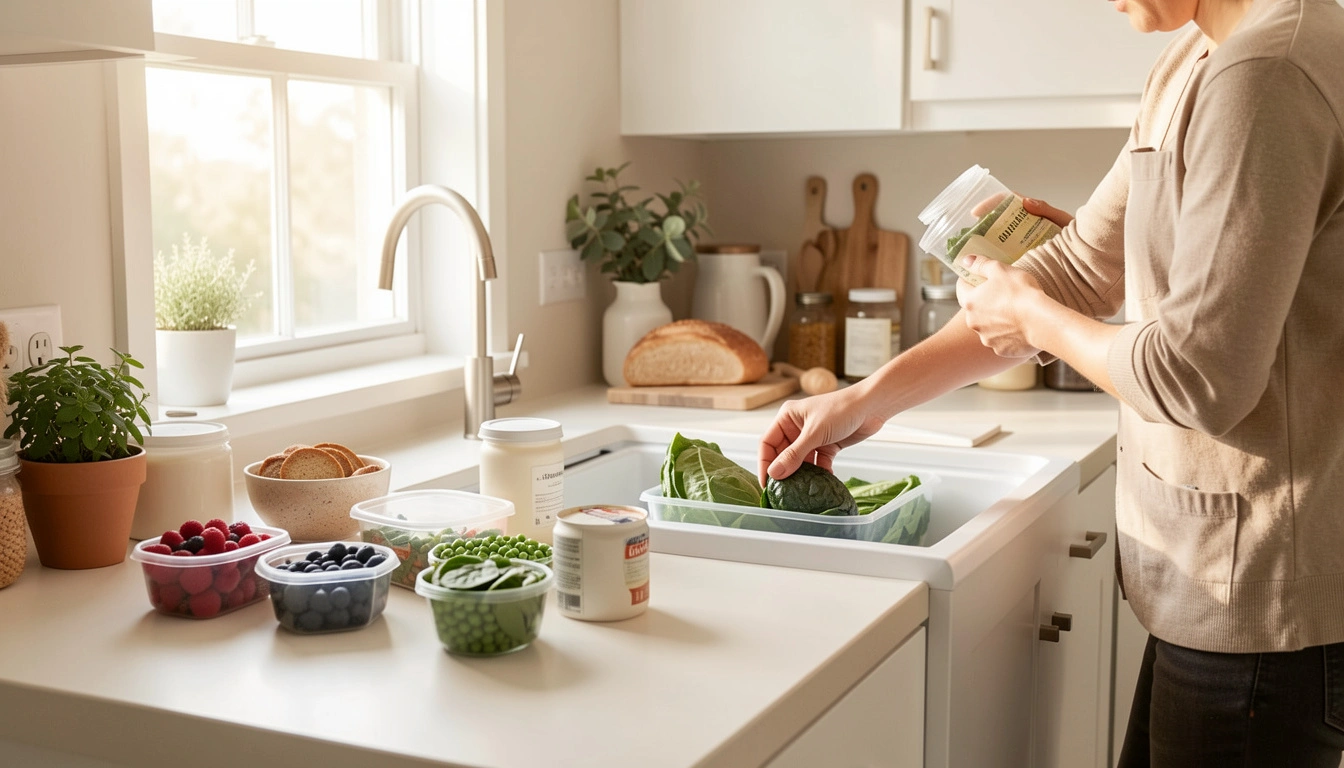
Frozen fruits and vegetables are often harvested at peak ripeness and flash-frozen shortly afterward, which helps preserve nutrients. In contrast, some fresh produce travels long distances before reaching grocery stores. During transportation and storage, it may lose some of its freshness.
Combine Fresh and Frozen Ingredients
For budget-conscious shoppers, frozen foods can play an important role in maintaining both affordability and convenience.
Frozen berries are perfect for smoothies or oatmeal. Frozen peas, corn, and spinach can easily be added to soups, pasta dishes, and stir-fries. These ingredients are often less expensive than fresh versions and have a much longer shelf life.
A balanced approach works well for many households. Fresh ingredients can be used for salads, snacks, or meals where texture matters, while frozen options can fill supporting roles in recipes.
Reduce Food Waste
This “hybrid” strategy helps stretch grocery budgets and significantly reduces food waste. Frozen foods rarely spoil unexpectedly, making them a reliable backup when meal plans change.
Many grocery stores run seasonal promotions on frozen foods, especially during large freezer section sales. Stocking up on versatile frozen staples during these events can be a practical way to reduce weekly grocery costs.
Intentional Planning: The “Shop Your Pantry” Routine
One of the most powerful grocery savings habits doesn’t involve coupons or special promotions. It simply involves planning meals more intentionally.
Try the Reverse Meal Plan
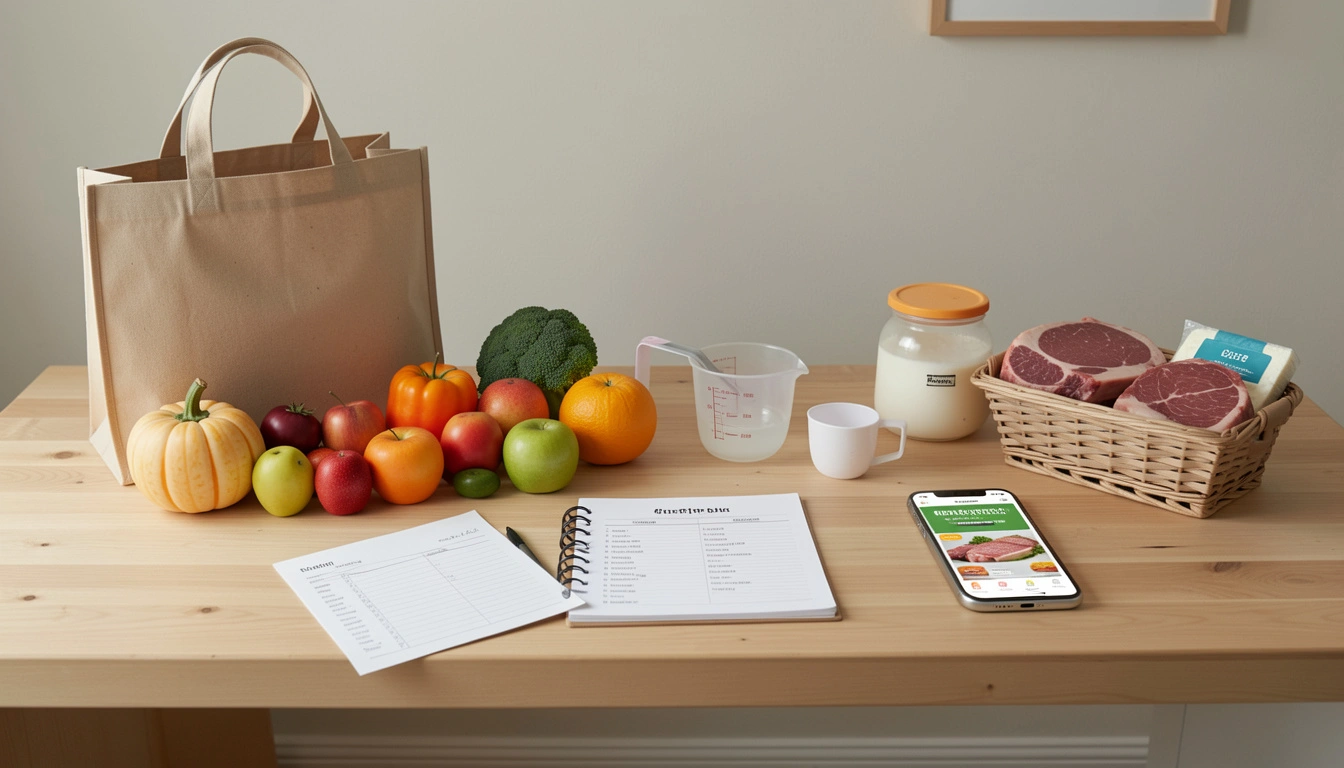
A useful method is the “reverse meal plan.” Instead of deciding on meals first and then buying ingredients, start by looking at what you already have in your pantry, refrigerator, and freezer.
Those ingredients become the foundation for your weekly meals. This approach prevents duplicate purchases and encourages you to use ingredients before they expire.
Pay Attention to Unit Prices
Another helpful habit is paying attention to the unit price labels on grocery shelves. These small numbers show the price per ounce or pound, allowing you to compare products more accurately.
Sometimes a larger package has a higher sticker price but a lower unit price, making it the better value overall.
Avoid Shopping When Hungry
The timing of your shopping trip can also influence spending. Grocery shopping while hungry often leads to impulse purchases, especially snacks or convenience foods that weren’t originally on the list.
Creating a simple budget grocery list before leaving home can help you stay focused. Some grocery list apps even allow users to sync with store promotions and clip digital coupons ahead of time. This makes it easy to see which items are on sale while planning your trip.
Conclusion
Saving money on groceries doesn’t require extreme budgeting or giving up the foods you enjoy. Instead, it’s about developing a few thoughtful habits that make everyday shopping more intentional.
Choosing seasonal fruits and vegetables, exploring affordable protein options, incorporating frozen foods when appropriate, and planning meals around what you already have can significantly reduce your grocery spending.
Tools like weekly store promotions, loyalty programs, and digital coupons can provide additional support without requiring hours of effort. When used occasionally and strategically, they simply enhance the habits you’ve already built.
The bigger goal is creating a kitchen routine that feels calm and sustainable rather than stressful. When grocery shopping becomes more intentional, the benefits extend beyond your wallet. You gain more control over your household budget, reduce food waste, and create meals that support your health and daily comfort.
In many ways, managing your grocery budget is an act of everyday leadership. You’re the CEO of your household, and every thoughtful decision you make helps build a lifestyle that feels balanced, abundant, and financially sustainable.
FAQ
Is it cheaper to buy groceries online or in-store?
Online grocery shopping can sometimes cost slightly more due to delivery fees, but it may reduce impulse purchases that often happen while browsing store aisles.
How do I keep fresh vegetables from spoiling so fast?
Store leafy greens with a paper towel in a breathable container and use your refrigerator’s humidity drawer to extend their freshness.
Are organic vegetables worth the extra cost on a tight budget?
Some shoppers prioritize organic purchases for produce known to carry higher pesticide residues while choosing conventional options for others.
How can I find grocery coupons without spending hours searching for them?
The easiest approach is checking your grocery store’s app or using a cashback tool that automatically shows available discounts on items already in your cart.