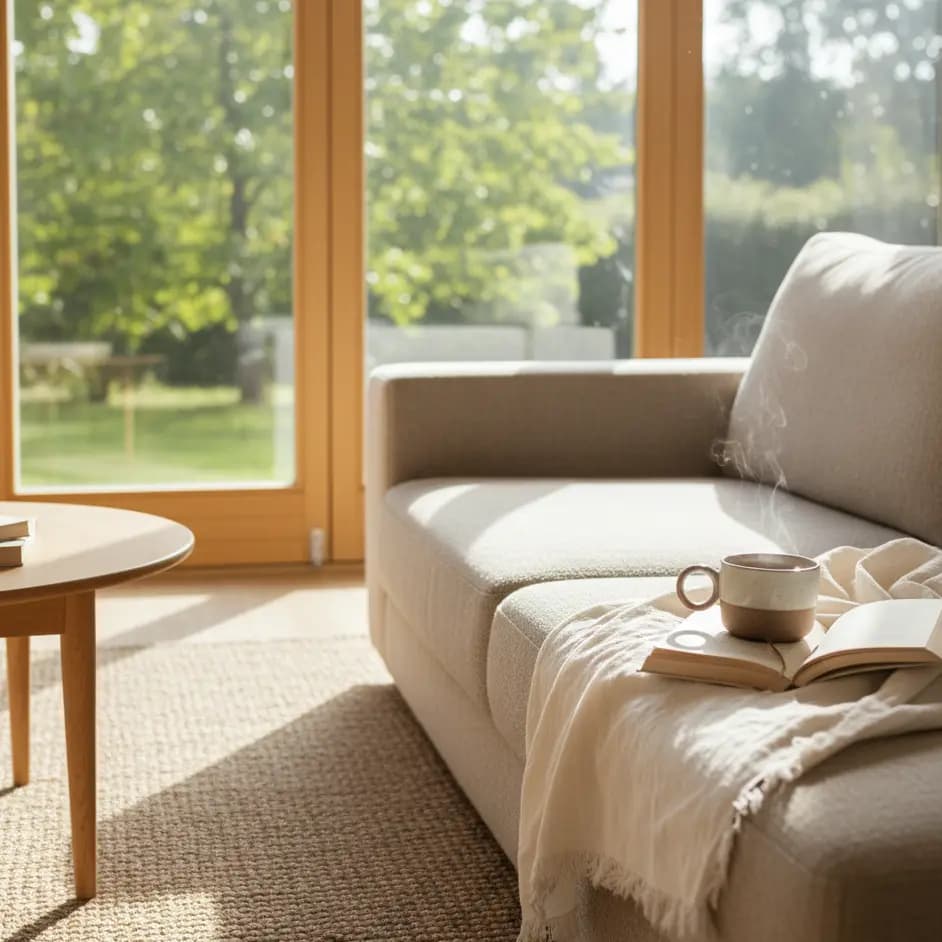
In our fast-paced, hyper-connected world, quality sleep has quietly become something of a luxury. Between constant screen exposure and the lingering stress of a busy workday, many of us find ourselves staring at the ceiling at 2:00 AM, wondering why rest feels so out of reach.
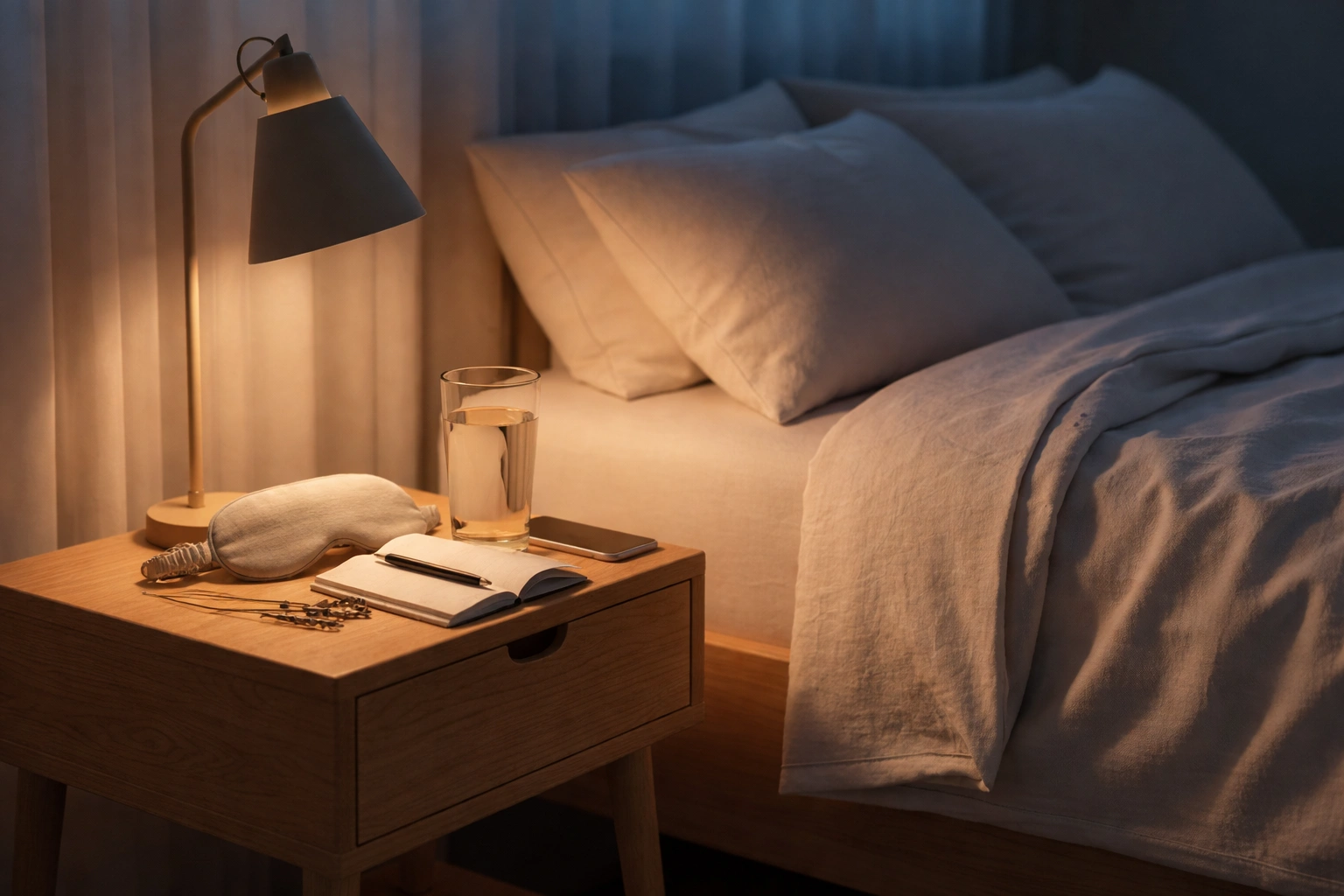
A common misconception is that “fixing” sleep requires a massive investment—a four-figure smart mattress, high-tech wearable trackers, or expensive designer supplements. In reality, sleep is a biological process, not a luxury product.
True, restorative rest often comes from small, intentional changes to your environment and routine. By focusing on simple, everyday essentials that work with your body’s natural rhythms, you can improve your sleep naturally—without breaking the bank. In this guide, we’ll explore practical, affordable tools and habits that actually help you sleep better and wake up feeling refreshed.
Sleep Better Naturally With These Everyday Essentials
Natural sleep improvement focuses on two core areas: your environment and your routine. Your body already knows how to sleep—it just needs the right signals. Darkness, comfort, calm, and consistency tell your brain that it’s safe to rest.
When these signals are missing, sleep becomes shallow and fragmented. When they’re present, melatonin is released naturally, and sleep happens without force. That’s why everyday essentials often work better than quick fixes. They don’t override your body—they guide it back into rhythm.
Simple Sleep Essentials That Actually Help

You don’t need everything on this list. Start with the essentials that solve your biggest sleep issue—light, noise, comfort, or mental restlessness.
1. Sleep Mask (Light Control)
Light is one of the strongest regulators of sleep. Even small sources—street lamps, hallway lights, or digital clocks—can interrupt deep sleep by suppressing melatonin.
A breathable sleep mask blocks ambient light and helps your brain stay in sleep mode throughout the night. You don’t need a premium version; simple cotton masks work just as effectively and are comfortable enough for nightly use.
2. Supportive Pillow (Neck Alignment)
Poor neck alignment often causes subtle discomfort that pulls you out of deep sleep without fully waking you. Over time, this leads to restless nights and morning stiffness.
The right pillow supports your sleeping position and keeps your spine neutral. Side sleepers usually need more height, while back sleepers benefit from moderate support. Comfort and alignment matter far more than brand or price.
3. Warm, Low Lighting That Prepares Your Brain for Sleep
Bright white or blue-toned lights mimic daylight and keep the brain alert. In the evening, this delays melatonin release and makes it harder to wind down.
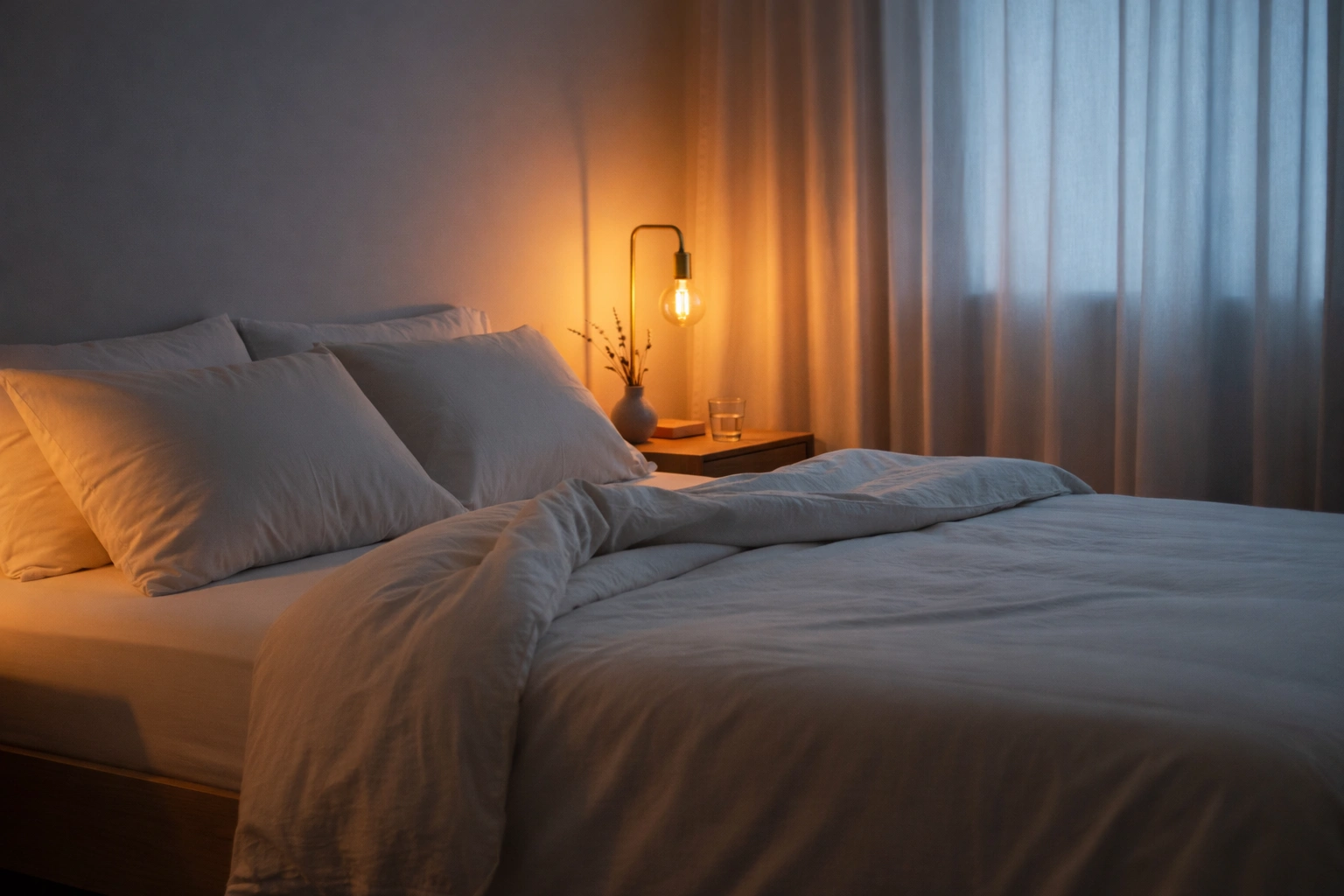
Soft, warm-toned lighting signals that the day is ending. Switching to warm bulbs or using table lamps instead of overhead lights 1–2 hours before bed creates a calming environment that supports relaxation. Even changing a single light source can noticeably improve your evening mood.
4. White Noise or Soft Background Sound
Sudden noises—traffic, barking dogs, or household sounds—often cause micro-awakenings that disrupt sleep cycles. It’s not the volume, but the sudden change in sound that wakes the brain.
White noise or gentle background sounds like rain or fan noise create a consistent audio layer that masks disturbances. Free phone apps or a regular fan work well, making this one of the most affordable sleep improvements available.
5. Breathable Bedding
To fall asleep, your body needs to cool down slightly. Bedding that traps heat can lead to night sweats and frequent wake-ups.
Breathable fabrics like cotton or linen allow airflow and help regulate temperature. You don’t need luxury sheets—mid-range, 100% cotton bedding is often more comfortable than expensive synthetic alternatives.
6. Evening Screen Filter (Blue Light Control)
Phones, tablets, and laptops emit blue light that tells your brain to stay alert. This delays melatonin production and pushes sleep further away.
Turning on night mode or blue light filters after sunset reduces this effect. Most devices already include this feature for free. While it doesn’t replace a full digital break, it significantly reduces sleep disruption when screens are unavoidable.
7. Magnesium-Rich Evening Foods
Magnesium helps relax muscles and calm the nervous system. Low levels are often linked to restlessness and poor sleep quality.
Foods like bananas, nuts, seeds, and leafy greens can gently support relaxation when eaten earlier in the evening. Everyday foods are often more reliable and affordable than supplements.
8. Consistent Bedtime Alarm
Most people set alarms to wake up, but few set reminders to wind down. A bedtime alarm helps create consistency, which is essential for healthy sleep.
Setting an alert 30–60 minutes before bed reminds you to dim lights, reduce stimulation, and mentally prepare for rest. Over time, your body begins to expect sleep at the same time each night.
9. Light Blanket or Layering Option
Comfortable weight promotes relaxation, but overheating disrupts sleep. Instead of relying on one heavy blanket, light layers allow you to adjust throughout the night.
Layering is a budget-friendly alternative to specialized weighted blankets and works well in changing temperatures.
10. Notebook for “Mental Offloading”
Nighttime overthinking is one of the biggest barriers to sleep. When your mind keeps replaying tasks or worries, your body stays alert.
Writing things down helps clear mental clutter. Keep a simple notebook by your bed and jot down reminders or thoughts before sleeping. Any notebook works—the benefit comes from the act of writing, not the format.
Space & Routine Essentials for Better Sleep
Your bedroom doesn’t need to be perfect—it just needs to support rest. A calm, intentional space helps your nervous system relax and strengthens the mental association between your bed and sleep.
Bedroom Setup Tips
- Use warm, minimal lighting near the bed
- Reduce clutter that creates visual noise
- Block outside light with curtains or blinds
- Keep the room slightly cool if possible
A simple evening routine is just as important as the space itself. Repeating the same calming actions each night trains your brain to prepare for sleep automatically.
Evening Routine Essentials
- Dim lights after sunset
- Avoid heavy meals late at night
- Reduce screen use before bed
- Keep bedtime consistent, even on weekends
Before sleep, certain habits quietly undo your efforts. Even small choices can keep your brain in an alert state long after you lie down.
What to Avoid Before Bed
- Bright overhead lighting
- Endless social media scrolling
- Stressful conversations or work
- Caffeine late in the day
Budget Tips: Sleep Better Without Spending Much
Better sleep doesn’t require a big budget—just smart choices. Focus on function and comfort before branding or trends.
Smart Buying Tips
- Prioritize comfort and usability
- Read reviews for durability, not luxury claims
- Choose multi-purpose items
Multi-Purpose Essentials
- Warm bulbs = better mood + energy savings
- Notebook = sleep aid + daily planning
- Fan = airflow + white noise
When Not to Overspend
- Trendy sleep gadgets
- “Miracle” products with vague promises
- Luxury upgrades before fixing basics
Smart Sleep Checklist
Use this simple checklist each night:
- Lights dimmed 1 hour before bed
- Screens on night mode or off
- Bedroom dark and comfortable
- Pillow supports your sleep position
- Calm sound or quiet environment
- Consistent bedtime routine
Small steps, repeated daily, lead to better sleep.
Conclusion: Better Sleep Is About Consistency, Not Perfection
Sleeping better doesn’t require expensive products or complex routines. It comes from small, thoughtful choices made consistently. When your environment supports rest and your habits respect your body’s natural rhythm, sleep improves naturally.
Start simple. Adjust gradually. Focus on comfort, calm, and consistency.
Good sleep isn’t a luxury—it’s a habit you can build.
Start with one small change tonight—and let your body do the rest.
FAQs
1. Can simple essentials really improve sleep?
Yes. Most sleep problems come from environment and routine issues, not medical ones. Small adjustments often make a noticeable difference.
2. How long does it take to notice results?
Some changes help immediately, while deeper improvements usually appear within 1–2 weeks.
3. Is natural sleep improvement effective long-term?
Yes. Habits and environment changes are sustainable and support healthy sleep over time.
4. Do I need everything listed?
No. Start with your biggest issue—light, comfort, or routine—and build gradually.