For a long time, I couldn’t figure out where my money was going.I wasn’t living large. No designer bags. No huge splurges. Just quick online buys that felt small in the moment. A hoodie. A candle. Free shipping made it easy to say yes.Still, the pressure added up. And I felt it.What changed things wasn’t cutting joy or tracking every dollar.
It was planning ahead.That’s when I started using a shopping wishlist.Not the kind that tempts you to spend more.The kind that puts space between the urge and the checkout button.Here, I’ll show how I use a smart online shopping wishlist to stay in control, cut impulse spending, and keep room in my budget for the simple comforts that make everyday life feel good.

What Is a Shopping Wishlist & Why It Saves You Money
A shopping wishlist is basically a digital parking lot for things you want but don’t need this second. I think of it as the buffer between my impulse and my wallet. A regular shopping list is for milk, eggs, and paper towels. A shopping wishlist is for bigger wants—like that air fryer everyone talks about or a solid pair of leather boots. It gives you room to breathe.
When I see something I like, I add it to the list and walk away. Most of the time, by the next day, the excitement is gone. That pause alone saves money. But the real value shows up with budgeting. Using a wishlist for budgeting means I only buy when the price feels right. I’m not paying full price just because I’m in a hurry.
Instead, I wait. I wait for a 20% off coupon. I wait for a holiday weekend sale. I wait for a quiet price drop no one’s shouting about. It’s about staying in control of my money instead of letting a flashing “Limited Time Offer” make decisions for me. A wishlist creates time—time to wait for sales, promo codes, or price drops before buying.
Benefits of the Wishlist Method
- Cooling-off: It stops that quick dopamine hit from turning into a bad choice.
- Price tracking: You can watch prices move over days or weeks instead of guessing.
- Clarity: Seeing everything in one place makes patterns obvious.
- Preparedness: When a real deal shows up, you already know what you need.
How to Create a Smart Online Shopping Wishlist
Building an online shopping wishlist isn’t just clicking a heart icon. It’s about setting up a system that fits your life. First, choose your home base. I’ve tried everything, but I always come back to a simple notes app or a universal wishlist tool that works across stores. It beats juggling ten separate retailer lists.
Once you have a place, add items with intention. I don’t just drop a link anymore. I add the price I saw and a short note on why I want it. Size, color, model, and even one alternative option all go in there. That way, I don’t have to rethink everything later.
I also use a cooling-off rule. For anything over $50, I wait at least three days. If I’m still thinking about it while making coffee on a random Tuesday morning, it stays. If I forgot it existed, I delete it. Simple. Clean. Effective.
I always leave space to note coupon eligibility, upcoming sales, or cashback options. That small habit turns a wishlist into a planning tool instead of a temptation list.
Your Setup Checklist
- Select a tool: An app, notes app, or simple spreadsheet
- Add details: Link, size, color, and version you want
- Check for coupons: Note current promo codes or common sale days
- Set a goal: Decide the price you’re willing to pay
How to Organize Your Shopping Wishlist for Everyday Life
A messy list is just a pile of digital clutter, so you need to give your digital shopping wishlist some structure to make it useful.
I break mine down by lifestyle areas. I have a section for "Home Upgrades," one for "Wellness," and another for "Gifts." This helps me when I’m sitting down to do my monthly budget. If I see I have $100 left over, I check my "Home" section to see if that rug I wanted finally hit a clearance price.
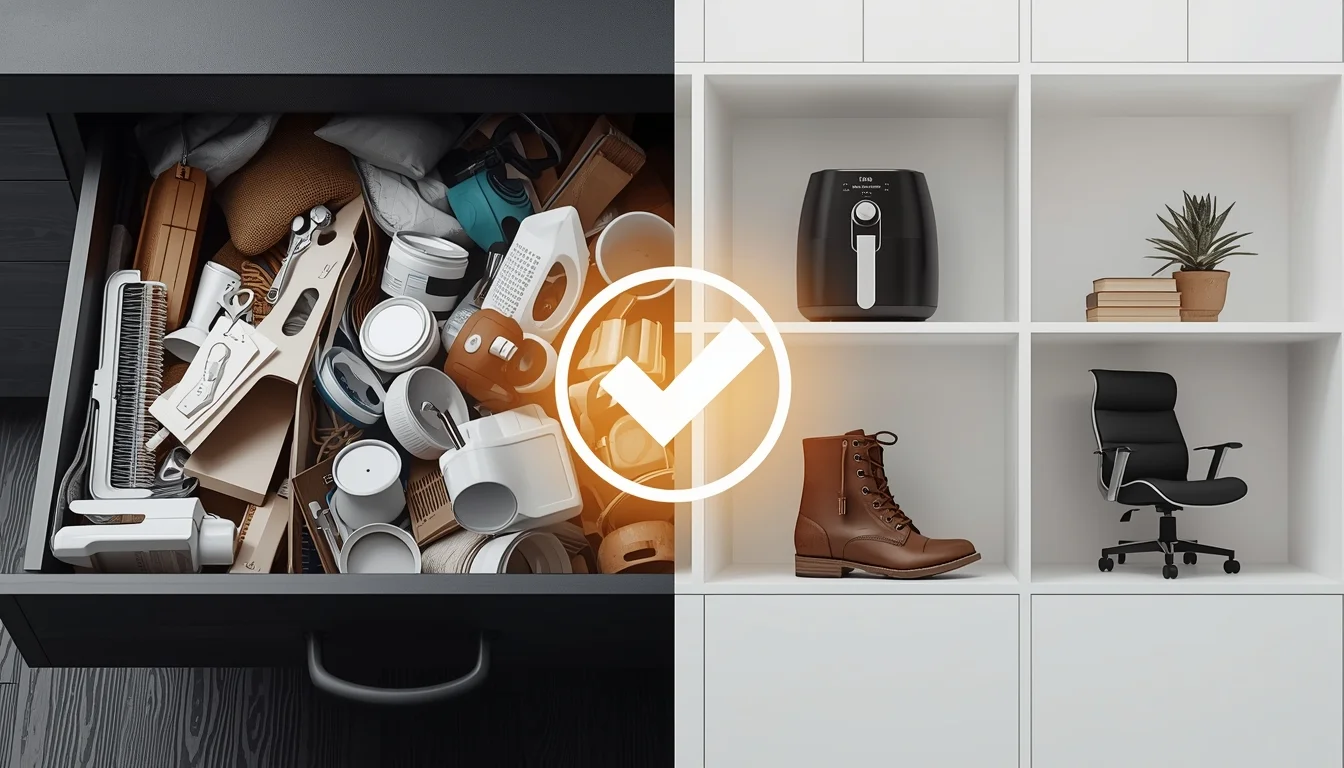
It also helps to tag items by urgency. Some things are "Need Soon" (like a replacement for a leaky coffee pot) and some are "Dreaming" (like a fancy espresso machine). By separating these, you don't accidentally blow your grocery money on a luxury item just because it was on page one of your list.
- By Room: Kitchen, Bedroom, Backyard.
- By Person: Kids' clothes, partner's birthday, self-care.
- By Season: Winter coats in July, swimsuits in January.
- By Price: Under $25, $25-$100, Investment pieces.
How to Prioritize Items on Your Wishlist Without Overspending
The hardest part is choosing what to actually buy, but an intentional shopping wishlist makes those tough calls much easier. I use a simple ranking system. I ask myself: "Will this make my daily life easier?" If the answer is yes—like a ergonomic desk chair—it moves to the top.
If it’s just something that looks pretty but won't get much use, it stays at the bottom. This is my go-to wishlist shopping strategy. Before I move anything to the cart, I do a budget checkpoint. I look at my bank app and see what’s actually there.
In the US, we get hit with so many "limited time offers," especially around payday. Having a ranked list keeps me from falling for those traps. I only buy the number one item on my list, even if item number five is on a huge sale.
Priority Checkpoints
- Frequency of use: Will you use it every day or once a month?
- Longevity: Is it a trend or a classic piece?
- Replacement vs. New: Are you replacing something broken or adding more stuff?
- Budget Alignment: Does this fit into this month's "fun money" or "essentials" pile?
Best Places to Create an Online Shopping Wishlist
There are so many shopping wishlist ideas out there, but the "best" one is the one you will actually check before you buy.
Many people stick to retailer-based lists, like an Amazon list or a Target "Save for Later" bin. These are fine, but they want you to spend. I prefer universal tools. In the US, apps like Karma or Honey are great because they track prices for you. They’ll even ping your phone when a price drops or a new coupon is found.
If you like to keep it simple, a Pinterest board works wonders for visual people. You can see how items look together before you spend a dime. For the true minimalists, a simple Google Doc or a physical notebook can be just as effective. The goal is to see your desires in black and white so they lose their emotional grip on you.
How to Use a Wishlist to Track Sales, Coupons, and Price Drops
This is where the real "smart" part of a smart shopping wishlist comes in—it’s about turning your list into a literal money-saving machine. I honestly never buy anything at full price anymore. Once I put an item on my list, I set a price alert right away. Most browsers have extensions that handle this now, so if I’m eyeing a new pair of running shoes, I just wait until I get that email saying they dropped by $20. It feels like a massive win every single time.
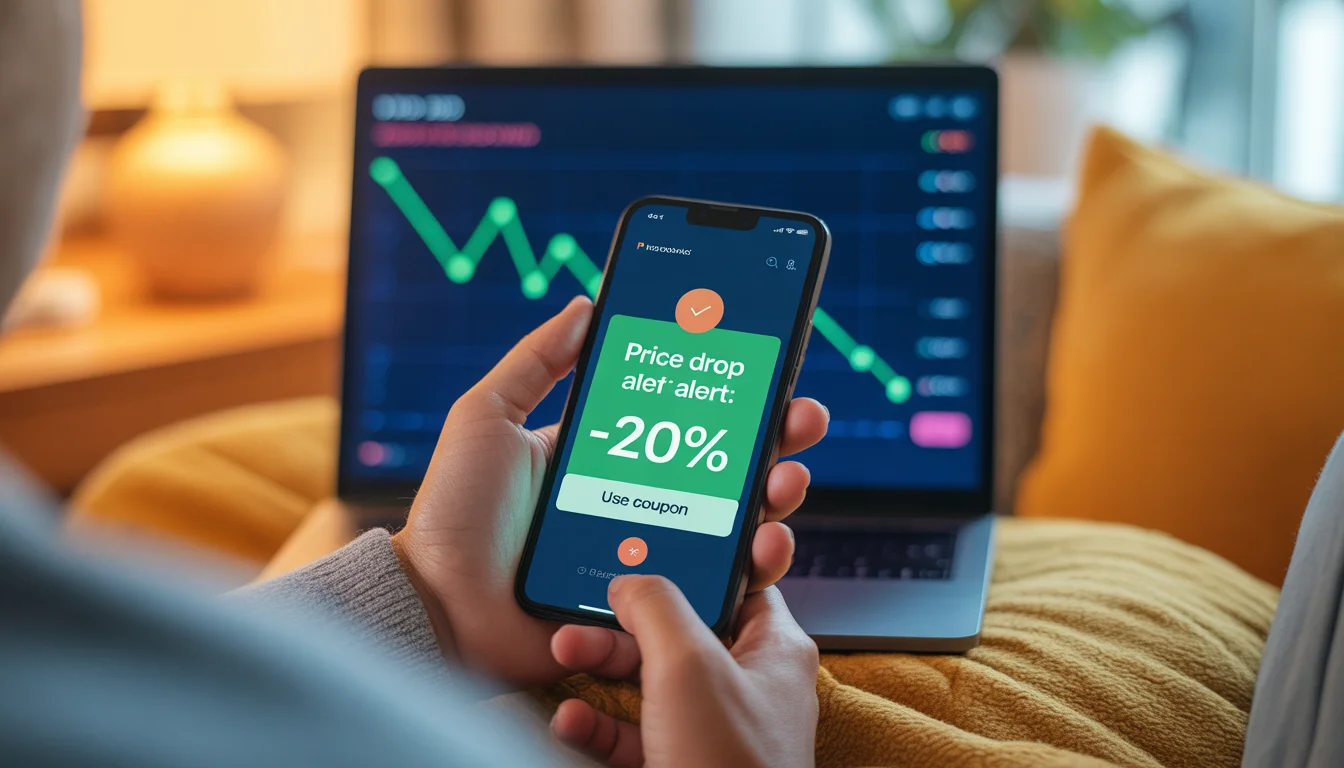
I also use my list to get ahead of the big sales. In the US, we’re constantly hit with Labor Day sales, Black Friday, and Memorial Day deals. By keeping my wishlist ready, I don't have to spend those holidays aimlessly browsing and getting overwhelmed. I go straight to the items I’ve already vetted, check my favorite coupon sites for a promo code, and checkout in minutes. It takes away the stress and completely stops the overspending.
To make this work for you, start by installing a tracker. Use a browser extension that monitors price history so you can see if a "sale" is actually a good deal. You should also sign up for newsletters, but only for the specific stores on your wishlist—and remember to "un-join" once you’ve made your purchase to avoid future temptation. Don't forget to check for cash back through your credit card or a rewards site for extra points. Finally, just wait for the cycle; most retailers have specific days, like Tuesdays or Thursdays, when they typically roll out their markdowns.
Common Shopping Wishlist Mistakes That Cost You More
Even with a list, it’s easy to slip up, so watch out for these shopping wishlist tips to stay on track.
The biggest mistake is treating your wishlist like a "pre-cart." If you add every single thing you see, the list becomes a source of pressure rather than a tool for peace. I used to have 200 items on a list, and it just made me want to shop more. Now, I keep it lean. If I haven't looked at an item in a month, I delete it.
Another trap is the "sale panic." Just because something on your wishlist is 50% off doesn't mean you have to buy it today. If it wasn't a priority yesterday, it isn't a priority today just because it's cheaper. I've wasted a lot of money "saving" money on things I didn't truly need yet.
Pitfalls to Avoid
- Overloading: Don’t save things just because they’re cute
- Ignoring your budget: A deal only counts if you can afford it
- Skipping audits: Clean your list monthly
- Trusting list prices: Check if the original price was inflated
How a Shopping Wishlist Supports Budgeting & Conscious Consumption
At the end of the day, a wishlist for budgeting is about more than just numbers; it's about how you want to live.
When I shop from a wishlist, I buy less stuff, but the stuff I buy is better. I’m not buying three cheap shirts that fall apart in the wash. I’m waiting, saving, and using a coupon to buy one high-quality shirt that I’ll wear for years. This is what minimalist shopping wishlist habits are all about.
It feels good to know that my home isn't filled with "oops" purchases. Every item in my living room was something I wanted, waited for, and bought at a price I felt good about. That's a level of comfort you can't get from a 2:00 AM impulse buy. It’s about owning your things, not letting them own you.

Conclusion
Starting a wishlist was one of the best things I did for my mental health and my wallet. It turned shopping from a stressful, expensive hobby into a calm, planned activity. I no longer feel like I'm missing out because I know exactly what I'm waiting for.
You don't need to be perfect at this right away. Just start by picking three things you want to buy and put them on a list for a week. See how you feel after seven days. Most of the time, the urge to spend fades, and you're left with more money for the things that truly matter—like a weekend trip or a nice dinner with friends.
Give it a try this week. Build your list, find your deals, and watch your savings grow while your stress disappears. You've got this!
FAQs
Does a shopping wishlist really help save money?
Yes, it creates a "speed bump" that stops impulse buys and lets you wait for the best price.
What’s the difference between a shopping list and a shopping wishlist?
A list is for things you need today, while a wishlist is for things you plan to buy when the timing and price are right.
When should you buy items from your wishlist?
Buy them when they are a high priority on your list and the price hits your pre-set target.
Is a digital wishlist better than writing things down?
Digital lists are great for tracking prices and using coupons, but a paper list works if it helps you stay focused.