
Saving money is one of the most important financial habits an individual can develop, yet it is often perceived as difficult or restrictive. Many people believe that saving requires a high income or extreme sacrifices, which discourages them from even trying. In reality, saving money is not about deprivation; it is about awareness, planning, and making intentional financial choices.
In today’s fast-paced world, rising living costs, unexpected expenses, and economic uncertainty make saving more essential than ever. Whether the goal is building an emergency fund, buying a home, starting a business, or securing a comfortable retirement, saving money provides financial security and peace of mind. Even small, consistent efforts can lead to significant long-term results.
This article explores practical, realistic, and sustainable ways to save money regardless of income level. From understanding spending habits to creating budgets, cutting unnecessary expenses, and developing long-term saving strategies, this guide will help readers take control of their finances and build a more secure future.
Understanding the Importance of Saving Money
Saving money is the foundation of financial stability. It provides a safety net during emergencies, reduces reliance on debt, and allows individuals to plan for future goals with confidence. Without savings, unexpected expenses such as medical bills, car repairs, or job loss can quickly lead to financial stress.
Beyond emergencies, savings enable freedom and flexibility. People who save regularly are better equipped to make life choices without financial pressure, such as changing careers, pursuing education, or starting a family. Savings also reduce anxiety, as financial preparedness brings a sense of control and independence.
Importantly, saving money encourages discipline and mindful spending. When individuals actively save, they become more conscious of how money is earned, spent, and valued. This awareness leads to healthier financial behaviors and long-term financial growth.
Assessing Your Financial Situation
Before developing a saving strategy, it is essential to understand your current financial position. This begins with evaluating income, expenses, debts, and existing savings.
Tracking Income and Expenses
The first step is to identify all sources of income, including salary, freelance work, side businesses, or passive income. Next, track monthly expenses, categorizing them into essentials (rent, utilities, food, transportation) and non-essentials (entertainment, dining out, subscriptions).
Tracking expenses reveals spending patterns and highlights areas where money may be wasted or overspent. Many people are surprised to discover how small, frequent expenses add up over time.
Identifying Financial Goals
Clear financial goals provide motivation and direction. Goals may include short-term objectives such as saving for a vacation or paying off a credit card, as well as long-term goals like home ownership or retirement. Defining specific, measurable goals makes saving purposeful rather than abstract.
Creating a Realistic Budget

A budget is one of the most effective tools for saving money. It acts as a roadmap that guides spending decisions and ensures money is allocated wisely.
Choosing a Budgeting Method
Several budgeting methods can be adapted to individual preferences. The 50/30/20 rule, for example, allocates 50 percent of income to necessities, 30 percent to discretionary spending, and 20 percent to savings. Other approaches include zero-based budgeting, where every dollar is assigned a purpose, or envelope budgeting, which limits spending by category.
The best budget is one that is realistic and sustainable. Overly restrictive budgets often fail because they do not account for personal habits or lifestyle needs.
Adjusting and Maintaining the Budget
Budgets are not static; they require regular review and adjustment. Life changes such as salary increases, new expenses, or financial goals should be reflected in the budget. Consistent monitoring ensures that saving remains a priority while maintaining flexibility.
Reducing Unnecessary Expenses
One of the most effective ways to save money is to reduce unnecessary spending. This does not mean eliminating enjoyment, but rather spending intentionally.
Cutting Everyday Costs
Simple changes can result in substantial savings. Cooking meals at home instead of dining out, using public transportation, and shopping with a list can significantly reduce expenses. Comparing prices, buying in bulk, and taking advantage of discounts or loyalty programs further maximize savings.
Subscription services are another common area of overspending. Reviewing and canceling unused or underutilized subscriptions can free up extra funds for savings.
Smart Shopping Habits
Practicing delayed gratification helps prevent impulse purchases. Waiting 24 to 48 hours before making non-essential purchases allows time to evaluate whether the item is truly necessary. Choosing quality over quantity also reduces long-term costs, as durable products require fewer replacements.
Building Healthy Saving Habits
Saving money becomes easier when it is integrated into daily routines and habits.
Pay Yourself First
One of the most effective strategies is to save before spending. Automatically transferring a portion of income to a savings account ensures consistency and reduces the temptation to spend. Even small amounts saved regularly can grow significantly over time.
Starting Small and Staying Consistent
Many people delay saving because they believe they cannot afford it. However, saving small amounts consistently is more effective than waiting for the perfect financial situation. Over time, small contributions accumulate and reinforce positive financial behavior.
Emergency Funds: A Financial Safety Net
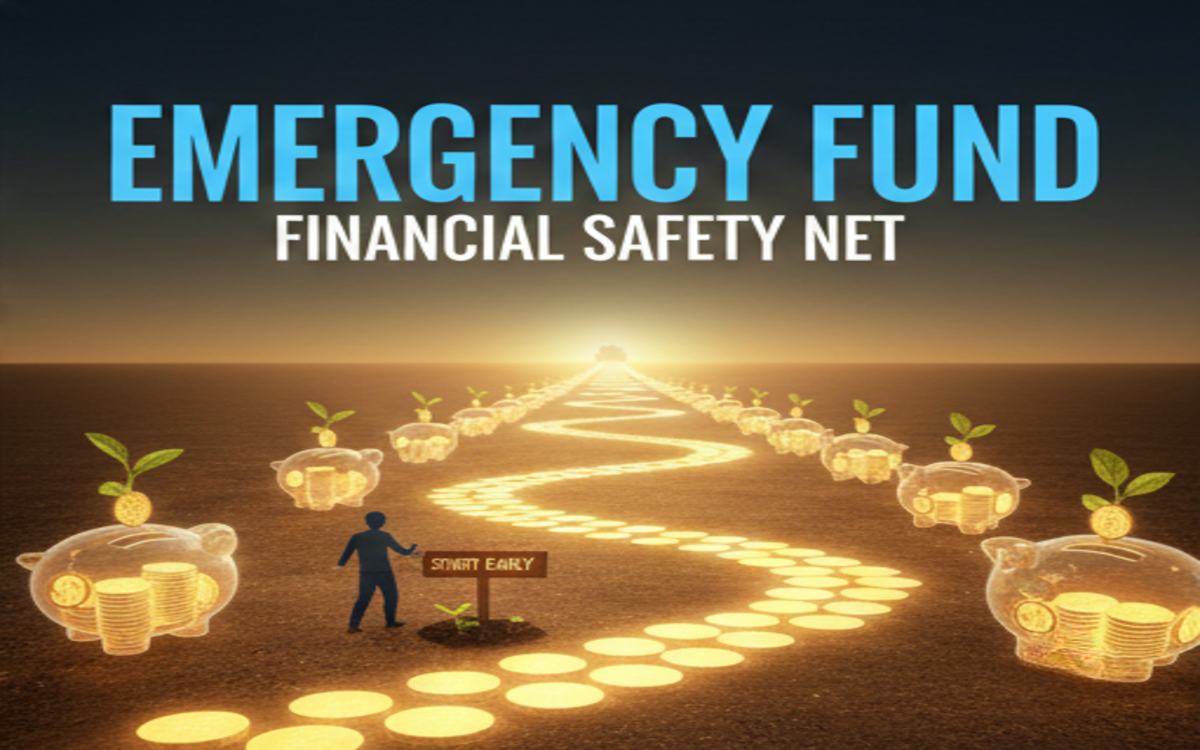
An emergency fund is a critical component of any saving plan. It provides financial protection against unexpected events and prevents reliance on high-interest debt.
How Much to Save
Financial experts often recommend saving three to six months’ worth of living expenses. While this may seem overwhelming, the key is to build the fund gradually. Starting with a smaller goal, such as one month of expenses, makes the process more manageable.
Keeping Emergency Funds Accessible
Emergency savings should be stored in an easily accessible account, such as a high-yield savings account. This ensures funds are available when needed while still earning interest.
Saving Money Through Debt Management
Debt can significantly hinder saving efforts. Managing and reducing debt frees up income and accelerates financial progress.
Prioritizing High-Interest Debt
High-interest debt, such as credit cards, should be addressed first. Paying more than the minimum balance reduces interest costs and shortens repayment periods.
Avoiding New Debt
Developing mindful spending habits and using credit responsibly prevents new debt from accumulating. Paying bills on time and maintaining a low credit utilization ratio also improve financial health.
Long-Term Saving and Investment Strategies
Saving money is not only about setting aside cash but also about growing wealth over time.
Retirement Savings
Contributing to retirement accounts such as employer-sponsored plans or individual retirement accounts provides long-term financial security. Taking advantage of employer matching programs significantly increases savings without additional personal cost.
Investing for Growth
While saving provides security, investing offers growth. Understanding basic investment principles and diversifying assets can enhance long-term financial outcomes. Starting early allows compound interest to work in favor of the saver.
Saving Money on a Limited Income
Saving money can be challenging on a limited income, but it is still achievable with strategic planning.
Prioritizing Essentials
Focusing on essential expenses and eliminating non-critical costs creates room for savings. Seeking community resources, discounts, or financial assistance programs can further ease financial pressure.
Increasing Income Opportunities
Exploring side hustles, freelance work, or skill development can supplement income and increase saving potential. Even temporary income boosts can accelerate financial goals.
Benefits and Challenges of Saving Money
Benefits
Saving money reduces financial stress, provides security, and enables future opportunities. It fosters independence, confidence, and the ability to handle unexpected situations without panic. Over time, consistent saving builds wealth and improves overall quality of life.
Challenges
Common challenges include inconsistent income, unexpected expenses, and lack of motivation. These obstacles can be managed through flexibility, realistic goal-setting, and regular financial reviews. Maintaining focus on long-term benefits helps overcome short-term difficulties.
Frequently Asked Questions
Q1. How much money should I save each month?
A. Ideally, save at least 20 percent of income, but any amount saved consistently is beneficial.
Q2. Is it possible to save money with a low income?
A. Yes. Saving small amounts, reducing expenses, and prioritizing essentials make saving achievable at any income level.
Q3. Should I save or pay off debt first?
A. It is best to build a small emergency fund while prioritizing high-interest debt repayment.
Q4. Where should I keep my savings?
A. High-yield savings accounts are ideal for accessibility and modest growth.
Q5. How can I stay motivated to save money?
A. Setting clear goals, tracking progress, and celebrating milestones help maintain motivation.
Q6. What is the biggest mistake people make when saving?
A. Waiting for the “right time” instead of starting small and saving consistently.
Conclusion
Saving money is a lifelong skill that empowers individuals to achieve financial stability and independence. It does not require a high income or drastic lifestyle changes, but rather consistent effort, informed decisions, and a clear understanding of personal financial goals. By tracking expenses, creating a realistic budget, reducing unnecessary spending, and building healthy saving habits, anyone can improve their financial situation.
While challenges are inevitable, persistence and adaptability make saving achievable over time. The benefits of saving extend beyond finances, offering peace of mind, confidence, and the freedom to plan for the future. By starting today, even with small steps, saving money can become a powerful tool for building a secure and fulfilling life.