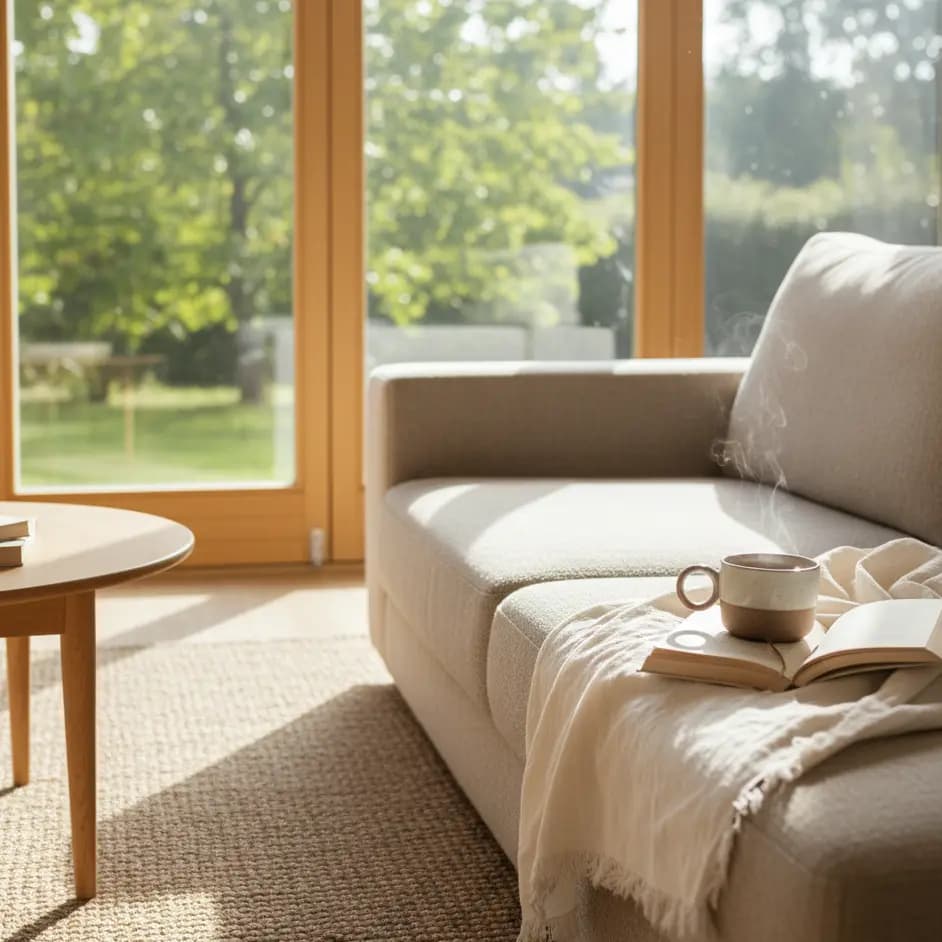
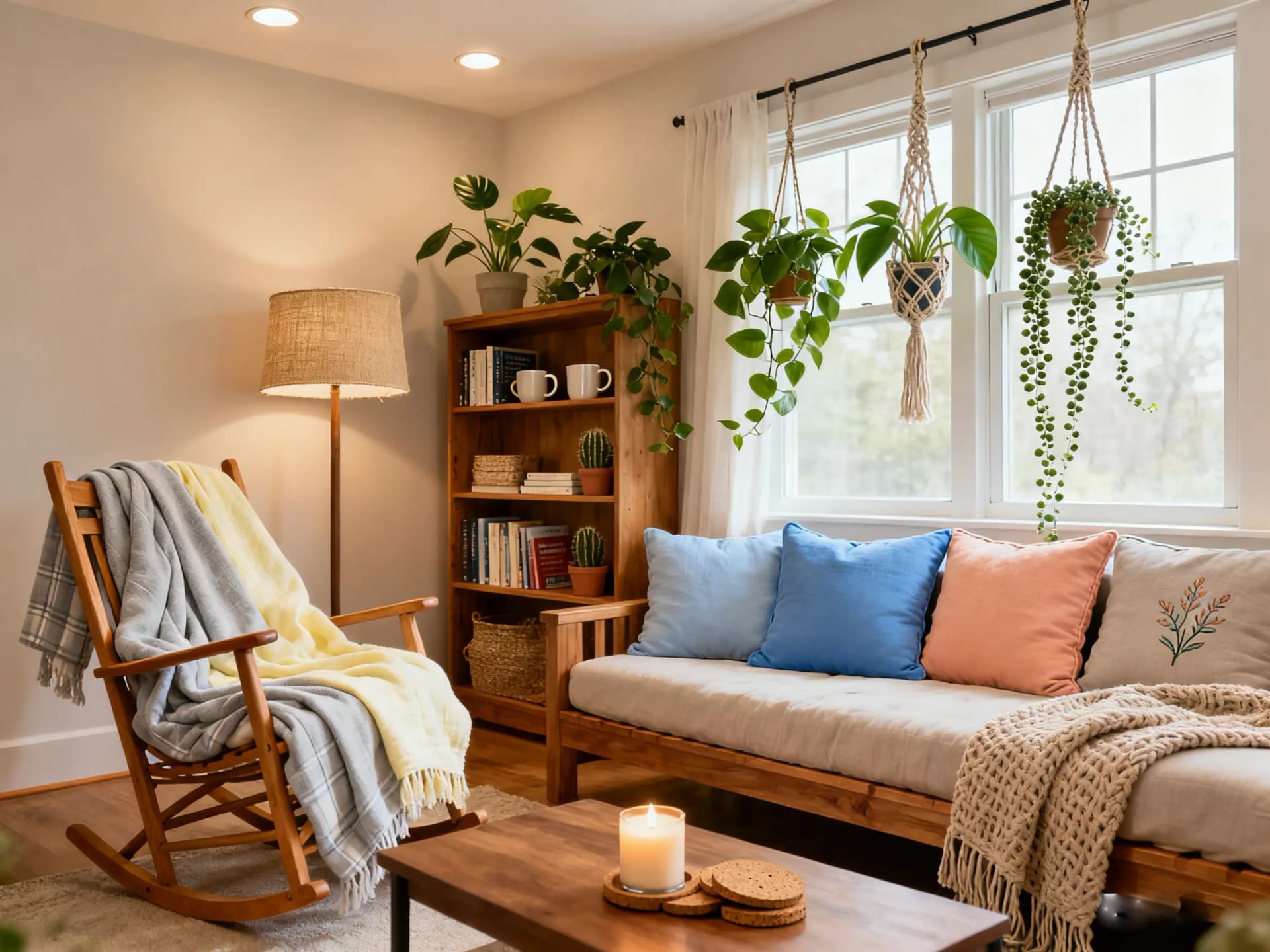
One Sunday afternoon last winter, as I stood in my living room, with a cup of coffee in my hand and increasingly strong feelings of frustration.
The space felt dull. Empty. A little unfinished.
And still each time i visited a home decor site, i would close down the tab because of the price.
I kept on posing the same question to myself as many people do:
Is it worth trying myself in home decor, or do i wait until the things are on sale and purchase new?
I didn’t want a showroom house. I wanted comfort. Warmth. A place that felt like mine.
And I did not want to spend my money in efforts to reach there.
This is what I have discovered by doing either. Some DIY. Some buying new. Some mistakes, too.
This article will deconstruct the situations in which DIY home decor is actually cost-effective, when it will be more economical to purchase new items, and how to balance both without having to panic.

Learning the Real Price of Decorating Your Home
First, it is noteworthy that decorating costs a lot, and quickly at that, before we discuss the topic of DIY home decor versus purchase.
The majority of the cost is not immediately apparent.
You are looking at a shelf of $30 or a can of paint costing $20 and you say, That is not too bad.
However, the extras begin to appear.
Hidden Costs That Add Up
- Tools you don’t own yet
- Hardware you forgot about
- Shipping fees
- Returns that never happen
This is more striking when it comes to renters or apartment living, which is small. You have no room to keep equipment. You can’t drill freely. And errors prove to be more expensive since you can never go back and correct it.
Slowing Down to Spend Less
The trick that worked was to take things slow. I would not continue to decorate the room after room but instead started planning one piece at a time.
That was the only way of reducing impulse purchases, particularly when we are going through massive online sales when everything is a rush.
Sales do not save money unless you are certain of what you want. Otherwise they merely make clutter go quicker.
Breakdown of Cost: DIY Home Decor vs Buying New
This is where most people get stuck. I did too.
So I started breaking things down in a very plain, practical way.
When it comes to DIY home decor, the costs usually fall into a few buckets. You pay for materials and supplies. Then tools—some you already own, others you don’t. And finally, time. Trial and error costs more than people expect.
I learned that the hard way. One simple wall art project ended up costing far more than I planned. I had to buy a frame, paint, brushes, a drop cloth, and hooks. Each item seemed small on its own. Together, they added up fast.
Buying new comes with its own set of costs. You’re looking at retail or sale prices, shipping, assembly, and sometimes poor quality. But here’s the part that surprised me. In many cases, buying new was actually cheaper—especially for items made in large quantities and sold during sales.
The real shift happened when I stopped comparing DIY costs to retail prices. I started comparing them to sale prices instead. That small change reshaped many of my decisions.
Checking online prices, clearance sections, and end-of-season sales helped me avoid doing DIY just for the sake of it. Sometimes the smarter move wasn’t to make something—it was to wait.
When DIY Home Decor Does Save Money
The DIY home decor works well in situations where the project is straightforward and replicable.
This is one of the places where i saved money.
DIY Projects That Made Sense
The projects that worked to my sense:
- Wall art and prints
- Open shelving
- Small lighting accents
These projects involved simple tools and low cost materials. No fancy finishes. No perfection pressure.
Using What You Already Own
The use of what already belonged to me was more important than the purchase of new materials.
Old frames became art. One of the planks which remained, was a shelf.
DIY was also more suitable in small areas. Custom-made pieces are economical in an apartment where the ones available at stores usually do not fit perfectly.
I ordered items through online shops, was attentive to deals on staples, and avoided any special stuff unless absolutely required.
When Purchasing New Is the Wiser (and Less Costly) Choice
This surprised me.
There are just a few items that are practically less expensive to purchase new.
Items Better Bought New
- Mirrors
- Rugs
- Basic furniture
It is usually more costly and time consuming to prepare them yourself. And quality suffers.
Decor produced on a mass level enjoys the scale factor. When sales are brought, the prices are lowered in a short period of time.
I have already observed cheaper rugs than the materials used to make them.
Timing Matters
Timing matters here. Purchasing in the season sale or clearance also helped me save more than attempting to construct one.
I also got to know the use of promo codes in a responsible manner. Unless a discount was cheaper than my DIY estimate of cost, i dropped out.

How to Make a Money-Saving DIY Home Decor Project
In case you are new to DIY home decor, then begin small. Please.
Something with low risk taught me quickly and expended less amount of money.
Beginner-Friendly DIY Projects
Good beginner options:
- Framed wall art
- Floating shelves
- Simple planters
These projects:
- Use fewer tools
- Have forgiving mistakes
- Deliver visible impact
I avoided buying full kits. I instead awaited promotions on entry-level tools.
In that fashion, I was not wasting money on the costly supplies in case I despised the project.
Form was important rather than appearance. Should it work and look good, it remained.
Cheap Decoration Materials and Supplies
The greatest pitfall of DIY home decor is excessive purchasing.
I also learned that I should always remain attached to materials that are cost-effective:
MDF or plywood alternatives
Basic paint finishes
Simple hardware
Tools: What to Own vs Skip
Tools were divided into two categories:
Worth having: measuring bar, drill, level
Borrow or skip: special purpose cutters, power sanders
The vast majority of low-end customers that I know frequent online shops first and compare the prices, and wait until they get a deal or a seasonal tool cut.
There is a fact of craft supply overload. I was forced to restrain myself on several occasions.
Time vs Money: Is DIY Home Decor Worth It?
And this is a question, which does more than people think.
DIY would save me money at times when I had time and energy.
It was more expensive to me when i was in a hurry or when i was tired.
DIY can support wellness. It’s calming. Creative. Grounding.
But it can also cause burnout.
I no longer felt the need to make it myself.
Selective DIY presented the best results.
Saving time and money was made by selecting a single project rather than five.
The Mix-and-Match Strategy: DIY + Low-Prices Buyers
It is here that everything finally fell in place.
High-low decorating is not about fashions. It’s about balance.
What I DIY’d vs Bought
I DIY’d:
- Art
- Storage
- Small accents
I bought:
Rugs
Mirrors
Seating
Such a combination gave a unified appearance without wasting money.
Ready-made products were packed with no pressure at discounted prices.
And clutter was kept at a minimum due to the purpose behind each piece.
The 30 Best Ways to Save on DIY Kits and Ready-Made Decor
This is what really worked with me.
- Planning before shopping
- I would not go down the falling fashion rut
- Following a couple of weeks in prices
I spent more on emotional shopping than I had spent when I lack coupons.
Deal watching, alerts, and cashback tools were helpful—but only after i had a clue as to what I required.
Savings are most effective when they assist in making the decisions, and not hurry.
Conscious Decorating: Style Without Overconsumption
At some point, I stopped asking myself, What should I buy next?
I started asking a better question. Do I even need this?
Everything changed once I decluttered before decorating.
The space felt lighter. Calmer. More usable.
When I chose quality over quantity, a few things happened:
- Less stress
- More space
- Better comfort
A comfortable home doesn’t need constant updates or regular renovations.
It needs intention.
Buying less, but buying smarter, saved me both money and time.
.webp)
Conclusion
There is no competition between DIY home decor and purchasing new.
It’s a balance.
DIY is applicable to a time, space, and ability that fits.
Purchasing new works when prices surpass work and materials.
The conscious way of life wins over the unconscious one.
And clever decorating helps with comfort, wellness and confidence—and it does not empty your pocket.
That is the bit that is lost by most people.
FAQ
Are home additions inexpensive to do compared to purchasing new?
No. It relies on the project, materials and time used.
What home decoration elements should be better DIY?
Small, digitized units with small inputs of materials.
At what point do you purchase home decor rather than make it yourself?
Where mass production products are discounted or less expensive than supplies.
What can tenants do to adorn without being expensive?
Pay attention to DIY projects, which can be removed, or affordable decor.