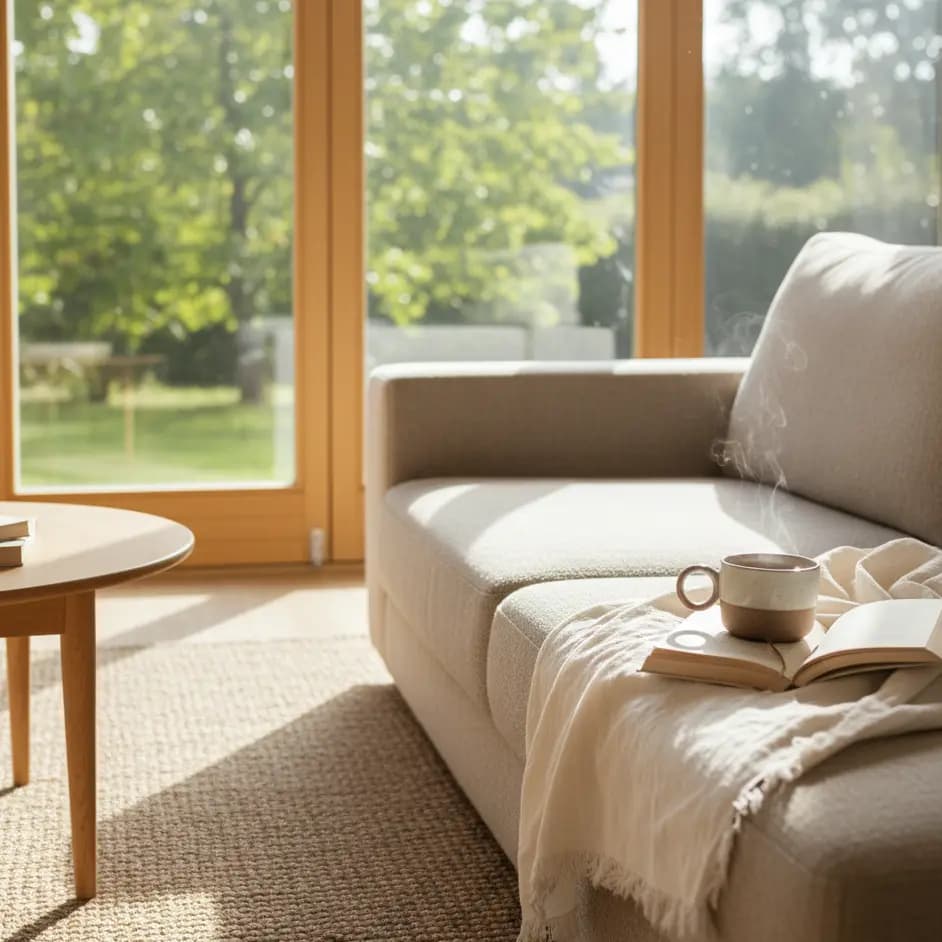
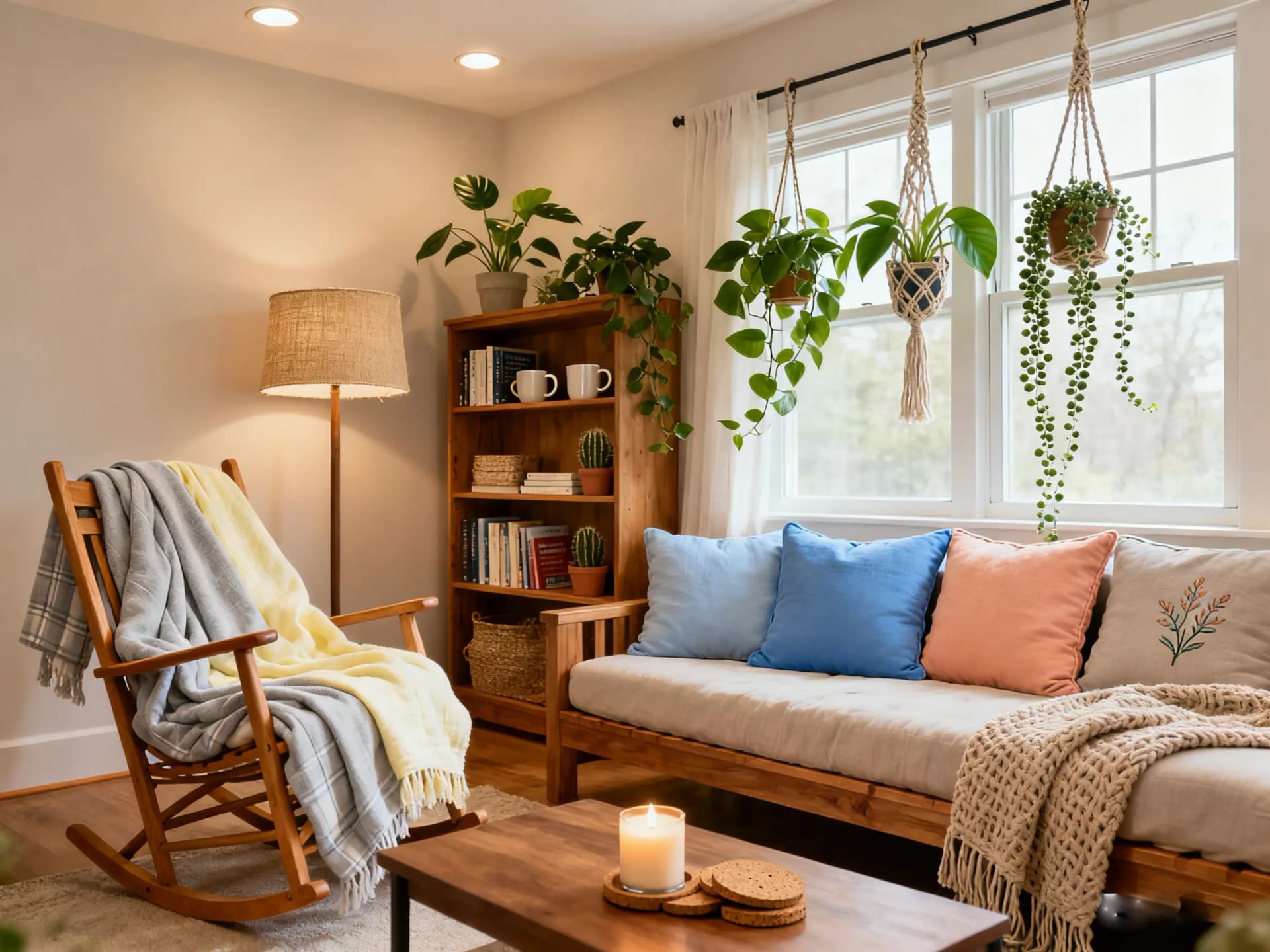
If you’ve ever woken up with a stuffy nose, itchy eyes, or that heavy “afternoon brain fog,” you probably blamed stress, screen time, or poor sleep. But for many people, the real culprit is far less obvious: the air inside their own home. Indoor air quality quietly affects how we feel every day, especially for renters, families, and anyone living in smaller or urban spaces.
The good news? Breathing better doesn’t require a $600 designer air purifier or a full home renovation. With a few intentional habits, a simple “zero-dollar” air audit, and high-value budget tools, you can dramatically improve your home’s air quality without adding financial pressure.
In this guide, you’ll learn how to identify hidden air quality triggers, choose budget HEPA air purifiers that actually work in 2026, and keep long-term costs low by shopping smarter—not more.

The Zero-Dollar Air Audit:
Before buying anything, start with awareness. An air quality “audit” sounds technical, but at home it’s mostly about paying attention.
The Sensory Walkthrough
One of the easiest methods is a quick sensory walkthrough. Step outside for 10 minutes, then re-enter your home and notice what you smell and see. Stale odors, lingering cooking smells, or a musty scent can point to ventilation issues or excess moisture.
Visually, check for dust buildup around vents, fans, baseboards, and behind furniture—these are common dust traps that circulate particles back into the air.
Ventilation Check
Next, look at ventilation. Turn on your bathroom or kitchen exhaust fan and hold a tissue up to it. If the tissue doesn’t pull toward the vent, the fan may not be doing much to remove moisture or pollutants. Poor ventilation often contributes to mold risk and lingering VOCs (volatile organic compounds).
Humidity Awareness
Humidity is another overlooked factor. Indoor humidity between 30–50% helps limit mold growth and dust mites. Too dry or too damp air can worsen allergy symptoms, even if you own an air purifier.
Savings strategy: Instead of buying gadgets right away, use free local weather or air quality apps to check pollen levels and outdoor AQI. Opening windows during high-pollution hours can actually make indoor air worse—and force purifiers to work harder later.
High-Flow, Low-Cost: Master the Art of Strategic Ventilation
Sometimes the cheapest solution is simply moving air the right way.
Cross-Ventilation Basics
Cross-ventilation is one of the most effective no-cost habits you can adopt. Opening windows on opposite sides of your home for just 10–15 minutes a day helps flush out stagnant indoor air.
This works best during lower-pollution times, such as early morning or late evening.
Use Your Kitchen Vent Properly
In the kitchen, your range hood is an unsung hero. Using it consistently while cooking—even for “quick” meals—removes grease particles and combustion byproducts before they settle into your home.
Many people skip this step, then rely on air purifiers to clean up afterward.
Source Control Over Filtration
Another powerful tactic is source control. Synthetic candles, harsh cleaning sprays, and heavily fragranced products release VOCs that no filter can fully undo.
Switching to simpler, low-VOC alternatives often improves air quality more than upgrading hardware.
Deal integration: If you’re replacing cleaning products anyway, it’s worth checking online retailers for cashback offers or seasonal discounts on eco-friendly, low-VOC options. Small swaps here reduce both air pollution and long-term spending.
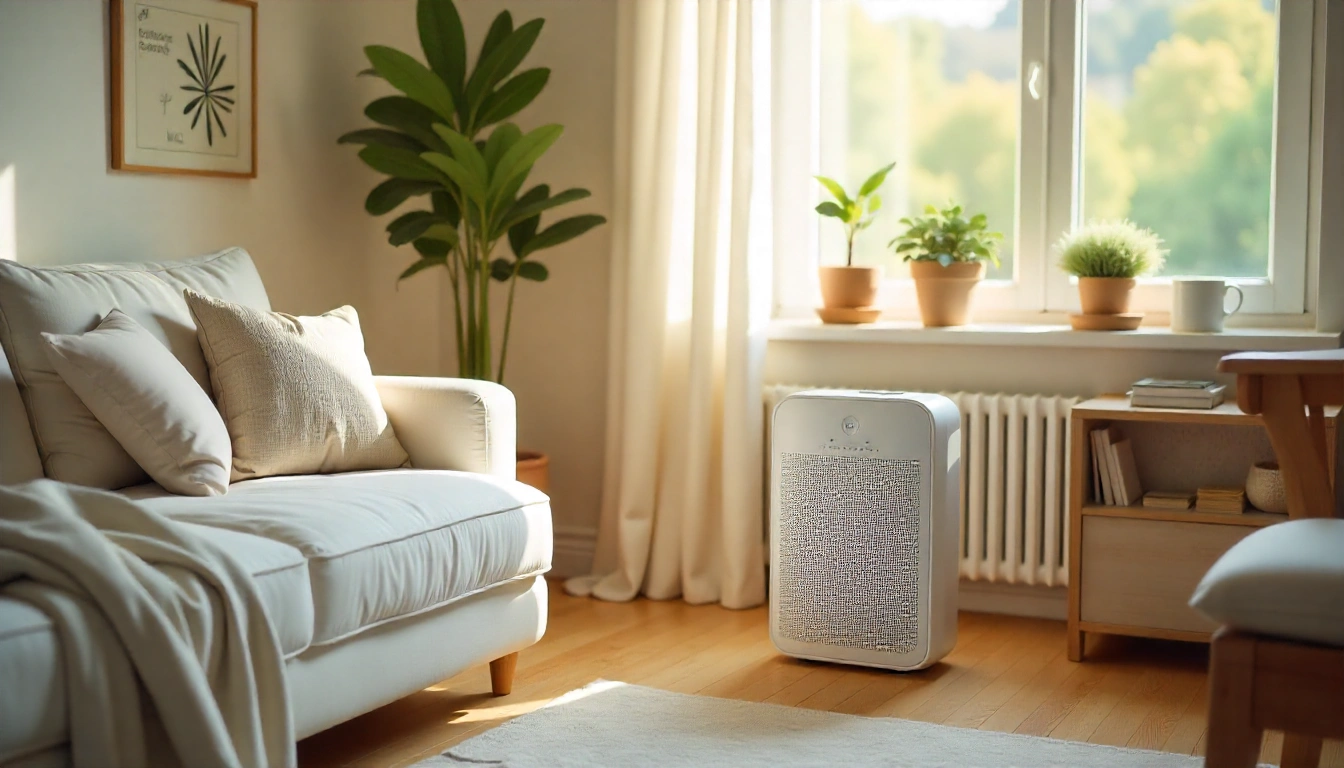
Best Value HEPA Air Purifiers for 2026
When ventilation and habits aren’t enough—especially during allergy season or in high-pollution areas—a HEPA air purifier can make a noticeable difference. The key is knowing what actually matters.
What “Budget” Really Means
For most homes, the sweet spot is a budget HEPA air purifier priced between $50 and $150. Models in this range often deliver excellent filtration without the premium price tag of luxury brands.
Features That Actually Matter
Look for True HEPA certification, which captures 99.97% of particles as small as 0.3 microns. “HEPA-type” or “HEPA-like” labels sound convincing but don’t meet the same standard.
Also pay attention to CADR (Clean Air Delivery Rate), which tells you how quickly the purifier can clean air in a given room size.
High-Value Picks and Smart Design
Popular high-value picks for 2026 include compact units from brands like Winix, Levoit, and Coway. These focus on filtration performance rather than flashy smart features.
In many cases, a simple manual dial is cheaper, quieter, and more reliable than app-connected controls you may never use.
Natural deal integration: To stretch your budget further, check manufacturer “renewed” or refurbished sections online. These units are often 30–40% cheaper, tested, and backed by warranties—making them a smart option for value-focused shoppers.
The DIY Revolution: Building a Corsi-Rosenthal Box
If you’re comfortable with a little DIY, the Corsi-Rosenthal box is one of the most cost-effective air filtration solutions available.
How It Works
This setup uses a standard box fan combined with four MERV-13 furnace filters taped into a cube. While it isn’t pretty, it delivers impressive air-cleaning speed—sometimes rivaling or exceeding high-end commercial purifiers in raw CADR.
Cost and Best Use Cases
The total cost usually stays under $40, depending on filter prices. It’s especially useful for garages, workshops, or temporary situations like wildfire smoke or high-pollen days.
That said, retail HEPA units still have advantages in bedrooms and living spaces where quiet operation and aesthetics matter.
Savings strategy: Buying MERV-13 filters in multipacks online can significantly lower the cost per filter. Bulk purchasing here makes sense because filters store easily and don’t expire quickly.
Lowering Maintenance Costs:
The real cost of clean air often shows up later—in replacement filters and electricity bills.
Extend Filter Life With Simple Habits
Most budget HEPA air purifiers include a washable or vacuumable pre-filter. Cleaning this every two weeks prevents larger particles from clogging the HEPA core, often doubling its lifespan.
This simple habit can save more money than buying a cheaper machine upfront.
Smart Replacement Choices
When it’s time to replace filters, high-quality third-party options can sometimes work well, but quality varies. Stick to well-reviewed replacements that match your model exactly, and avoid deals that seem too good to be true.
Energy Efficiency Matters
Energy Star-certified units clean air using less power, helping you avoid “hidden” monthly costs—especially if you run your purifier overnight.
Coupon opportunity: Many online stores offer small discounts through subscription or auto-delivery options for filters. Even a 5–15% ongoing discount adds up over time, especially for households managing allergies year-round.
Conclusion
Clean air is a core part of daily wellness, but it doesn’t have to be a financial burden. From strategic ventilation and zero-dollar audits to budget HEPA air purifiers and $40 DIY solutions, there are more affordable paths to breathing better than most people realize.
The most intentional approach is to start small. Create one “clean air zone,” like your bedroom, and build from there as needed. Pay attention first, spend second, and use deals as tools not pressure to make smarter choices.
In the end, being a smart shopper isn’t about chasing every discount. It’s about knowing when to DIY, when to invest, and when to wait for the right promo so your home feels healthier and your budget feels lighter.
FAQ
Do budget air purifiers actually work for allergies?
Yes, as long as they use a True HEPA filter and are sized correctly for the room.
How long do filters really last?
Typically 6–12 months, but regular pre-filter cleaning can extend their life.
Is a DIY box fan filter safe to run all day?
Generally yes, if you use a modern fan with a fused plug and proper airflow.
Where can I find the best deals on air purifiers?
Seasonal home sales, official refurbished stores, and newsletter sign-up discounts often offer the best value.