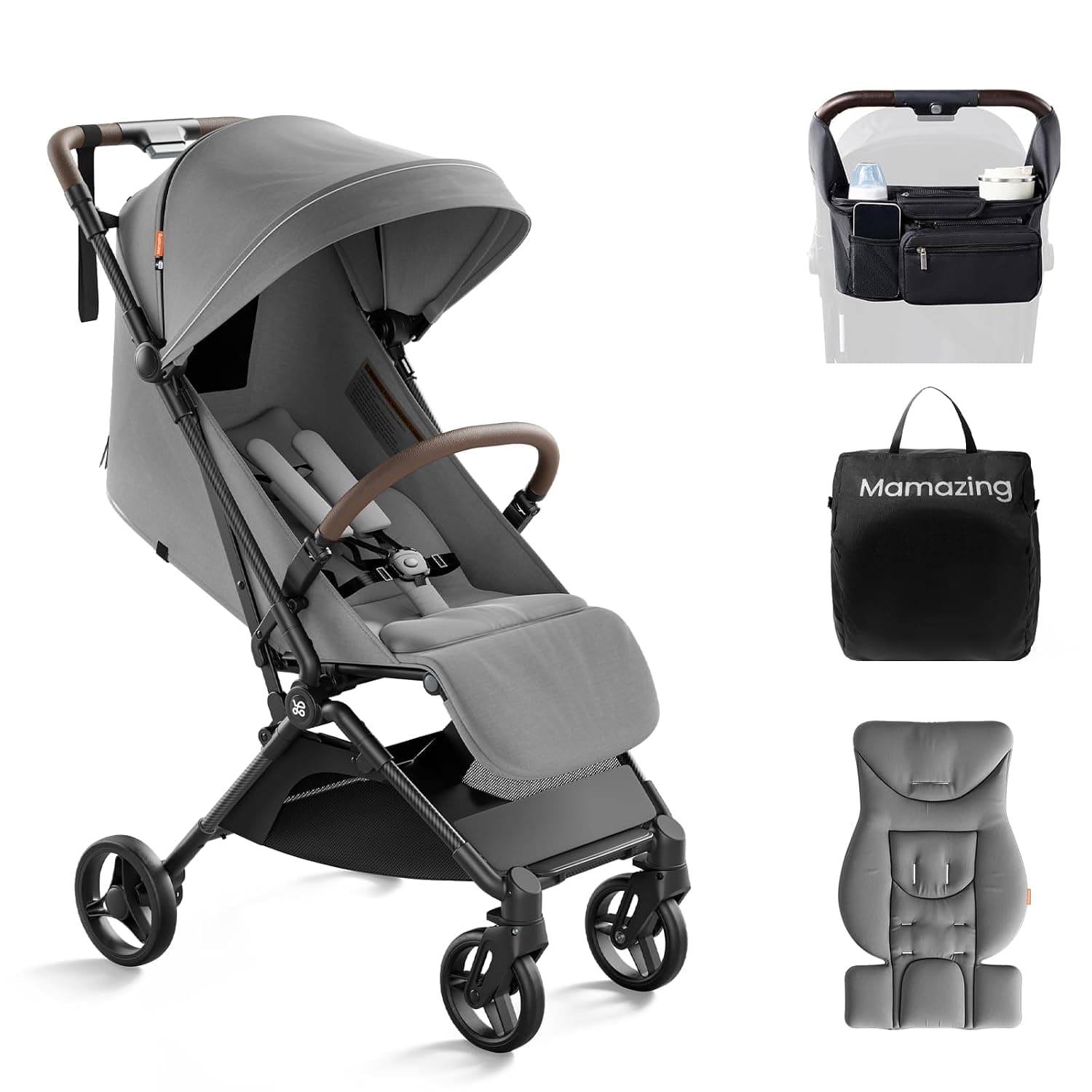
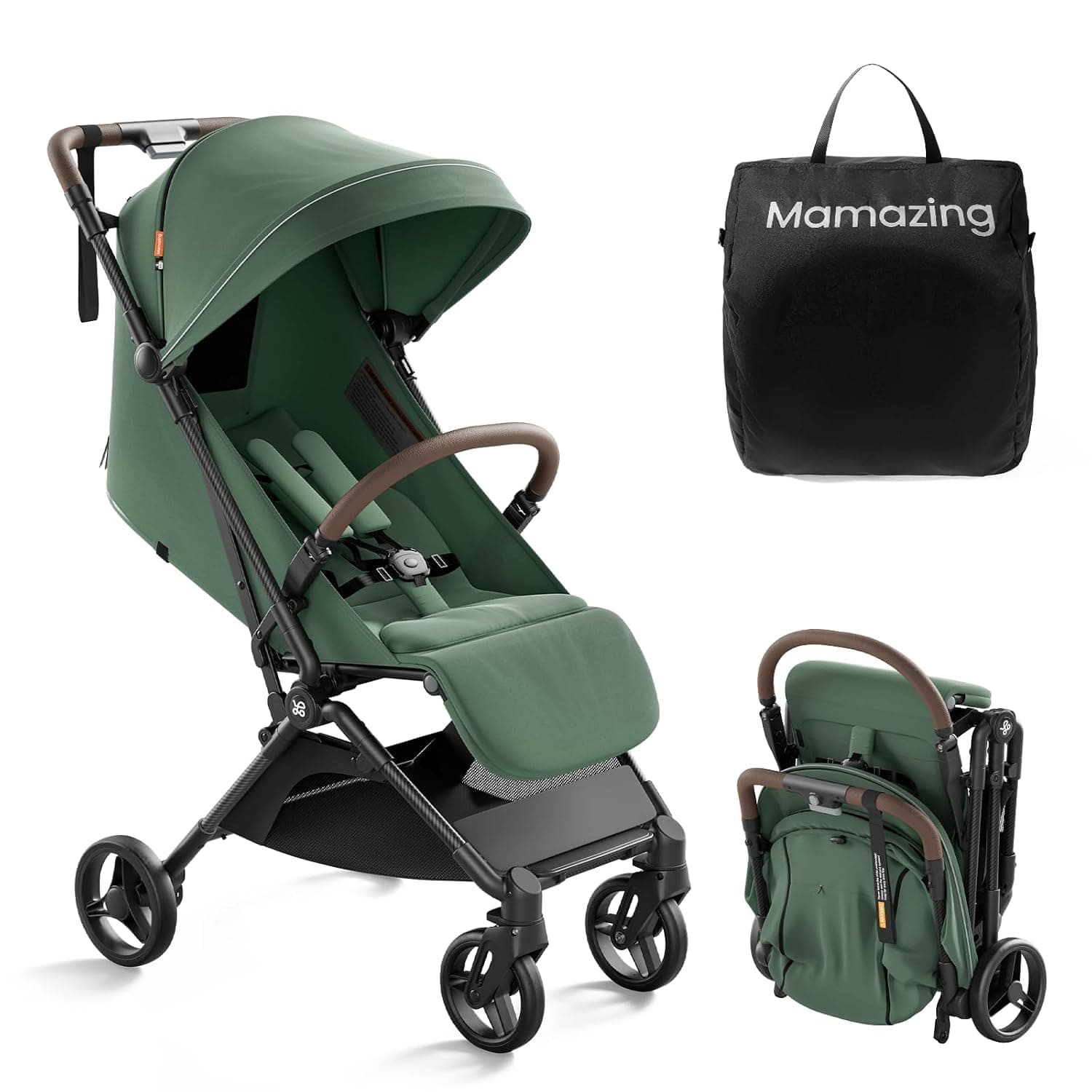
One day, I was at a computerized checkout terminal with a 20% discount code already entered in my cart. I had already taken almost forty minutes window shopping, comparing features and reading reviews of a certain piece of home office equipment. However, when I went and considered the final price, I noticed that I was only purchasing an item because the coupon was there and not necessarily because the item was the most suitable one to get under my requirements. I closed the tab.
We have all been there. The most prevalent tool of contemporary trade is probably the so-called first-order discount. It comes as a pop-up when you enter the site, or lingers in your mail after you have provided your email address. On the one hand, it is a win-win: it provides the brand with a new customer, and you with a lowered point of entry. Nevertheless, over the years of deals and balancing these coupons, I have understood that in many cases these coupons are not always a monetary advantage but a mental challenge.
Being smart with them does not simply mean saving a few dollars off of a price tag, but preserving your agency as a consumer in a world that is set to take it away.

The Illusion of the "Free" Win
The major issue with a first-order coupon lies in the fact that it gives one a feeling of being obligated the very moment. At the psychological level, as soon as we appropriate a code, we will consider it something that we possess. It is like a waste of money letting it go to waste yet we have not even spent a dime on anything. This is where the greater part is brought to stumbling. They make purchases in order to fulfill the coupon instead of fulfilling a real need.
By intentional spending I mean turning the flow backwards. The utility of the product is what constitutes a smart purchase and not the size of the discount. When you purchase something that you do not need and that costs you $100 at a discount of 80, then you have not saved 20, you have actually expended 80.
When the Coupon is Truly Worth It
There are one-order discounts, which can be considered as valid in very special conditions:
- The Replacement Buy: This is a purchase where you were already planning to purchase a particular item to replace a broken or worn out one.
- The Calculated Trial: This is testing a consumable item (such as a particular skincare product or a particular coffee bean) in which the lower entry price lessens the risk of product disliking.
- The High-Ticket Target: You have been following a large purchase over a period and the first-order discount is the lowest price in the history of this product.
Common Mistakes: The High Cost of "Saving"
The most common mistakes people commit with such introductory offers, in my experience, are not related to the math, but to the timing and to the so-called cart padding.
1. The Threshold Trap
The majority of the first-order coupons have a condition attached to them: 20% off purchases over 150 dollars. In case your planned item is a 120 dollars purchase, the interface will assist you with useful proposals of small add-ons to get to the mark. I have witnessed individuals spending $40 to create the unnecessary in order to save $30. At the end of the transaction they have ended up spending more than they initially planned and they have ended up with stuff that they are likely to dispose of or forget in a draw.
2. Sacrificing Quality for the Code
At times the brand that is providing the discount is not necessarily the brand that produces the best version of the item you require. One of the times I used a heavy discount was to purchase a couple of hiking boots of a brand I was not familiar with. They were alright, but it was not the pair of boots that I desired. Since I had tunnel vision and looked at the deal, I did not notice the fact that with an additional 15 dollars, I could have had the industry-standard pair, which will last twice as long. The coupon was blinding me of the long-term value.
3. The "New Arrival" Rush
These codes are often omitted in the brands of their best-sellers or newcomers, buried somewhere in the small print. People will even make it to the very last step of payment before discovering that the code does not apply to your particular item. Rather than abandoning they have a sense of having an investment in the check out procedure and purchase the piece at the full price anyway. It is a typical sunk-cost fallacy in online shopping.

A Practical Framework for Intentional Spending
In order to take advantage of such offers, I have created a checklist in my head. It is one of the ways to decelerate the process and make sure that the decision is made out of a logical place instead of dopamine.
Step 1: The Incubation Period
Do not join the discount code when you lay your eyes on the site. When you come across something you like, bookmark it and walk off it in 48 hours. Should you still need that particular item in another two days, then come back and invoke the first-order pop-up. This is what distinguishes between the thrill of discovery and the process of buying.
Step 2: Comparison Without the Discount
Compare the overall price of the item before implementing any code with the competitors. Is it inflated on the base price so that the discount appears more attractive? Is there a competing brand with a better product at the same price point without the use of a coupon? Unless the product is sold at a decent price at its MSRP (Manufacturer) Suggested Retail Price then a 15 percent discount is hardly going to make the product a bargain.
Step 3: Check the Logistics
Another mistake that is made is the neglect to include shipping and returns. Most of the first-order coupons do not combine with the Free Shipping offers. I have witnessed instances where a discount of 10 dollars was entirely offset by the cost of shipping which was 12 dollars that would have been free otherwise had the buyer not been using the code. Moreover, ask if purchased using a first-order code can be considered Final Sale. A 10 percent discount is not worth it in case you are left to work with a product that does not fit or operate properly.
The Mindset of the Seasoned Consumer
A slight change of perspective that occurs when you no longer look at coupons as a prize and begin to think about them as a data point. When a brand promises a huge first time shopper discount of 30% or 40%, it is actually telling something about their profit margins. It may indicate that the product is highly capitalized, or they are in dire need of customer acquisition since they have a low retention rate.
Conversely, brands, which provide a small, fixed discount (such as a small fixed amount) tend to be more certain about the value of their product. They are providing an act of goodwill and not as a bribe. With the exception of the few items that I have known to still be in my possession years after purchase, the most useful items that I own were not those that came with a mega-saver first-time buyer introductory code.
Timing and Seasonality
Smart spending is also to know the calendar. When it is late in October, a first-order coupon is almost definitely a mistake. The sales during the major seasons are just a matter of weeks and those discounts are expected to be more profound and extended to more products. On the contrary, when you find yourself in the "dead zone" of the retail calendar (such as mid-summer or early spring), a first-order code may be all you have to leverage to make an obligatory purchase.
When to Walk Away
A coupon code is the less influential weapon in your arsenal, unless it is the X in the corner of the browser tab.
I have developed a habit of auditing my purchases that were caused by coupons. I also go over things I purchased within a six-month time frame especially because I had a discount. In most instances, such are the things that go to the donation bin. They were good enough at the price, but were not what I really required.
Real value is not in the difference between the original price and the price when it has been discounted. It is in the correlation between the paid price and the utility obtained throughout the product life. When a kitchen knife lasts a decade, it does not make a difference whether you have saved 15 dollars on it when you purchased the item. In six months, it chipped, it was a denied money irrespective of the coupon.
When the Best Move Is Not Buying at All
The following time that you are asked to provide your email concerning a special welcome gift, pause and take a breath. You will need to question yourself whether you will purchase the item at a full price. When the response to the question is an uncertain yes, then the coupon is merely a prompt to an error. However, when the response is a resounding yes then by all means, accept the discount.
Being a smart consumer does not mean being a bargain hunter but rather being an individual who cannot be tempted by the theatrics of the deal. The coupon should be used to help you with a plan you have already made and not used to make the plan. Finally, the best discount you will ever have is the money you save.
I have discovered that I feel much lighter in my nest, as well as my bank account, when I cease to attempt the shopping game, and begin merely to purchase what I want, when I want it, and not a moment earlier.

Frequently Asked Questions
Are first-order discounts actually a good deal?
First-order discounts can be useful, but only when they reduce the cost of something you were already planning to buy. If the discount is the primary reason for the purchase, it often leads to spending more rather than saving.
How can I tell if a coupon is influencing my decision too much?
A simple test is to ask yourself whether you would still buy the item at full price. If the answer is no or uncertain, the coupon may be driving the decision instead of genuine need or value.
Is it better to wait before using a first-time discount?
Yes. Waiting 24–48 hours helps separate impulse from intention. This pause allows you to reassess whether the product fits your actual requirements, not just the temporary appeal of a discount.
Why do discounts sometimes lead to spending more money?
Many discounts come with conditions such as minimum order values or exclusions. These encourage adding unnecessary items or accepting lower-quality alternatives, which can increase total spending despite the perceived savings.
What matters more: the discount size or the product’s long-term value?
Long-term utility matters far more than the size of the discount. A product that serves you well for years is more valuable than a heavily discounted item that fails to meet your needs or requires replacement soon.