Travel in 2025 is no longer defined by spontaneity alone. It is shaped by technology, rising costs, evolving safety concerns, and a growing awareness of sustainability. Travelers today face more variables than ever before, from dynamic pricing and crowded destinations to digital systems that influence every stage of a journey.
Those who travel with intention now enjoy smoother experiences, better value, and fewer disruptions—without sacrificing comfort or flexibility. Smart travel is no longer about doing more for less; it is about making informed decisions that improve how a trip actually feels in real-world conditions.
In a landscape where change is constant, the travelers who plan thoughtfully, spend deliberately, and prepare realistically are the ones who travel better—not just cheaper.
Why “Smart Travel” Matters More in 2025
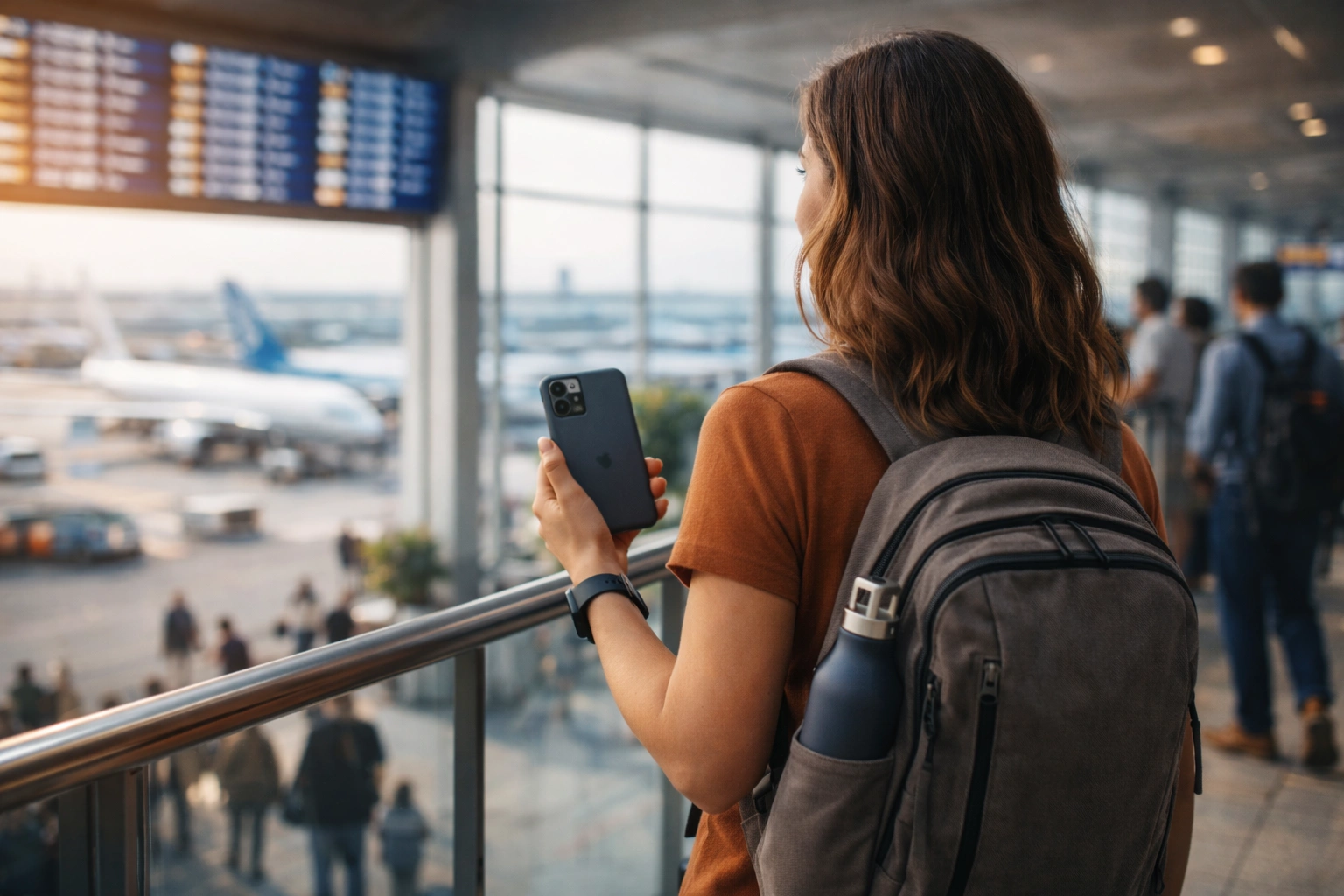
The global travel landscape has changed. Flights are more dynamic in pricing, destinations are more crowded, and digital systems play a central role in every stage of a journey. At the same time, travelers are more value-conscious and risk-aware than ever before.
Smart travel in 2025 means making informed decisions before booking, spending intentionally rather than cutting enjoyment, reducing risk through preparation instead of fear, and using technology to simplify travel rather than complicate it. Those who travel smarter don’t necessarily travel cheaper—they travel better.
Smart Travel Planning: Build a Strong Foundation
1. Start Planning Earlier—but Stay Flexible
Early planning provides leverage in 2025. Airlines, hotels, and tour providers often reward travelers who book ahead, especially during peak seasons. However, overly rigid plans can backfire when schedules shift or prices drop unexpectedly.
A smarter approach is to secure core elements such as flights and major accommodations early, while choosing options that allow flexible cancellation. Leaving deliberate space in the itinerary protects both your budget and your overall experience.

2. Use Data, Not Guesswork, to Choose Destinations
Destination choice directly affects cost, crowd levels, and safety. In 2025, smart travelers rely on real-time data rather than social media hype. Seasonal pricing patterns, visitor volume trends, local transport reliability, and climate volatility all play a role in smarter destination selection.
Secondary cities and emerging regions often deliver better value and a more relaxed experience than overexposed hotspots.
3. Build an Itinerary That Breathes
Overpacked itineraries often lead to fatigue and disappointment. Smart travelers prioritize quality over quantity by allowing their schedules to breathe. Limiting each day to one or two anchor activities, building buffer time between locations, and leaving at least one unscheduled day per week reduces stress and increases enjoyment—especially on longer trips.
Digital Travel Tools That Actually Help
Technology is essential to smart travel in 2025, but only when used selectively. The goal is convenience, not complexity.
Essential tools that genuinely add value include:
- Flight and accommodation trackers that monitor price changes
- Digital travel wallets for boarding passes, reservations, and insurance documents
- Offline navigation apps for low-connectivity areas
- Translation tools that improve communication and safety
Installing too many apps often creates friction. Smart travelers choose tools that integrate smoothly and reduce decision fatigue.
Travel Budgeting Tips That Preserve Comfort
1. Redefine What “Budget Travel” Means
Budget travel in 2025 is not about spending as little as possible. It is about maximizing value per dollar. Smart budgeting allows travelers to spend more where comfort and reliability matter, while saving where quality is not compromised. This approach enables selective premium experiences without overspending.
2. Build a Realistic Travel Budget
A smart travel budget goes far beyond flights and hotels. Many travelers underestimate daily and incidental costs, which leads to stress later.
Key budget categories worth planning upfront include:
- Transportation (local and intercity)
- Accommodation
- Food and beverages
- Activities and experiences
- Connectivity and data
- Travel insurance
- An emergency buffer of 10–15 percent
Accounting for these elements early makes spending predictable and manageable.
3. Plan for Disruptions Without Inflating Costs
Delays, strikes, weather changes, and system outages are now part of modern travel. Instead of paying extra for fully flexible options across the board, experienced travelers plan financial buffers.
Choosing refundable bookings selectively, avoiding tight connection schedules, keeping emergency funds accessible, and understanding airline and hotel change policies in advance reduces both financial shock and decision pressure when disruptions occur.
4. Save on Flights Without Sacrificing Reliability
Flight prices in 2025 are highly dynamic. Smarter booking often involves flying midweek, considering nearby alternate airports, booking separate legs when practical, and avoiding last-minute changes. Ultra-cheap fares frequently hide additional costs, so evaluating the total price—not just the headline fare—is essential.
5. Accommodation: Balance Cost, Location, and Safety
Choosing the cheapest accommodation is rarely the smartest decision. Location and safety strongly influence both cost and experience. Staying slightly outside city centers with reliable transit access, prioritizing walkable neighborhoods, and reviewing recent guest feedback often results in better value overall.
Everyday Spending Habits That Reduce Costs
Food is one of the easiest areas to overspend while traveling. Smart travelers reduce costs without sacrificing enjoyment by eating their main meal at lunch, shopping local markets for simple breakfasts or snacks, avoiding tourist-heavy restaurant zones, and carrying reusable water bottles where safe.
Financial efficiency also depends on payment habits. In 2025, most destinations accept digital payments, but smart travelers diversify by using cards with no foreign transaction fees, carrying small amounts of local currency, limiting ATM withdrawals, and monitoring exchange rates before departure.
Travel Safety in 2025: Awareness Over Anxiety

Travel safety today is less about fear and more about informed readiness.
1. Research Safety at the Destination Level
General country safety ratings rarely tell the full story. Conditions vary widely by city and neighborhood. Reviewing recent travel advisories, understanding local laws and customs, learning common tourist scams, and identifying emergency services in advance significantly reduces risk.
2. Navigating Crowds and Overtourism Safely
Overcrowding is one of the most underestimated travel risks in 2025. Smart travelers manage crowd exposure by visiting landmarks early in the day, traveling during shoulder seasons, monitoring local event calendars, and staying in less congested neighborhoods. This approach improves both safety and overall experience.
3. Protect Your Digital and Financial Identity
Public Wi-Fi networks are convenient but risky. Using secure connections, enabling two-factor authentication, avoiding sensitive transactions on public networks, and keeping devices updated are now basic travel safety practices.
Financial safety extends beyond cybersecurity. Notifying banks before travel, enabling spending alerts, avoiding public charging stations, and separating payment methods physically help prevent fraud and losses.
4. Health Preparedness Is Non-Negotiable
Health risks vary by destination and season. Smart travelers prepare calmly by ensuring recommended vaccinations are up to date, carrying personal medical kits, keeping prescription documentation, and securing comprehensive travel insurance. In 2025, insurance is less about emergencies and more about continuity.
Sustainable Travel Habits That Save Money
Sustainability and smart travel often align. Using public transportation, staying longer in one place, supporting local businesses, and avoiding single-use travel purchases reduce expenses while improving travel quality.
Slower Travel as a Smart Strategy
Staying longer in fewer locations lowers transportation costs, reduces fatigue, and deepens cultural engagement. Slower travel also allows access to local pricing and more stable routines, delivering better value than frequent relocation.
Smart Travel for Different Traveler Types
Smart travel principles remain consistent, but application varies.
- Solo travelers benefit from secure accommodations, itinerary sharing, and risk awareness.
- Families gain the most from flexibility, convenience, and built-in rest.
- Digital nomads must balance cost with long-term comfort while understanding visa and tax requirements.
Common Mistakes That Smart Travelers Avoid
- Overbooking activities
- Ignoring travel insurance
- Chasing the cheapest option blindly
- Underestimating travel fatigue
- Failing to plan for disruptions
Avoiding these mistakes often saves more money than any discount.
Emotional Readiness and Travel Resilience
Smart travel is not only logistical—it is psychological. Delays and unexpected changes test patience more than planning skills. Travelers who adjust expectations, focus on controllable factors, and prioritize well-being handle uncertainty more effectively.
Final Thoughts: The Smart Traveler’s Mindset
Traveling smarter in 2025 is about intention, not perfection. When planning, budgeting, and safety work together, travel becomes smoother, more rewarding, and more resilient to change. Smart travel does not remove uncertainty—it prepares you to handle it confidently.
FAQ
1. What does “travel smarter in 2025” really mean?
It means planning intentionally, budgeting strategically, and preparing for risks without overcomplicating the journey.
2. Is traveling in 2025 more expensive than before?
Costs have increased, but smart planning and value-focused decisions help travelers manage expenses effectively.
3. How early should I plan trips in 2025?
Ideally 3–6 months in advance for international travel, while maintaining flexible booking options.
4. Are digital travel tools safe to use?
Yes, when used selectively and securely. Avoid public Wi-Fi for sensitive transactions.
5. Is travel insurance still necessary in 2025?
Absolutely. It protects against disruptions, medical issues, and unexpected costs.