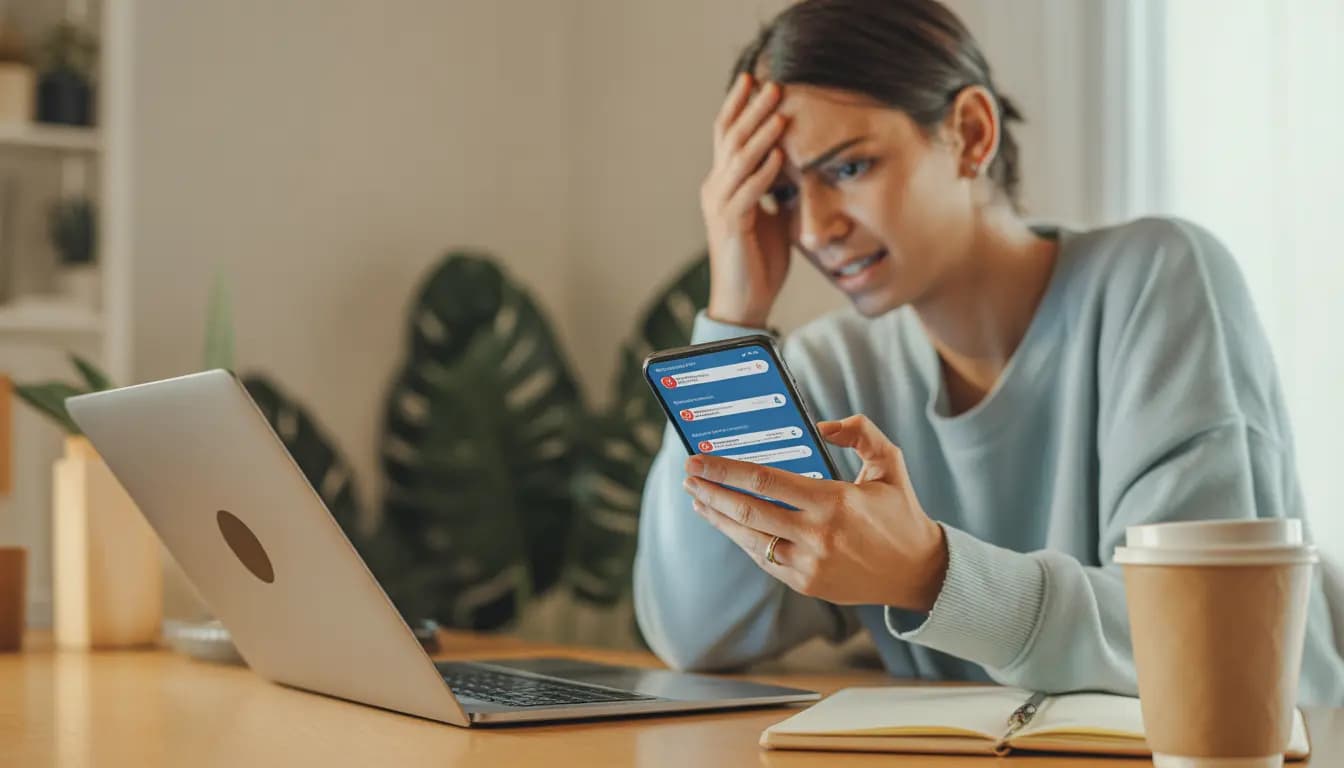
Last fall, I caught myself buying a throw pillow at 11 p.m. I wasn’t cold. I wasn’t sad. I wasn’t even bored. I just wanted that tiny rush you get when you tap “Place Order.” And that’s when it hit me — I didn’t need more stuff. I needed a reset. That’s how I found the Buy Nothing Challenge. Some people call it a no-spend month. Some call it a dopamine detox. I just call it the moment I got my money, my space, and my head back.
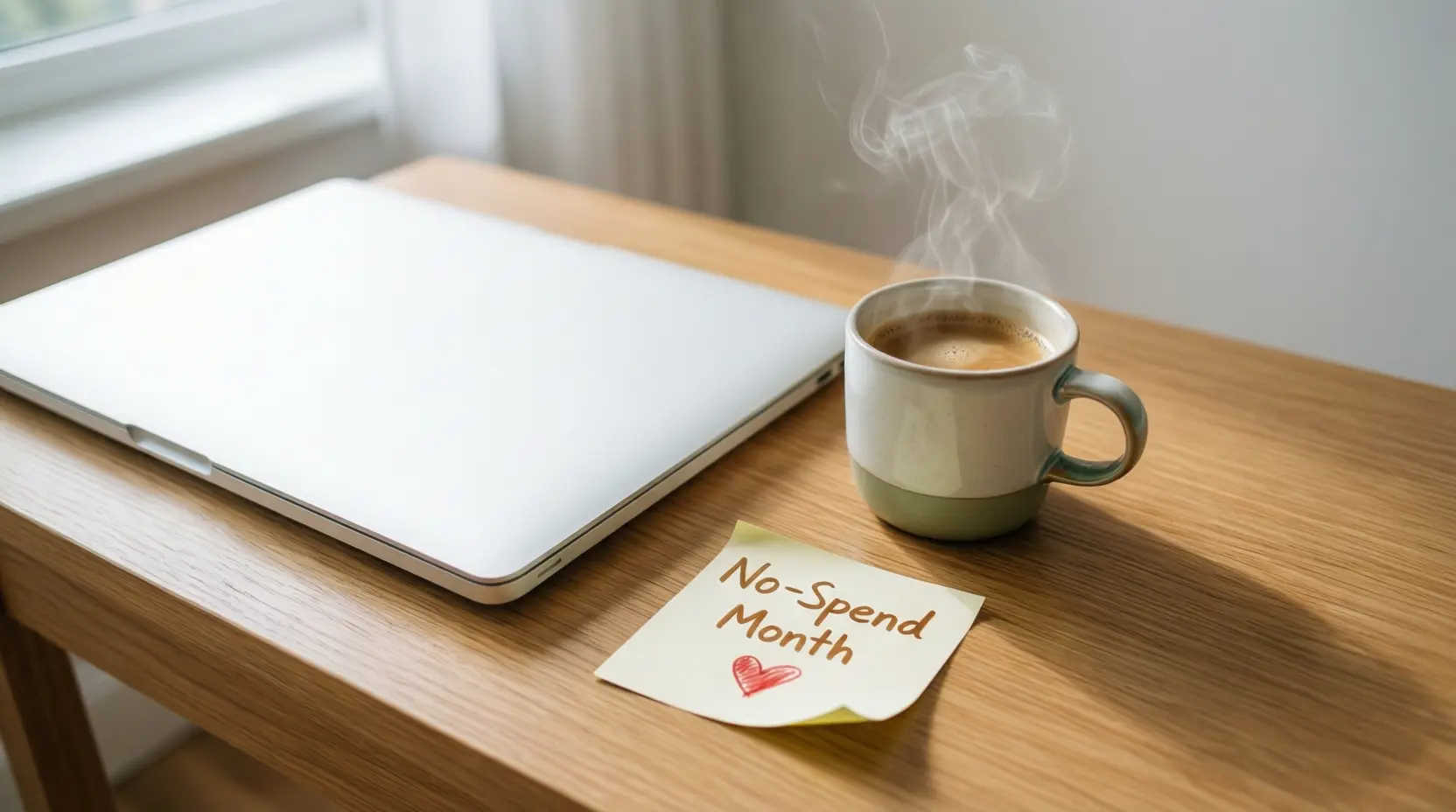
If you’re here looking for no-buy month tips, you probably feel it too. The clutter. The money stress. That weird habit of scrolling through deals when you don’t even need anything. This isn’t about being cheap. It’s about feeling in control again. And I’m going to show you how this challenge works, how to stop impulse buying, and how to save money without feeling like you’re being punished.
What Is a No-Buy Month?
Most people make this way more complicated than it needs to be, so let me keep it simple. A no-buy month is when you stop buying anything that isn’t a real need for a set period of time. For most people, that’s thirty days, but it could be two weeks or even just a week if that feels more doable.
You might hear it called a no-spend challenge, a buy-nothing challenge, a spending detox, or a financial reset. The name doesn’t matter much. The point is the same. You pause the habit of buying things just to feel something.
I started mine in early January. It was cold, gray, and full of bills—honestly the perfect time to break a bad loop. What surprised me wasn’t how much money I saved. It was how quiet my brain felt after a week. No ads pulling at me. No fake urgency screaming “limited time.” Just space.
And here’s the funny thing. When you stop buying for a while, every future deal becomes more powerful. You stop wasting coupons on random stuff and start saving them for things you actually want. That’s what smart shopping really looks like.
No-Buy vs. Low-Buy: Which One Fits Your Life?
Not everyone needs the same rules, and I learned that the hard way. There are two main ways people do this. One is a strict no-buy, where you only spend on true essentials. The other is a low-buy, where you still spend, but only on planned and meaningful things.
Here’s how I think about it. If you feel totally out of control with your spending, a no-buy can help you reset fast. If you feel tired and burned out, a low-buy might work better because it gives you some breathing room.
The first time I tried a full no-buy, I lasted ten days. Then I bought a coffee mug I didn’t need. Not my proudest moment. So the next time, I switched to low-buy. I let myself use coupons, but only for things that were already on my list. That worked better. I felt calm instead of trapped. The trick is choosing rules you can actually live with, not rules that make you want to rebel.
Why Shopping Feels So Addictive
Here’s the part nobody really talks about. You don’t shop because you love stuff. You shop because your brain loves dopamine. That little hit you get when you find a deal or click “buy” is the same loop that social media runs on.
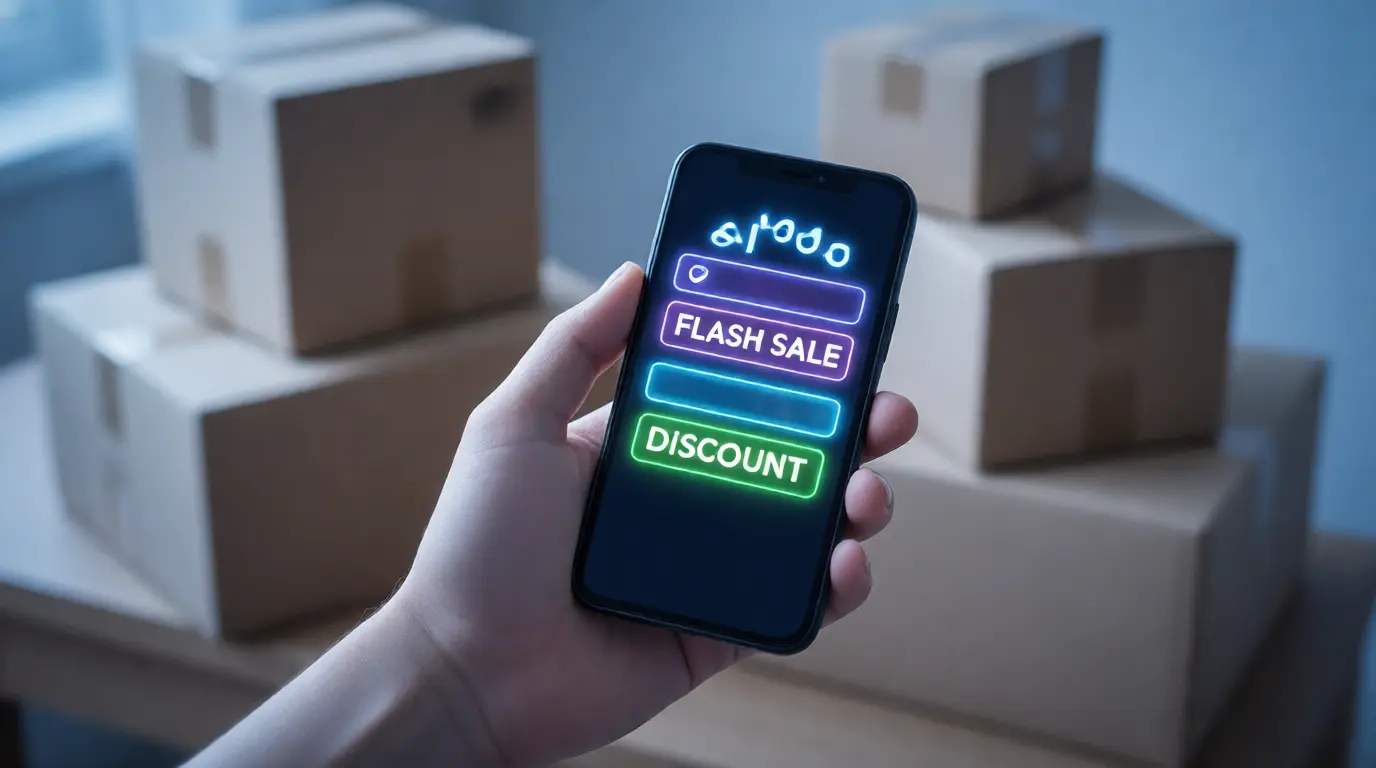
Deals make it even worse. “Only three left.” “Flash sale.” “Ends tonight.” Your brain panics, you buy, and you feel good for about five minutes. Then the box shows up and you barely care. That’s how clutter builds and credit card balances creep up.
A no-buy month breaks that loop. After about a week, the urge starts to fade. You begin to want calm more than packages. And later, when you do use promo codes or cashback, you do it with intention instead of panic.
How to Set Rules for Your Buy-Nothing Challenge
This challenge only works if you give it structure. Loose ideas fall apart fast. Before I start, I write down how long I’m doing it for, what I’m allowed to buy, and what is completely off-limits.
For me, that usually looks like thirty days where groceries, medicine, and bills are allowed, but clothes, home decor, and random deals are not. I also add one line I learned from experience—no “just this once.”
When I see a deal I want, I save it to a wish list. I don’t buy it yet. That way, when the challenge ends, I use my coupons on things I actually waited for.
What Counts as “Essential” vs. “Non-Essential”?
This part gets messy, so it helps to be honest with yourself. Food, medicine, gas, rent, and work supplies are essentials. Clothes, beauty products, gadgets, and home decor usually are not.
The gray area is where most people slip. If your shoes break, replace them. If you just want new shoes because they’re cute, wait. The same goes for gifts and upgrades. I keep screenshots of promo codes for later so I don’t forget the deal, but I also don’t break the challenge.
How to Stop Impulse Shopping During a No-Buy
This is where the real work happens. The first thing I do is delete shopping apps. No Amazon. No fast fashion. No deal alerts. Then I unsubscribe from emails. The fewer triggers you see, the easier it gets.
When I feel the urge to buy something, I wait twenty minutes. I go for a walk, write it down, or drink some water. Most of the time, the feeling passes. When it doesn’t, I add the item to my list with a note to check the price with a coupon later. That small pause changes everything.
How to Deal With Boredom Without Shopping
This was the hardest part for me. I used shopping as a break, a reward, and a way to feel busy. So I had to replace it. I started cooking with what I already had, decluttering a drawer, fixing small things around the house, and taking short walks.

None of it felt exciting at first, but it felt calm. And I started using the things I had bought on sale months ago—candles, coffee, skincare—stuff I forgot I even owned. Shopping less made me enjoy more.
What to Do When You Slip Up
You probably will slip up. I did. I bought a planner halfway through my first challenge. It didn’t ruin everything. I wrote it down, asked myself why, and kept going. The goal isn’t perfection. It’s awareness. One mistake doesn’t mean a shopping spree.
How to Re-Enter Spending Without Going Broke
This is where most people lose the progress they made. They finish a no-buy and then binge. I don’t do that anymore. I switch to low-buy. I use lists, waiting periods, coupons, and cashback. I only buy what I planned, and only if it’s on sale. That’s how a reset turns into a habit.
How to Use Coupons & Deals After Your No-Buy
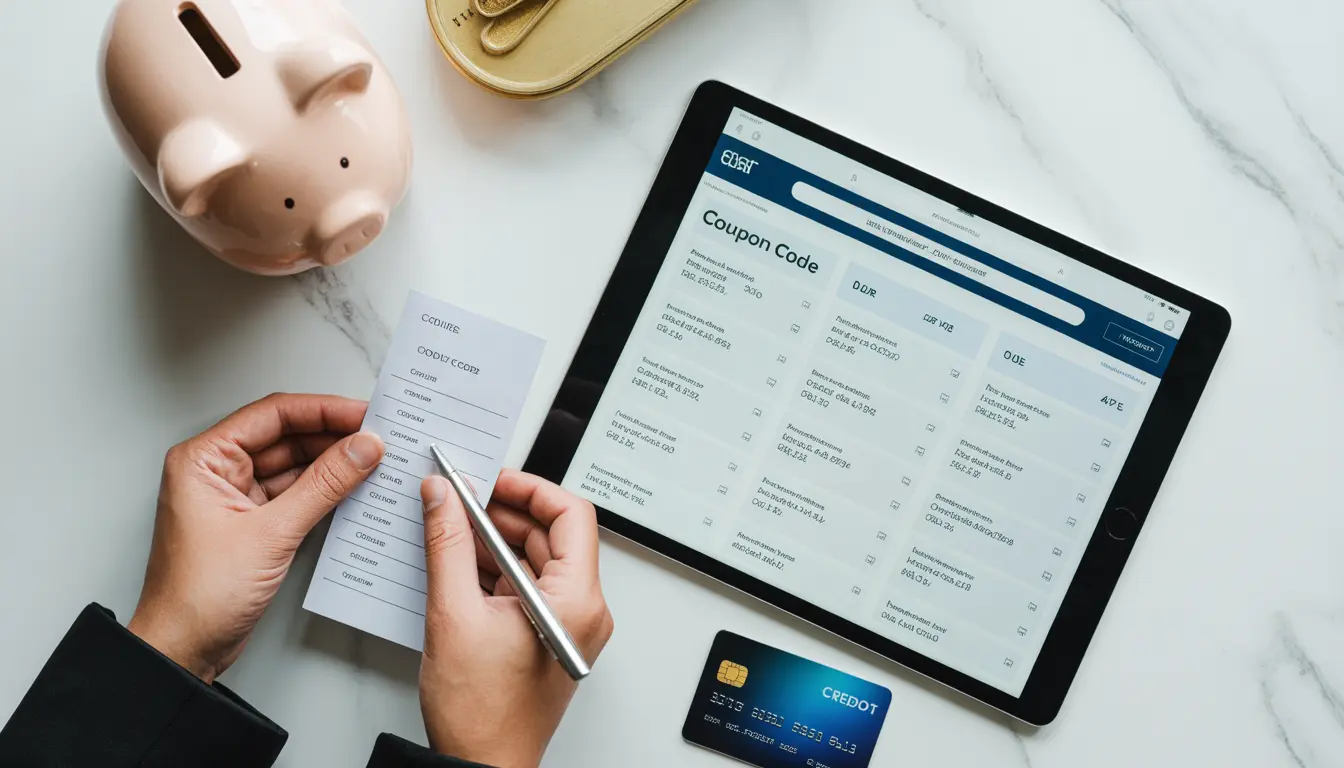
Deals work best when you’re calm. After my challenge, I go back to places like Cakushop, not to browse, but to check prices for the things on my list. I look for promo codes, price drops, and cashback. Then I buy it once, not ten times. That’s how deals save you money instead of draining it.
Conclusion
The Buy Nothing Challenge didn’t make me miserable. It made me feel clear. I spent less, wanted less, and enjoyed what I had. You don’t need more stuff to feel better. You need better habits. And when you do buy, let deals work for you, not against you.
FAQs
What is allowed in a no-buy month?
Essentials and anything you set as allowed before you start.
Is a no-buy or low-buy better?
It depends on your lifestyle and stress level.
How do I stop impulse shopping online?
Reduce triggers and add waiting time.
Can I use coupons during a no-buy?
Save them for after the challenge ends.