I used to think self-care meant spending money. A class. A subscription. A cart full of things I didn’t plan to buy. Most days, it just made me more stressed. Bills still showed up. The noise didn’t stop.What actually helped was quieter. Slower. Cheaper.
Gardening and crafting became my reset buttons. Not because I’m patient or creative by nature. I’m not. But because these hobbies gave my brain something steady to hold onto. And they didn’t ask for much money if I stayed intentional.
This isn’t about turning hobbies into side hustles or buying perfect supplies. It’s about why simple, hands-on hobbies calm your mind—and how to start without blowing your budget. Yes, I’ll also show where hobby supplies on sale fit in, but only where it makes sense.
Why Therapeutic Hobbies Improve Mental Health
Doing things with your hands changes how your brain works. It pulls you away from screens and drops you back into the real world, where time moves a little slower. When I start knitting or digging in the dirt, I feel my heart rate ease up. The noise fades. This state is often called “flow,” and once you’ve felt it, you recognize it right away. You get so absorbed in what you’re doing that the world goes quiet. Honestly, it’s better than any app I’ve ever downloaded.
Hands-on work gives your brain something real to focus on. Touching soil, fabric, or paint grounds you in the moment. It’s also a form of active rest. Unlike watching TV, which keeps your mind half-busy and half-tired, hobbies ask your brain to work in a calm, steady way. And then there are the small wins. Finishing a row of stitches or spotting a tiny green sprout feels like a victory, even if nothing else went right that day.
There’s also the built-in digital detox. You can’t scroll your phone when your hands are muddy or covered in paint. In the U.S., we spend an enormous amount of time staring at screens, and it wears us down more than we realize. Picking up a hobby acts like a shield against that digital fatigue. It’s preventive care that actually works, and it doesn’t come with a monthly fee.

Gardening as a Low-Cost Stress Relief Hobby
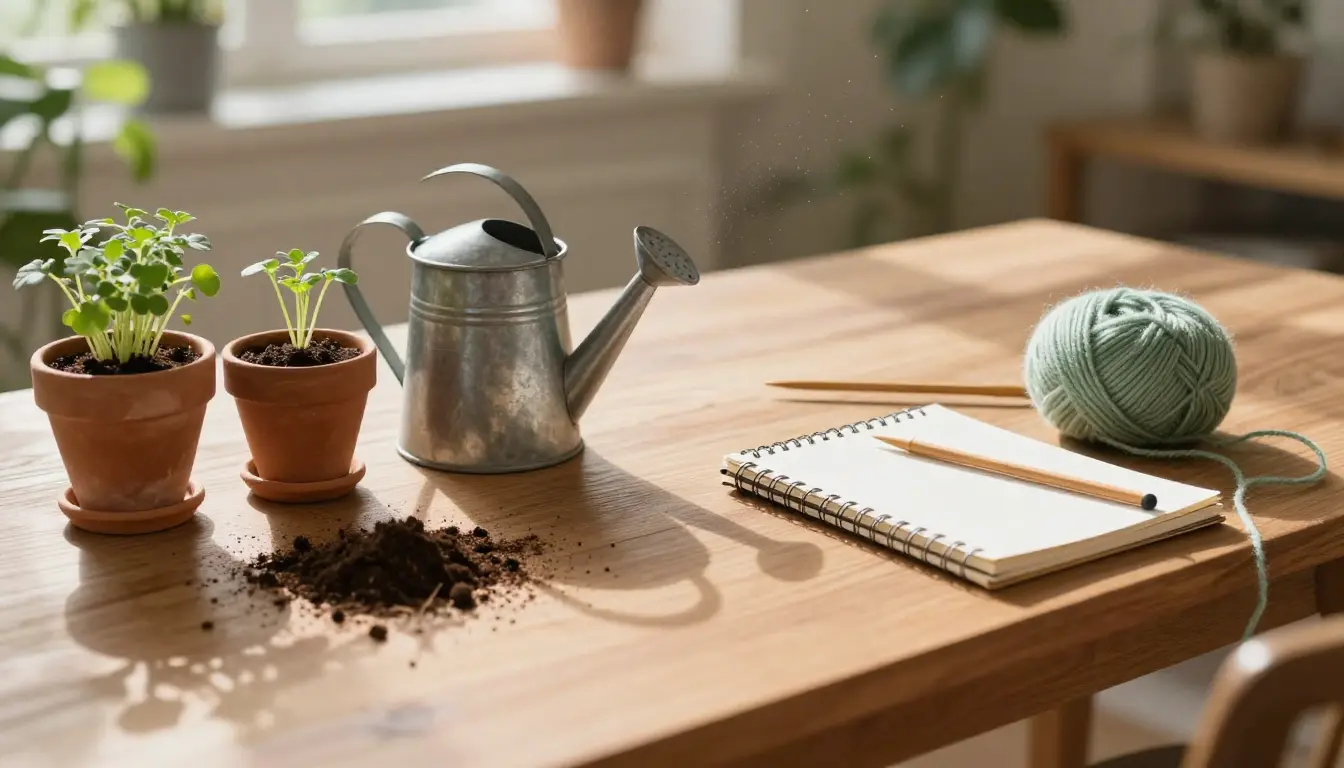
You don’t need a farm to be a gardener. I didn’t have one. I started with three small pots on a windowsill, and somehow that simple setup changed my mornings. There’s something about the smell of wet soil that clears the air in your head. It’s a sensory reset. Watering plants, checking for new leaves, and noticing slow progress gives your day a quiet sense of purpose. Gardening also taught me patience, which I badly needed.
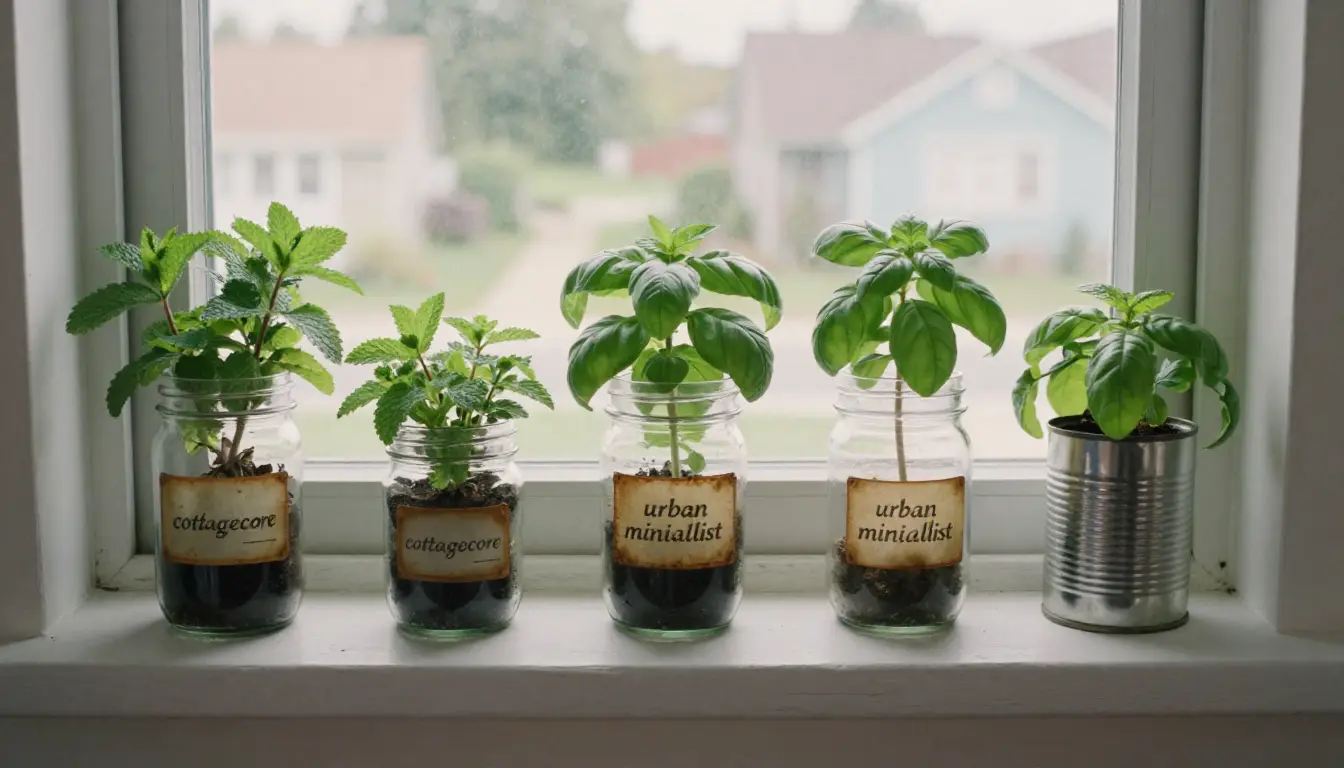
It’s an especially budget-friendly hobby if you keep it simple. Herb gardens like basil or mint are cheap to grow and save money at the grocery store. Container gardening works well for renters or anyone with a small balcony. Succulents are forgiving if you’re worried about killing plants, and native plants tend to grow better with less water and fertilizer, which saves money over time.
I learned the hard way not to buy everything at once. I used to walk into a garden center and grab the prettiest pots and tools without thinking. Now, I wait. I check the clearance shelves, including the infamous “death rack” at stores like Lowe’s or Home Depot. Those plants usually just need a little water and attention, and they’re often marked down 50% or more. That patience makes gardening even more satisfying.
Crafting for Mindfulness and Creative Focus
Crafting isn’t just for kids or experts. It’s for anyone who needs to focus on something other than their to-do list for a while. I started journaling because my head felt too full. Then I tried watercolor painting. I’m not good at it, and that’s fine. The point isn’t the finished piece. It’s watching blue paint spread across paper and noticing how it makes you slow down.
Crafting pulls your attention into the moment. Knitting and crochet use repetitive motions that feel like meditation you can wear. Art journaling lets you process your day with just a notebook and a pen. Simple DIY projects, like fixing an old chair or making candles, bring a deep sense of satisfaction because you can see the result of your effort. Embroidery is another great option. It has a low cost to start but delivers huge mental health rewards.
The key is avoiding what I call “hobby creep.” That’s when you buy a $400 sewing machine before you even know how to thread a needle. I’ve done that kind of thing before. This time, I started with a $5 kit from a clearance bin. It was enough to tell me whether I enjoyed it, without adding stress to my bank account.
How to Start a Therapeutic Hobby on a Tight Budget
Starting a new hobby shouldn’t feel like a financial burden. If it does, it stops being therapeutic and turns into another source of stress. When friends ask me for advice, I always say the same thing. Pick one hobby and stick with it for a month. Don’t buy the “pro” version of anything. Use what you already have or start with the basics.
Setting a simple limit helps a lot. I give myself a small monthly “fun” budget, usually around $20 or $30. Borrowing supplies from friends is another easy win, especially when you’re just testing something out. Free resources matter too. YouTube is packed with tutorials for almost any hobby you can imagine, and they cost nothing. When I do buy supplies, I focus on quality over quantity. One good paintbrush beats ten cheap ones that fall apart.
Before I walk into a store, I always look for signs that say hobby supplies on sale. I also sign up for store emails, even though they can be annoying. That 40% off coupon from Michaels or Joann saved me a lot on my first real yarn purchase. Used wisely, those deals support the hobby instead of taking it over.
Where to Find Hobby Supplies on Sale
Knowing where to shop is half the battle, but patience is the real money-saver. I start with clearance aisles. Most people rush past them to the shiny displays, and that’s a mistake. I’ve found great kits and tools there just because the box was slightly damaged.
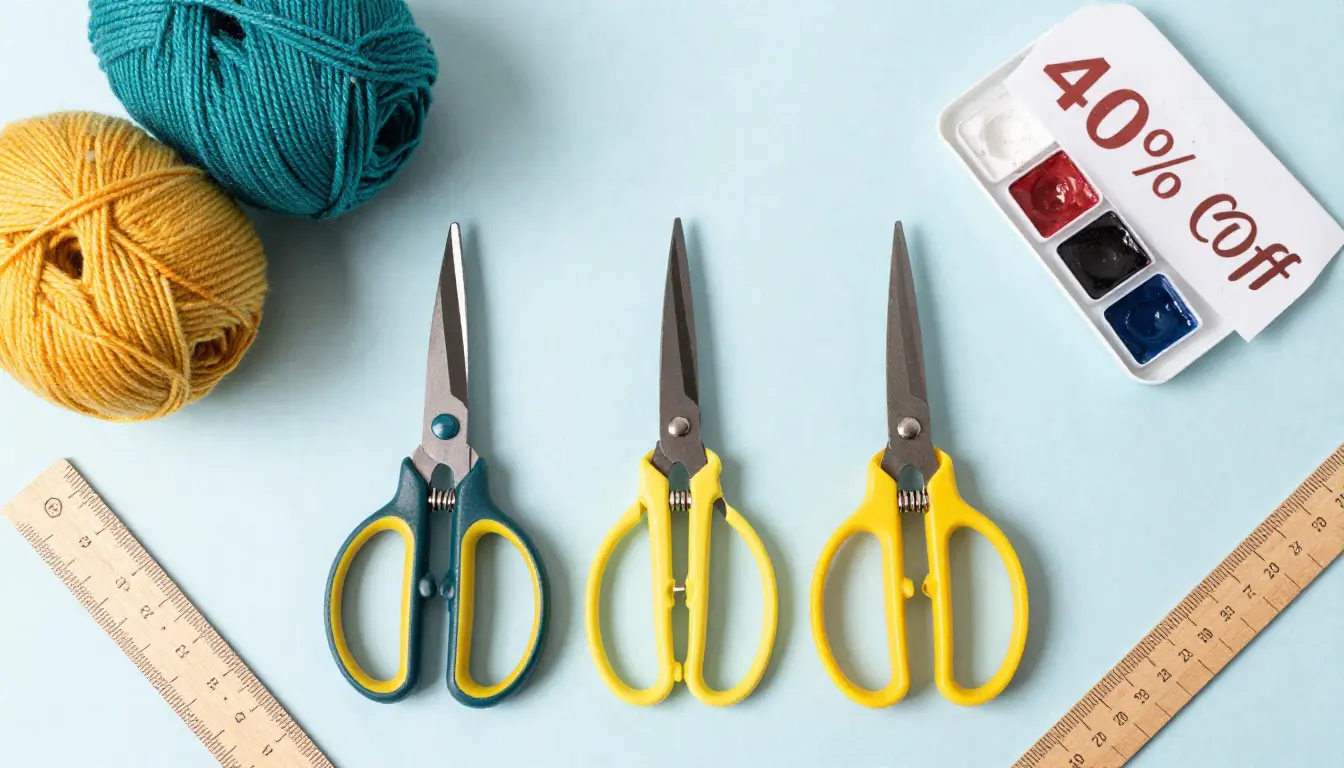
Big-box stores are best when seasons change. Garden items are often cheapest in October. Thrift stores can be goldmines for yarn, fabric, and old tools. Online marketplaces are another option, especially when people sell entire hobby setups after losing interest. Dollar stores are surprisingly useful for basic organizers and simple craft items.
In many U.S. cities, there are also creative reuse centers. These places work like thrift stores but focus on art and craft supplies. Shopping there feels good because it supports conscious consumption and keeps usable materials out of landfills, all while saving serious money.
DIY & Minimalist Approaches to Hobby Supplies
You don’t always need to buy new supplies. Some of the best tools are already in your house. I use old glass jars as planters and turn worn t-shirts into yarn for small rugs. Giving those items a second life made me feel more connected to my hobbies. It wasn’t just about saving money. It felt thoughtful.
Propagating plants from cuttings is basically free gardening. Old magazines work well for collages, and egg cartons make great seed starters. Community swaps help too. I’ve found supplies through local “Buy Nothing” groups on Facebook and Nextdoor. Tool sharing is another option. Some libraries even offer tool libraries you can borrow from.
Minimalism and hobbies can work together. You don’t need a wall covered in supplies. A small basket of yarn or a single shelf of plants is enough. Keeping it simple keeps the focus on the activity, not the stuff.
When to Shop Sales for Gardening and Crafting Supplies
Timing makes a huge difference. If you buy a shovel in April, you’ll probably pay full price. I learned to shop off-season instead. I buy gardening tools in the fall, when stores want space for holiday decorations. Prices drop fast. For crafts, I watch for back-to-school sales and after-Christmas clearances.
Late August through October is the sweet spot for gardening deals. January is often called “National Hobby Month,” and many craft stores run big discounts. Black Friday can be useful for larger items like sewing machines or power tools, as long as you’ve planned ahead. Off-season shopping works for indoor hobbies too. Buy them when everyone else is outside.
I keep a future hobby list on my phone. When I see gardening tools discounts or craft sales, I check the list. If I need the item, I buy it. If not, I keep walking. That habit stops me from buying things just because they’re cheap, and it keeps my hobbies peaceful instead of stressful.
Conclusion
Hobbies are not a luxury. They are a way to protect your peace in a very loud world. I’ve learned that my mental health is worth the time, but it doesn't have to cost my savings. By being intentional and shopping smart, I’ve built a lifestyle that feels rich without being expensive.
Choose one thing this week. Get some seeds or a sketchbook. Don't worry about being perfect. Just enjoy the process. You’ll find that the real deal isn't just the price you paid—it’s the way you feel when you’re done.
FAQs
1. Why are hobbies good for mental health?
They give your brain a break from stress by focusing on a calm, creative task.
2. What are the best therapeutic hobbies at home?
Gardening, knitting, painting, and journaling are great because they are easy to start and very grounding.
3. How can I start a hobby without spending a lot of money?
Start with the basics, use what you have at home, and look for hobby supplies on sale.
4. When is the best time to buy gardening or crafting supplies?
Shop the off-season, like buying garden tools in the fall or craft kits after the holidays.