A few years ago, I looked up the price of a local Spanish class in my area. It was over $1,200 for three months. Three months. And all I wanted was to speak well enough to travel, order food, and not feel lost in a new place. That price felt wild. I wasn’t trying to become a translator. I just wanted to learn.
That’s the moment I started looking at language immersion at home instead. I didn’t want another big bill. I wanted something that fit into real life. And that’s where language software deals quietly changed everything for me.
This guide is about what I learned.
How to build a real learning system at home.
And how to do it without draining your bank account.
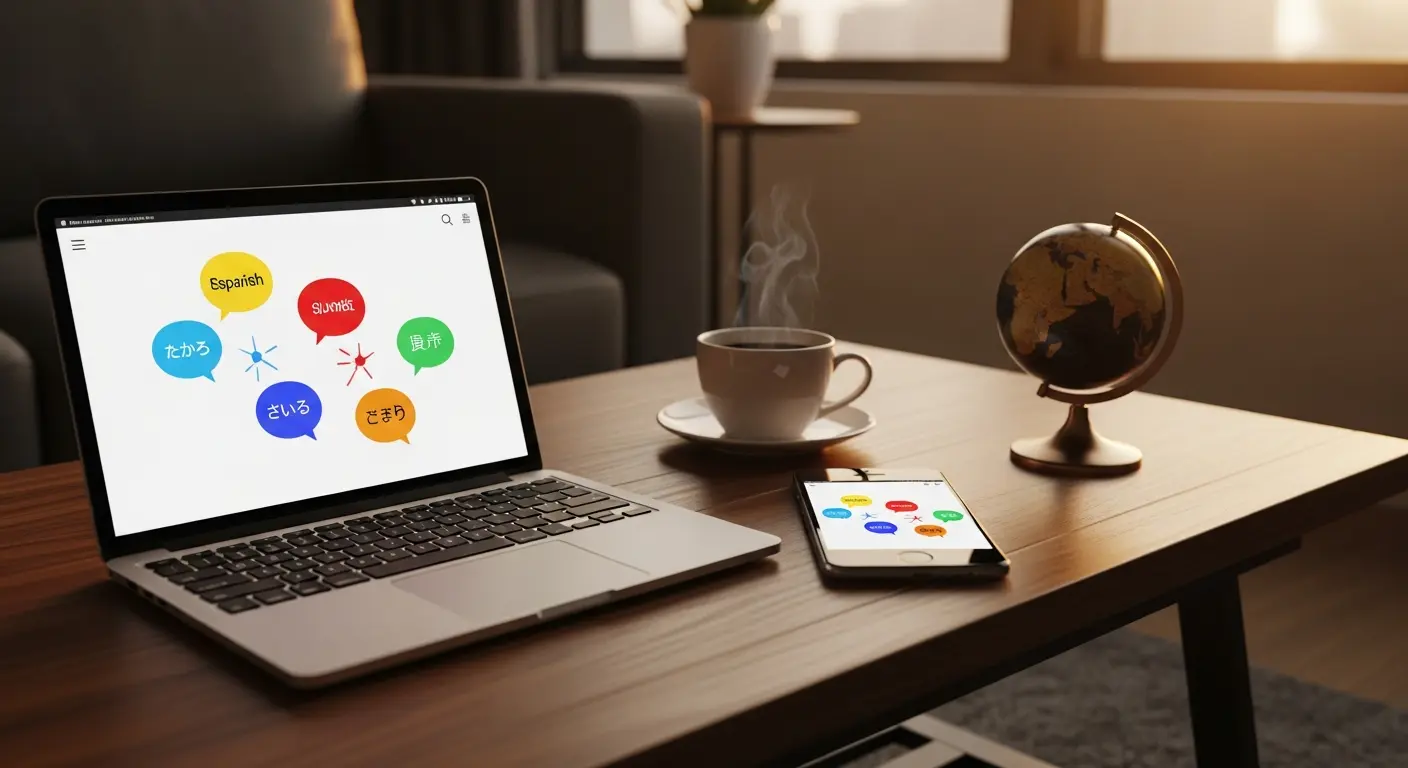
Creating a True Language Immersion Environment at Home
Real immersion is about what you hear and see every single day, not just sitting with a book for an hour.
I started by changing the language on my phone and laptop. It was frustrating for the first two days. I couldn't find my own settings! But it forced me to learn words like "search," "save," and "delete" immediately. This is the heart of home language learning.
You can actually "talk to your house" by putting sticky notes on your fridge, mirror, and doors so you learn the words for things you touch every day. I also loved keeping some background noise going by playing news or music in my target language while I cooked dinner. To really push myself, I created a "No-English Zone" where I spent one hour a day refusing to speak anything but the language I was learning.

This doesn't cost a dime. It’s about making the language a part of your life. When you pair these habits with the right tech, things start to click. You can find many free tools, but some language immersion at home requires a bit more structure.
Why Digital Language Software Works Better Than Traditional Classes
Digital tools let me learn in my pajamas at 11 PM, which a night school class just can't offer.
In a classroom, you move at the pace of the slowest student. With digital language learning, I was the boss. If I understood a grammar point, I skipped ahead. If I struggled with a sound, I hit "replay" fifty times. No one judged me.
The speech recognition tech was a lifesaver because it told me exactly when my accent was off without the embarrassment of a teacher correcting me in front of a class. I also loved the adaptive paths that noticed what I was forgetting and brought those words back later. This kind of micro-learning meant I could practice for five minutes while waiting for my coffee instead of sitting through a long lecture.
Modern online language courses are built on science. They use spaced repetition to make sure words stay in your long-term memory. Plus, the cost of a full year of software is often less than one week of a private tutor.
Choosing the Best Language Learning Software for Home Use
Finding the right fit is like dating; you have to know what you need before you commit your time.
I learned the hard way that not all apps are the same. Some are great for travel phrases, but they won't help you have a real conversation. When looking for the best language learning software, I looked for programs that forced me to speak out loud.
If you are the kind of person who wants to focus on audio and talking, you might lean toward something like Pimsleur. On the other hand, if you learn better with pictures and visual cues, Rosetta Stone is a classic choice for a reason. For those who need to understand the "why" behind the grammar rules, Babbel is fantastic at explaining things simply.
If you are a beginner, look for a "natural" method. You want to learn like a child does—by listening and seeing. Language software for beginners should feel fun, not like a chore. Don't pay for features you won't use, like business writing, if you just want to order a taco on vacation.
Free vs Paid Language Learning Tools: What’s Really Worth It?
Free tools are great to get started. YouTube videos, podcasts, and free apps can all help you dip your toes into a new language. But the problem is that free tools rarely give you a structured learning path.
When I relied only on free apps, I jumped around from one thing to another. I picked up a little of everything, but nothing really stuck. Over time, I realized that paying for the right tools could actually save me money by stopping wasted effort and giving me real progress.
Paid tools usually offer a clear path, speaking feedback, review systems, and real lessons that build on each other. You get guidance and consistency that free resources just can’t provide.
The trick is to never pay full price. Most platforms offer free trials, student discounts, and holiday sales. I always wait for a deal—that’s how I get the best value without overspending.
How to Compare Language Software Before Spending Money
Don't let flashy ads fool you; always look under the hood before you enter your credit card info.
I spent a whole weekend comparing prices. Some apps want a monthly fee. Others let you pay once and keep it forever. In the USA, many people prefer "Lifetime Access" because it removes the pressure of a ticking clock.
Before you buy, make sure you check the device limit so you can learn on both your phone and your tablet. I also suggest looking for an offline mode, which is huge if you have a long commute with bad cell service. Some language learning programs even offer "all language" bundles where you get access to 25 different languages for one single price.
When you look for self-study language tools, read the reviews from real people. Don't just trust the 5-star rating on the app store. Look for people who have used it for at least three months. This helps you find the actual language software deals that are worth your cash.
Staying Consistent Without Wasting Money on Unused Apps
We have all been there—buying a gym membership or an app and then never using it after week two.
I call this "the ghost subscription." To avoid this, I started "habit stacking." I only used my language app while I was on the treadmill. If I wanted to walk, I had to learn. This kept my language study at home consistent.
You don't need hours; even setting a timer for ten minutes is better than doing nothing at all. I also found it helpful to track my wins and look at how much learned rather than just focusing on what I didn't know yet. And don't forget to reward yourself—if I hit a 30-day streak, I’d treat myself to a nice coffee.
The goal is to learn a language online without it feeling like a second job. If it feels like work, you will quit. If you quit, that's money down the drain. Always turn off "auto-renew" in your settings so you aren't surprised by a charge a year later.
Digital Tools That Replace Expensive Tutors and Language Schools
AI and voice tech have come so far that I felt like I had a tutor in my pocket at all times.
I used to pay a tutor $40 for a 45-minute session over Zoom. Half the time, we just chatted in English. Now, online language courses use AI to simulate conversations. It’s a huge win for language learning tools for adults who are shy.

Modern pronunciation tools are incredible because they show you a visual wave of your voice so you can compare it to a native speaker. Many apps also use interactive stories where you choose the path of the plot as you learn. If you get stuck, grammar bots can answer questions like "Why is this word here?" in an instant.
You can get the same results as a classroom for about $10 a month if you find the right language software deals. It’s about being smart with your resources. You are paying for the curriculum, not the fancy building the school is in.
How to Find the Best Language Software Deals Online
I never pay full price for software anymore, and neither should you.
Retailers in the US love a good holiday sale. I found my biggest discounts during Black Friday and New Year's. Companies know people want to "better themselves" in January, so they drop the prices of language learning apps with discounts.
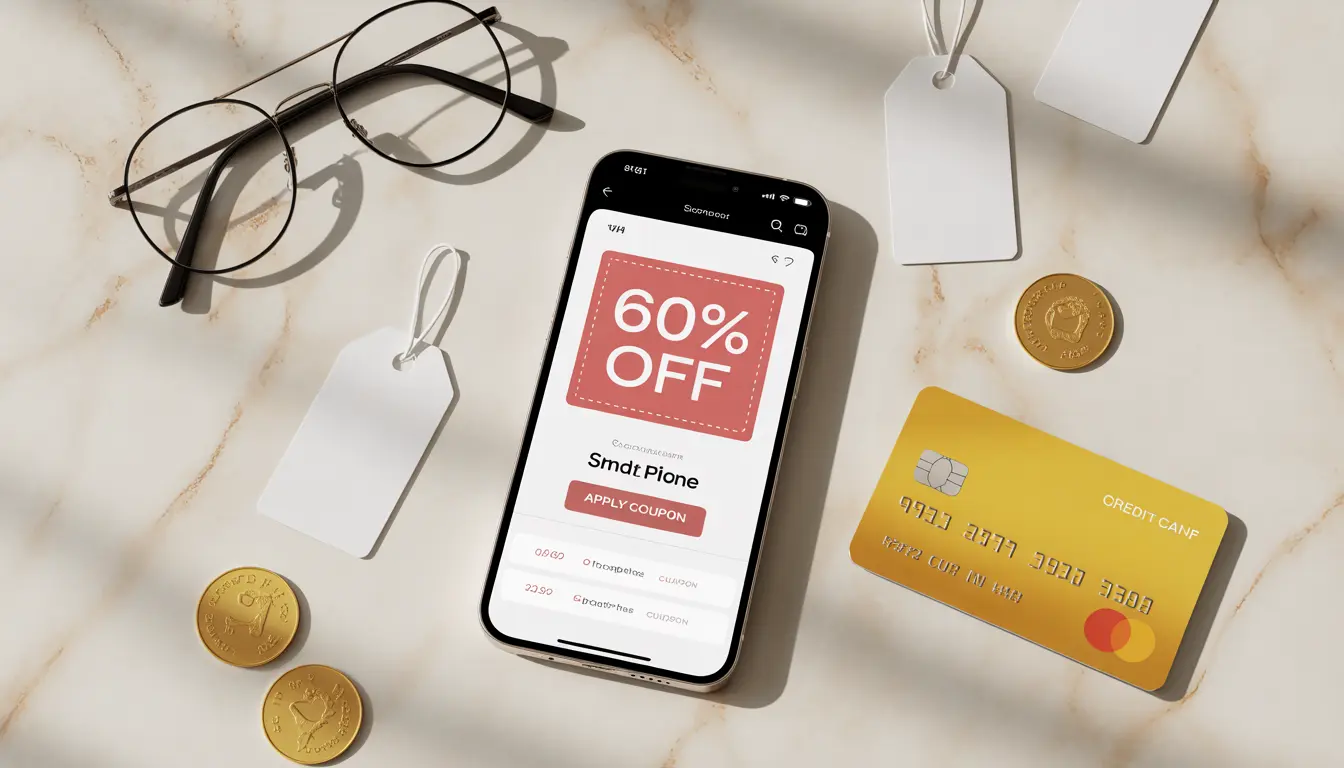
Before you check out, always search for promo codes or "brand name + coupon" to see if you can shave off some of the price. Check for bundles too, because buying a two-year plan is often 70% cheaper than paying month-to-month. If you are a student or teacher with a .edu email, you can usually save even more with a dedicated discount.
Keep an eye on language software deals through cashback sites too. Sometimes you can get 10% or 20% of your money back just for clicking a link. It takes two minutes and saves you twenty bucks. That’s a win in my book.
Learning a Language on a Budget: What Actually Works Long-Term
At the end of the day, fluency is built on small choices made over a long period of time.
I realized that my $80 software was more effective than a $2,000 trip because I used it every day. You don't need the most expensive gear. You need the most budget-friendly language apps that you actually enjoy using.
- Be patient: you won't be fluent in a week.
- Be messy: Don't be afraid to make mistakes.
- Be smart: Use your tools to their full potential.
Learning how to learn a language without classes is a superpower. It proves you have discipline. And when you do finally take that trip to France or Japan, you'll be able to say more than just "Where is the bathroom?" You'll be able to make a friend.
Conclusion
You don't need a fortune to speak a new language. I started with just a few sticky notes and a discounted app. By focusing on language software deals and building small habits, I changed how I see the world.
Think of your learning as a gift to your future self. It’s an investment in your brain and your life. And the best part? You can start right now, from your couch, for the price of a couple of pizzas.
Stay intentional with your spending. Choose tools that add value. Most of all, have fun with the process. You've got this.
FAQs
1. Are language software programs better than in-person classes?
They are often better for busy people because they are cheaper and you can go at your own pace.
2. What is the cheapest way to learn a language at home?
Use free podcasts and YouTube videos for immersion, and buy one high-quality software during a sale for the structure.
3. Are paid language apps really worth it?
Yes, if they provide a structured path and voice feedback that free apps usually lack.
4. Where can I find reliable language software deals?
Look at major coupon sites, wait for New Year's or Black Friday, and always check for student or military discounts.