Amazon
Digital detox doesn’t mean disconnecting. Learn how wearable tech filters noise, reduces phone dependency, and helps you stay present without going offline.
Related deal picks
These editorial picks create a direct shopping path from "Digital Detox How Wearable Tech Can Help You Unplug" to current product pages. Final offer details are confirmed on the merchant site.
Amazon
Amazon
Amazon
| Pick | Category | Best for |
|---|---|---|
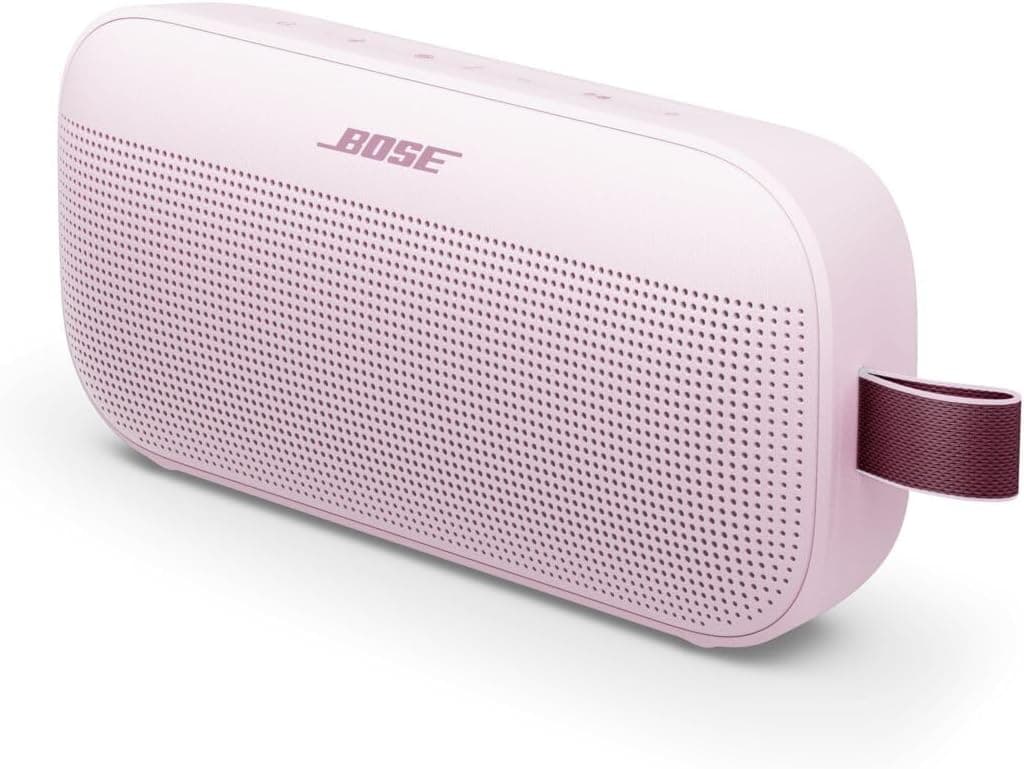
| Bose SoundLink Flex Bluetooth Speaker (2nd Gen) - Portable Outdoor Speaker with Hi-Fi Audio, Waterproof and Dustproof, USB-C, Up to 12 Hours Battery Life, Petal Pink - Limited Edition Color | General shopping | Amazon |
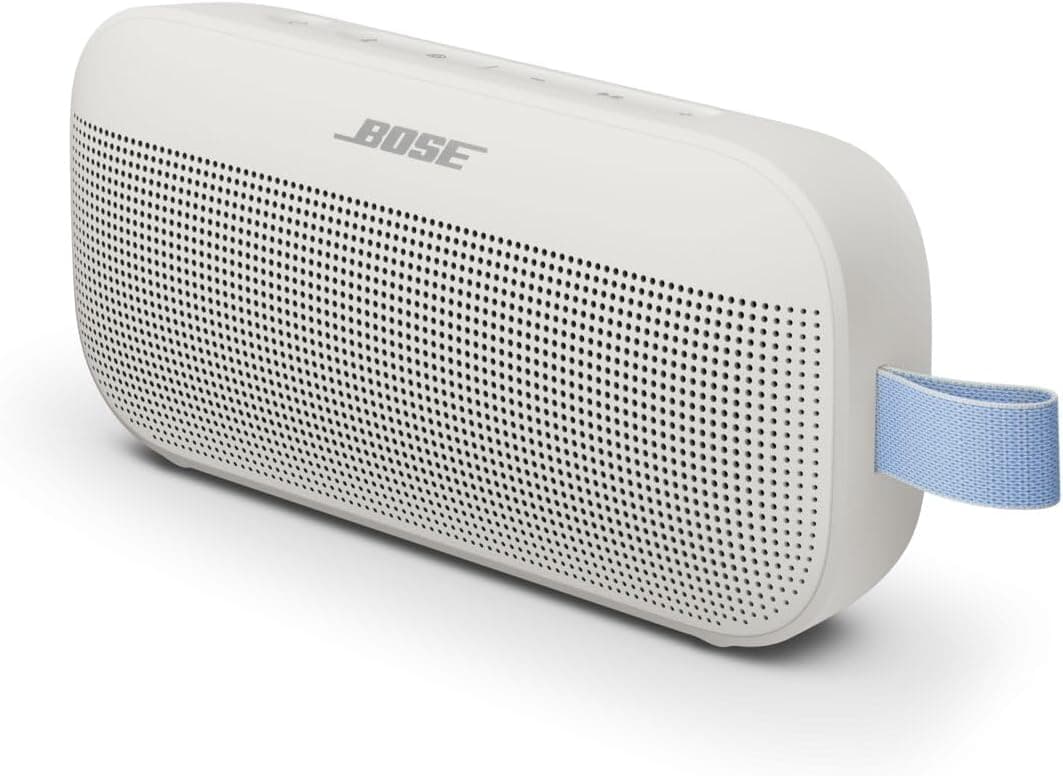
| Bose SoundLink Flex Bluetooth Speaker (2nd Gen) - Portable Outdoor Speaker with Hi-Fi Audio, Waterproof and Dustproof, USB-C, Up to 12 Hours Battery Life, Fog Grey - Limited Edition Color | General shopping | Amazon |
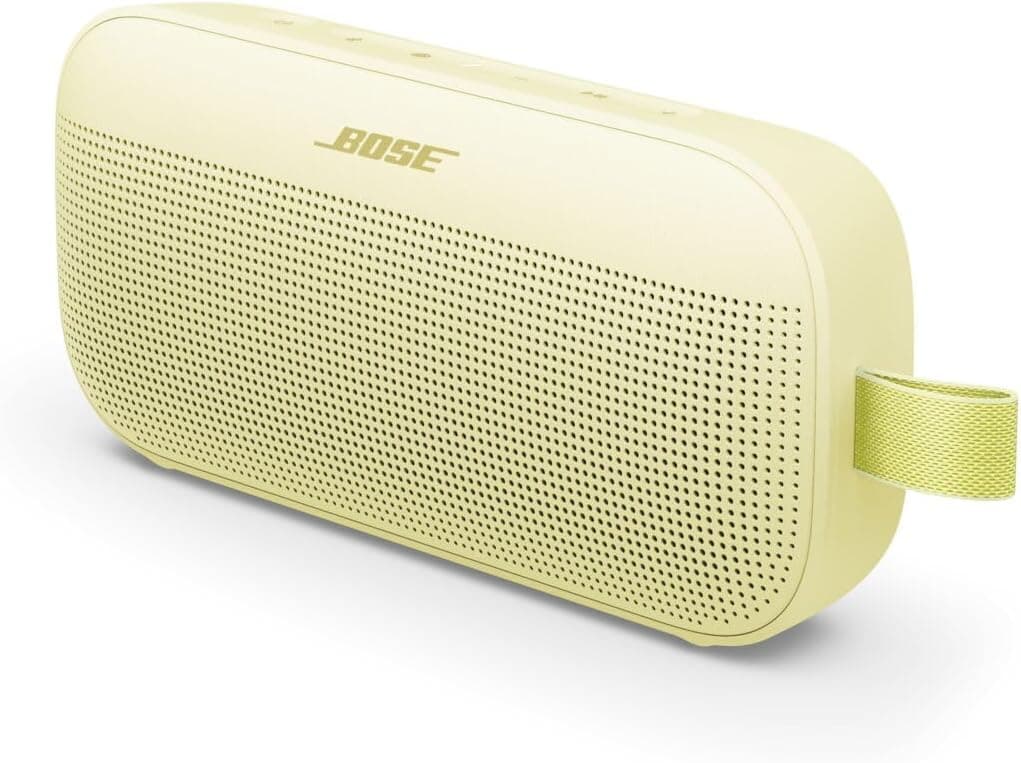
| Bose SoundLink Flex Bluetooth Speaker (2nd Gen) - Portable Outdoor Speaker with Hi-Fi Audio, Waterproof and Dustproof, USB-C, Up to 12 Hours Battery Life, Citrus Yellow - Limited Edition Color | General shopping | Amazon |
The modern world has introduced a peculiar kind of phantom limb: the smartphone. Most of us know the sudden panic of reaching into an empty pocket, or the phantom vibration of a notification that never arrived. This is more than a habit. It is a form of digital muscle memory—an invisible pull that keeps drawing us back to a glass rectangle, connecting us to the world at the cost of being present in our immediate one.
The usual response to this digital exhaustion is binary: disconnect. We are told to put our phones away or delete social media entirely. Yet for most professionals, parents, and active individuals, total disconnection is a luxury. We need to remain reachable for emergencies, manage our schedules, and occasionally rely on maps to navigate our day.
Here lies the paradox. The very technology that seems to steal our time may also help us reclaim it. Wearable technology, in particular, offers a middle ground—a filter that allows intentional interaction with the digital world rather than constant immersion.
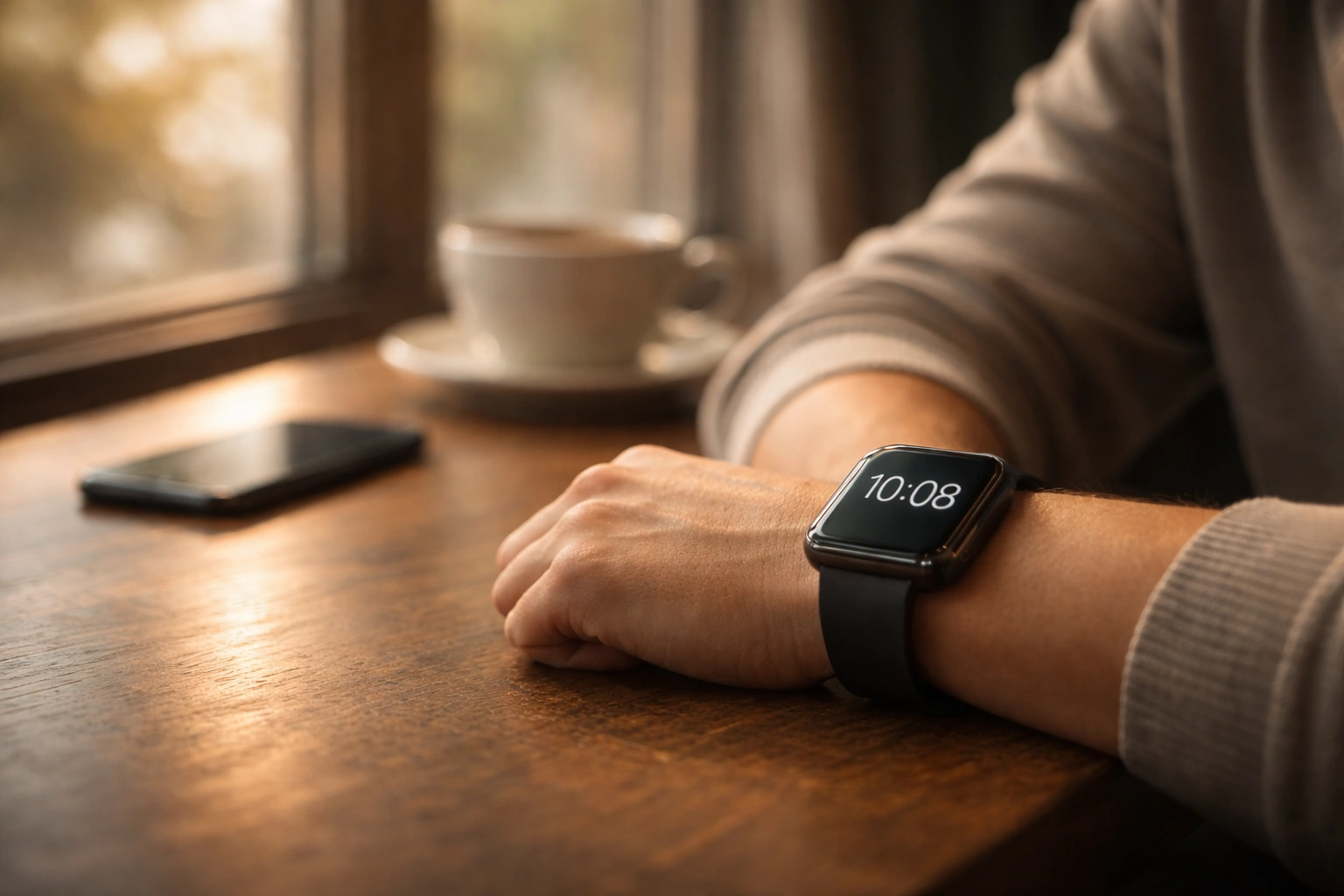
On the one hand, it seems that introducing the second screen to your life to minimize screen time is like fighting a fire with gasoline. The distinction however is on the design of interaction.
A smartphone is meant to be a destination that is infinite. Each application is an invitation to spend more time, scroll more, and press further. It is a window onto all things, and as such, a window onto vacation. A wearable, on the contrary, is a glanceable interface. It is constructed to take bits of information- seconds of interaction instead of minutes.
Thanks to transferring the vital information in your pocket to your wrist, you are breaking the physical habit of picking up the phone. As soon as you take the phone out of your hand, you take out the enticement of the rabbit hole. The wearable is a digital bouncer, it will only allow the most essential people to access your attention.
Why is it so harmful to pick up a phone and be focused? It is triggered by a "Dopamine Loop" neurologically. Every notification or update provides a small burst of neurochemical satisfaction. Since the phone contains all the work emails and cat videos, there is never a clue to your brain as to which one you are going to receive and this builds an extremely appealing variable reward schedule, which is highly addictive.
Wearables break this cycle by offering contextual understanding. And you can look on half a second when your wrist vibrates, and realize that it is only an automated shipping update. You do not get the same addictive rush through your brain because you have no feed to scroll on your wrist. You accept the information and get back to your coffee, your talk or your job. You have quenched the desire without being immersed in the digital hell.

To make a wearable something that liberates instead of an annoying buzz, you have to leave the default settings. Digital freedom needs a tactical arrangement towards simplicity and purposefulness.
The majority of individuals are unable to utilize wearables as a detox as they enable all the likes, news alerts, and promotional emails to vibrate their wrist. This is not a detox, it is just taking the noise nearer to your skin.
To be free, go in your notification feature and turn everything off except three categories:
The fear of missing out disappears when your wrist is vibrating in response to things that are important. You are no longer forced to look at your phone in case. Your wrist will know when it is important. If it’s not, it can wait.
Haptic feedback is one of the strongest attributes of the modern wearables, the slight taps and pulses that can be felt as a touch. Haptics are non-disruptive and private unlike an intrusive ringtone.
Vibration patterns on various alerts can also be customized. The body will eventually be conditioned to use a work tap instead of a personal tap. This enables you to remain in the present- be it in a dinner date or a deep-work session as you are aware of what type of information you are about to encounter without ever having to break eye-contact or stare at a screen. It is making a digital intrusion a silent push.
The type of watch face that you wear determines how you can feel. When your screen is filled with weather icons, stock tickers and unread messages, then you are still in an age of data-overload.
Switch to a minimalist face. Use one that displays the time and some other health indicator, such as how many steps you take daily. Removing the peripheral information, you put an end to the dashboard treatment of your wrist and begin to treat this part just like an instrument of the present moment.
The final phase of a digital detox in a wearable is the Phone-Free Hour. Most of the utility functions that we use as reasons to carry our phones around can be done by the modern wearables.
By delegating these services, the Smartphone is then what it was originally intended to be, a powerful handheld computer capable of performing certain tasks, and not a tether around your neck.
Wearables are more than a filter of noise, they are a reflection of our inner self. It is frequently the desire to doom-scroll in response to stress or boredom. We turn into the digital world to desensitize a physical experience that we do not desire.
Physiological check-in Biometric tracking, including heart rate variability (HRV), stress, and sleep quality. When your wearable reminds you that you are at the height of your stress levels, it gives you some consciousness. You will realize that what you are craving to do is pick your phone but it is a craving to have a break.
You do not need to open a social media application and can decide on another answer: a breathing exercise (three minutes) or a brisk walk. This is not about working your body like a machine, it is about utilizing information to be more knowledgeable about the messages of your own body.

The final goal of a digital detox is not to erase your online presence or go retro-industrial. It is to repossess the between moments of life the minutes of waiting to get a bus, wait in a line to have coffee or sit in a park. It is at such instances that creativity occurs. It is in them that we do our thoughts and look at the world. We become incapable of being left to our own devices when we congest all the spaces with a smartphone screen.
Safety net Wearable technology, with a very strict intentionality, offers a safety net. It helps us be comfortable not to use the everything machine anymore, and to remain in touch with what matters the most, people and schedules. It enables us to be available and not distracted.
We do not need to have less technology but we need better boundaries. It is ironic that the most effective tool of constructing those boundaries could be to display them on our sleeves. With the help of the glanceable, we are able to stop gazing and begin to observe the world once again.
Only if you let it be. Your watch is a filter by blocking 90 percent of the notifications. It provides the must know information without the endless scroll of a cell phone.
It is a remedy of Phantom Vibration Syndrome. When you feel like your wrist is able to buzz in an emergency, then your brain will cease to wonder what might have happened and then the habitual act of reaching out to a pocket.
Yes. During dinner or meetings you can leave your phone away. Spending half a second of your time looking at your wrist is not so distracting as taking out a lit phone display.
Use your watch as an alarm. It will enable you to leave your phone outside the bedroom and end the habit of scrolling your phone at night and waking up addicted to checking your phone first thing.

Final price, stock, coupons, shipping, and taxes are confirmed on the merchant site.
Final price, stock, coupons, shipping, and taxes are confirmed on the merchant site.
Final price, stock, coupons, shipping, and taxes are confirmed on the merchant site.