I hate that feeling in my gut when I buy something and see it for $20 less five minutes later. It happened last Tuesday while I was sitting on my couch in Chicago, looking for a new coffee maker. Amazon had it for $89, so I almost clicked buy. But I stopped. I checked walmart, and it was $64. Same model. same box.
That $25 difference is a whole week of fancy lattes. I realized then that most of us are just giving money away because we trust one store too much. Shopping should be fun, not a stress test for your wallet. I want to share how I stopped the guessing game and started winning.

Why the Same Product Costs Different Amounts on Every Marketplace
Prices online change faster than the weather in the Midwest, and there is a method to the madness. Retailers use math bots called pricing algorithms that watch what competitors do and change prices in seconds. If Target drops a price, Amazon’s bot might follow, or it might stay high if they know they have the last five units in stock.
On sites like eBay or Amazon, different people sell the same thing, which creates intense seller competition. One guy might want a quick sale and drop his price to the floor, while another waits for a high price. You also have to consider platform fees, as it costs more for a brand to sell on some sites than others, and they often pass those costs directly to you.
Shipping math is the final piece of the puzzle. Sometimes a price looks low, but the shipping fee is huge because stores bake these costs into the price to offer "free shipping" elsewhere. Blindly trusting one giant store is a mistake. I’ve found that big brands often have different sales running on different platforms at the exact same time, so it really pays to look around for a second.
How to Compare Prices Online Without Wasting Hours
I used to spend hours with twenty tabs open, feeling like a mad scientist. Now, I have a system that takes two minutes. The easiest way is to use a "hub" approach by starting on a site that aggregates data, but don't just rely on their top result. I like to copy the exact model number or MPN from the product title because it acts like a digital fingerprint.
Once you have that ID, paste it into a search engine's shopping tab to get a side-by-side view. Always remember to filter by "total price" so shipping is included and you don't get tricked at checkout. It is also worth checking both mobile and desktop versions, as some stores show different prices if you use their app versus their website.
And here is a small tip from my personal experience: always open a private or "incognito" window. Some sites track your visits and might keep the price high if they know you really want it. It sounds like a conspiracy, but I have seen it happen with my own eyes when searching for furniture.
Best Price Comparison Tools Smart Shoppers Use
You don't have to do the heavy lifting yourself because there are tools that do it for you while you sip your tea. I use a few specific browser extensions that pop up when I'm on a product page to whisper if the item is cheaper somewhere else. Google Shopping is the king of broad searches because it pulls from thousands of stores, not just the big names everyone knows.
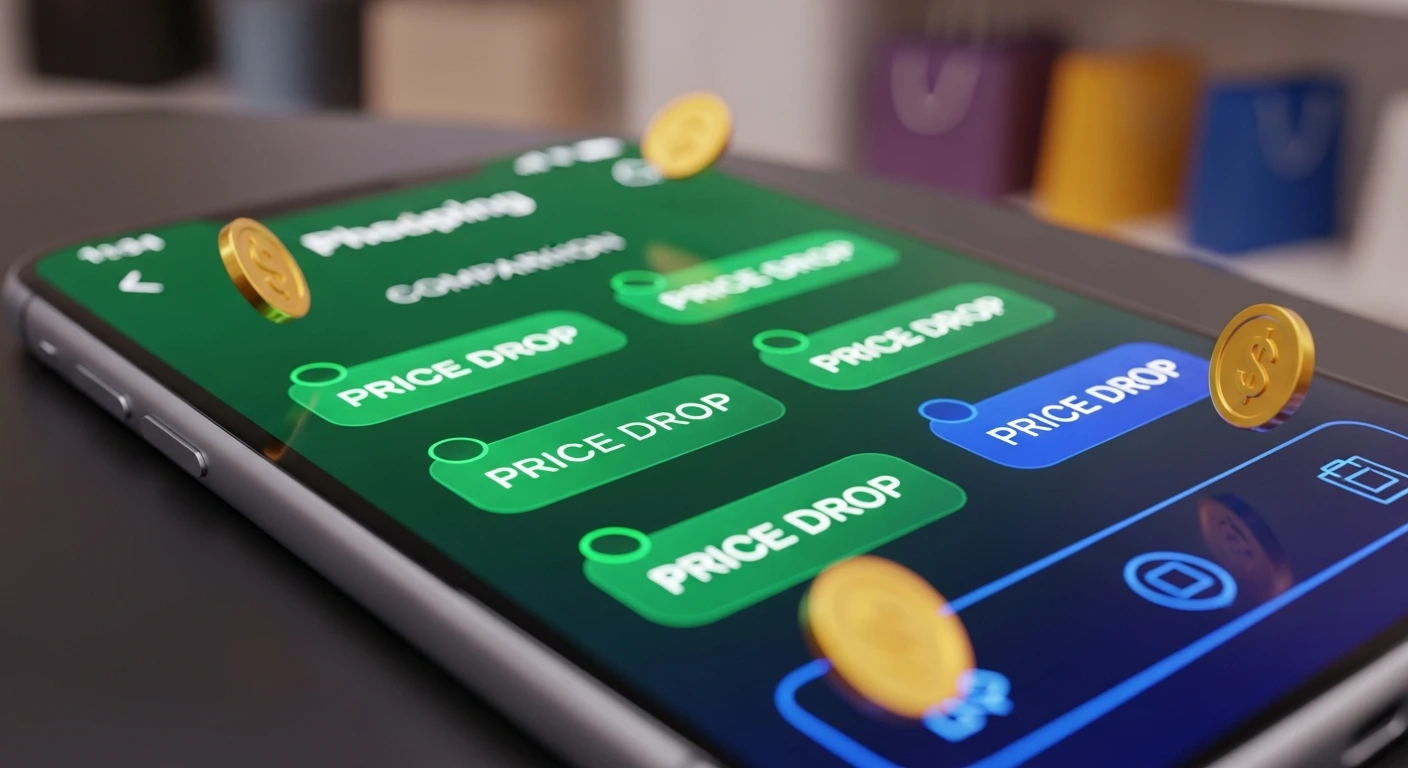
For real-time help, Honey and Capital One Shopping are great because they don't just find coupons; they compare prices across the web as you browse. When I'm actually out at the mall, I use ShopSavvy to scan a barcode. It tells me immediately if I should buy the item now or wait until I get home to order it online for less.
Even if you are just relaxing with a game like "Vehicle Driving 3D," these habits matter. While in-app purchases in that game range from BDT 20 to BDT 4,200, different app stores or regional settings can sometimes shift the value. I always look for promo codes or store credits before topping up my gaming budget to ensure I’m getting the most play for my money.
How to Check Price History Before You Buy
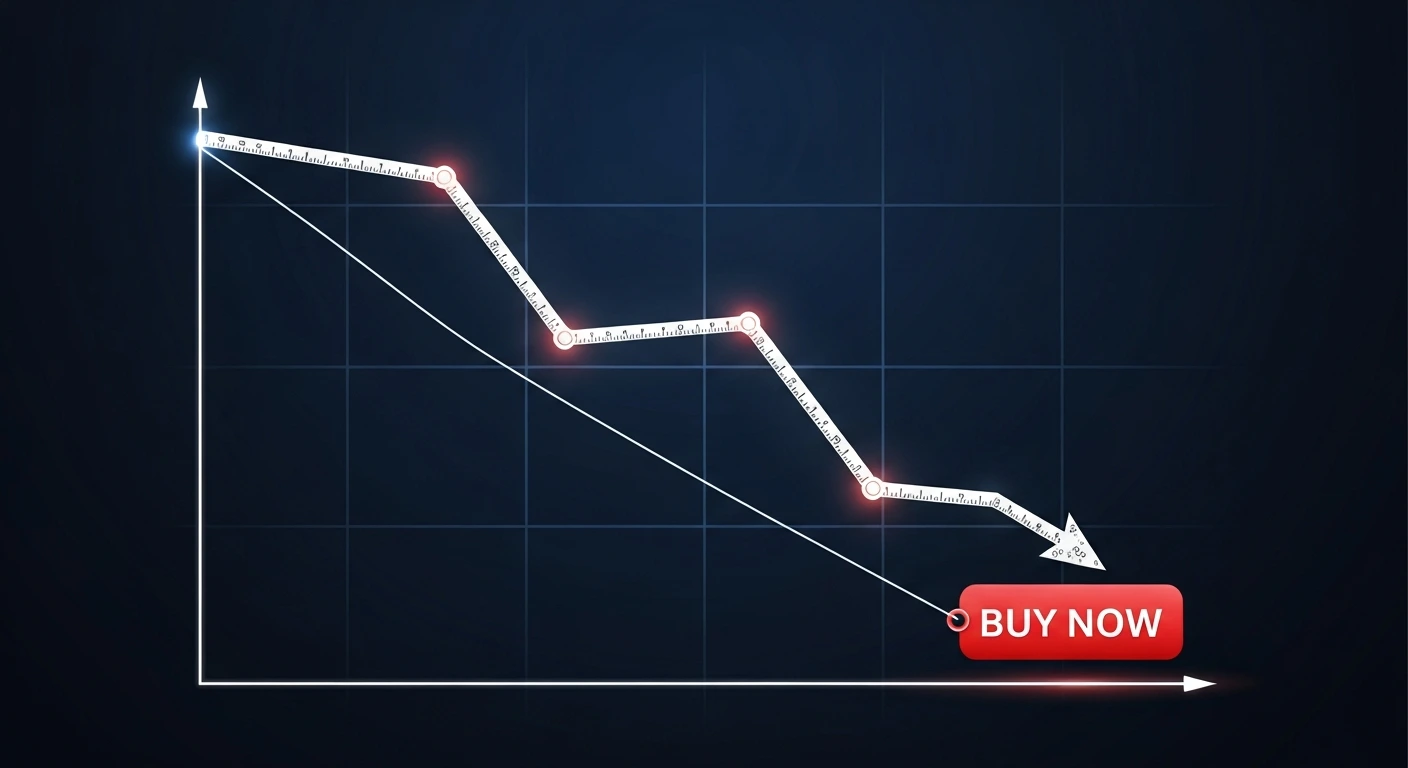
The "original price" is often a lie told to make you feel like you're winning, but the graphs don't lie. I use price trackers to see what a product cost six months ago. If I see that a "sale" price of $50 is actually the normal price, I don't rush. But if I see it usually costs $80 and it's down to $40, I grab it before it's gone.
CamelCamelCamel is my go-to for Amazon because it shows a literal heart rate monitor of the price over time. If you want something more detailed, Keepa is great for seeing if a price drop is a temporary "lightning deal" or a permanent change. For things like air fryers or power tools, I use PriceAlerts to set a target price so I get a text the moment it hits my budget.
This strategy is huge for electronics. I once saved $200 on a laptop just by seeing that it always drops in price every three months. I just waited two weeks for the cycle to hit and saved a fortune. It felt like finding free money on the sidewalk just for being a little patient.
When Amazon Is Not the Cheapest Place to Shop
We all love the Prime shipping speed, but that convenience often comes with a hidden tax that eats your budget. Amazon is great for niche items, but for home goods and groceries, I often find better deals at Walmart or Target. Even warehouse clubs like Costco can beat them on bulk items if you do the unit math.
In the beauty and wellness world, sites like Ulta or Sephora often have better loyalty points that act like cash back, which Amazon doesn't offer. For electronics, I always check B&H Photo or Best Buy for "open box" deals that are way cheaper than Amazon's "new" price. Sometimes going directly to a brand's website is the best move, especially if they have a "15% off your first order" popup.
Shipping is the ultimate kicker in this comparison. If you don't have Prime, Amazon can be surprisingly pricey once you reach the checkout screen. On the other hand, Walmart now has free shipping on many items with no minimum if you have their Plus membership. It is a real battle between retailers right now, and you should be the one taking advantage of it.
How to Spot Fake Discounts and Inflated List Prices
Retailers love using "anchor pricing" to trick your brain into thinking you're getting the steal of a lifetime. You'll see a price like $150 slashed down to $75, and the store wants you to think you just saved 50%. But if that item has never actually sold for $150, that discount is fake and exists only to create a sense of urgency.
To beat this, I always check the MSRP or "suggested retail price" from the manufacturer. If the store's "original" price is higher than that, I stay away. I also keep an eye out for specific pricing codes, like prices ending in ".97" at Costco or Target, which often signal a real clearance deal rather than a manufactured sale.
Be wary of limitless sales where a store has a "clearance" sign up for three months straight; that isn't a sale, it’s just their business model. I always ask myself if I would buy the item if it didn't have a red strike-through price. If the answer is no, I move on and don't let a colorful tag dictate what I think is valuable.
How Price-Matching Policies Can Save You Money
You can get the lowest price without ever leaving your favorite store if you just know how to ask. Many big stores in the US, like Best Buy, Target, and Lowe's, will match a competitor's price on the spot. If I’m at Target and see the same vacuum cheaper on Amazon, I just show the cashier my phone and they change the price right there.
It also pays to keep your receipts because some stores offer "price protection" for a week or two after you buy. If the price drops within 14 days, they will often give you the difference back if you ask. Just make sure to check the fine print, as the item usually has to be identical and in stock at both locations to qualify.
There are even apps that scan your email for receipts and automatically claim these refunds for you so you don't have to track them. It feels a little awkward the first time you ask for a price match at the register, but it is your money. I once got $40 back on a TV just by showing an ad at the customer service desk, and it only took three minutes.
How to Stack Coupons After Finding the Lowest Price
Finding the lowest base price is just the start; the real magic happens when you start layering your savings. Once I find the cheapest store, I search for a promo code and then check if I can get cash back through a portal. This "stacking" method can take a standard 20% savings and turn it into a 40% or 50% discount.
I always check coupon sites like RetailMeNot or CakuShop for active codes before hitting the "order" button. Another trick is to use a burner email to sign up for a store’s newsletter, which almost always triggers a 10-20% off code instantly. Finally, I make sure to click through a cashback portal like Rakuten to get a percentage of my spend back in my pocket.
I recently bought some new bedding using this exact workflow. I found the lowest price first, then applied a 20% off coupon I found online, and topped it off with 5% cash back. I felt like a professional hacker for a moment, but all I really did was use a few extra clicks to protect my savings.
Comparing International Marketplaces Like Temu, Shein & AliExpress
Sometimes the best price isn't in the US at all, but you have to be willing to wait for the slow boat to arrive. If I am looking for small things like phone cases, craft supplies, or simple home organizers, international sites are often unbeatable because they ship directly from the factory. The catch is that it might take two weeks or more to get to your front door.
When shopping these sites, always do a quality check by reading reviews that include real photos. If there are no photos from actual buyers, I don't buy it. I also follow a safety rule: I never buy things that plug into a wall or go on my skin from unverified global sellers, sticking instead to simple decor or plastic goods.
The wait time means you should only buy things you don't need by tomorrow. I bought some wooden drawer dividers from one of these sites for $12 when they were $35 on a major US marketplace. They were identical in quality, proving that for items without a big brand name, global shopping is a huge win for a frugal lifestyle.
How to Build a Smart, Stress-Free Shopping Routine
The goal isn't to obsess over every single penny, but to have a habit that protects your bank account automatically. I've turned this into a simple checklist that I follow every time. I don't buy anything over $50 without doing a quick "price pulse check" to make sure I'm not being taken for a ride by a clever algorithm.
First, I wait 24 hours to make sure I’m not just buying out of boredom. Then, I spend sixty seconds checking at least two other stores and searching for one valid promo code. Once I hit buy, I make it a point to never look at the price again so I can just enjoy my purchase without regret.
Living a budget-friendly lifestyle doesn't mean buying cheap junk; it means buying the good stuff for a better price. When you save $10 here and $20
there through intentionality, you have more money for the things that actually matter. Whether it's a vacation or a rainy-day fund, smart shopping gives you the freedom to live better.
FAQs
Is Amazon always the cheapest place to shop?
Not at all. While they are competitive, Walmart, Target, and direct brand sites often beat them, especially on home goods and clothing.
What is the easiest way to compare prices online?
Using a browser extension like Honey or Capital One Shopping is the easiest way. they do the work in the background while you shop.
How do I know if a discount is real?
Check a price history tool. If the "original" price has been the same for months, the discount is likely fake.
Can I use coupons after finding the lowest price?
Yes! Stacking a promo code on top of a sale price is the best way to maximize your savings.