We’ve all been there: standing in front of a closet packed with hangers, yet feeling like we have absolutely nothing to wear. This "first impression" anxiety is particularly sharp when you’re eyeing a promotion, pivoting careers, or heading into an interview. You want your clothes to reflect the ambitious, capable professional you are, but your bank account is currently prioritizing rent and groceries.
There is a common misconception that a "power wardrobe" requires a "power salary." This myth often leads us down two dangerous paths: either sinking into high-interest credit card debt to afford designer labels, or settling for a closet full of "disposable" fast fashion that loses its shape after two washes.
Here is the truth: professionalism is defined by fit, care, and curation—not the price tag. By shifting your focus from buying more to buying better, you can build a high-impact business casual wardrobe on a budget. This is your roadmap to career confidence and smart shopping.
Defining the Modern Business Casual Standard
The traditional corporate uniform has shifted. Today, the goal is finding the "sweet spot" between formal and relaxed. Understanding this balance is the first step to saving money, as it prevents you from over-investing in stiff suits you’ll rarely wear.
The Three-Piece Rule
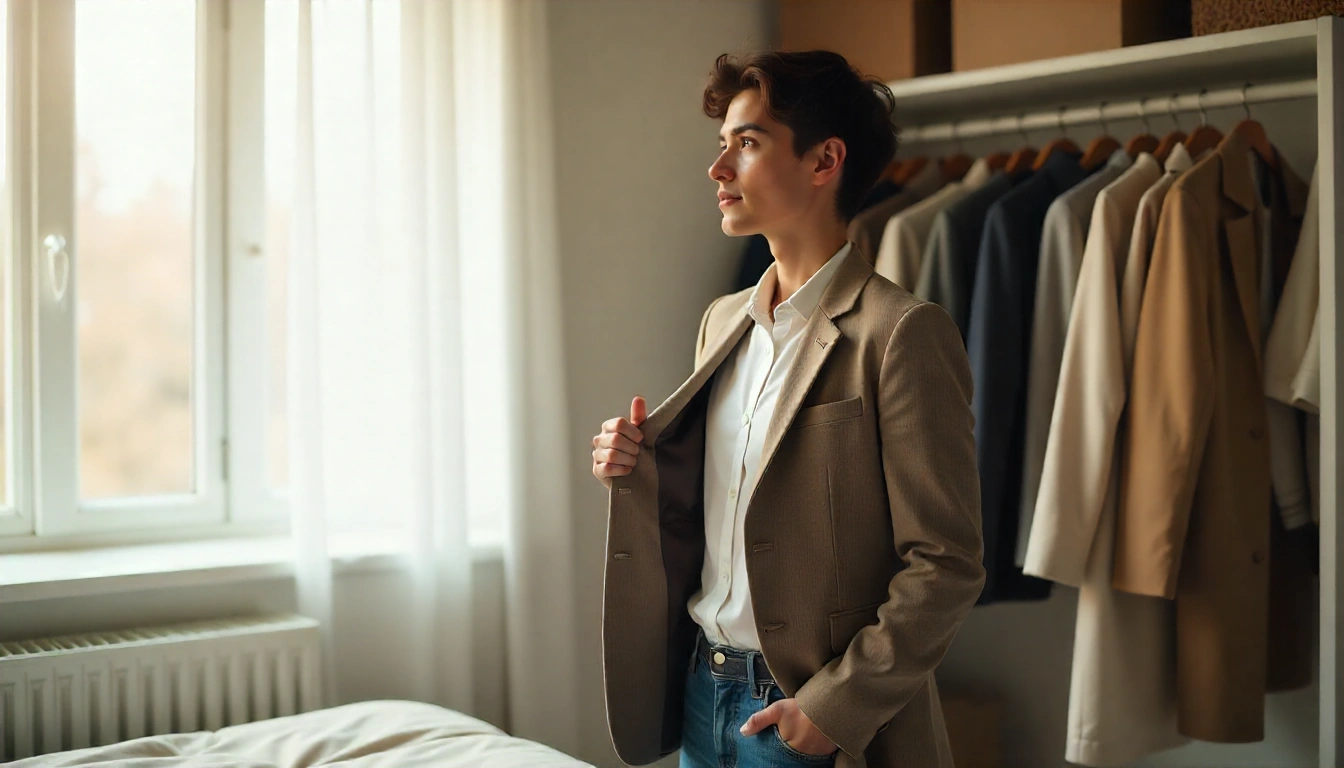
If you’re wearing simple chinos and a tee, adding a structured layer—like a well-fitted blazer—instantly elevates the look to "meeting-ready."
Identify Your Uniform
Don’t try to pull off every trend. Choose 3–5 silhouettes that make you feel powerful. Maybe it’s high-waisted trousers and silk blouses, or perhaps it’s dark denim and structured cardigans.
Research the Culture
Before shopping for an interview, check the company’s social media. If the CEO is in a hoodie, you don't need a three-piece suit. Matching the "vibe" is more professional than being unnecessarily formal.
The "Quality First" Mindset:
Looking expensive is rarely about the brand name; it’s about the fabric. Synthetic materials like thin polyester often have a tell-tale "shine" and lose their shape quickly.
The Feel Test
Prioritize natural fibers like cotton, wool, and linen. They breathe better, drape more elegantly, and last years longer than cheap synthetics.
Check the Construction
Turn a garment inside out. Are there loose threads? Is the blazer lined? Are the buttons reinforced? High-quality construction is a visual "tell" of a professional wardrobe.
The Cost-Per-Wear Formula
A BDT 5,000 wool skirt you wear once a week for three years (BDT 32 per wear) is significantly cheaper than a BDT 1,000 "fast fashion" skirt that falls apart after five wears (BDT 200 per wear).
Smart Tip
When shopping online, use the "Material" filter. Look for "100% Cotton" or "Merino Wool." During clearance events, these premium materials are often marked down to the same price as their polyester counterparts.
Building the Foundation: Low-Cost Business Casual Essentials
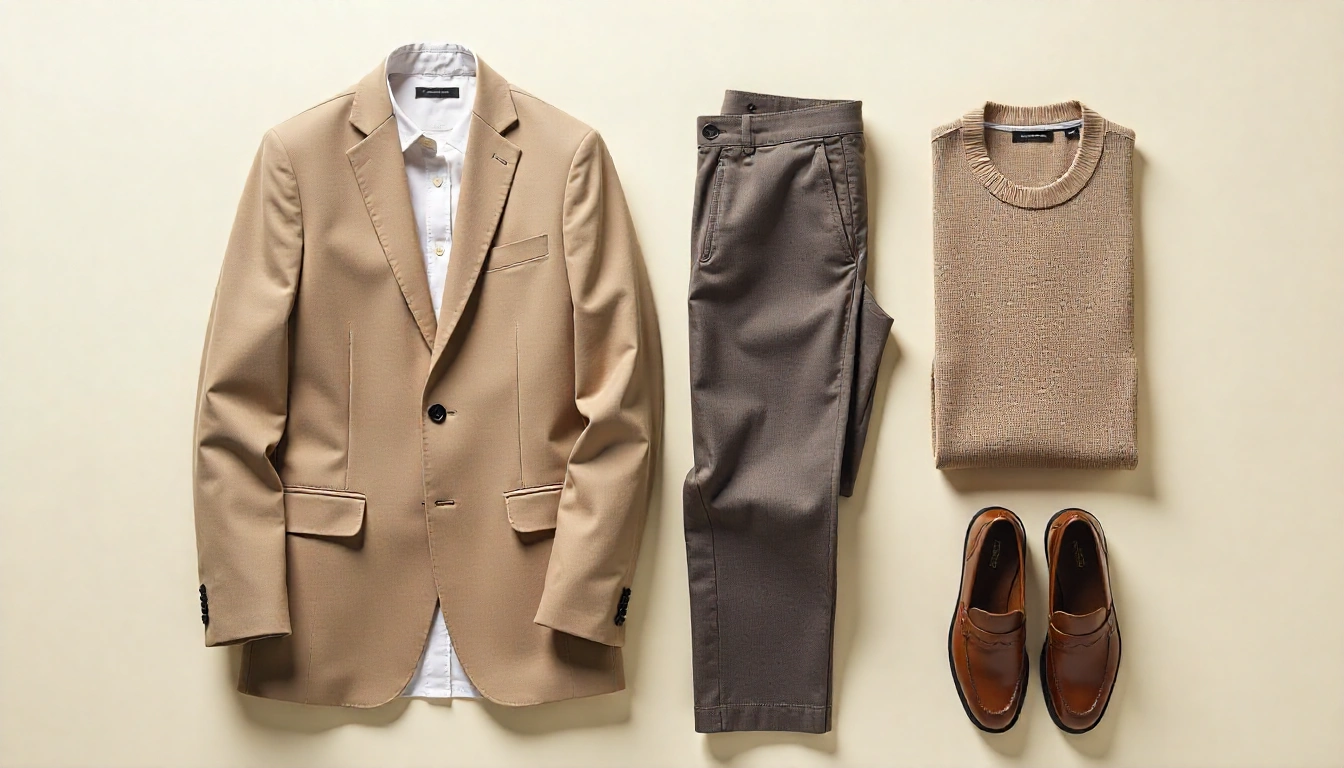
To keep your budget intact, focus on a "capsule" approach. By sticking to a neutral palette—navy, charcoal, black, and camel—every piece you own will coordinate, giving you dozens of outfit combinations from just a few items.
The Non-Negotiable 5
A tailored blazer is the most hardworking piece in a business casual wardrobe, instantly adding structure and polish. A crisp button-down in non-iron cotton keeps mornings easy while looking sharp all day. A versatile trouser in a slim or straight-leg cut anchors outfits in a dark neutral. A high-quality neutral knit adds comfort and layering flexibility, while a clean loafer or modest, comfortable heel completes the look as the “power” shoe.
Savings Strategy
These "anchor" pieces rarely go on extreme clearance because they are always in demand. This is the perfect time to use new-customer promo codes or first-purchase discounts usually offered when you sign up for a retailer's newsletter.
Strategic Shopping:
You don’t need to pay retail prices for professional attire. Smart shopping is all about knowing where the inventory moves.
The Off-Price Advantage
Retailers like Nordstrom Rack or local outlet malls are gold mines for designer professional wear at 50-70% off.
The Digital Hunt
Don't buy on impulse. Use "Save for Later" features on shopping apps and wait for the price-drop notification.
Thrifting for Luxury
High-end brands like Theory, J.Crew, or Brooks Brothers are staples on resale platforms and in local consignment shops. Because these clothes are built well, they hold up beautifully as second-hand finds.
Pro Tip
Before checking out, always do a 30-second search for active promo codes or use a cashback browser extension. Stacking a sale price with a discount code and cashback can turn a "good deal" into a "steal."
The "Secret Weapon": Tailoring and Maintenance
The difference between a BDT 2,000 blazer and a BDT 20,000 blazer is often just the fit.
The Transformation
A simple BDT 500-1,000 alteration—like shortening sleeves or nipping in the waist—can make a budget-friendly find look like it was custom-made for you.
The ROI of Maintenance
Invest in a handheld steamer and cedar hangers. Steaming your clothes instead of ironing protects the fibers, and cedar hangers help maintain the shoulder shape of your jackets.
Spot Cleaning
Extend the life of your clothes by airing them out and spot-cleaning instead of constant machine washing, which breaks down fabric.

Conclusion:
Building a professional wardrobe is an exercise in intentional living. By focusing on a curated capsule of high-quality, budget-friendly pieces, you reduce "decision fatigue" every morning, leaving you with more mental energy to tackle your career goals.
Remember: you are the brand; the clothes are simply the packaging. True professional presence comes from the confidence of knowing you look your best, you’ve shopped with intention, and you’ve done it all without compromising your financial wellness.
FAQ:
How many outfits do I actually need for a work week?
You don't need five separate outfits. By using the "Mix-and-Match" concept—5 tops, 3 bottoms, and 2 layers—you can easily create over two weeks of unique professional looks.
Is it okay to wear sneakers in a business casual environment?
Yes, but they must be "clean and minimal." Opt for leather or suede options in neutral colors. However, it is usually safer to stick to traditional shoes for interviews or high-stakes client pitches.
How do I find high-end brands at thrift store prices?
Search for specific legacy brands on resale apps. The best time to buy is "off-season"—search for wool coats in July and linen trousers in January when demand is low and prices are slashed.
What is the most important piece to "invest" in?
If you only have the budget for one high-quality item, make it the blazer. It is the most visible element of your silhouette and has the greatest power to "up-level" a basic outfit.