If you’ve ever bought a children’s book at full price only to watch your child outgrow it within weeks, you’re not alone. One day they’re obsessed with picture books, the next they’re racing through early readers, and suddenly that once-beloved book sits untouched on the shelf. Over time, these small purchases add up—quietly stretching the family budget in ways that don’t always feel obvious.
The good news? Supporting your child’s love of reading doesn’t require constant full-price purchases or overflowing bookshelves. A meaningful, low-stress home library is built through intention, not excess.
In this guide, you’ll learn how to build a Pennies-Library—a flexible, low-cost system that grows with your child. We’ll explore where to find cheap children’s books online without sacrificing quality, and how smart shopping habits can support calmer, more intentional family routines—without the pressure to overspend.

Why Kids Outgrow Books So Quickly (And Why It Adds Up)
Children’s reading needs change faster than almost any other household category. Understanding why helps remove guilt—and makes smarter shopping decisions easier.
Rapid reading-level changes
Early literacy develops in leaps, not steps. A child may move from sounding out words to reading full sentences in a matter of months. Books that once felt essential can suddenly feel too easy or too challenging.
Short-term interest cycles
Kids form strong—but temporary—attachments. Dinosaurs today, space tomorrow, mysteries next month. Buying new books for every phase can quietly drain a budget.
Seasonal learning needs
School-year reading looks different from summer reading. During breaks, lighter or interest-based books often replace structured learning materials.
Buying new vs. rotating affordably
When every phase is met with new purchases, costs rise quickly. Rotating books—rather than permanently owning every title—keeps spending aligned with actual use.
Lifestyle takeaway: Book turnover is a sign of growth, not waste. When we normalize rotation, secondhand shopping and bulk buying become practical tools rather than compromises.
Redefining “Cheap”: Value-First Thinking for Children’s Books
“Cheap” doesn’t mean low quality—it means high value for the season of life you’re in.
Price-per-read matters more than sticker price
A $1 secondhand book read ten times offers more value than a $15 book read once. Thinking in terms of use, not ownership, shifts how we shop.
When condition matters—and when it doesn’t
Board books and activity books may need sturdier conditions. Chapter books and early readers? Minor wear rarely affects the reading experience.
Educational longevity vs. novelty
Some books support skills that last (phonics, comprehension, vocabulary). Others are purely interest-based. Both have a place—but not at the same price point.
Choosing books that grow skills, not clutter
A smaller, rotating collection keeps reading fresh and reduces overwhelm—for kids and parents alike.
Savings note: Comparing bundle pricing and cost-per-book before checkout often reveals better value than buying single titles, especially when browsing affordable kids books online.
Where to Find Cheap Children’s Books Online (Without the Overwhelm)
The internet is full of book options—but knowing where to look makes all the difference.
Online thrift and resale platforms
Secondhand-focused sites often carry gently used children’s books at a fraction of retail prices, especially for early readers and chapter books.
Library surplus and retired collections
Libraries regularly retire books to make space. These collections are usually well-maintained and thoughtfully selected.
Secondhand marketplaces with kids’ categories
Marketplaces that allow filtering by age, subject, or condition make it easier to find what you need without endless scrolling.
Bulk resellers and classroom suppliers
Suppliers catering to schools and educators often sell discounted sets designed for learning progression.
Savings tips:
- Browse clearance sections before searching individual titles
- Check for seasonal sales or site-wide discounts
- Look for free-shipping thresholds or occasional promo codes to reduce total cost
The Power of Buying in Bundles and Bulk
Buying books one by one is convenient—but rarely the most economical.
Why bundles lower cost per book
Sellers price bundles to move inventory, which often results in significant per-book savings.
Mixed-age and mixed-level sets
These are ideal for households with multiple children—or for building a “future shelf” as reading skills grow.
The pros and cons of surprise bundles
Surprise sets can be budget-friendly, but they work best when you’re flexible about titles and genres.
When bulk buying makes sense
Homeschooling families, shared households, or anyone building a long-term home library benefits most from buying in volume.
Savings note: Bundles often pair well with site-wide sales, making it worth checking for discounts before purchasing kids book bundles.
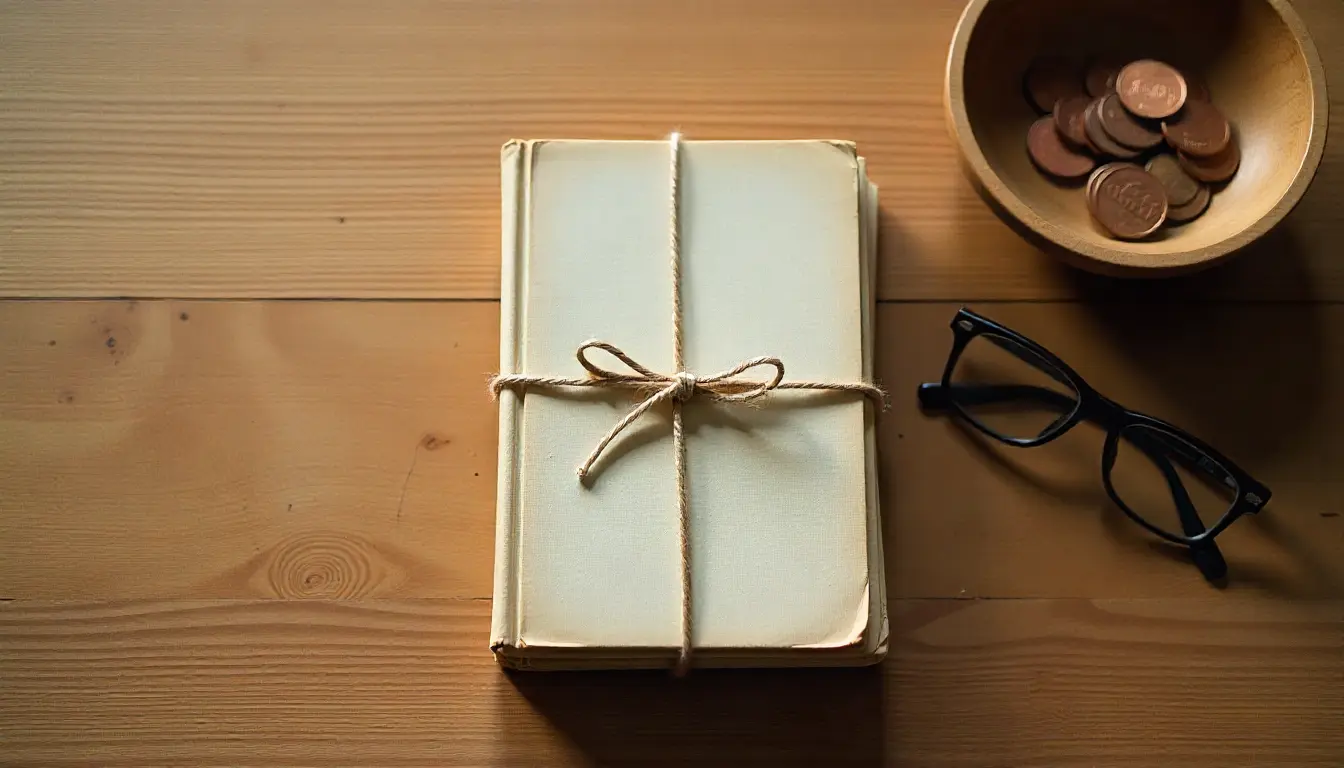
Secondhand Books as a Sustainable Parenting Habit
Choosing secondhand isn’t just about saving money—it’s about shaping values.
Reducing waste while supporting literacy
Books deserve multiple lives. Reusing them keeps quality materials in circulation and out of landfills.
Normalizing pre-loved books for kids
Children quickly learn that a book’s story matters more than its condition.
Teaching care and shared ownership
Secondhand books offer natural lessons in respect, responsibility, and reuse.
Aligning reading habits with conscious consumption
Small choices—like buying used—quietly reinforce mindful living without lectures.
Savings note: Many secondhand platforms reward repeat shoppers with loyalty credits or recurring deals, making them even more budget-friendly over time.
Building a Pennies-Library at Home (Simple Systems That Work)
A Pennies-Library isn’t about quantity—it’s about flow.
Create age-based or skill-based rotations
Keep only current-level books accessible. Store others for later stages.
Store “future level” books out of sight
This prevents overwhelm and keeps reading exciting as new books reappear.
Seasonal book swaps
Rotate collections for school terms, holidays, or summer to match learning rhythms.
Keep shelves intentional
A smaller, curated shelf invites reading more than an overfilled one.
Savings note: Rotating books reduces impulse buying and prevents duplicate purchases—one of the most common budget leaks for families.
Affordable Reading for Early Learners and Homeschooling Families
Educational reading doesn’t have to come with premium pricing.
Early readers vs. leveled book sets
Leveled sets provide structure, while individual early readers offer flexibility. Both can be found affordably online.
Curriculum-aligned bundles
Many bulk sets align with phonics or comprehension goals without the cost of full programs.
Supplementing without overspending
Free resources (library programs, printable materials) pair well with low-cost physical books.
Blending free and low-cost options
This balance keeps learning engaging without subscription fatigue.
Savings note: Back-to-school and homeschool seasons often bring promotions on cheap homeschooling books online—worth planning around.
When to Shop: Timing Your Book Purchases for Maximum Savings
When you buy matters almost as much as where you buy.
Best times of year to shop
End-of-school-year sales, holiday clearance cycles, and summer reading promotions often offer the best prices.
Off-season shopping
Buying “next level” books early avoids last-minute full-price purchases.
Planning ahead
Keeping a running list of future needs reduces impulse buys driven by urgency.
Savings note: Setting price alerts or checking sales pages periodically can help you catch discounts on affordable education resources without constant monitoring.
Stretching the Life (and Value) of Every Book
The story doesn’t end when your child finishes a book.
Hand-me-down systems
Books can move easily between siblings or relatives.
Reselling, donating, or swapping
Passing books along recovers value—financial or social—and keeps shelves manageable.
Reading challenges and reuse
Re-reading favorites or themed challenges extend engagement without new purchases.
Community sharing
Neighborhood swaps or mini book exchanges multiply access without multiplying cost.
Savings note: Even modest resale or trade-in value can offset future purchases, keeping your book budget balanced over time.

Conclusion
Children’s books don’t need to be disposable—or expensive—to be meaningful. With thoughtful systems, value-first shopping, and a willingness to embrace rotation, it’s possible to support learning while reducing financial stress.
A Pennies-Library isn’t about cutting corners. It’s about choosing intention over impulse, balance over excess, and confidence over comparison. When savings support daily life—rather than dominate it—reading becomes what it should be: a source of comfort, growth, and connection.
FAQ Section
How often should kids replace books?
When reading levels or interests shift enough to limit engagement.
Are secondhand children’s books safe to use?
Yes, when sourced responsibly and checked for condition.
Is buying books in bulk really cheaper?
Often—especially when comparing cost per book rather than sticker price.
What’s the best way to save on kids’ books online?
Plan purchases around sales, bundles, and occasional promo code opportunities.