If you’ve ever felt a pang of guilt tossing another plastic package into the trash—followed immediately by the fear that going “eco-friendly” will cost more—you’re not alone. Many people want to reduce plastic waste but hesitate because of the so-called eco-tax: the belief that sustainable living automatically means higher prices and lifestyle sacrifices.
Here’s the reassuring truth: plastic-free living does not have to increase your budget. In fact, when done intentionally, it often reduces everyday spending. Plastic-free choices can work like stealth savings—quiet, behind-the-scenes habits that lower repeat purchases, cut waste, and support environmental health without forcing you into extreme frugality.
In this guide, you’ll learn how to adopt practical plastic-free alternatives, reduce waste without raising monthly expenses, and shop smarter—not greener-at-any-cost. This is about comfort, balance, and realistic habits that fit real life.
The High Cost of Convenience
Plastic feels inexpensive because it’s everywhere, lightweight, and designed for convenience. But convenience often hides its true cost. Single-use plastics encourage constant repurchasing—bags, wraps, bottles, and containers that are used briefly and replaced again and again.
Over time, this creates the “paying twice” problem. You pay once at checkout and again when you need a replacement. Reusable, plastic-free alternatives usually cost more upfront, but their cost per use is dramatically lower. That’s where real savings begin.
There’s also an environmental health cost tied to convenience. Plastic waste contributes to pollution, microplastics in food and water, and long-term cleanup expenses that affect communities as a whole. While those costs don’t show up on your receipt, they’re part of the bigger picture of sustainable living.
The mindset shift is simple but powerful: stop judging purchases by upfront price alone. Instead, ask how long something lasts, how often it needs replacing, and whether it solves a recurring problem. Grocery bags, food wraps, and bottled products are everyday examples where plastic-free alternatives quietly reduce spending over time.
The biggest savings tip here is restraint. Awareness before replacement matters. You don’t need to replace everything at once, and impulse “eco buying” can backfire. Reducing repeat purchases—slowly and intentionally—creates automatic budget relief.
Plastic-Free Cooking Without a Full Pantry Reset
The kitchen is one of the easiest places to reduce plastic without spending more. You don’t need a Pinterest-perfect pantry or a full reset of your cabinets. The goal is function, not aesthetics.
Reimagining Pantry Storage
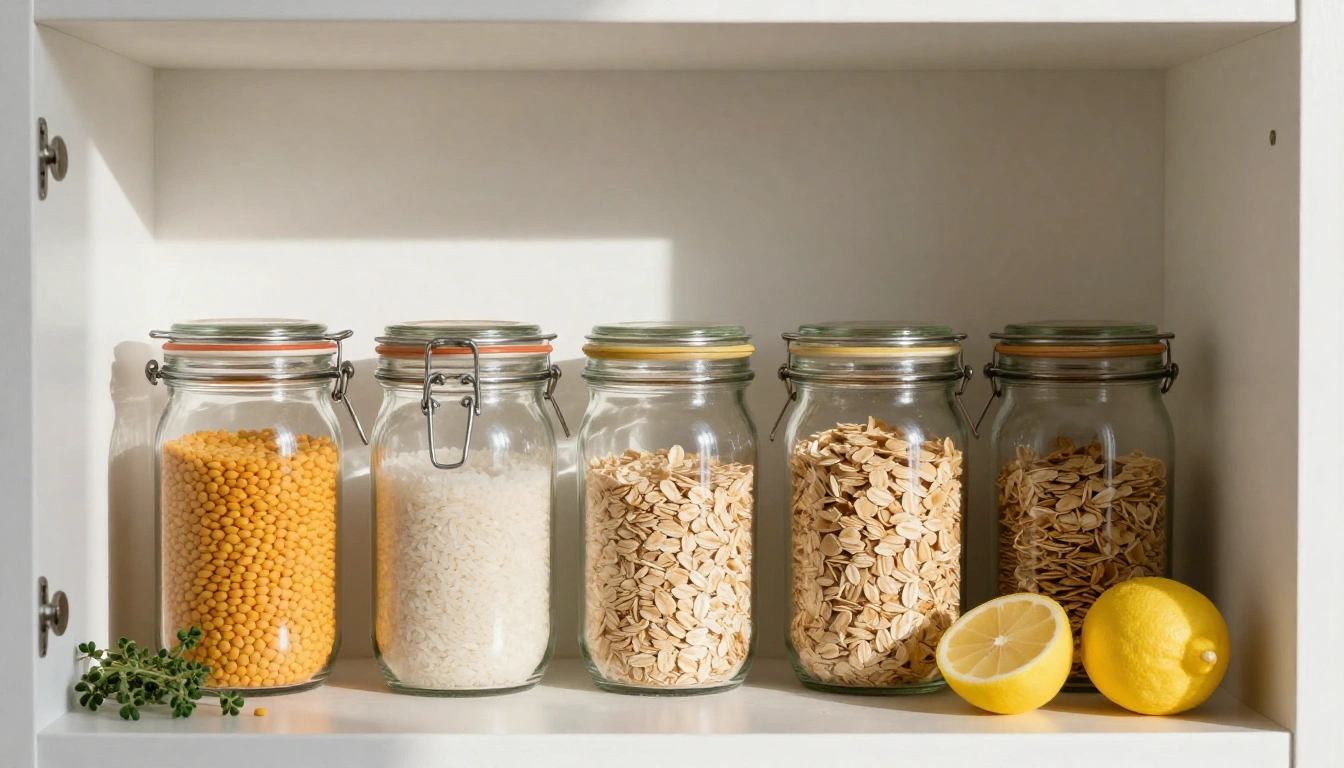
Start with pantry organization using what you already have. Reused glass jars—from sauces, spreads, or pickled foods—are durable, food-safe, and free. They work perfectly for dry goods like rice, pasta, oats, lentils, or snacks. This small shift immediately reduces the need for plastic bags and disposable packaging.
Smart Sourcing and Bulk Buying
Another high-impact habit is buying “naked” produce—fruits and vegetables sold loose rather than wrapped in plastic. This choice often costs the same or less and helps you buy exactly what you need, which reduces food waste.
Bulk buying can further support both sustainability and savings when used selectively. Items like grains, beans, and spices usually cost less per unit when purchased in bulk. The key is moderation. Buy quantities you’ll realistically use and store them properly in reusable containers.
Lifestyle benefits show up quickly: a clutter-free kitchen, better visibility of what you already own, and fewer forgotten items expiring in the back of cabinets. That alone saves money.
When it comes to deals, glass storage doesn’t have to be expensive. Reusing jars is the most budget-friendly option, but if you do need extras, discounted or “imperfect” glassware sets often appear during home organization sales. Always compare unit prices when shopping bulk—plastic-free doesn’t automatically mean cheaper unless the math works.
Bulk Bin Shopping Without the Overwhelm
Bulk shopping can feel intimidating at first, especially if you associate it with specialty stores or complicated routines. But it doesn’t have to be all-or-nothing.
Tips for Starting Small
The easiest way to start is slow: pick one or two items you already use regularly. Rice, oats, lentils, spices, and tea are ideal beginner choices. These staples have long shelf lives and predictable usage, making them low-risk and cost-effective.
A realistic budget check matters here. Bulk is cheaper when the per-unit price is lower and when you actually use what you buy. It’s not a deal if half of it goes stale. That’s why starting small is smarter than stocking up all at once.
Low-Cost Storage and Savings
Storage doesn’t require new containers. Existing jars, tins, and even sturdy boxes work just fine. Labeling helps reduce waste by keeping everything visible and organized.
From a savings perspective, bulk shopping helps you buy only what you need and avoid paying for unnecessary packaging. It also reduces impulse purchases tied to eye-catching plastic packaging. Shopping during store-wide sales or discount days can amplify these savings without adding pressure to buy more than you need.
Plastic-Free Personal Care That Lasts Longer
Bathrooms are a major source of plastic waste, but they’re also one of the most cost-effective places to switch to plastic-free alternatives.
The Benefits of Solid Toiletries
Solid shampoo is a standout example. One solid bar often replaces two or three bottles of liquid shampoo, lasts longer, and eliminates plastic packaging entirely. The cost comparison favors bars over time, even if the upfront price looks similar.
Other easy swaps include bar soap instead of body wash and refillable basics for everyday use. These options simplify routines and reduce clutter while supporting wellness goals like fewer synthetic additives and microplastic-free skincare.
From a health perspective, simpler formulas often mean fewer harsh chemicals, which can be gentler on skin and hair. That’s an added benefit beyond savings.
Finding Deals in Personal Care
When it comes to deals, solid personal care products are commonly included in bundle-and-save offers or first-time customer discounts on wellness marketplaces. Some brands also offer refill subscriptions with percentage savings, which can be useful if you’ve already found products you genuinely like. The key is to treat subscriptions as optional tools, not automatic commitments.

DIY Eco-Hacks That Reduce Plastic and Monthly Expenses
DIY solutions are often portrayed as extreme or time-consuming, but when chosen carefully, they can reduce plastic waste and ongoing expenses.
Practical At-Home Swaps
Beeswax wraps are a practical alternative to plastic wrap, especially for food storage. Made once, they can be reused for months, replacing countless disposable wraps. Similarly, DIY cleaning concentrates mixed with water in refillable bottles reduce plastic packaging and lower the cost per use.
The Realistic DIY Approach
That said, DIY isn’t always the cheapest option. Time has value. The best rule of thumb is to DIY items you use frequently and consistently. For rarely used products, buying a ready-made, plastic-free version during a sale may make more sense.
The lifestyle payoff is fewer emergency purchases and more control over ingredients. Knowing exactly what’s in your cleaning products or food storage materials can support both wellness and peace of mind.
Smart Shopping for Sustainable Products Without Paying Full Price
Sustainable products follow the same retail cycles as everything else. They go on sale, get bundled, and rotate through promotions. Paying full price should be the exception, not the rule.
Timing Your Purchases
Discounts often appear during seasonal sales, wellness events, and lifestyle reset periods. Waiting for these moments can significantly lower the cost of switching to plastic-free alternatives.
Strategic Shopping Habits
Smart shopping habits make a big difference:
- Track prices instead of buying impulsively
- Wait for promotions on items you already plan to use
- Focus on essentials, not trends
For higher-ticket items like stainless steel bottles or durable kitchen tools, cashback tools can quietly offset costs. These savings don’t require extra effort once set up and fit well into a lifestyle-first approach. The most important reminder: intentional purchases beat impulse eco-buying every time. Sustainable living works best when it’s thoughtful, not reactive.
Reducing Guilt While Reducing Waste
One of the biggest barriers to sustainable living is the pressure to do everything perfectly. All-or-nothing thinking often leads to burnout and abandonment.
A more realistic approach is progress over perfection. Focus on one habit at a time or one room at a time. Small, consistent changes add up without overwhelming your budget or routines.
Aligning environmental health with financial stability is not only possible—it’s practical. Measuring success by reduction, not elimination, creates confidence instead of guilt. The emotional benefits are real: less stress, fewer impulsive purchases, and a stronger sense of control over daily choices. Sustainable living should feel supportive, not restrictive.

Conclusion
Plastic-free alternatives don’t have to cost more. When approached intentionally, they often lead to long-term savings through fewer repeat purchases, less waste, and smarter habits.
Small swaps—like reused jars, bulk staples, or solid personal care—create quiet financial wins while supporting environmental health. Intentional living matters more than expensive eco aesthetics, and budget-friendly sustainability is achievable for real people with real constraints.
You don’t need to buy your way into better living. Sustainable choices can support both the planet and your wallet—one thoughtful decision at a time.
Frequently Asked Questions
Is living plastic-free more expensive?
Not when you focus on reusables and long-term cost savings.
What are the best plastic-free alternatives for beginners?
Start with high-impact, low-effort swaps like solid shampoo and bulk staples.
How can I reduce plastic without buying new products?
Reuse what you already own before replacing anything.
Are solid shampoos actually cheaper than liquid ones?
Yes, over time, because one bar typically lasts much longer.
When is the best time to buy sustainable products on sale?
During seasonal moments like Earth Day, Plastic-Free July, and New Year lifestyle resets.