Opening my utility bill last month was a total "spit-take" moment. Living in a drafty Chicago apartment, I’m used to a winter price hike, but this was next-level. After a bit of digging, I found the culprit: my kitchen was a massive "energy vampire" draining my bank account.
I’ve spent the last few weeks obsessing over my kilowatt-hours and found that the heart of the home is often the biggest energy hog. But here’s the win—you don't need a gut renovation to fix it.
I’m sharing exactly how I revamped my space using energy-efficient kitchen tools and savvy habits. It’s about being intentional with your setup, not just throwing money at the problem. You can absolutely have a high-functioning, cozy kitchen without the financial stress, and I’m going to show you how

Why Energy-Efficient Kitchen Tools Matter
When I first started looking at energy-efficient kitchen appliances, I thought it was just a buzzword. Turns out, the choices we make at the stove affect more than just the food—they hit your wallet and the planet.
Less Heat, More Comfort
Efficient tools keep your house cooler. In Chicago summers (or really, anywhere humid in the US), a hot oven makes the AC work overtime. I noticed a big difference just by using smaller appliances when I could.
Safety First
Switching to modern tools like induction cooktops changed the game. No open flames mean fewer risks, which is especially nice if you have kids—or just a clumsy roommate.
Better Air Quality
Gas stoves can release nitrogen dioxide, which isn’t great for breathing indoors. Electric and induction options keep the kitchen safer and air fresher.
Money-Saving Perks
Energy Star-certified appliances are the easiest place to start. Many states—like California, New York, and Illinois—offer rebates through local utilities. I actually got a small rebate for replacing my old toaster oven. It felt like getting paid to upgrade.
Even small swaps—a pressure cooker instead of the big stove, or a smart microwave for reheating—can cut hundreds off your annual energy bills. I never expected such a small change to feel so satisfying, both for my wallet and my home.
Must-Have Energy-Efficient Appliances
Finding the right gear can feel overwhelming, but a few key items make the biggest difference.
Refrigerators & Freezers
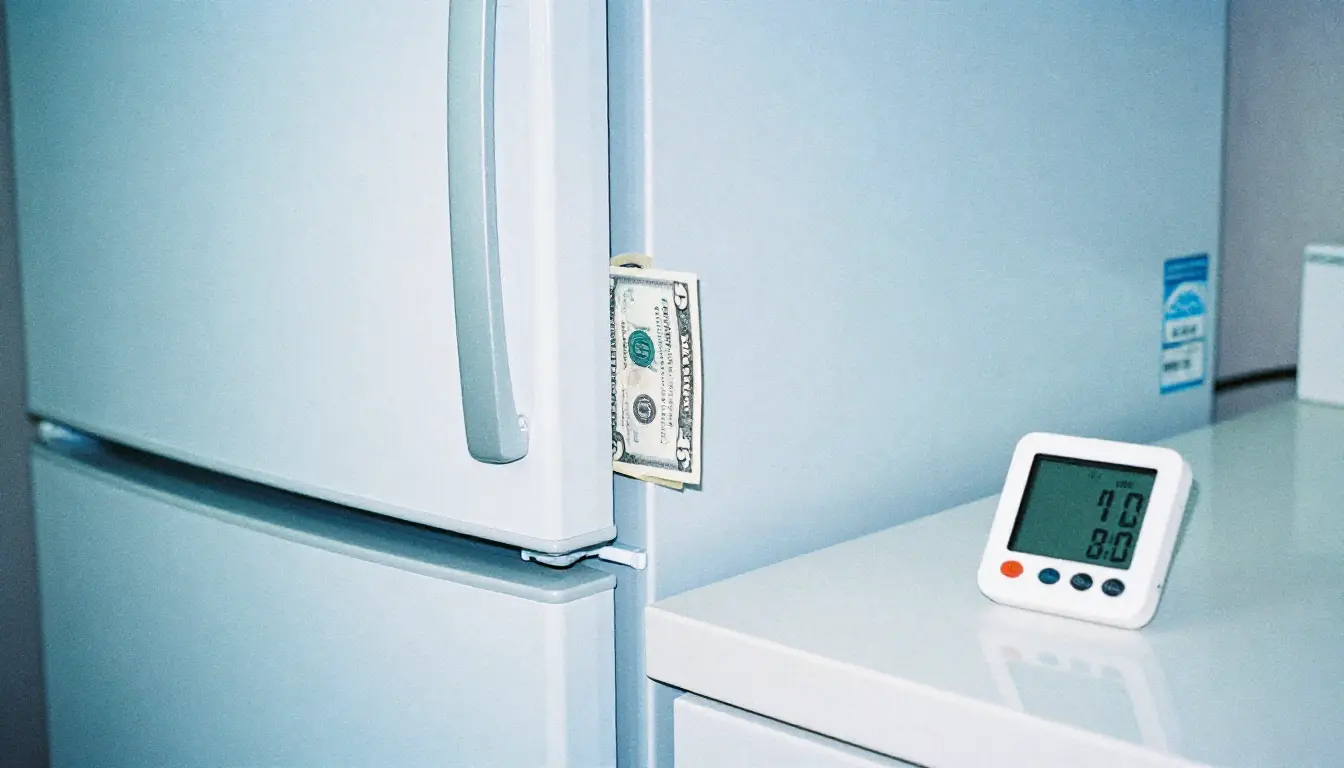
Your fridge runs 24/7. It’s the marathon runner of your kitchen. If yours is more than ten years old, it’s likely costing you a fortune. I checked my seal with the "dollar bill test." You close the door on a dollar bill; if it pulls out easily, your cold air is leaking.
- Energy Star is Key: These models are about 9% more efficient than the federal minimum.
- Organization Matters: A full fridge holds cold better than an empty one. If you have extra space, fill some jugs with water.
Stoves & Ovens
I used to love cooking with gas. But then I tried induction. It’s faster and way more efficient. Induction sends heat straight to the pan using magnets. Almost no energy is wasted.
Dishwashers
Modern dishwashers actually use less water than hand-washing. Look for models with soil sensors. They adjust the cycle based on how dirty your plates are. This saves both water and electricity.
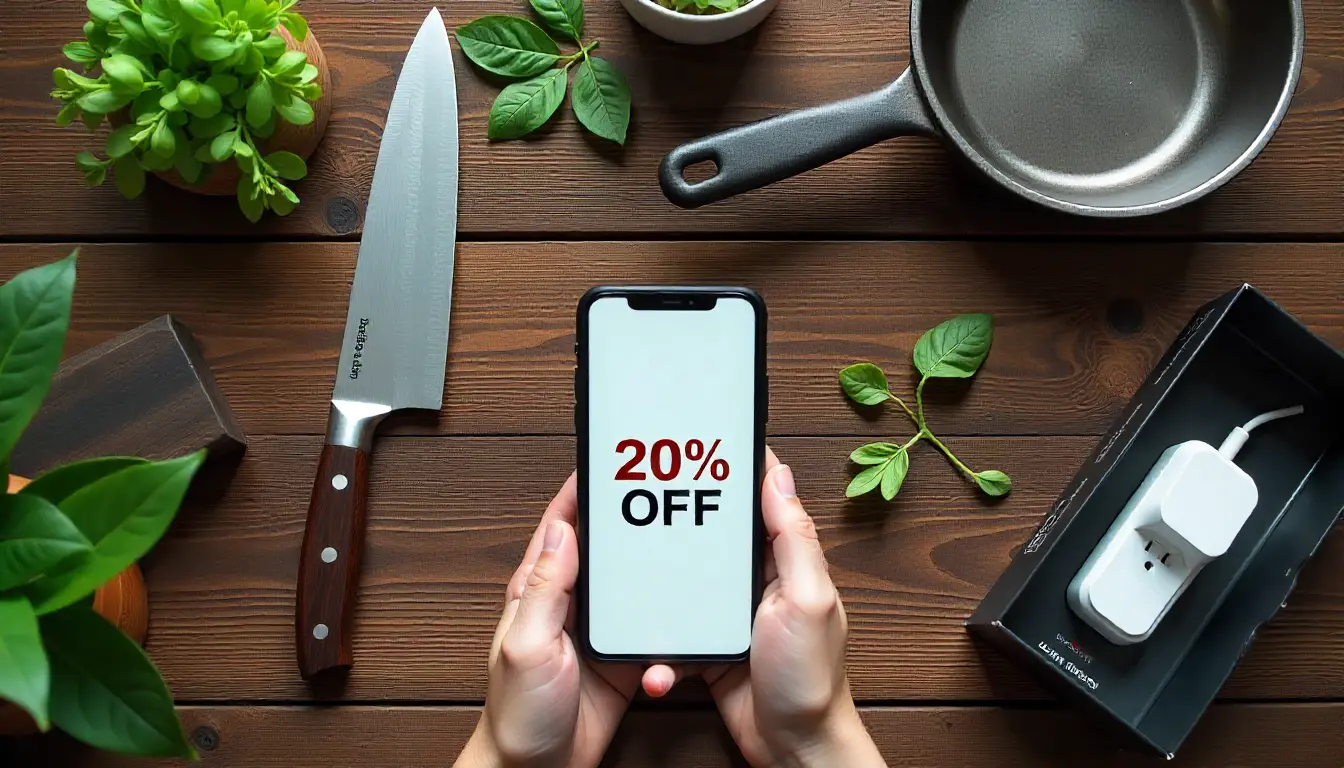
Before you buy, search for best energy-efficient kitchen appliances on deal sites. I saved 20% on my dishwasher just by waiting for a holiday weekend sale at a big-box store.
Practical Kitchen Upgrades on a Budget
You really don’t need to replace your stove to see a difference in your energy bills. I started small, with an instant-read thermometer. It sounds simple, but it stopped me from opening the oven door ten times to check a chicken. Every time you open that door, the temperature drops by about 25 degrees, and the oven works harder to recover.
I also focused on a “starter kit” approach: one good knife and a solid stainless steel pan. That’s really all you need to get cooking efficiently. For renters like me, a portable induction burner has been a game-changer. It costs about $60 and uses far less energy than my old electric coil stove. Even something as small as swapping kitchen lights to LEDs is a huge win.
And here’s a tip: I always keep an eye out for budget-friendly upgrades and promo codes. Open-box deals on high-end gear like Ninja appliances or Instant Pots are practically new but cost much less. That’s how I’ve been able to improve my kitchen without overspending.
Smart Cooking Habits for Maximum Efficiency
How you cook is just as important as what you use to cook. Over time, I developed a few “rules” that have saved me a ton of time and energy. For instance, I almost never use my big oven for a single meal—it’s like using a sledgehammer to crack a nut. Covering pots and pans while cooking is another habit I adopted. It boils water significantly faster and keeps heat from escaping.
Batch cooking has been a lifesaver. When I turn on the oven, I roast veggies for the whole week while baking chicken. The microwave is another friend—reheating food in it uses about 80% less energy than an oven. Proper storage matters too. Let leftovers cool on the counter before putting them in the fridge. Putting hot food straight into the fridge forces the compressor to work extra hard. These small energy-saving habits don’t cost a dime but really add up. Plus, food tastes better when you aren’t rushing and wasting heat.
The Power of Precision: Induction and High-Efficiency Cooking
Induction cooking is probably the coolest tech I’ve brought into my home recently. It feels like magic. The pan heats up, but the stove surface stays relatively cool. Since the heat is generated directly in the pan, very little energy is lost to the surrounding air—roughly 85% efficient compared to gas, which hovers around 30%.
It’s fast, too. I can boil a pot of water in half the time it took on my old stove. The control is precise: if a pot starts to boil over, I just turn it down and it stops immediately. Safety is another plus; induction burners won’t turn on without a magnetic pan, which is reassuring if you have kids around. If the cost is a concern, look for Energy Star-certified appliances and local rebates. Many US cities offer incentives for switching from gas to electric to improve indoor air quality.
The “Micro-Cooking” Strategy: Small Tools for Big Savings
I stopped preheating the “cave” of my big oven just for a slice of pizza. Instead, my air fryer and toaster oven have become MVPs in my kitchen. They reach temperature in minutes, whereas my old oven took 15 minutes just to hit 350°F—15 minutes of wasted electricity every night.
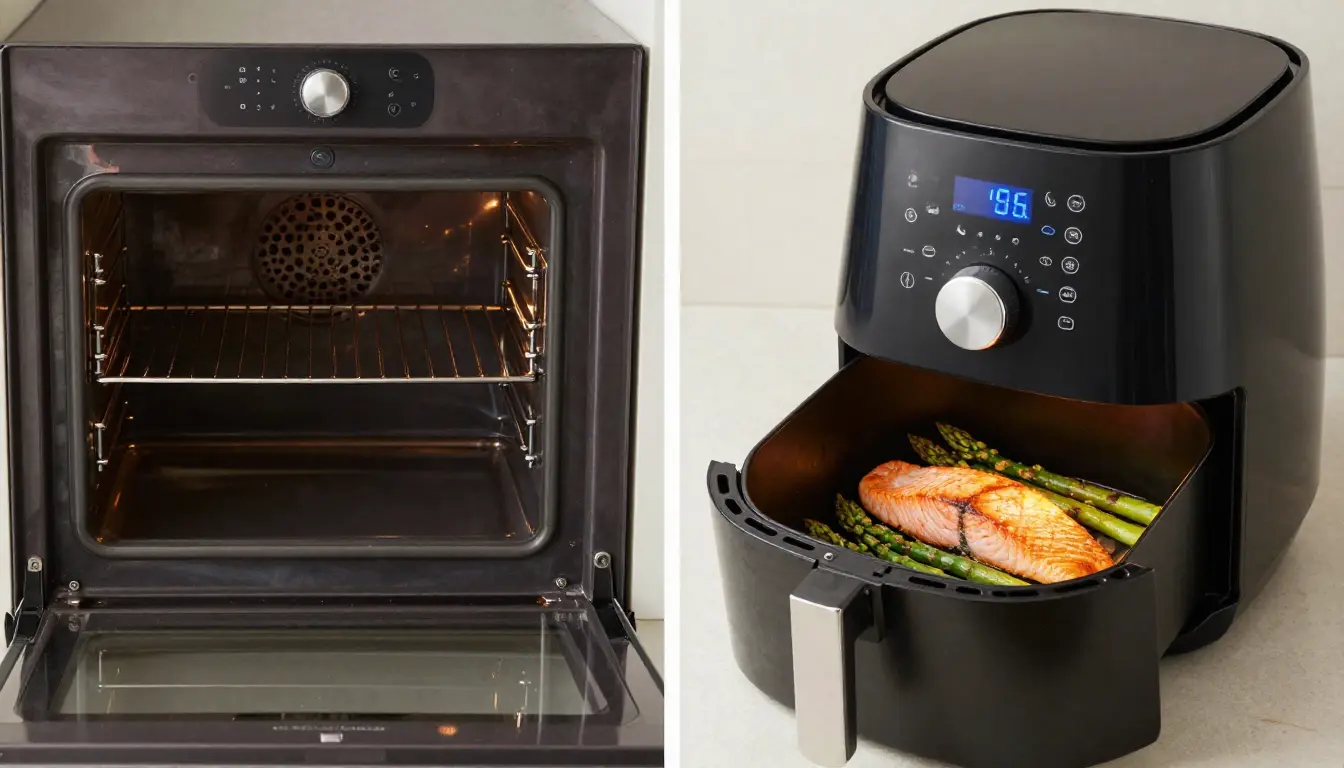
Pressure cookers have also been lifesavers. My Instant Pot cooks dried beans in 30 minutes, whereas it would take hours on the stove. Toaster ovens are perfect for small batches of cookies or roasting a few pieces of salmon. If your small oven has a convection fan, use it—it circulates heat, allowing you to cook at lower temperatures. These are affordable, energy-saving tools that make cooking more fun and cleanup easier.
Cold Storage Science: Optimizing the Refrigerator
Your fridge is the only appliance in your kitchen that never sleeps, and it’s easy to burn money without realizing it. I used to keep mine way too cold. Then I bought a cheap fridge thermometer and set it to 37°F—the “Goldilocks zone.” Cold enough to keep milk fresh, but not so cold that the compressor runs constantly.
Cleaning the coils is another small step that makes a big difference. Dust acts like a blanket on the motor, so I vacuum mine every six months. Keeping your fridge full also helps maintain temperature—air escapes every time you open the door. And a small tip: avoid putting bread or cereal on top; it traps heat and makes the fridge work harder. These small, boring tasks pay off when you see the difference on your energy bill.
Professional Tools on a Budget: The “Starter Kit” Philosophy
You don’t need a 20-piece set to be a great cook. I used to buy cheap “everything in a box” sets that always broke. Now, I follow a “quality over quantity” rule—it’s cheaper and more sustainable in the long run.
One great knife can replace a dozen mediocre ones. I use a Wüsthof Pro-level knife, which only cost $35–$50, and it’s a world of difference. An instant-read thermometer ensures I never overcook a steak, saving energy and food. Cast iron pans are cheap, indestructible, and hold heat better than almost anything else. By focusing on tools that last, you stop the cycle of constantly replacing cheap items—real conscious consumption.
DIY & Small Functional Kitchen Upgrades
Some of the best upgrades are DIY projects you can do in minutes. One Saturday, I installed a faucet aerator for $5 at the hardware store—it uses less hot water without changing water pressure. I also put my coffee maker on a smart plug with a timer so it’s only on when I need it.
LED under-cabinet lighting makes it easier to see while chopping, without turning on all the bright ceiling lights. I also switched to reusable glass containers—they hold cold better than plastic wrap and keep food fresh longer. These small changes add up, creating a kitchen that works with you, not against you.
How to Find Deals & Save on Energy-Efficient Upgrades
The thrill of finding a deal is half the fun. I never pay full price for big appliances. Timing is everything. Most new models arrive in the fall, which means “last year’s” models often go on deep clearance.
Holiday sales like Memorial Day, Labor Day, and Black Friday are the big ones for appliances in the US. Always check rebate sites like EnergyStar.gov—you can find $50–$100 back on items you didn’t even know qualified. Browser extensions help too; I often get 5–10% cashback on online purchases. Building a kitchen full of affordable, energy-saving tools is a marathon, not a sprint. Take your time, wait for the right deals, and watch your savings grow.
Conclusion
I’ve learned that a functional kitchen isn't about having the fanciest gadgets. It’s about having tools that make sense for your life and your budget.
By mixing energy-efficient kitchen tools with smart habits, I've managed to lower my bills and actually enjoy cooking more. It feels good to know I'm not wasting power. It feels even better to see that extra money in my savings account at the end of the month.
You don't have to do everything at once. Pick one thing today. Clean your fridge coils or try a pressure cooker recipe. Small steps lead to big changes. You’ve got this!
FAQs
How do I choose the right energy-efficient appliances for my kitchen?
Look for the Energy Star label first. Then, think about your specific needs. If you live alone, a smaller fridge or a convection toaster oven might be more efficient than full-sized models. Always check the "EnergyGuide" yellow tag to see the estimated yearly operating cost.
Are expensive kitchen tools worth the investment?
Only if they last longer and save energy. A high-quality stainless steel pan can last 40 years, whereas a cheap non-stick one might end up in a landfill in two. Focus on durability and how much the tool will actually be used in your daily routine.
Do induction stoves really save electricity?
Yes. They are significantly more efficient than traditional electric or gas stoves. Because they heat the pan directly via magnetism, very little energy is lost to the air. You can boil water in about half the time, which cuts your total cook time and power use.
Can small kitchen upgrades really impact my energy bills?
Absolutely. While one LED bulb won't save you a fortune, the combination of LEDs, faucet aerators, smart plugs, and better cooking habits creates a "stacking effect." Over a year, these small changes can save a typical US household hundreds of dollars.