We’ve all been there: standing at the grocery checkout or clicking "place order" on a new set of linen sheets, catching a glimpse of that plastic card in our hand and wondering, Is this actually doing anything for me? Most of us use credit cards daily, yet a staggering number of shoppers feel under-rewarded. We see the "cashback" labels on our monthly statements, but the amounts often feel like a happy accident rather than a strategic win.
In a world where the cost of living feels like a constant upward climb, it’s time to reframe how we look at those rewards. Credit card cashback isn't a complex financial hustle or a reason to buy things you don't need; it is a quiet, supportive system designed to give your budget a "rebate" on the life you are already living. By aligning your cards with your actual routines, you can reclaim a percentage of your expenses without ever feeling restricted or pressured to spend more.
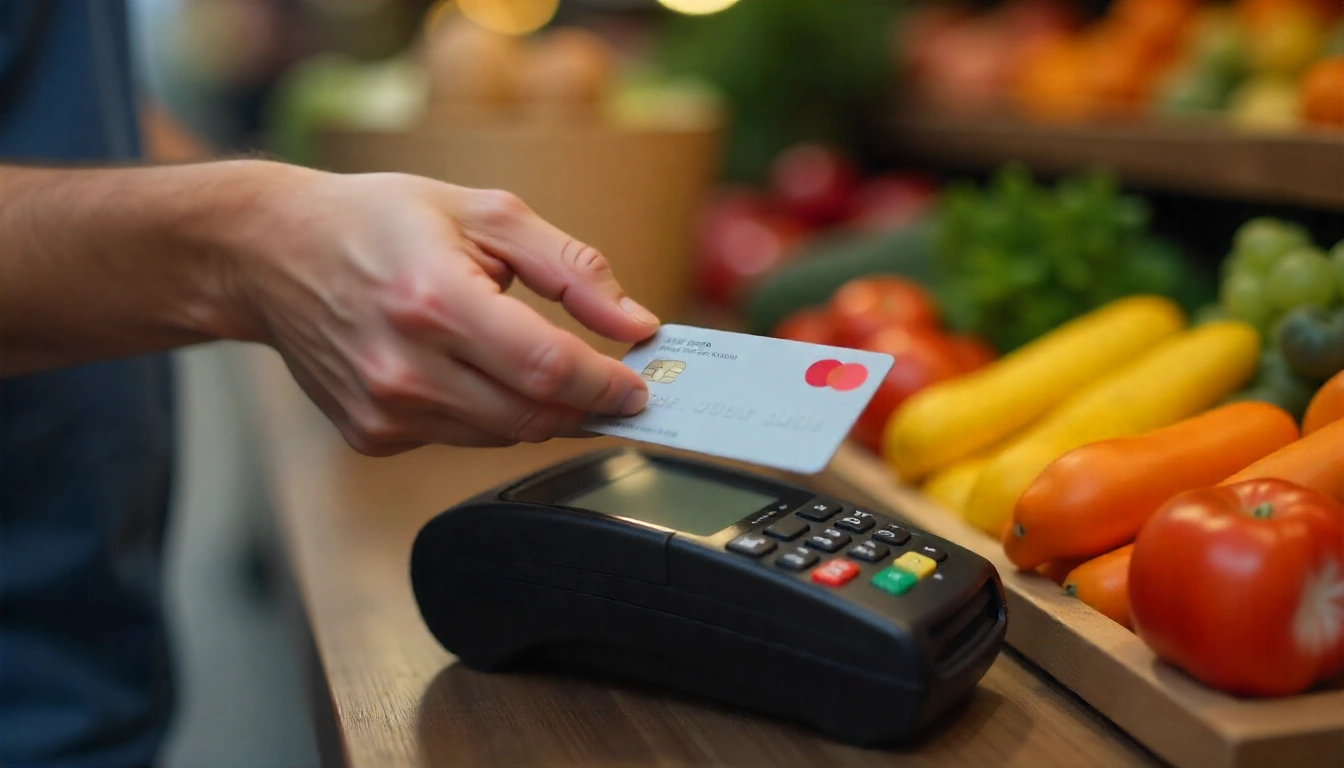
How Credit Card Cashback Actually Works-
Before we dive into the strategy, let’s peel back the curtain on how credit card cashback actually functions. It isn't "free money" in the sense of a gift; rather, it is a small portion of the transaction fee that merchants pay to banks, which the bank then shares with you to encourage loyalty. When you understand this, the "magic" disappears and is replaced by a practical financial tool.
Think of cashback as a percentage-based discount that follows you everywhere you shop. Whether you are buying organic kale or paying your internet bill, a portion of that money—usually between 1% and 6%—can find its way back to you. This usually manifests in three ways: statement credits (which lower your balance), direct cash deposits into your bank account, or reward balances that you can use like a gift card.
From a lifestyle perspective, this is "small money" returned to your budget. While a single $2.00 reward on a grocery trip won't change your life, the cumulative effect over a year can fund a holiday dinner or a wellness weekend. The key to making this work is intentionality. Cashback works best when purchases are already planned. Before you even think about the reward, ensure you've checked for online store sales or promo codes. The cashback is the final layer of savings, not the reason for the purchase itself.
Types of Cashback Cards and How They Fit Your Lifestyle-
Not all cashback credit cards are created equal, and the "best" card is entirely dependent on how you move through your day. Choosing the wrong card for your lifestyle is like wearing hiking boots to a gala—it works, but it’s not efficient.
The Flat-Rate Card:
These cards offer a consistent percentage (often 1.5% to 2%) on every single purchase. These are the "hero" cards for those who value simplicity. If you have a busy routine and don't want to track which card to use for gas versus groceries, a high-yield flat-rate card ensures you never earn less than the baseline.
The Category-Based Card:
These cards offer higher tiers (3% to 6%) on specific "life" categories like groceries, dining, or streaming services. These are perfect for families or foodies whose largest monthly outflows are predictable. By using a specialist card for your $600 monthly grocery bill, you're looking at significant annual returns.
The Rotating Category Card:
These cards offer a high percentage (usually 5%) on categories that change every three months. These require a bit more "activation habit," but they align beautifully with seasonal shifts. For instance, many cards offer higher rewards for "Home Improvement" in the spring or "Amazon and Target" during the holiday season. Pairing these bonus categories with seasonal sales is the hallmark of a truly smart shopper.
Choosing the Right Cashback Strategy for Your Daily Routine-
To truly maximize credit card cashback, you must start with your actual spending habits, not the flashy numbers on a bank's landing page. If a card offers 5% back on flights but you haven't left your zip code in two years, that card is useless to you.
Take a moment to look at your last three bank statements. Where is the money going?
- The Grocery Guru: If your biggest expense is feeding the household, look for cards that prioritize supermarkets.
- The Digital Native: If you do 90% of your shopping via online stores, look for cards that offer "Online Retail" as a 3% category.
- The Commuter: If fuel or transit is a major drain, find a card that treats gas stations and toll booths as high-earning zones.
The goal here is a credit card rewards strategy that feels passive. It should be a support system for your conscious spending, not a reason to chase rewards. Chasing rewards—spending money just to get 5% back—is a losing game. You're spending a dollar to get a nickel. Instead, let the nickel come to you on the dollar you were already going to spend.
Cashback Optimization for Everyday Expenses-
The true power of a rewards system is found in high-frequency, unavoidable spending. These are the areas where we can’t really "opt out," so we might as well "opt in" to savings.
Groceries and Household Essentials are the prime territory. By using a tiered card at your local market, you’re effectively lowering the price of every gallon of milk. When you stack this with store loyalty programs or digital coupons found on the store's app, your "real" inflation rate begins to drop.
Dining and Takeout is another area where "lifestyle creep" often happens. If you enjoy a weekly Friday night pizza, using a card that recognizes "Dining" as a 3% or 4% category turns that treat into a slightly more affordable luxury. Similarly, online subscriptions like Netflix, Spotify, or your favorite wellness app often fall into specific "Streaming" categories that earn high rewards. By putting these on "set it and forget it" with the right card, you’re optimizing your budget while you sleep.
Using Multiple Cards Without Overcomplicating Your Life-
One of the biggest myths in the world of cashback optimization is that you need a wallet full of twenty different cards. In reality, most people only need a "Power Trio" of 2 to 3 cards to capture 90% of available rewards.
- The "Everything" Card: A flat-rate 2% card for your phone bill, insurance, and random retail stops.
- The "Fuel & Food" Card: A tiered card for the heavy hitters (Groceries and Gas).
- The "Seasonal" Card: A rotating 5% card to use only when the category matches your current needs (like "Online Shopping" in December).
To reduce decision fatigue, try a simple mental labeling system. You can even put a small piece of clear tape on the corner of the card with a one-word reminder: "FOOD" or "ALL." This keeps your system low-effort and prevents the "missed cashback" frustration that comes from using the wrong card at the register.
Cashback Caps, Limits, and the Fine Print-
We must address the "catch." Many high-earning cards have cashback categories explained with a limit. For example, you might earn 6% back on groceries, but only on the first $6,000 you spend per year. After that, the rate drops to a measly 1.5%.
Understanding these limits is vital for a realistic savings strategy. If you have a large family and hit that $6,000 limit by July, your "Grocery Card" actually becomes less valuable than your "Everything" card for the rest of the year. A smart strategy involves timing larger, planned purchases—like a bulk pantry restock or a new kitchen appliance—during sale periods while you still have "room" under your reward caps.
Redeeming Cashback the Smart Way-
How you redeem your rewards is just as important as how you earn them. To treat cashback as "real money," you should aim for statement credits or cash deposits. These directly offset your monthly expenses, providing a tangible boost to your liquidity.
Some banks try to entice you to spend your "points" in their own curated marketplaces for merchandise or specific gift cards. Be wary here. Often, the "value per point" is lower in these shops than if you simply took the cash and bought the item elsewhere—especially if that "elsewhere" has a sale or a promo code you can use. Always prioritize the redemption method that gives you the most flexibility to shop where the deals are.
Combining Cashback With Discounts and Smart Shopping-
The most important takeaway for a conscious consumer is this: Cashback alone is not a discount. A 2% reward on a full-price item is nowhere near as effective as a 2% reward on an item you bought at 30% off.
The most successful budget-friendly lifestyles utilize "The Stack":
- Wait for the Sale: Watch seasonal pricing cycles (like buying linens in January or electronics in November).
- Find the Coupon: Before checking out at an online store, a quick search for a promo code can save you significantly more than the cashback ever will.
- Apply the Cashback: Pay with the optimized card to shave that final percentage off the total.
When you combine a discounted price with a cashback reward, your "real" savings increase exponentially. This low-effort system reduces spending stress because you know you've squeezed every bit of value out of every dollar.
Common Cashback Mistakes That Quietly Reduce Your Savings-
To keep your strategy ethical and effective, avoid these three common pitfalls:
- Carrying a Balance: This is the most critical rule. If you carry a balance and pay interest (usually 20%+), you aren't earning 2% cashback—you are losing 18% of your money. Credit card cashback only works if you pay the card in full every single month.
- The "Reward High": Don't let the promise of 5% back trick you into buying something you wouldn't have bought otherwise. A "deal" on something you don't need is still a 100% waste of money.
- Forgetting to Redeem: Millions of dollars in cashback go unredeemed every year. Don't let your hard-earned rewards sit idle; put them to work in your savings account or use them to pay off a utility bill.
How Often to Review and Adjust Your Strategy-
Your life isn't static, and your credit card rewards strategy shouldn't be either. We suggest a quick "budget check-in" every 6 to 12 months. Has your commute changed? Are you cooking at home more often? Did a new card come out that better aligns with your favorite online stores?
An end-of-year review is particularly effective. As you reset your goals for the new year, take fifteen minutes to ensure your "Power Trio" of cards still reflects your daily path. If your spending has shifted, a small adjustment can result in hundreds of dollars of passive savings over the next year.

Conclusion-
At its core, optimizing your credit card cashback is about intentional living. It is about taking a tool that most of us use anyway and making it work a little harder for us. When aligned with your everyday routines—your grocery trips, your monthly bills, and your occasional treats—cashback becomes a quiet, supportive force that builds financial confidence.
Remember, the goal isn't to spend more to earn more; it's to spend smarter to keep more. By layering rewards on top of smart shopping habits like using coupons and following sales, you create a lifestyle of comfort and balance without the sacrifice. You’ve done the hard work of earning your income—now, use these simple optimizations to ensure your income goes exactly where you want it to.
FAQ Section-
Is credit card cashback worth it for everyday spending?
Yes, provided you pay your balance in full each month; it acts as a permanent 1.5% to 5% discount on your entire cost of living.
How many cashback credit cards should I realistically use?
For most, 2 to 3 cards offer the best balance between maximizing rewards and maintaining a simple, stress-free routine.
Does cashback still help if I shop sales and discounts?
Absolutely—stacking cashback on top of a sale price is the most effective way to lower your "real" cost for any item.
What’s better: cashback or points-based rewards?
Cashback is generally better for a budget-focused lifestyle because of its simplicity and the flexibility to spend the "rebate" on essential bills.
How often should I change my cashback strategy?
Review your strategy every 6 to 12 months or whenever you experience a major life change, such as a new job, a move, or a change in household size.