We’ve all been there: you’re at the checkout screen on your laptop, about to pull the trigger on a new set of organic cotton sheets or a restock of your favorite skincare, only to see a tiny banner at the top of the page: “Get 20% off your first order—App Only.”
It’s a moment of digital friction. Do you take the two minutes to download the app, or do you pay the “convenience tax” and move on?
In a world where our phones are already cluttered with icons, it’s natural to feel protective of your digital space. However, as we lean into more intentional, budget-friendly lifestyles in 2026, the strategic use of app-only deals has become less about "more shopping" and more about "smarter spending." Living well doesn’t require a bigger paycheck; it requires better tools.
Here is how to navigate the world of mobile shopping deals to support your wellness, home, and comfort goals without the clutter.

What Are App-Only Deals and Why Do They Exist?
Simply put, app-only deals are discounts, promo codes, or bundles that are exclusively accessible through a brand’s mobile application. You won't find these prices on their desktop website or even in their physical stores.
Why do brands do this? It’s a win-win for the conscious consumer and the retailer. Brands want to build a direct relationship with you. By offering app-exclusive discounts, they bypass the noise of search engines and social media. In return for a small square of real estate on your phone, they provide deeper discounts and a more streamlined, personalized shopping experience.
For you, this means access to "hidden" pricing on everyday essentials like groceries, wellness supplements, and sustainable fashion.
Are App-Only Deals Really Worth Your Time?
Not every app deserves a spot on your home screen. To avoid "app fatigue," we have to weigh the savings potential against the digital weight.
Research shows that mobile shopping deals can often save you between 10% and 15% more than standard website promotions. For instance, a weekly grocery haul that costs $100 on the website might cost $85 in the app once "clippable" digital coupons are applied. Over a year, that’s $780 back in your pocket—money that can be redirected toward a travel fund or a high-quality home upgrade.
The Rule of Thumb: If you shop at a retailer at least once a month, their app is likely worth the download. If it’s a one-time purchase, stick to the browser.
Types of App-Only Deals to Look For
When you explore the "offers" tab of a new app, there are several high-value categories to watch for. Many apps provide a significant one-time discount, often between 20–25%, just for your first in-app purchase, giving new users an immediate boost in savings. Flash sales are another opportunity—these short-window promotions are often pushed to app users an hour before they go live on the website, letting you snag items early. In-app rewards are also common; many loyalty programs award double points for purchases made on mobile, helping you earn gift cards or rebates more quickly. Finally, look for app-exclusive bundles, such as “subscribe and save” options for household essentials, which are only visible to mobile users and can provide meaningful savings over time.
Best Categories for App-Only Savings
To keep your lifestyle intentional, focus your app usage on these four high-impact categories:
Groceries & Household
This is where the most consistent savings live. Digital coupons in grocery apps often stack with in-store sales.
Home Essentials & Decor
When you're looking for that one perfect rug or a set of non-toxic cookware, home apps often offer exclusive app discounts during seasonal shifts.
Wellness & Beauty
If you have a routine that involves specific supplements or clean beauty products, apps often provide "early access" to restocks.
Fashion
Sustainable brands frequently use apps to offer "member-only pricing" on timeless staples, helping you build a capsule wardrobe for less.
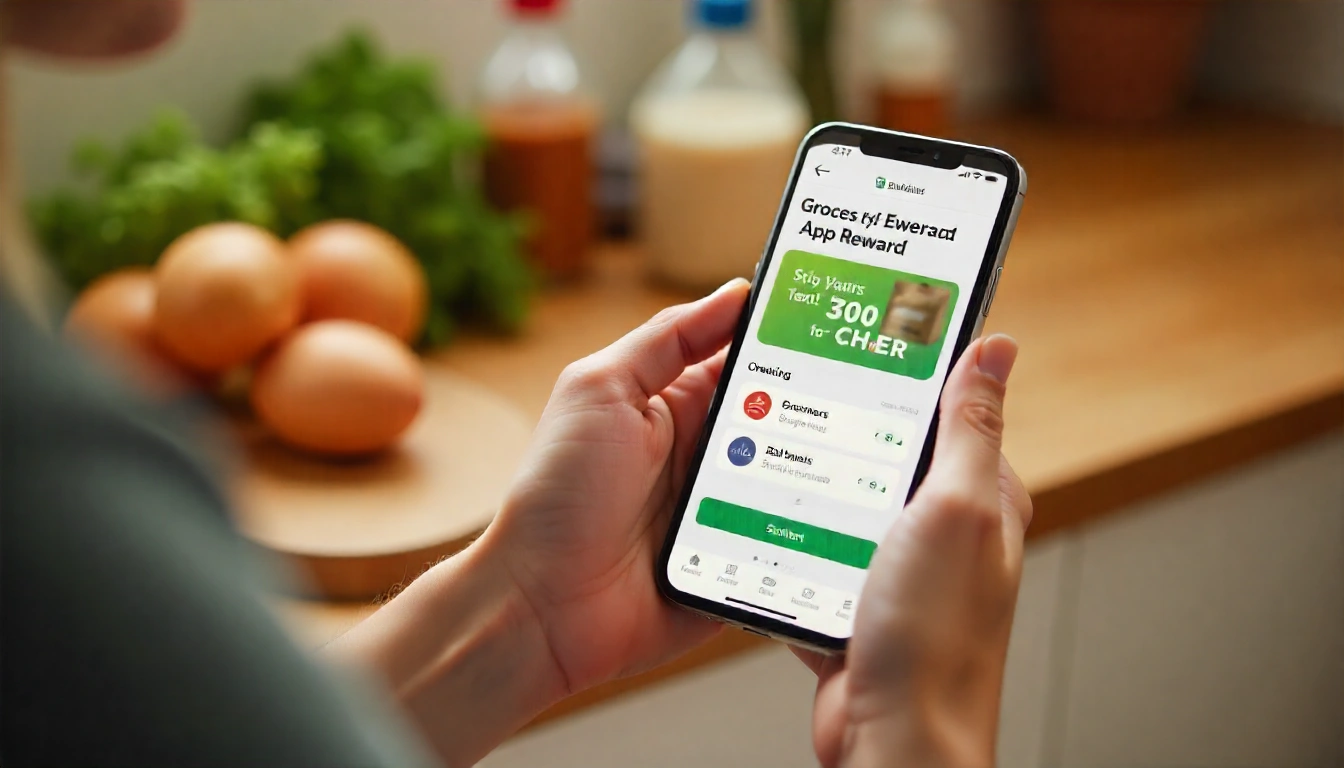
How to Choose the Right Apps Without Overload
To maintain a minimalist digital environment, it’s a good idea to audit your apps once a month. Ask yourself whether each app provides real value at least once a month and whether the “deals” it offers are actually saving you money or merely tempting you to spend. A helpful tip is to group all your shopping apps into a single folder on the last page of your home screen. This reduces the risk of boredom scrolling and ensures you only open the apps when you have a specific, intentional purchase in mind, keeping your shopping both mindful and purposeful.
Hidden Perks: Beyond the Discount
The benefits of shopping apps for savings aren't always just about the lower price tag. Many brands offer "soft" perks that significantly enhance your lifestyle and shopping experience:
Early Access
Apps often give you a head start. By being a mobile user, you can snag high-quality or limited-edition items before they sell out on the main website.
Better Tracking & Peace of Mind
Forget the constant refreshing of your email. Apps provide real-time updates and push notifications on your deliveries, effectively reducing the stress of wondering, "Where is my package?"
Personalized Curations
Modern apps learn your unique style and preferences. Instead of overwhelming you with options, they show you only what you actually need, drastically reducing the mental load of infinite scrolling and helping you make more intentional choices.
Smart Ways to Stack App Deals With Other Savings
Mastering a budget-friendly lifestyle is all about learning to “stack” savings strategically. Start by checking your app-only deals section to secure a base discount. Next, look for a site-wide promo code, as many apps allow you to enter a secondary code at checkout. Make sure any loyalty points you’ve earned are applied to your purchase, and consider using a cashback tool that tracks mobile transactions. By layering these strategies, you’re often able to get the item at the lowest possible price the manufacturer allows, making your shopping both smart and intentional.
When App-Only Deals Might Not Be Worth It
Intentional living means knowing when to walk away. An app-only deal isn’t worth it if it triggers impulse buys. If notifications are pushing you to purchase things you hadn’t planned for, the “deal” is actually costing you money rather than saving you. Similarly, if the discount is negligible—say, only a 2% difference—your privacy and the space on your device may be more valuable than the minor savings. Finally, always pay attention to the data an app requests. If a simple calculator or shopping app asks for access to your location, contacts, or other sensitive information just to provide a “deal,” it’s a red flag and may outweigh any potential benefit.

Conclusion:
At its core, utilizing app-only deals is a strategy for the modern, conscious consumer. It’s about using the technology at our fingertips to reduce the cost of a high-quality life. By being selective about which apps we download and being intentional about when we use them, we can protect our budgets and our peace of mind simultaneously.
Remember, the goal isn't to find more things to buy—it’s to pay less for the things that truly add value to your day.
FAQ
Are app-only deals really cheaper than website prices?
In many cases, yes. Brands use these "private" prices to reward loyal users and encourage app adoption, which is cheaper for them than traditional advertising.
How many shopping apps should I realistically use?
Aim for 3–5 core apps that cover your most frequent needs (e.g., one for groceries, one for home/general, and one for wellness). Quality over quantity is key.
Can app-only deals be stacked with other discounts?
Usually, yes! You can often combine an in-app price with rewards points, seasonal sales, or even external cashback offers.
Which product categories benefit most from app-exclusive offers?
Groceries and household essentials offer the most consistent savings, while fashion and home decor offer the largest "one-time" discounts through welcome perks.