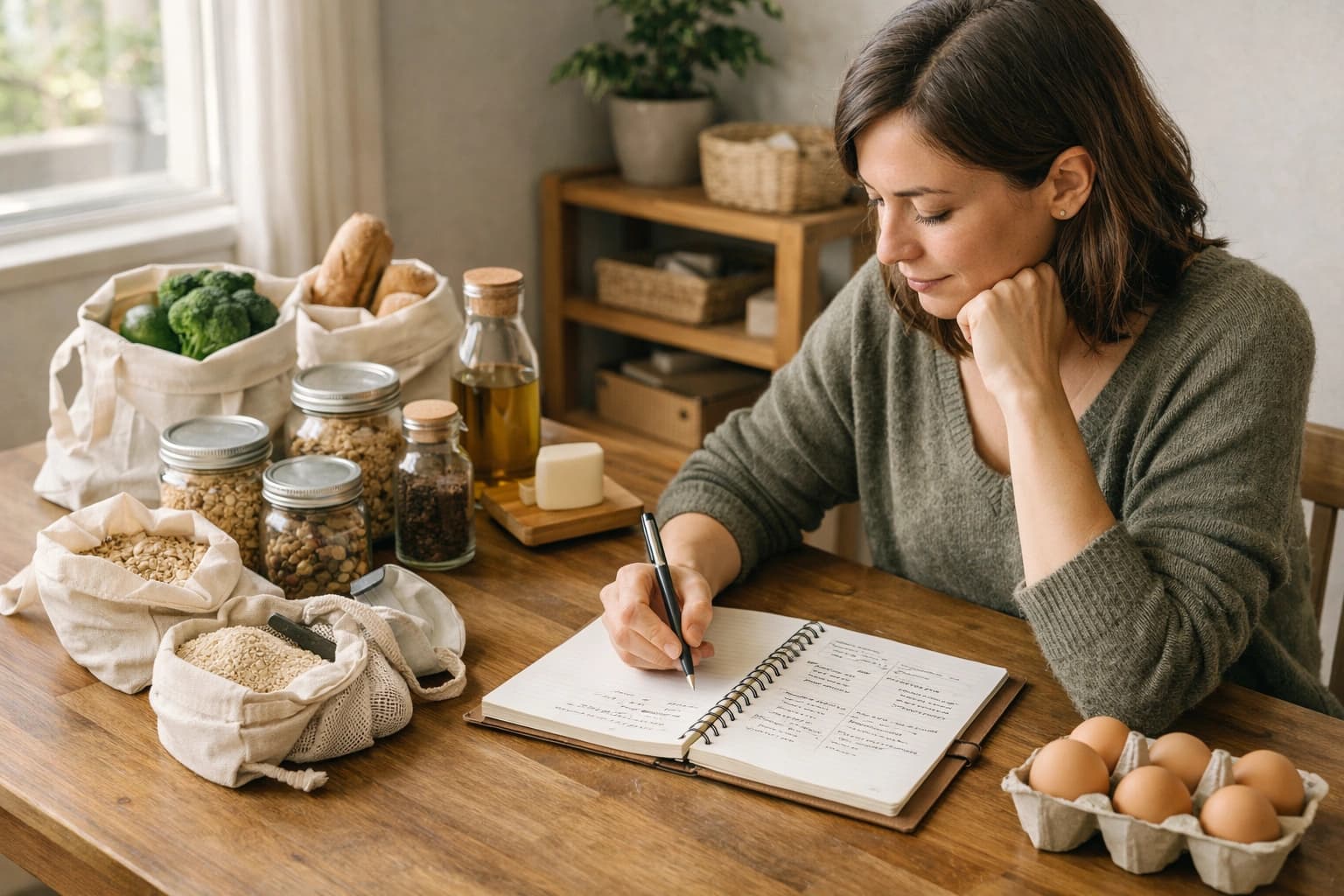
We’ve all been there: it’s three in the afternoon, the energy slump is hitting hard, and the easiest option is whatever is sitting in the vending machine or the pantry. Usually, that means something high in salt, sugar, or refined flour. There’s a common assumption that if you want to eat "healthy," you have to spend a fortune on organic kale chips, artisanal nut butters, or pre-packaged protein bars that cost four dollars a pop.
The reality of daily life is much more grounded. Most of us are just trying to get through the day without crashing, and we’d like to do it without spending our entire grocery budget on snacks. Finding affordable snacks that won’t totally bust your health goals isn't about finding "superfoods"; it’s about returning to basics and making smart choices with common ingredients. It’s about the middle ground—choosing foods that are kind to your wallet and reasonably good for your body, without obsessing over every single calorie.
Why Cheap Doesn’t Have to Mean Unhealthy
There is a pervasive myth that "junk food" is the only affordable option. While it’s true that highly processed snacks are often engineered to be cheap and shelf-stable, whole foods are frequently less expensive when you look at the price per serving.
The trick lies in shifting how we define a "snack." We’ve been conditioned to think snacks come in colorful crinkly bags. When you move away from processed packaging, the cost drops significantly. A bag of apples or a carton of eggs costs less than a box of name-brand granola bars, and they generally offer much better satiety. Affordable snacking is less about deprivation and more about resourcefulness—using simple, versatile staples that fill you up so you aren't tempted to overspend on convenience later.
Rethinking the Pantry Staples
When looking for snack ideas that are easy on the budget, the best place to start is the "outer ring" of the grocery store, along with a few key aisles that house bulk staples. Here are some practical, everyday options that strike a balance between nutrition and cost.

The Versatility of the Humble Egg
Hard-boiled eggs are perhaps the ultimate budget snack. If you spend five minutes boiling a half-dozen eggs at the start of the week, you have a grab-and-go option that is naturally portioned and packed with protein. They are incredibly cheap per serving, and they actually keep you full, which prevents the "grazing" cycle that often leads to overeating. A little salt and pepper is all they need, making them a straightforward, no-nonsense choice.
Beans and Legumes Beyond Dinner
Most people think of chickpeas or black beans as base ingredients for a meal, but they make excellent snacks. Canned chickpeas are incredibly inexpensive. If you rinse them, pat them dry, and toss them in a pan (or oven) with a little oil and whatever spices you have in the cabinet—cumin, paprika, or even just salt—they become crunchy and satisfying. It’s a way to get fiber and protein for pennies, and it satisfies the craving for something savory and crunchy that usually leads people toward potato chips.
Fruit with a Purpose
Fruit is often criticized for its sugar content, but in the context of a balanced day, an apple or a banana is a far better choice than a processed snack cake. The key to making fruit an affordable, effective snack is pairing it. An apple on its own might leave you hungry again in thirty minutes. However, an apple with a tablespoon of peanut butter provides the fat and protein needed to slow down the digestion of those natural sugars. Peanut butter is a shelf-stable, high-calorie-for-low-cost staple that makes fruit go much further.
The Value of Oats
Oats aren't just for breakfast. A small bowl of oatmeal in the afternoon can be a very grounding snack. If you buy old-fashioned oats in the large canisters rather than the sweetened individual packets, the cost is negligible. You can stir in a bit of cinnamon or a few frozen berries. Because oats are high in fiber, they provide a steady release of energy, which is exactly what most people need to power through the end of a workday.
Common Pitfalls in the Search for Savings
When we try to save money on food, it’s easy to fall into a few common traps that end up undermining our health goals. Recognizing these patterns is half the battle.
The "Bulk Buy" Illusion Buying in bulk is generally a great way to save money, but it can be a double-edged sword with snacks. If you buy a massive bag of pretzels because it’s a "better deal," you are much more likely to eat larger portions than you intended. The human brain struggles with "unit bias"—we tend to eat whatever is in front of us. If you do buy in bulk, it’s worth the extra two minutes to portion things out into smaller containers immediately.
The Allure of "Low-Fat" Labels Often, the cheapest processed snacks are marketed as "low fat" or "100-calorie packs." The problem is that these are often stripped of any nutritional value and loaded with extra sugar or sodium to make them taste better. You might be saving a few calories, but you aren't getting any satiety. Spending the same amount of money on a smaller bag of raw almonds or a piece of cheese would likely keep you satisfied for twice as long.
Ignoring the "Hidden" Sugars Yogurt is a great example of this. The large tubs of plain yogurt are very affordable and a great source of protein. However, many people opt for the individual flavored cups because they are convenient and often on sale. Those cups can contain as much sugar as a dessert. A more practical approach is buying the plain version and adding your own flavor—a drizzle of honey or some frozen fruit. You save money and significantly reduce your daily sugar intake.
Mindful Approaches to Portion and Timing
How we eat is often just as important as what we eat. When you’re trying to maintain health goals on a budget, being intentional about your habits can prevent a lot of mindless spending and eating.
The "Plate" Rule for Snacks
It sounds formal, but putting your snack on a plate or in a bowl rather than eating out of the bag changes your psychological relationship with the food. When you see the portion, your brain registers the meal. When you eat out of a box, you lose track of the physical volume of food you've consumed. This simple habit costs nothing and is one of the most effective ways to manage intake.
Understanding True Hunger vs. Boredom
In a world of constant stimulation, we often turn to snacks because we’re bored, stressed, or even just thirsty. Before reaching for a snack, it’s helpful to drink a glass of water and wait ten minutes. This isn't a "diet trick"; it’s just a way to check in with your body. If you’re still hungry, eat. But often, you’ll find that the urge to snack was just a momentary distraction.
Prepping for the "Danger Zone"
Most people have a specific time of day when their willpower is lowest—for many, it’s the commute home or the hour before dinner. If you know this about yourself, you can prepare. Having a small, affordable snack like a handful of sunflower seeds or a piece of string cheese ready to go can prevent you from stopping at a gas station or fast-food drive-thru, where you’ll inevitably spend more money on something less nutritious.
Simple Preparation Ideas
You don't need a culinary degree to make decent snacks. Here are a few combinations that are easy to throw together with basic grocery store finds:
- Cottage Cheese and Cucumber: Cottage cheese is often overlooked, but it's high in protein and relatively inexpensive. Topped with sliced cucumbers and a bit of black pepper, it’s a refreshing, savory snack.
- Frozen Grapes: When grapes go on sale, buy a bunch and put them in the freezer. They take longer to eat and have a texture similar to sorbet, making them a great alternative to ice cream or sugary treats.
- Air-Popped Popcorn: Popcorn is a whole grain and incredibly cheap if you buy the kernels rather than the microwave bags. You can pop it on the stove with a tiny bit of oil. It’s high in volume, so you feel like you’re eating a lot, which can be very satisfying for "crunch" cravings.
- Canned Tuna on Whole Wheat Crackers: A can of tuna is a shelf-stable protein that costs very little. Mixing it with a little mustard or a tiny bit of mayo and putting it on a few crackers makes for a very substantial snack that can almost act as a mini-meal.

A Realistic Perspective on "Healthy"
It’s important to remember that "health" is a long-term average, not a single choice. If you have a day where you eat a bag of chips because that’s all that was available, it doesn’t mean you’ve failed. The goal of finding affordable snacks is to make the easier choice a better choice most of the time.
True sustainability in eating comes from flexibility. If you try to force yourself to eat only raw vegetables because they are cheap, you’ll eventually burn out and find yourself at the bottom of a bag of cookies. It’s better to allow for some variety. Maybe you buy the generic version of your favorite crackers and pair them with a high-protein cheese. You’re saving money, enjoying your food, and staying within a reasonable nutritional range.
We often overcomplicate nutrition because we are bombarded with marketing that tells us we need specific, expensive products to be healthy. But if you look at how people have eaten for generations, it’s always been about simple, whole ingredients used effectively. A bag of carrots, a jar of peanut butter, a carton of eggs—these aren't glamorous, but they are the backbone of a sustainable, budget-friendly lifestyle.
Moving Forward Gently
Improving your snacking habits doesn't require a total kitchen overhaul or a massive increase in your monthly spending. It usually just requires a bit of foresight and a willingness to embrace the basics. Start by looking at your grocery list and seeing where you might be paying for "convenience" rather than actual food. If you can swap even two or three processed snacks for simpler alternatives, you’ll likely notice a difference in both your energy levels and your bank balance.
There is a certain peace that comes with simplifying your diet. When you stop chasing the latest health trends and focus on what is practical and accessible, the stress of "perfect" eating begins to fade. Food is fuel, but it’s also a part of your daily rhythm. Treating it with a bit of common sense and a budget-conscious mind is often the most "healthy" thing you can do.
I've found that when I stop viewing my health goals as a rigid set of rules and start viewing them as a series of small, manageable choices, I'm much more likely to stick with them. Sometimes, the most effective tool for your health isn't a specialized supplement or a gym membership—it’s just a well-timed, hard-boiled egg and a glass of water.
FAQ
Are affordable snacks good enough for long-term health?
Yes. Long-term health comes from consistency, not expensive foods. Simple snacks like eggs, oats, fruit, and beans are filling, easy to repeat, and practical for everyday life. That reliability matters more than price or trends.
How can I avoid overeating budget snacks?
Small habits help more than strict rules. Put snacks in a bowl instead of eating from the package, and choose foods with protein or fiber so you stay full longer. Awareness usually solves the problem on its own.
Is it okay to eat snacks like crackers or chips sometimes?
Absolutely. The issue isn’t occasional treats—it’s relying on them all the time. Pairing them with something filling, like fruit or yogurt, helps keep snacks balanced without cutting anything out.
What’s the most common mistake with cheap “healthy” snacks?
Trying to be perfect. Many people skip simple, affordable foods and buy processed “health” snacks that cost more and satisfy less. Sustainable eating works better than ideal eating.