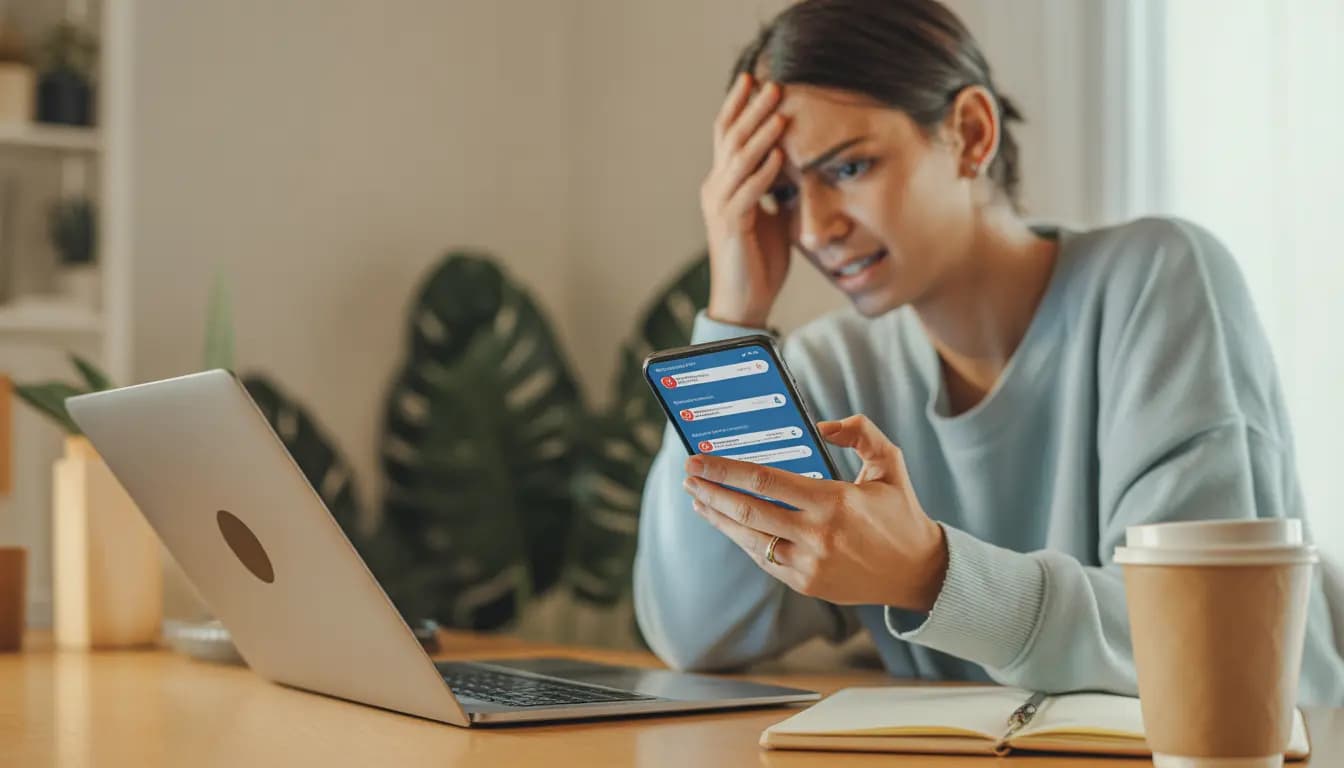
Suppose that it is a Sunday afternoon. Your favorite music is playing, the sun is shining through the windows, and you are finally relaxing and unwinding after a long week. Then your phone buzzes—a grocery reminder. You tap to order, but at the checkout, you find it: a $9.95 delivery fee sitting in your cart.
To most of us, that feels like a "convenience tax"—a minor expense that siphons away the serenity of the weekend and chips at our budget. With Amazon Fresh, the fee structure in 2026 has evolved in a way that can be confusing, even frustrating. But here is the good news: you do not need to pay more to have an easy life. By using a few tricks and deliberate practices, you can turn Amazon Fresh into a savings appliance that complements your lifestyle without ruining your finances.
This roadmap will take you through the Amazon Fresh fee landscape in 2026, break down the calculus of the new tiers, highlight intelligent subscription choices, and convert grocery technology into life upgrades that feel good.
The 2026 Math: Cracking the New Amazon Fresh Fee Tiers
Knowing the pricing structure is like having a topography map of a place you are planning to hike: the minute you understand the terrain, each step becomes clearer.
What Changed in 2026?
The days when every Prime member could enjoy free delivery on Amazon Fresh have passed. Instead, Amazon has established a tiered pricing system designed to balance logistics costs with consumer convenience:
- Orders under $50: ~$9.95 delivery fee
- Orders $50–$100: ~$6.95 delivery fee
- Orders $100–$150: ~$3.95 delivery fee
- Orders $150 and up: Free delivery
This level-based model shifts the goal from a modest free-delivery threshold to one that requires more strategy. This structure does not reward impulse shopping; rather, it is a suggestion to shop in "batches and rhythms" rather than reactionary, one-off orders.
Service Fees vs. Delivery Fees
It is also important to note the difference between a service fee and a delivery fee at checkout. While both may appear on your total, delivery fees are proportional to the value of your cart, whereas service fees are standard charges for enjoying the convenience of specific on-demand delivery windows. Being aware of these helps you assess your alternatives clearly.
Rhythm over Rush: A Simple Life Hack
Rather than assembling various small orders (and incurring multiple fees), consider making the jump to rhythmic shopping. This is a weekly or bi-weekly routine built into your life. You will reach the free delivery mark much more often, spend less thoughtlessly, and save time.
Savings Tip: Amazon frequently offers first-order promo codes—sometimes up to $20 off for new or returning customers—which can effectively cancel out delivery fees for your initial hauls.
The Subscription Shift: Is the $9.99 Monthly Add-On Worth It?
The most common question from readers is: Should I upgrade to the grocery subscription? The answer is: Probably—unless your grocery runs are rare.
Amazon now provides an optional Grocery Delivery Subscription (typically $9.99/month or $99/year). Essentially, this is insurance against delivery charges.
The Break-Even Point
Let’s do the basic math:
- Individual delivery prices usually range between $3.95 and $9.95.
- The subscription begins saving you money the moment you order more than once or twice a month at standard fee rates.
- A predictable fixed price of $9.99 assists in budgeting by removing the variable cost of delivery fees.
Beyond the Cost: Quality of Life Perks
It is not just about the dollars; the subscription includes perks that improve your daily comfort:
- Unlimited 30-minute pickup windows.
- Priority access to delivery slots that would otherwise cost extra (like 1-hour windows).
- Easier scheduling during high-demand holiday weeks.
- Reduced mental fatigue from checking fee margins at every checkout.
For families or busy professionals who rely on weekly grocery hauls, the subscription caps your monthly overhead and simplifies the shopping experience.
A Note on Discounts and Eligibility
Amazon broadened price relief eligibility in 2026:
- Students typically receive a 50% discount on the grocery subscription.
- EBT/Medicaid recipients are often offered a lowered rate. This can reduce the monthly expense to approximately $4.99, making it a powerful proposition for those practicing conscious consumption on a tighter budget.
Strategic Cart Building: Reaching the $150 Threshold Without "Filler"
Reaching the $150 free delivery mark does not mean purchasing a bunch of pointless items. It is about intentional cart-stocking—filling your basket with things that truly belong in your home.
The “Virtual Pantry” Method
Treat your digital cart as a "virtual pantry" that you stock over several days. Focus on high-value goods that increase the cart total while saving you money on future trips:
- Non-perishables: Toilet paper, paper towels, bulk rice, pasta, beans, and long-lasting pet food.
- Household Staples: Laundry detergent, dish soap, and cleaning supplies.
- Pantry Boosters: Olive oil, spices, coffee, and tea.
By purchasing these as a premeditated weekly or bi-weekly order, you hit the $150 threshold without the waste and stress of buying "filler" products you don't actually need.
Technological Tools for Efficiency
The game-changer here is the Amazon "Buy Again" feature. You no longer have to write lists by hand; simply use the feature to quickly add recurring essentials from previous orders. Furthermore, many items on Subscribe & Save count toward your order minimum and provide up to a 15% discount. This is the definition of smart shopping: you aren't purchasing more, you are purchasing better.
Amazon Fresh vs. The Competitors: Walmart+ and Instacart Plus in 2026
Diversity of tools is the hallmark of a smart shopper. While Amazon Fresh might be your primary service, other platforms may suit specific needs.
Walmart+ in 2026
Walmart+ continues to boast a $35 free delivery minimum on grocery items. This is a significantly lower entry point than Amazon’s $150 level. If Walmart carries your desired selection, it is an excellent method for getting free delivery on routine items like milk, eggs, bread, and snacks.
Instacart Plus
The Instacart Plus subscription was polished in 2026 to include perks like:
- Reduced service fees.
- Lower markups at specific stores.
- Free shipping with a small order value. However, it is not without quirks. Many areas still include service charges and expected tips that can make the total cost more expensive than Amazon Fresh in the long run.
The Store Density Factor
In dense urban areas, Amazon Fresh’s tech and delivery windows are often faster. Conversely, Walmart+ tends to be more cost-effective for rural shoppers. Don't be "brand-loyal" to your own detriment; keep a toolkit of apps and use whichever platform has the best deal for your current list.
The “Physical” Pivot: Whole Foods Daily Shop and Free Pickup
There is still immense value in the physical world, even for a digital-first grocer.
Why Pickup Often Wins
In 2026, curbside pickup is free with a much smaller minimum—often just $35. This completely bypasses the $150 delivery hurdle. The lifestyle advantages are clear:
- You shop online but avoid walking up and down aisles.
- Pickup can be scheduled during a commute or a walk.
- It adds a touch of movement to your day without the time drain of traditional shopping.
Pickup is especially useful if you shop at Whole Foods Market Daily Shop, Amazon’s streamlined store concept that blends Fresh and Whole Foods products. These hubs are designed for high-speed fulfillment and minimal friction.
Make It Part of Your Routine
Integrating pickup into your routine is about planning, not inconvenience:
- Shop your cart while having your Sunday morning coffee.
- Schedule pickup for a time that aligns with your existing errands.
- Prime Visa 5% Back: Remember that the 5% back on Prime Visa applies to Amazon Fresh and Whole Foods. This acts as an unlimited digital voucher on essentials like produce and milk.
Summary
The Amazon Fresh fees of 2026 are not a tax on convenience; they are a framework that incentivizes organization, rhythm, and mindful consumption.
The bottom line:
- Small, impulsive orders are expensive.
- Orders of $150+ unlock the best value (free delivery).
- Subscriptions and pickup options can eliminate fee-related stress.
Being a smart shopper isn't about being "cheap." It is about reclaiming your time, energy, and resources for what truly brings you joy—quiet mornings, meaningful meals, and time to breathe. You are the CEO of your household budget. With the right attitude, delivery fees aren't an obstacle—they are just one more figure in your larger plan for comfort and intentional living.
FAQ
Will Amazon Fresh remain complimentary to Prime members in 2026?
While Fresh access is included with Prime, free delivery now requires either a $150 order minimum or a Grocery Delivery subscription add-on.
What amount of money do I tip my Amazon Fresh driver?
Service fees and tips are distinct. In the 2026 economy, 10–15% of your order total is the standard recommendation.
What happens if my Amazon Fresh order is under $50?
You can expect a delivery fee of approximately $9.95. To avoid this, consider increasing your cart to $150 or utilizing the free pickup option on orders over $35.
Is it possible to apply manufacturer coupons on Amazon Fresh?
Yes. The Amazon Digital Coupon interface allows you to “clip” offers before checkout. These are applied automatically to qualifying items in your cart.
Does the Amazon Fresh unlimited subscription differ from Prime?
Yes. It is an independent add-on (typically $9.99/month) focused specifically on waiving delivery fees for orders over $35. Standard Prime includes access to the store, but not the delivery fee waiver.