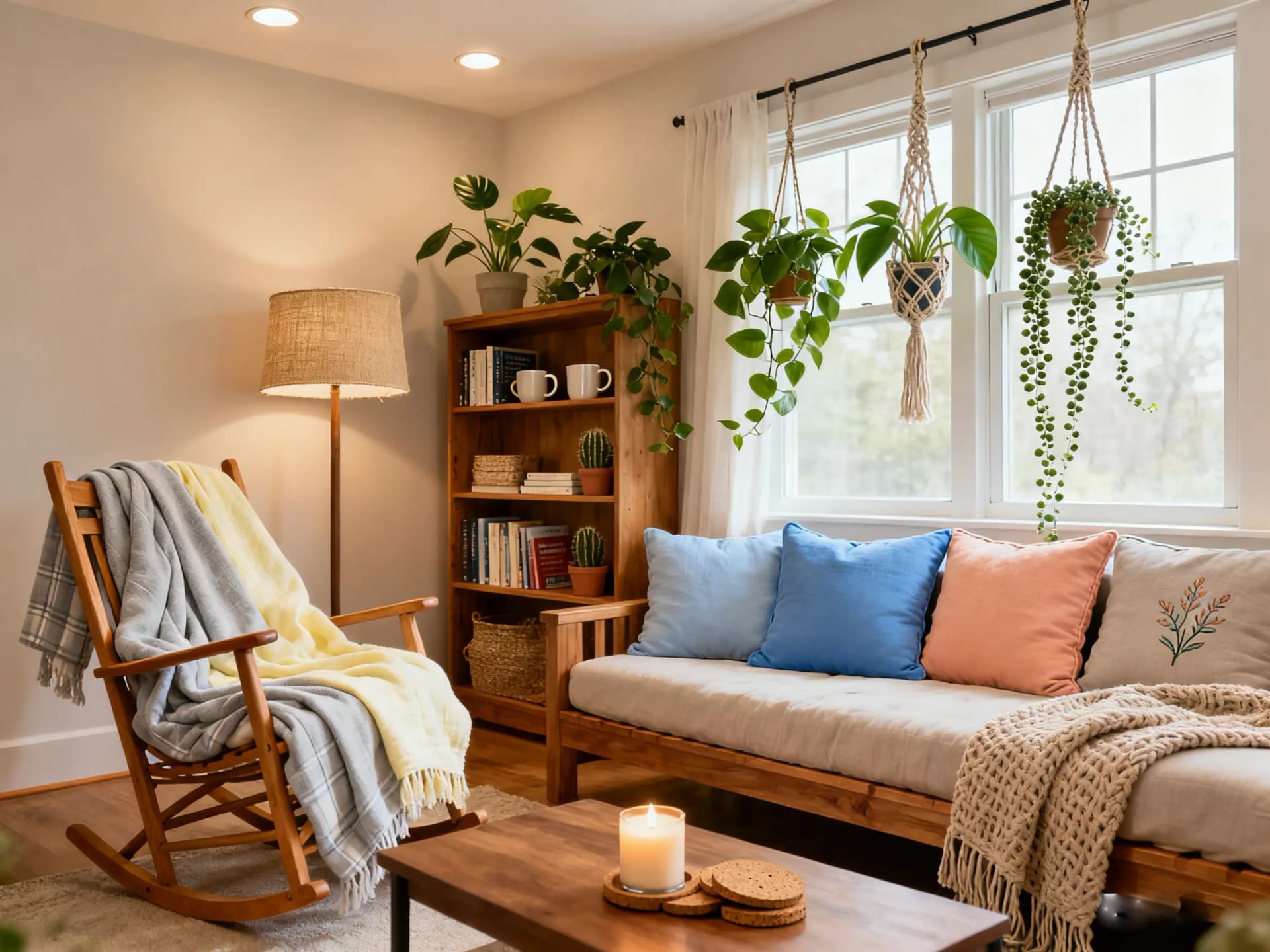
For years, my evening ritual was incomplete without the strike of a match. There is a specific, quiet gravity that a candle brings to a room—a softening of the edges of a long day. Lighting the candle is a transition of the productive time of the day to the restorative time of the night, a minor personal ritual to which most of us are hesitant to give up.
The discussion on candle safety tends to lean at one extreme where people are completely dismissing the dangers or seem to be on the other extreme where they are hysterically insisting that the dangers should not be in the modern home. Both of them do not feel very helpful. Candles are controllable risks, as long as we are weary of complacency and toward using them more consciously.
I have also learned that the majority of candle-related accidents are caused not by careless people but by the fact that we become so used to things that we become too comfortable. A burning candle is a dynamic chemical reaction which we assume to be a static object. Through a change in our use of them, we will be able to retain the atmosphere we treasure without injuring the security of our houses.
The Physics of a Clean Burn
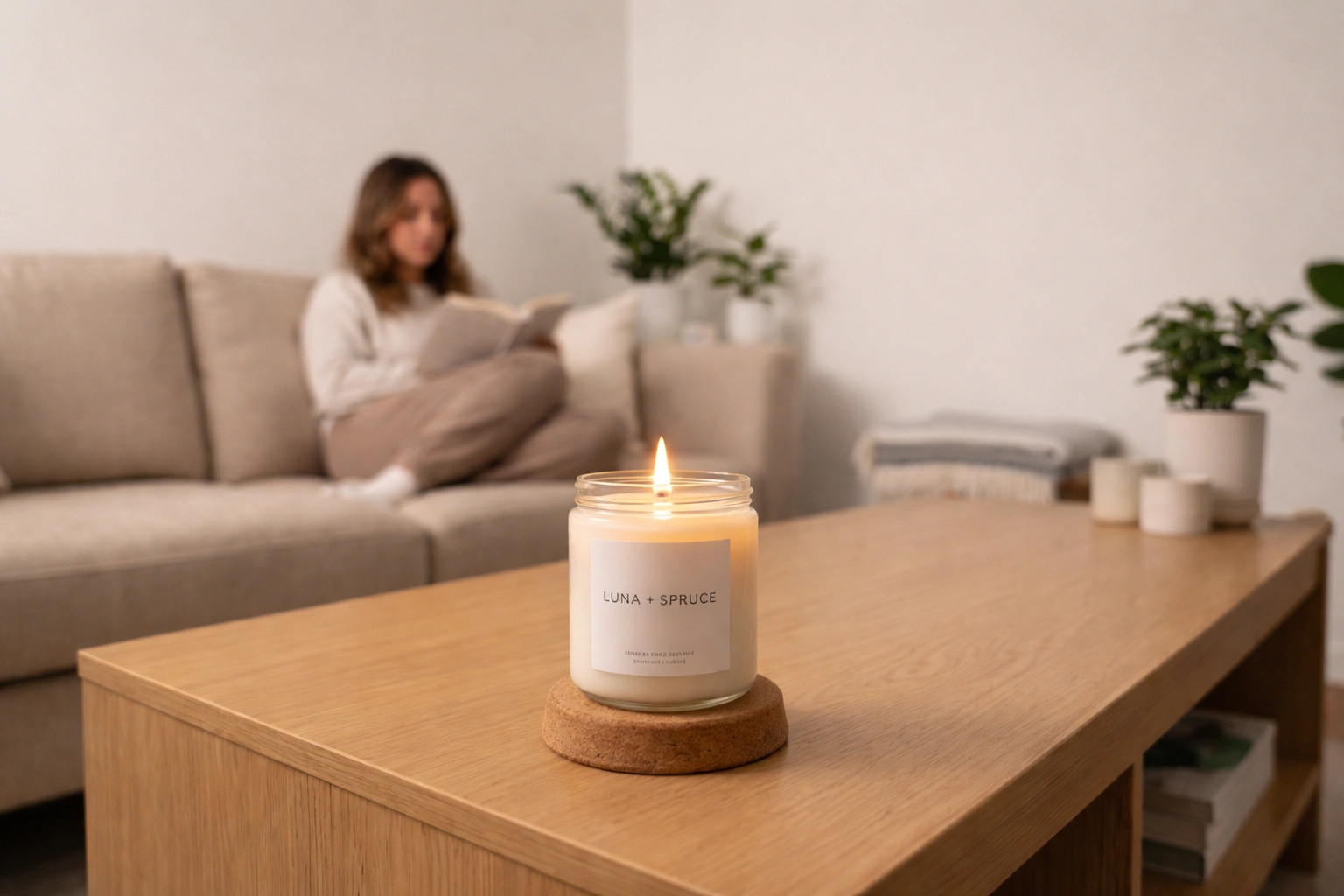
Majority considers a candle as a source of light or perfume, yet, concerning the location of safety and air-quality, it is a miniature engine that burns. When a candle is burned efficiently the wax is pulled up the wick, evaporated and burned by the flame. When this process is disrupted we observe smoke, soot and a flying flame.
Wick length and flame behavior
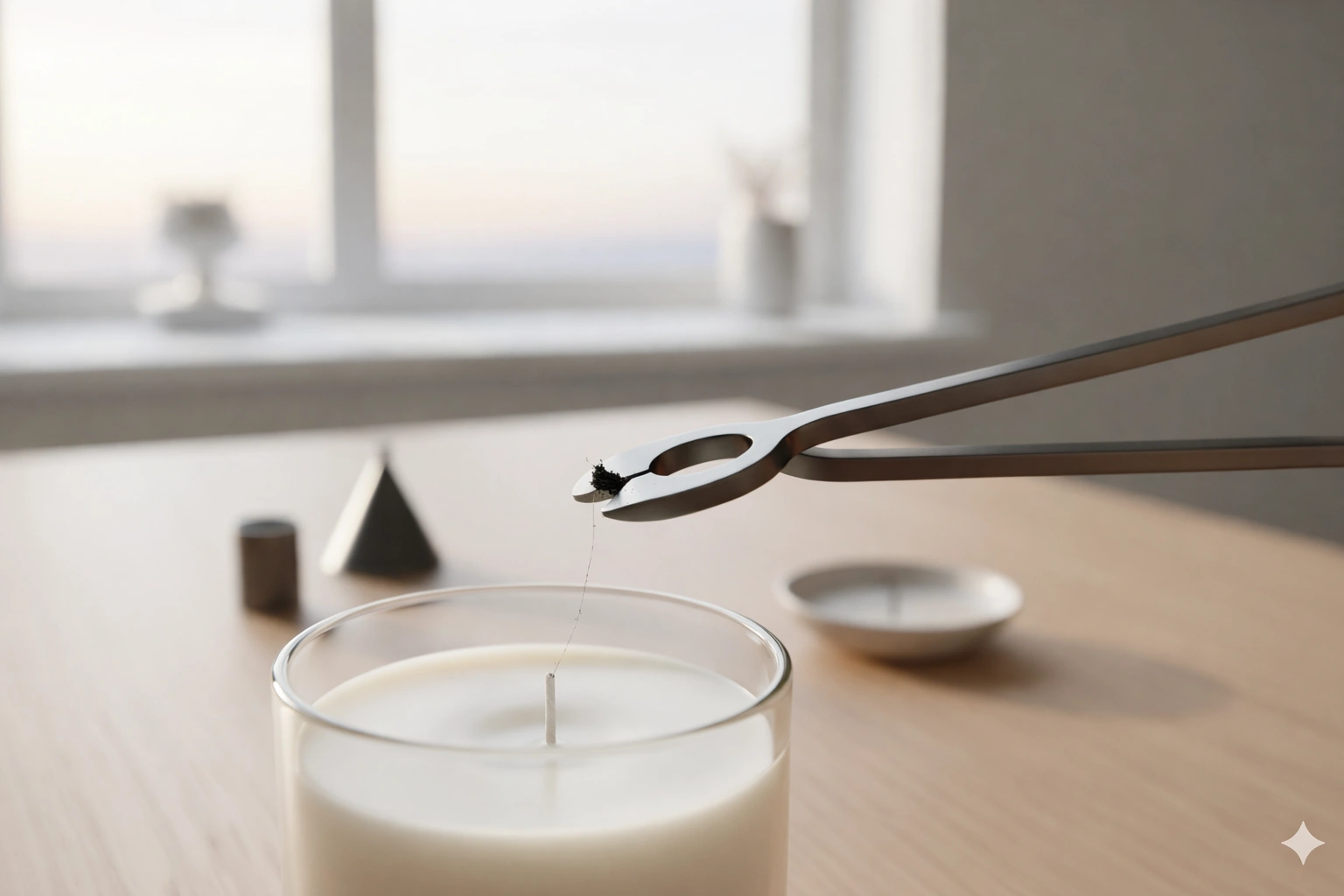
My initial change in my personal house was a promise to ensure wicks are properly maintained. It might seem a little trifle, yet a long, mushroomed wick is one of the most widespread reasons of safety concerns. A long wick produces a flame that is bigger than the diameter of the candle and therefore it flickers and results in a lot of soot. This soot does not simply stain the jar but goes to the air and attaches itself on surfaces. A wick which is maintained at about a quarter-inch is necessary to maintain the flame steady, and to have the heat concentrated on the pool of the wax and not on the glass vessel.
Heat transfer and container stress
Another area of consideration is the container. The glass may and does break in extreme heat. I have also gotten to know that when there is only a half-inch of the wax left to the bottom I should remove the candle. Once the flame is too near the base, heat transfer to the surface beneath and the stress on the glass, rises enormously. Discarding that remaining piece of wax seems to be a waste, but the integrity of the structure of the container cannot be put to the test.
Environmental Awareness
The location of the candle is frequently determined by aesthetics; a cluttered bookshelf, a small side table or a window to reflect in. The safety profile of candles is however determined by the environment surrounding the candle.
Instability of the flame and air movement.
The most neglected variable is probably drafts. A room which is drafty does not simply put the candle out, but makes the fire leap and lean. Such unequal heat may lead to excessive heating of the glass on one side or even worse exploding sparks to other flammable substances. I have been used to searching moving air before I can light a match. When the curtains are waving or some vent is blowing somewhere around, the candle does not belong there.
Vertical clearance and trapped heat
There is too the issue of " clearance." The distance that the heat covers upwards is sometimes underestimated. A candle on a shelf with still another on six inches higher than it is a formula of heat in a closed chamber. I have a simple vertical space rule in my house, it is; when I cannot comfortably place my hand in the space above the candle in thirty seconds, the ceiling or shelf above is too low. The provision of plenty of breathing space above and all around the flame will ensure that the heat is released naturally instead of accumulating to harmful amounts.
The Myth of "Set and Forget"
The final danger of any house is the so-called passive burn - the candle we set and forget as we pass into an adjoining room or get absorbed in some business. We are in the era of distractions, and it is incredibly easy to be distracted and lose time.
Presence as a safety practice
In response to this, I have resorted to a one-room rule. In case I am not physically present in the room, there is no light of the candle. This will not seem free but make one be present to a certain extent and that will actually make the candle enjoyable. I can clearly know how the light is and the smell in the room which I am staying in as opposed to smells floating down the hall.
Burn timing and efficiency
This practice also keeps away the tunneling effect where a candle burns off in the middle and leaves a ring of hard wax on the edges. The majority of the candles require burning of two or three hours to attain a complete melt pool. My being there allows me to make sure that the candle burns long enough to be effective and not excessively long that the container will get dangerously hot. When I realize that I have just thirty minutes before I have to leave the house or go to sleep, I just do not turn it on. The ritual presupposes time of which I am mindful.
Air Quality and Mindful Ventilation
In addition to the risk of fire, the legitimate issue is that of indoor air quality. The release of particulates in the air occurs in any form of combustion. A solitary candle is not a wood burner, but the cumulative effect in a stuffy, contemporary house is worth mentioning.
Ventilation as a balancing act
I have discovered that quality and ventilation form the best balance of candles and do not ruin the air quality. It begins with the selection of candles with fewer ingredients and shunning those that contain complex dyes or metal-core wicks. However, more to the point, I make sure that my house is breathing. It makes a difference to crack a window in a room nearby, not so near as to make a draft, but such that it will encourage the passing of the air.
Ending the burn cleanly
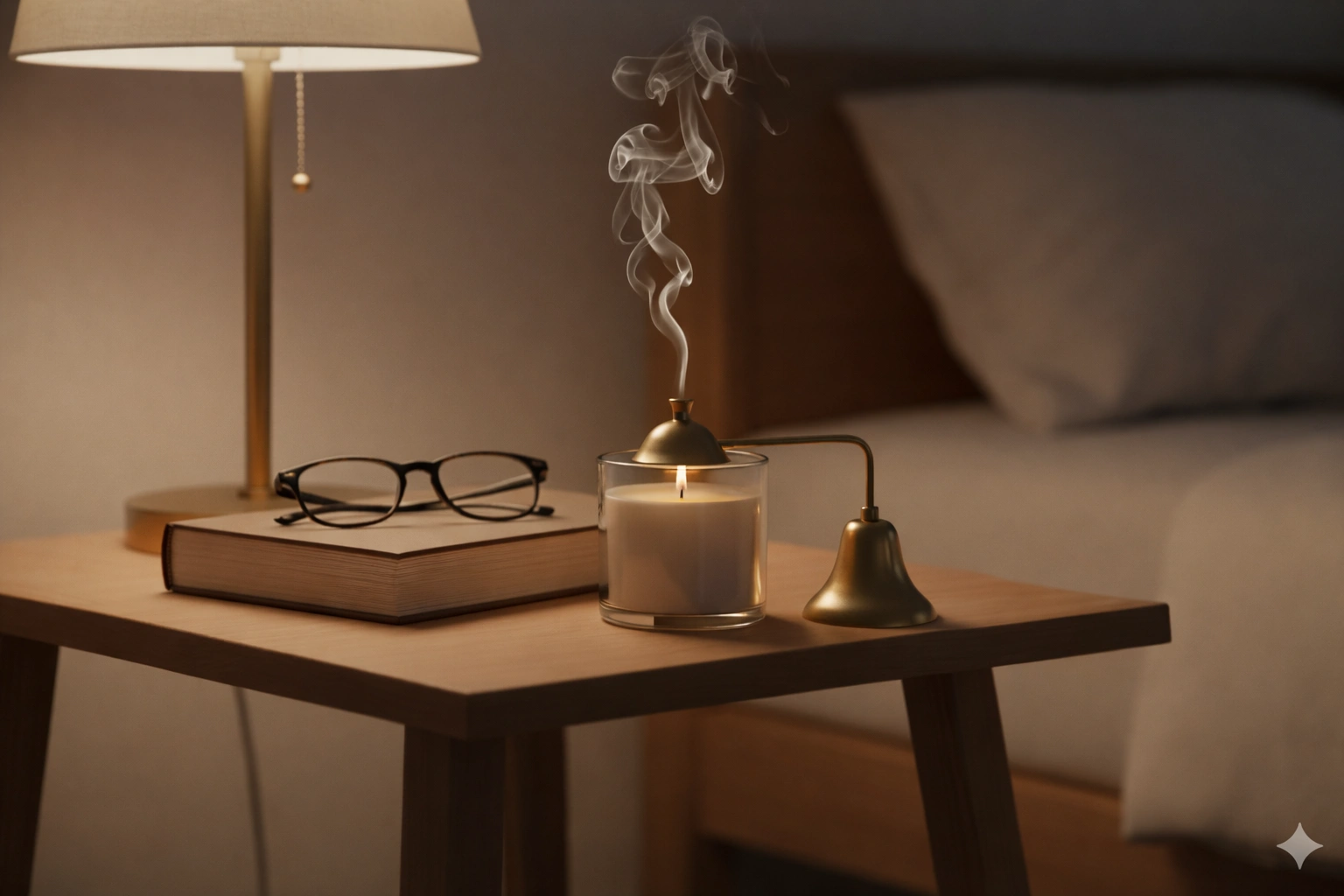
Another thing that I have changed is my way of snuffing my candles. Trying to put out a candle, a large billow of acrid smoke is likely to be left far longer than the smell. Applying a snuffer or a wick dipper (where the light wick is pushed into the melted wax pool and kills it immediately) gets rid of the smoke completely. It is a more wholesome, less noisy termination of the experience.
Practical Alternatives and Supplements
Although it is about playing with candles without breaking the rules, part of responsible attitude is understanding when a candle is not the right tool of the job. The model of an open flame is more stressful than relaxing in a high-traffic space, or in a home that is inhabited by curious pets and small children.
Choosing lower-risk moments
I have discovered that I can get a similar sensory experience by switching my ways. A candle warmer lamp may be utilized on a busy morning of the week when I am in a hurry to leave the house. These machines incorporate a halogen bulb to melt the wax at the top, to extract the scent without a fire or a smoke. It gives a cool light and the same perfume, only with a much larger dose of safety in case I should walk away a short time. This will enable me to reserve the real lighting of a wick till the still and relaxing hours of the weekend when I can devote my entire attention to the flame.
A Shift in Perspective
Ultimately, candle safety does not consist of a list to avoid. It is about developing a feeling of custodianship to the environment that we have created ourselves. When we bring out the dignity to a candle that fire has, we will in fact find more worthy of it. It stops being background music and becomes a deliberate choice.
I have observed that I now actually enjoy my candles, as I started to pay more attention to the length of the wicks, to the air currents and burn time. They are longer-lived, they smell healthier since they are not undergoing scorching and I do not have the anxiety at the bottom level which is a concern that I left something to burn, in the other room.
The loveliness of a candle is its delicateness, how the flame responds to its environment. By keeping that flame and the area it occupies safe we are not only being safe but also doing what can be called home-care in which the long life of our belongings and the health of other occupants of our space are prioritized.
These little disciplined choices are usually what is meant by living well. It is about realizing that what we take to our homes to offer solace, we need to take care of as well. The strike is made, the candle is cut, and the room is silent. It is a greener approach to indulging in the coziness we want.
FAQs
Why should I trim the wick before every use?
A small wick (1/4 inch) will eliminate a big, smoky flame and will help the glass to remain unnaturally hot.
Why leave a half-inch of wax?
The destruction to the bottom may lead to breaking of the container or scalding your furniture with focused heat.
What is the benefit of the "one-room rule"?
Being there means that you will be able to respond immediately to a wavering fire or a gust of wind and avoid accidents even before they occur.
How does ventilation help if I want a clean burn?
The air freshening assists the candle to burn cleaner and eliminate soot; keeping the indoor air quality improved.
Why shouldn't I just blow out a candle?
Snuffing will help to avoid splattering of hot wax, and hideous smelling smoke in the room once the candle is extinguished.