We’ve all been there: You find the perfect flight to a dream city like New York, London, or Tokyo, only to hit a wall of “sticker shock” when booking a place to sleep. The downtown hotels are either $400 a night for a room the size of a closet, or they’re sold out months in advance. Suddenly, that relaxing weekend getaway feels like a looming financial burden.
But here is a secret that seasoned, conscious travelers live by: Living—and traveling—well doesn't mean paying the "tourist tax." You can experience the same world-class museums, Michelin-starred restaurants, and vibrant culture while keeping your lodging budget entirely intact.
By mastering the “City-Adjacent” strategy, you can identify high-quality “halo” neighborhoods that offer more space, better local vibes, and savings of up to 50%. Let’s dive into how you can hack your next trip to prioritize both your comfort and your bank account.

Why Staying Just Outside the City Center is a Lifestyle Upgrade:
In the world of travel planning, the "Halo Effect" refers to the sweet spot located roughly 15 to 30 minutes away from the urban core via public transit. Staying downtown often means paying for a prestigious zip code you’ll only see when you’re sleeping.
When you move just one or two transit stops out, you experience the “Space Premium.” Instead of a cramped boutique hotel room where you have to climb over your suitcase, you’re more likely to find a spacious suburban suite or a modern apartment with a full kitchen.
Beyond the room itself, the lifestyle benefits are immense. You get access to “real world” amenities—quieter streets for better sleep, local grocery stores with normal prices, and charming neighborhood parks where you can enjoy a morning coffee away from the crowds.
Smart Shopping Move
Check the rates for “Residential” hotels (those geared toward families or long-term stays) in these areas. Unlike downtown business hotels that hike prices on weekends, these neighborhood gems often offer lower rates when the work week ends.
The Transit Math Ensure Your Savings Aren't Eaten by Uber Ranks:
A "cheap" hotel isn't actually cheap if you end up spending $60 a day on ride-shares. To make the City-Adjacent strategy work, you have to do the "Door-to-Door" calculation. Don't look at distance in miles; look at time in minutes.
Key Factors to Verify Before Booking
When considering a City-Adjacent hotel, the train or bus connection is paramount. Ensuring that the hotel is no more than a five- to ten-minute walk away from the subway, the light rail, or a good bus stop will help make your commute a breeze. However, it’s essential that you factor in the “not-so-hidden” cost of living in a City-Adjacent hotel. For instance, you could end up shelling out money for daily train station parking in order to save money in the first place. Last but not least, is the late night train or bus factor an issue, or do you know that you will have to shell out money for an Uber to take you home for dinner at the end of the night?
Savings Strategy
Many City-Adjacent hotels know they aren't downtown, so they compete by offering Free Shuttle Services to the nearest transit station or even including complimentary transit passes in your stay. Always check the "Amenities" section or search for "Lodging + Transit Bundle" deals before you book.
Strategic Selection The Best Types of City-Adjacent Lodging:
Not all budget lodging is created equal. To maintain a sense of wellness and comfort, look toward these three categories:
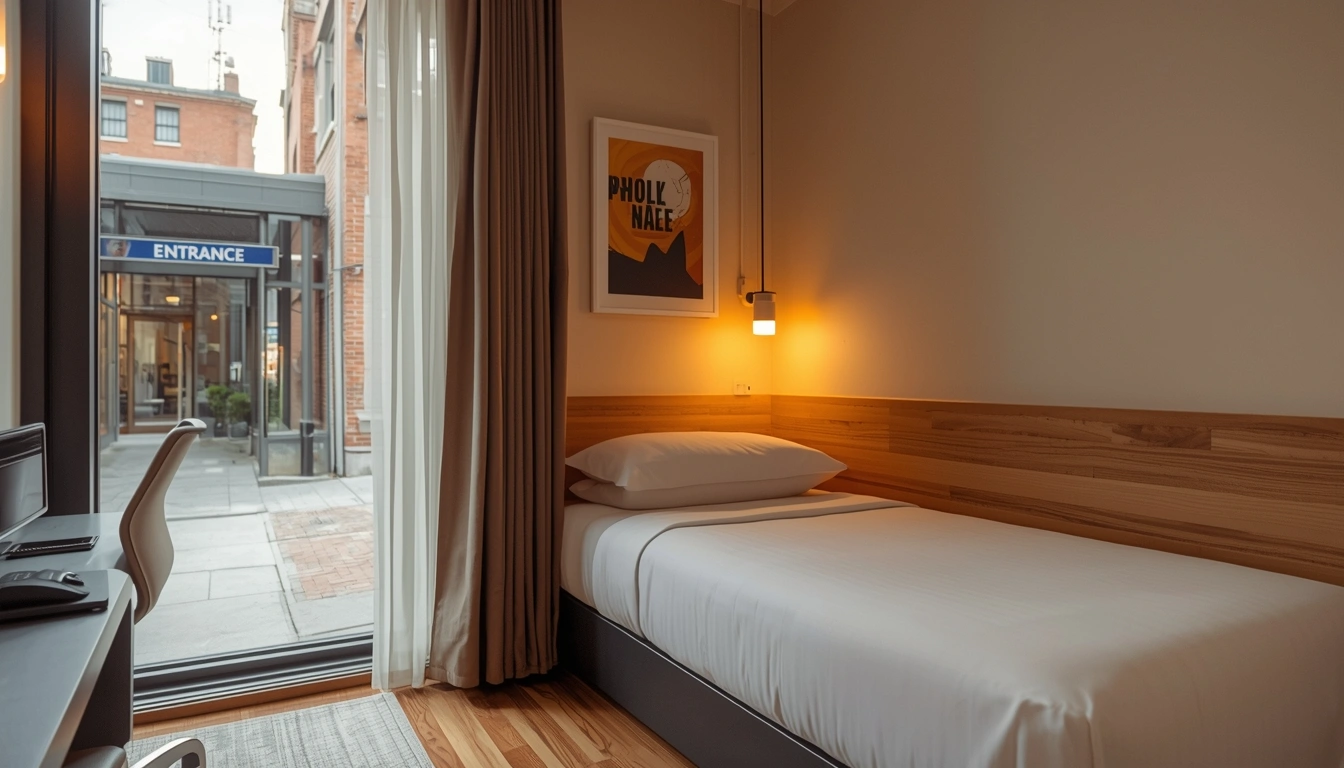
These luxury hostels, also referred to as "poshtels," are in hip, up-and-coming neighborhoods. They offer private rooms with designer touches at a fraction of the cost of a hotel.
They combine the social atmosphere of a hostel with the style and privacy of a boutique hotel to offer the culturally aware traveler a sophisticated yet economically viable option.
Is there anything else I can do for you, such as providing some top-rated "poshtel" brands or specific neighborhoods known for this sort of stay?
2. The Extended Stay Suite
Extended stay suites are ideal for families or for travelers who live life on purpose. Having a kitchenette is perfect, as you can make your own food and avoid getting tired of eating all your meals at restaurants, thereby economizing on cash and time without compromising comfort.
3. University Areas
Neighborhoods near major colleges are built for walkability and budget-friendly living. Hotels here are often well-maintained but priced for visiting academics and families rather than high-rolling tourists.
This is the perfect time to look for "Extended Stay" promo codes or use your AAA/Member discounts. These discounts are much more common at chain hotels located in suburban rings than at independent boutiques in the city center.
The Lifestyle Advantage:
Staying in a "B-Side" neighborhood encourages a slow travel mindset. Instead of rushing from one monument to the next, you get to live like a local.
Dining
You’ll find authentic eateries where the locals eat. The food is often better, and the prices don't include a "view tax."
Mindful Consumption
Use your local market to grab fresh fruit, yogurt, or local pastries. Prepping your own breakfast or a picnic lunch is a simple way to practice conscious spending while enjoying high-quality ingredients.
Discovery
Some of the best travel memories happen in secondary attractions—a neighborhood street art tour, a local library, or a community festival that isn't on the "Top 10" lists.
Savings Strategy
Before you head out, check your favorite cashback apps or look for digital coupons for local grocery chains in your area. Those small savings on snacks and supplies add up to one extra "splurge" dinner downtown.
Common Pitfalls:
To ensure that your experience is stress free, you should be aware of a number of pitfalls to avoid. Firstly, a safety assessment is essential, for which you can apply technology such as Google Street View to gauge the area atmosphere. You should ensure that your path to your accommodation from the train station is illuminated and has people and makes you feel safe. Second, take care to avoid being "last trained." If your trains to and from your suburb end early, it may end your night early or require that you take costly transport home. Finally, take a safety consideration that may be relevant for your visit. If your commute home is more than 45 minutes, it may be difficult for you to want to leave your hotel, which would spoil your travel experience.
Always opt for "Free Cancellation" policies. Book your City-Adjacent stay early to lock in the low rate, but keep an eye out for "Last Minute" downtown deals. If a city-center hotel drops their price 48 hours before you arrive, you can pivot without a penalty.
Stacking the Savings Booking Hacks for the Conscious Consumer:
Finally, use modern tools to ensure you’re getting the absolute best value. In 2026, we’ve moved past "Incognito" browsing (which is largely ineffective now) and toward Price Tracking.
Digital Tools and Tactics
You can also use tracking apps to keep in touch with accommodation deals by activating notifications in certain areas of town instead of the entire city. Another effective approach is the direct telephone call. After discovering a good price on a hotel booking site, consider telephoning the hotel and asking if they have a deal they can offer you in order to beat the price offered on the Internet site or whether they can throw in a few extras, such as breakfast or a late checkout. Hotels will often forgo paying a third-party booking site a discount in order to provide a customer a better deal right on the spot. Also, consider coming during the off-peak season for a stay at the hotel that you are considering. If you have the flexibility, a stay on Sunday, Monday, and Tuesday can be a treasure trove of deals because business executives have not yet arrived at the accommodation and the weekend crowd has departed for the weekend.
Smart Move
Look for "Mobile-Only" deals on travel apps. Many retailers offer an extra 10% discount just for booking through your phone to encourage app loyalty.

Conclusion
Choosing a "City-Adjacent" stay is a strategic choice, not a compromise. It’s about finding a balance between the high-energy excitement of the city and the peaceful, budget-friendly comfort of the surrounding neighborhoods.
By being intentional with your lodging, the money you save on a bed becomes the "adventure fund" for experiences that truly matter—that once-in-a-lifetime concert, a guided tour, or a meaningful souvenir. Travel is about the stories you bring home, and those stories are always better when you aren't stressed about the bill.
FAQ
Is it safe to stay in neighborhoods outside the city center?
Generally, yes, but research is key. Use Google Street View to look at the area and check recent travel forums or local crime maps to ensure the neighborhood feels comfortable for your travel style.
How much money can I realistically save by staying 20 minutes away?
Depending on the city, you can typically save between 30% and 60% compared to a hotel of the same quality in the city center.
What should I look for in a "City-Adjacent" hotel to ensure a good experience?
Prioritize three things: Transit proximity (less than a 10-minute walk), recent reviews (focus on cleanliness and noise), and neighborhood walkability (nearby coffee shops or pharmacies).
Does staying further out take away from the "City Experience"?
It actually enhances it! You get the "Best of Both Worlds"—all the action of the city during the day and a quiet, local, and affordable place to recharge at night.